 By
By 
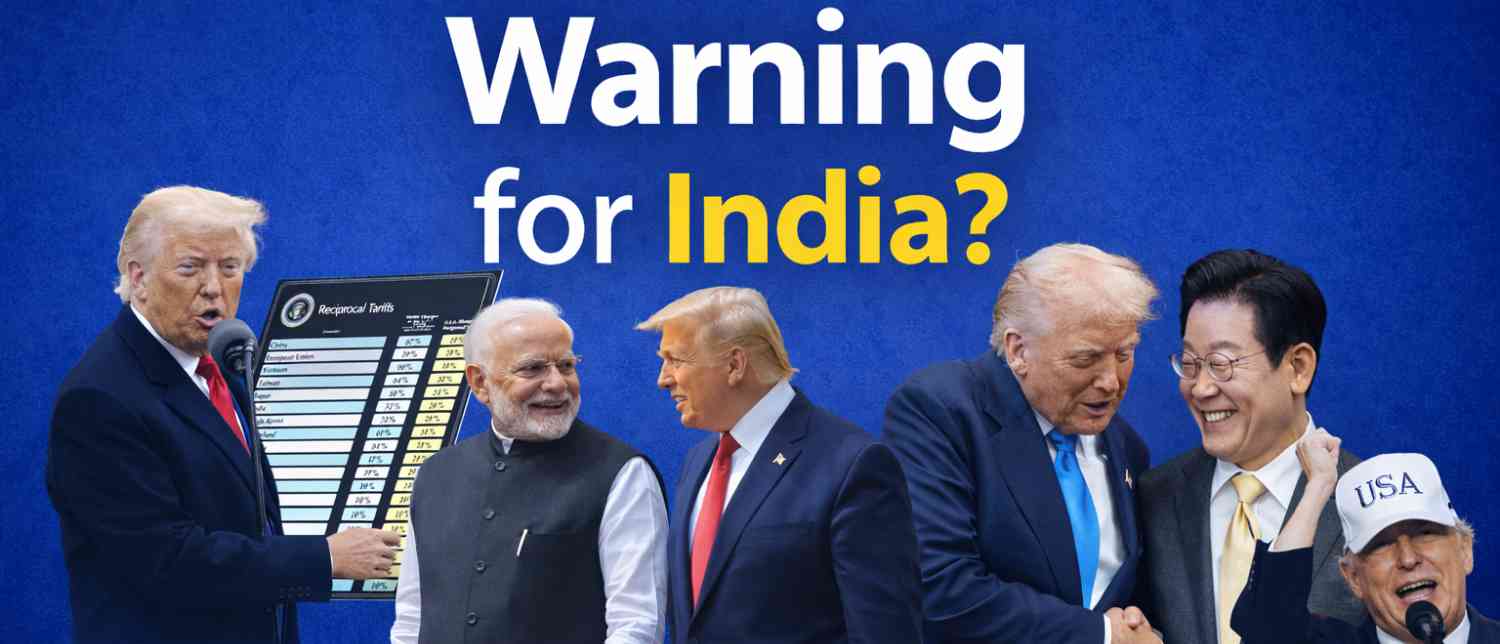
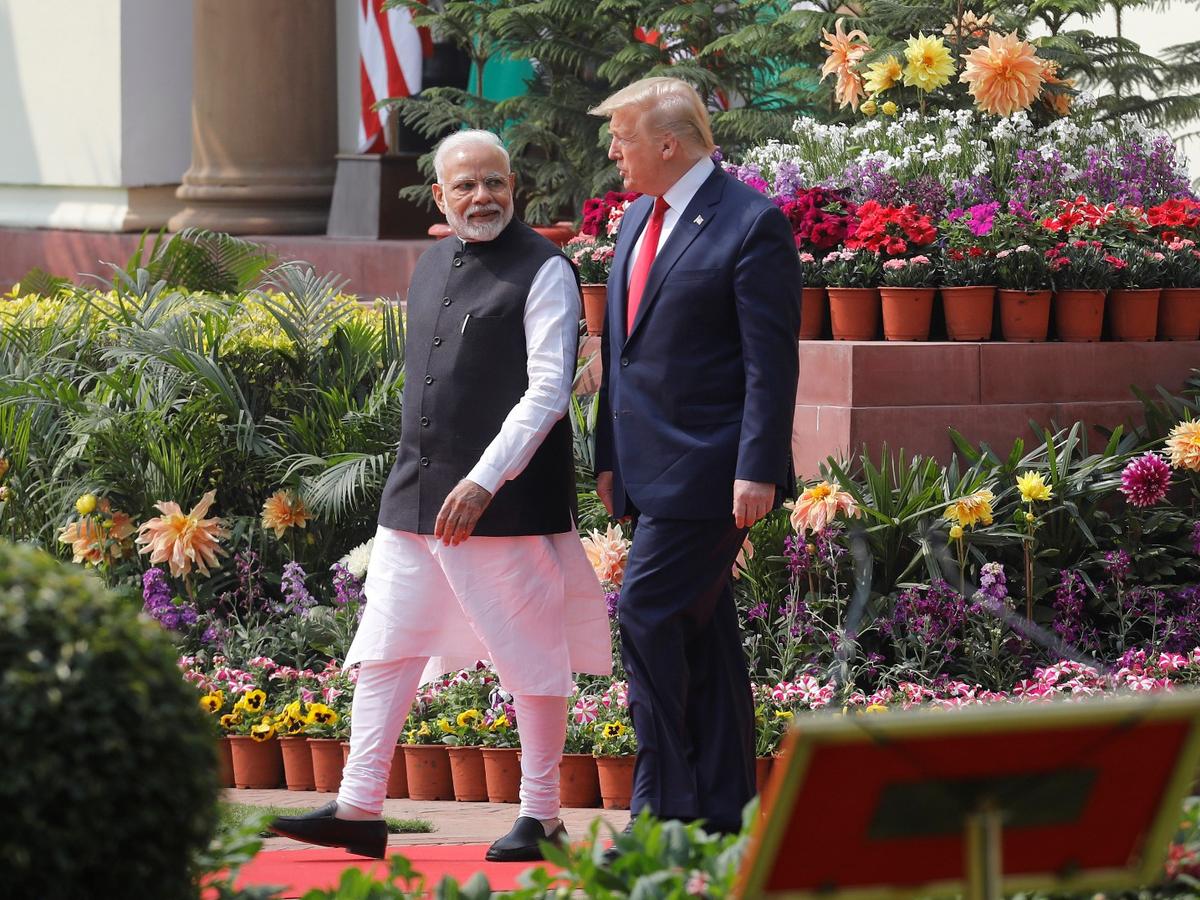
When US President Donald Trump and Prime Minister Narendra Modi unveiled the framework for an interim India–US trade agreement on February 2, 2026, it was presented as a breakthrough — a reset after months of economic uncertainty. Yet within weeks, that optimism collided with legal and political turbulence in Washington.
On February 20, the US Supreme Court struck down most of Trump’s sweeping tariffs, ruling that he had exceeded his authority under a law reserved for national emergencies. India and the United States promptly deferred further trade talks, with New Delhi saying it was studying the implications of the judgment. But clarity did not follow. Trump announced he would soon sign an order to raise global tariffs to 15% — the maximum allowed under a never-used trade law — even as a 10% global tariff regime took effect at 12:01 am on Tuesday.
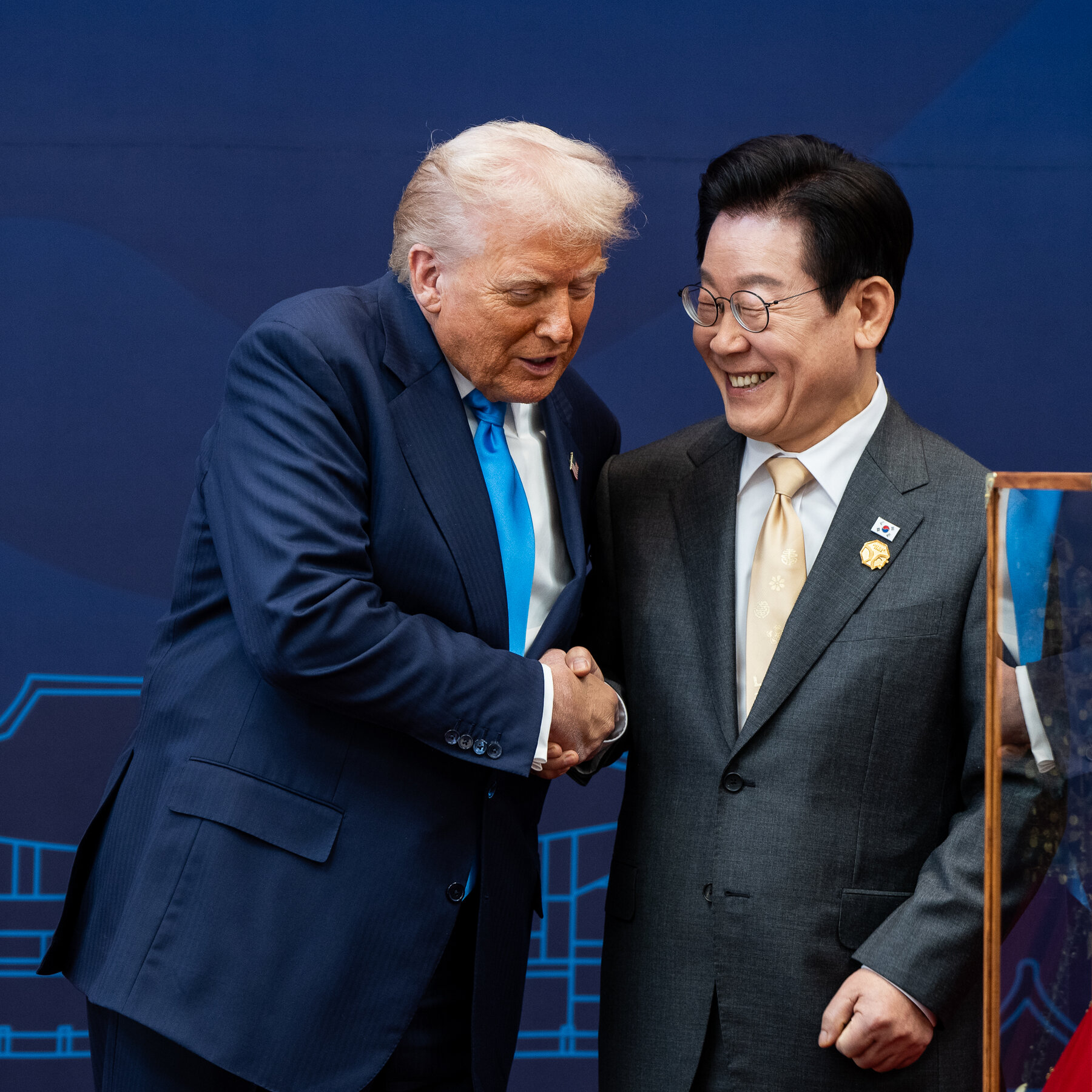
For India, the message is unmistakable: any trade agreement with Trump’s America may come wrapped in uncertainty. And if New Delhi wants a durable deal, it must study the experiences of US allies who have already walked this path — notably South Korea, Japan, and Taiwan.
The Pattern: Expansive Tariffs, Strategic Divergence, Shifting Goalposts
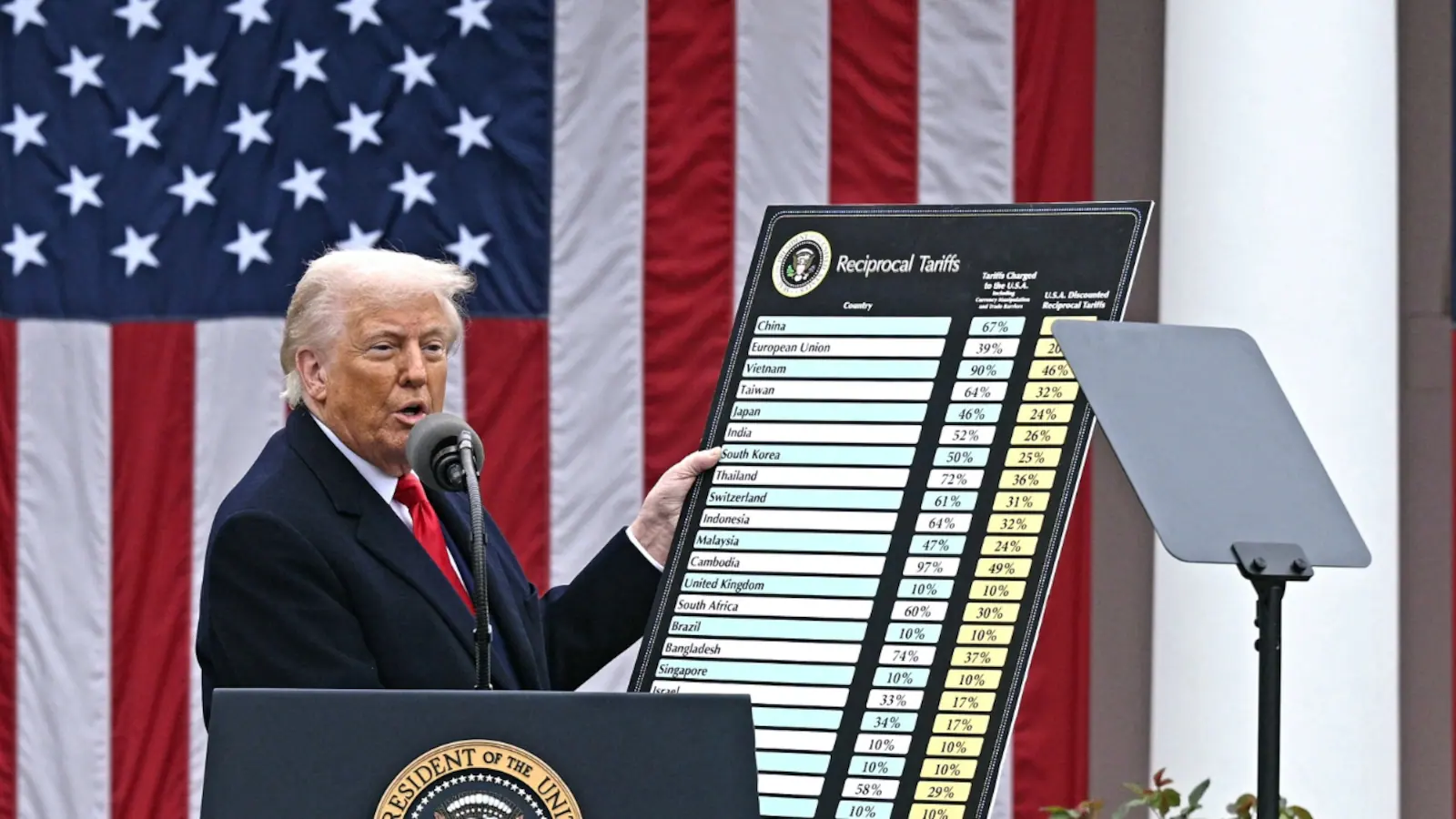
Across Trump’s engagements with Seoul, Tokyo and Taipei, three trends stand out: the expansive use of tariffs as leverage, persistent strategic miscommunication, and shifting goalposts after agreements are signed.
1. Tariffs as a Tool of Coercion
Under Trump, tariffs have evolved from trade instruments into tools of political pressure. Economic arrangements are no longer insulated from broader geopolitical or policy disputes.
In separate deals, South Korea and Japan pledged staggering investments — USD 350 billion and USD 500 billion respectively — in the US economy in exchange for tariff reductions. Yet even after these commitments, tariff uncertainty has continued to loom over their exports.
In South Korea’s case, tariffs were increased amid allegations that Seoul had not adhered to digital services commitments. Jamieson Greer, the US Trade Representative, cited these concerns — indirectly referencing an investigation into Coupang, a US tech company operating in South Korea. The linkage signalled something larger: trade penalties could be triggered by issues extending beyond pure market access.
India should pay attention. One of the sticking points in India–US talks is New Delhi’s continued import of Russian oil. Section 4 of Trump’s February 6 executive order establishes a monitoring mechanism that could easily become a pressure point. If South Korea’s digital services policies can trigger tariff escalation, India’s energy decisions certainly could.
2. Strategic Miscommunication and Divergences
Even intense diplomatic engagement does not appear to prevent misunderstandings.
In South Korea, despite multiple high-level meetings — involving foreign ministers, industry ministers, and even the Prime Minister — confusion arose over the implementation timeline of the trade agreement. Trump publicly accused Seoul of “not living up to its deal” because the national assembly had not yet passed implementing legislation.
But the memorandum of understanding between the US and South Korea did not specify clear timelines. The dispute underscored either a lack of understanding of South Korea’s political system or a deliberate rhetorical escalation.
Japan’s experience has been less confrontational but no less confusing. While Tokyo avoided fresh tariffs, ambiguity persists over how investment projects under the agreement will be selected.
US Commerce Secretary Howard Lutnick declared that the US — effectively Trump — could “pick and choose” which projects to approve, irrespective of merit. His Japanese counterpart, Ryosei Akazawa, emphasized profitability criteria and screening processes. The contradiction revealed a deeper uncertainty: who truly decides, and by what rules?
Japan may have mechanisms to delay or reject projects. But the consequences could include penalties or the imposition of reciprocal or auto tariffs.
For India, which is negotiating at a time of legal upheaval in Washington, this unpredictability is not theoretical. It is precedent.
3. Shifting Goalposts After the Deal
Perhaps the most alarming pattern is the administration’s willingness to alter terms after agreements are concluded.
In South Korea’s semiconductor deal, Washington promised “no less favourable” terms than those extended to adversaries such as Taiwan. Yet after striking a separate agreement with Taiwan, the administration exempted it from additional semiconductor tariff quotas — effectively changing the competitive landscape.
The new arrangement tied most-favoured-nation (MFN) status to company-specific investments in US manufacturing, creating fresh conditions that were absent from earlier agreements. Subsequently, a 25% tariff on chips was announced, placing South Korean memory chip giants like SK Hynix and Samsung Electronics — which have already invested roughly USD 40 billion in the US — in a precarious position.
The possibility of a second tranche of semiconductor tariffs remains on the table.
Two hard truths emerge from these cases:
-
Trump retains final authority, including the power to renegotiate or reinterpret agreements.
-
These deals are not legally binding in ways that constrain Washington.
Violating them carries serious consequences for the partner country — not for the US, given its dominant economic position.
Taiwan: A Case Study in Legal and Political Volatility
If South Korea and Japan illustrate unpredictability, Taiwan demonstrates how legal shocks in Washington can destabilize even freshly inked agreements.
On February 24, 2026, Taiwan’s Vice-Premier Cheng Li-chiun stressed that the newly signed Agreement on Reciprocal Trade (ART) — which reduces US tariffs on Taiwanese exports from 20% to 15% — must remain intact despite the Supreme Court ruling.
The agreement is enormous in scope: Taiwan committed USD 250 billion in investment in US semiconductors, energy, and artificial intelligence, backed by an additional USD 250 billion in government credit support.
ART provides MFN treatment under Section 232 tariffs and exemptions for more than 2,000 Taiwanese products, including semiconductors, auto parts and aircraft components. Taipei insists it does not seek renegotiation, only explicit US assurance that the deal will survive legal reinterpretation.
But domestic debate in Taiwan tells a more complex story. The opposition Kuomintang (KMT) and Taiwan People’s Party (TPP) argue that since the original tariff reductions were tied to emergency powers now invalidated, the legal basis may be fragile. The ruling Democratic Progressive Party (DPP) defends the pact but emphasizes flexibility.
Meanwhile, Trump has warned nations against “playing games” with trade deals, threatening “much higher tariffs or even licence fees” if countries attempt to dilute commitments.
Markets reacted sharply. Indian equities rose after the court ruling, betting that tariff pressures might ease. But volatility persists. Asian economies — including Japan, South Korea and India — are reassessing exposure. The European Union has insisted that “a deal is a deal,” demanding clarity from Washington.
Taiwan’s situation underscores a sobering point: even massive investment commitments do not guarantee insulation from US policy shifts.
What This Means for India
India’s interim agreement promises to scale bilateral trade to USD 500 billion. Notably, New Delhi has used careful language, stating it “intends” to expand trade in additional products — a subtle hedge against overcommitment.
That caution is wise.
From Trump’s perspective, allies, partners and friends must periodically prove loyalty. Decisions in energy or agriculture could spill into unrelated sectors. India’s pharmaceutical exports, textile access, and manufacturing ambitions could all become bargaining chips.
To navigate this environment, India must:
1. Demand Specific Concessions
Abstract assurances are insufficient. Sector-specific, written commitments — especially in pharmaceuticals and textiles — must accompany any liberalization of Indian markets.
2. Create Oversight Mechanisms
A joint ministerial committee to oversee implementation could reduce ambiguity. Continuous institutional engagement may mitigate sudden reinterpretations.
3. Leverage Political Access
Unlike South Korea and Japan, India enjoys direct political connectivity through Sergio Gor, the newly appointed US Ambassador to India. That access should be strategically utilized.
4. Identify Sectoral Leverage
Japan leveraged critical minerals and infrastructure. South Korea leveraged shipbuilding. Taiwan leveraged semiconductors. India must foreground pharmaceuticals and other manufacturing strengths as indispensable to US industrial policy.
5. Anticipate Secondary Instruments
Even if emergency tariffs are curtailed, Washington retains tools such as Section 232 (national security) and Section 301 investigations. Taiwan’s large trade surplus with the US has already raised such concerns. India must calculate similar vulnerabilities.
The Larger Question: Trust and Predictability
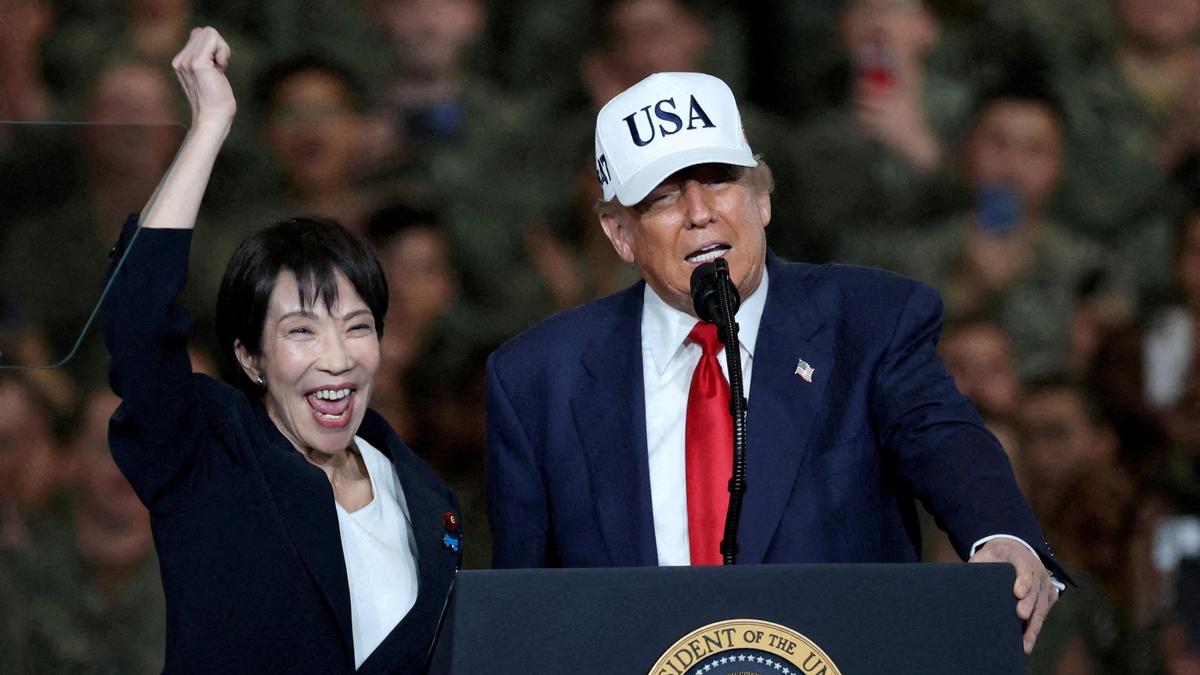
At its core, the unfolding turbulence is about trust. Trade agreements are not mere spreadsheets of tariff lines. They are long-term commitments that shape investment decisions, employment patterns and supply chains.
When legal rulings, executive reinterpretations, or political messaging can abruptly alter agreed terms, businesses hesitate. Investors delay. Workers bear the consequences.
India’s trade strategy must therefore combine ambition with vigilance. It should welcome opportunity but prepare for volatility. It should negotiate boldly but codify carefully.
Trump’s dealings with South Korea, Japan and Taiwan are not isolated episodes. They are signals — signals that America’s trade policy under Trump is personal, flexible and power-driven.
New Delhi must know exactly what it is dealing with.
Because in Trump’s world, the ink on the deal may not be the final word.
With inputs from agencies
Image Source: Multiple agencies
© Copyright 2025. All Rights Reserved. Powered by Vygr Media.