

 By
By 
In a significant political and cultural development ahead of the upcoming Assembly elections, the Union Cabinet has approved a proposal to rename Kerala as “Keralam.” The decision marks the beginning of the constitutional process required to amend the First Schedule of the Constitution of India and formally alter the state’s name.
The announcement was made by Union Minister Ashwini Vaishnaw during a Cabinet briefing on February 24. The move follows a unanimous resolution passed by the Kerala Legislative Assembly in June 2024, urging the Centre to initiate the name change under Article 3 of the Constitution.
With Assembly elections in Kerala expected in April–May 2026, the timing of the decision has drawn considerable attention. However, officials maintain that the proposal reflects a long-standing linguistic and cultural demand rather than a purely political calculation.
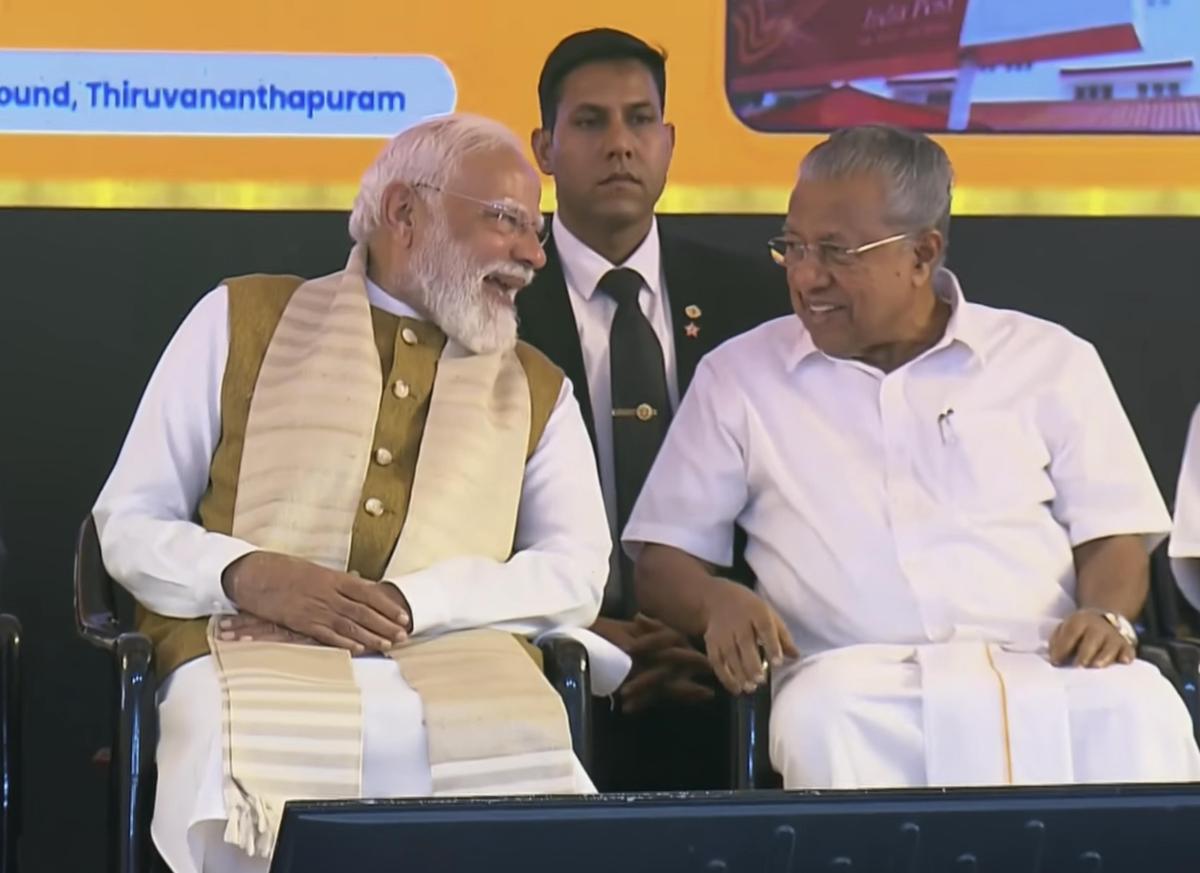
What Happens Next? The Constitutional Process Explained
The Cabinet’s approval is only the first formal step in a multi-stage constitutional procedure.
As per Article 3 of the Constitution of India, Parliament has the power to alter the name of any existing state. However, the process requires specific procedural steps:
-
The President of India must recommend the introduction of a Bill.
-
If the proposal affects the name, area, or boundaries of a state, the President must refer the Bill to the concerned State Legislature for its views.
-
Only after receiving those views—and after the specified time period has expired—can the Bill be introduced in Parliament.
-
Once passed by Parliament and notified, the name change becomes legally effective.
Following the Cabinet’s nod, the President will refer the Kerala (Alteration of Name) Bill, 2026 to the Kerala Legislative Assembly under the proviso to Article 3. After the Assembly expresses its views, the Union government will seek the President’s recommendation to introduce the Bill in Parliament.
Union Minister Vaishnaw clarified that the renaming “will follow the prescribed legal process, requiring approval of the State Legislative Assembly, the Central Government, and Parliament.”

The 2024 Resolution: A Unanimous Appeal
The foundation for the Cabinet’s decision lies in the unanimous resolution passed by the Kerala Assembly on 24 June 2024. The resolution was moved by Chief Minister Pinarayi Vijayan and appealed to the Union government to amend the Constitution under Article 3 to reflect the name “Keralam.”
The resolution stated:
“The name of our State is ‘Keralam’ in Malayalam Language. States were formed on the basis of language on the 1st day of November, 1956. The Kerala Piravi Day is also on the 1st day of November.”
It further noted that since the time of the national independence struggle, there had been a strong demand for the formation of a united Kerala for Malayalam-speaking communities. However, in the First Schedule to the Constitution, the state’s name is recorded as “Kerala.”
The Assembly unanimously appealed to the Centre to take urgent steps under Article 3 to modify the name to “Keralam” and to ensure the change is reflected in all languages listed in the Eighth Schedule of the Constitution.

Why a Second Resolution Was Needed
Interestingly, this was not the first such attempt. The Kerala Assembly had passed a similar unanimous resolution in August 2023. However, the Ministry of Home Affairs returned it after recommending technical revisions.
The earlier resolution sought amendments not only to the First Schedule (which lists states) but also to the Eighth Schedule (which lists official languages). After reviewing the proposal, the Ministry suggested technical modifications, prompting the state government to reintroduce a revised resolution in 2024.
Following the second resolution, the proposal was examined by the Union Ministry of Home Affairs. With the approval of Union Home Minister Shah, a draft Cabinet note was circulated to the Department of Legal Affairs and the Legislative Department under the Ministry of Law and Justice. Both departments concurred with the proposal, paving the way for Cabinet approval.

Linguistic Identity vs Colonial Legacy
The demand to rename Kerala to Keralam is deeply rooted in history and language.
Experts argue that “Kerala” represents an anglicised, colonial-era spelling that became embedded in official records. In contrast, “Keralam” is the authentic pronunciation in Malayalam.
According to historian Shaji A., professor at the University of Kerala, the British often altered spellings of names ending in “m” or “n” to suit their pronunciation. As a result, “Keralam” became “Kerala” in colonial records.
Dr. K.N. Ganesh, associated with the Kerala Council of Historical Research, explained that while the meaning remains unchanged, the shift signifies a move “from British colonial connotation to Malayalam linguistic connotation.”
The term “Keralam” itself is believed to derive from two Malayalam words:
-
“Kera” meaning coconut
-
“Alam” or “Ilam” meaning land or region
Together, the name translates to “land of coconuts,” reflecting the state’s geographical and cultural identity.

Historical Roots: From Keralaputra to Modern Keralam
The origins of the word “Keralam” can be traced back to ancient references. Ashoka’s Rock Edict II mentions “Keralaputra,” linking the region to early historical records. The term is also associated with the Chera dynasty, which ruled parts of southern India in ancient times.
Scholars suggest that “Keralam” may have evolved from “Cheram,” with “alam” denoting land—further reinforcing the region’s historical continuity.
The state itself was formed on 1 November 1956 during the linguistic reorganisation of states. Kerala Piravi Day is celebrated annually on that date, commemorating the formation of a unified Malayalam-speaking state.
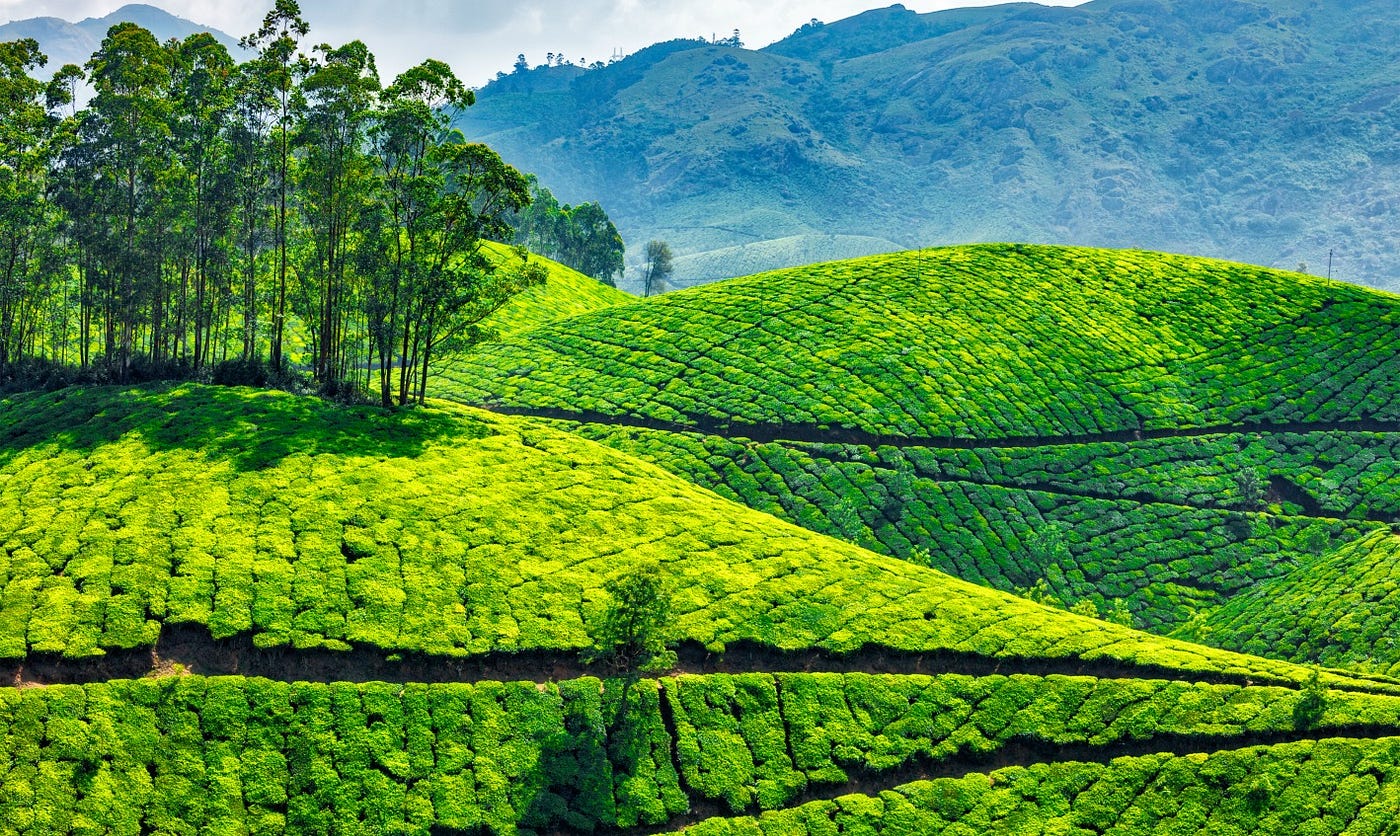
Political Reactions: Broad Support, One Linguistic Query
Political reactions to the proposed name change have largely been supportive across party lines. Major parties including the Communist Party of India (Marxist), Congress, and the Bharatiya Janata Party have endorsed the move.
However, Congress MP Shashi Tharoor injected a note of linguistic humour into the debate. Posting on X, he raised a question about the demonym for residents:
“What happens now to the terms ‘Keralite’ and ‘Keralan’ for the denizens of the new ‘Keralam’? ‘Keralamite’ sounds like a microbe and ‘Keralamian’ like a rare earth mineral…!”
He even suggested that the Chief Minister’s Office might consider launching a competition for new terms, highlighting how language evolves alongside official nomenclature.
A Broader Trend of Renaming in India
Kerala’s proposed renaming aligns with a broader national trend of revisiting anglicised or colonial-era names.
Several states have undergone similar transformations:
-
Uttaranchal was renamed Uttarakhand in 2007.
-
Orissa became Odisha.
-
Mysore was renamed Karnataka in 1973.
Numerous cities have also adopted names reflecting local pronunciation and historical identity:
-
Bangalore became Bengaluru.
-
Madras became Chennai.
-
Mysore became Mysuru.
-
Bijapur became Vijayapura.
-
Allahabad was renamed Prayagraj.
-
Aurangabad became Chhatrapati Sambhaji Nagar.
-
The Mughal Gardens at Rashtrapati Bhavan were renamed Amrit Udyan.
While motivations have varied—from linguistic authenticity to political symbolism—the underlying theme has been reclaiming indigenous identity.
Electoral Timing: Coincidence or Strategy?
The Union Cabinet’s approval comes months before Kerala’s Assembly elections, expected in April or May 2026. Although the demand for renaming predates the election cycle and enjoys bipartisan support, its timing inevitably carries political weight.
The move allows the ruling Left Democratic Front, led by Chief Minister Pinarayi Vijayan, to reinforce its cultural and linguistic positioning ahead of polls. At the same time, the Centre’s approval signals cooperation on a state-driven demand, possibly recalibrating Centre–state dynamics.
Yet, the constitutional process is far from complete. The Bill must still traverse procedural stages before Parliament formally enacts the change.
What the Name Change Ultimately Signifies
At its core, the shift from “Kerala” to “Keralam” is more than a semantic adjustment. It represents:
-
A reaffirmation of linguistic identity.
-
A symbolic departure from colonial spellings.
-
Recognition of historical continuity dating back to ancient references.
-
Alignment of official nomenclature with local usage.
For many Malayalis, the state has always been “Keralam.” The proposed constitutional amendment seeks to bring official records in line with that lived linguistic reality.
As the Kerala (Alteration of Name) Bill, 2026 moves through constitutional channels, the debate it has sparked—about identity, history, language, and politics—reflects the dynamic interplay between tradition and governance in modern India.
If Parliament approves the amendment and it is duly notified, India’s “God’s Own Country” will officially be known as Keralam—an identity rooted as much in its coconuts and coastline as in its centuries-old cultural memory.
With inputs from agencies
Image Source: Multiple agencies
© Copyright 2025. All Rights Reserved. Powered by Vygr Media.