 By
By 
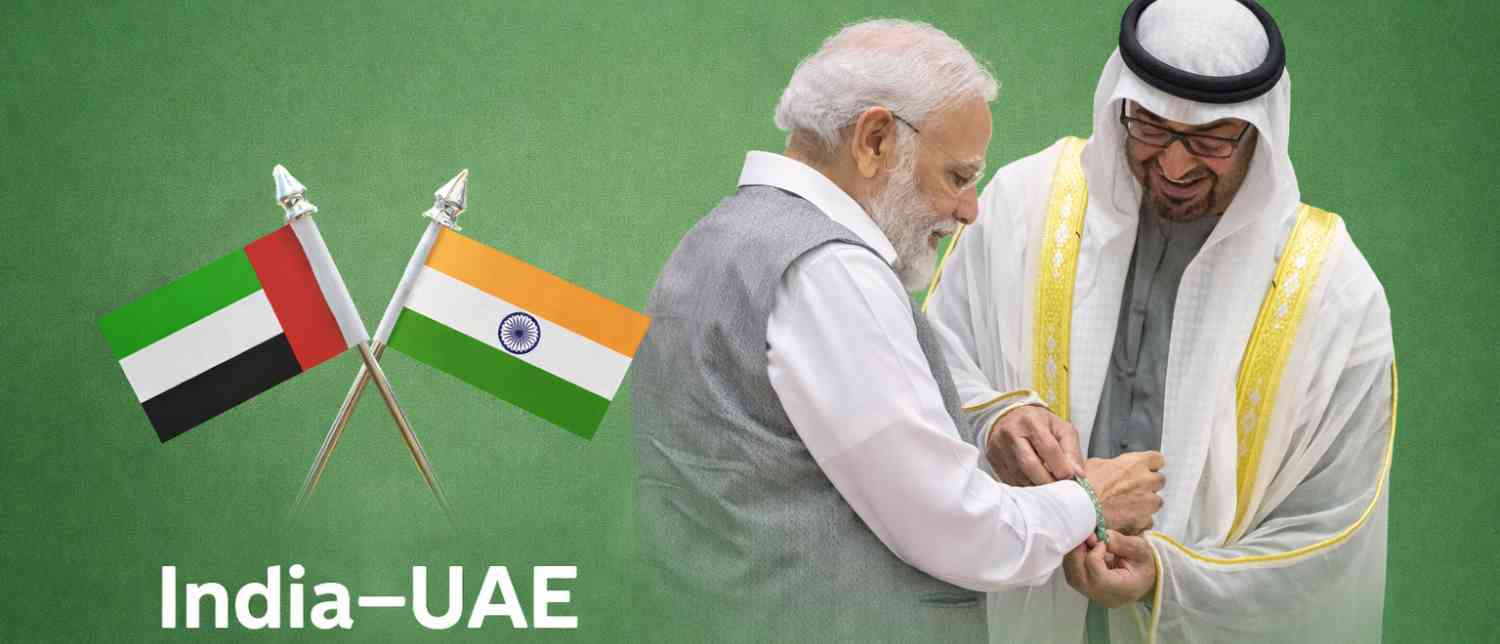
In times of global crisis, diplomatic relationships are tested not through statements but through actions. The recent geopolitical turmoil in West Asia has once again underscored the importance of dependable partnerships. One such partnership—between India and the United Arab Emirates—has demonstrated remarkable resilience and strategic alignment. From shared economic ambitions to coordinated responses during international crises, the relationship has evolved into one of the most consequential bilateral partnerships in the emerging multipolar world.
Recent developments at the United Nations highlight how this partnership operates when it matters most. On March 11, the UN Security Council adopted Resolution 2817, strongly condemning Iran’s attacks on several Gulf nations, including the UAE, Bahrain, Kuwait, Saudi Arabia, Qatar, Oman, and Jordan. The resolution passed with overwhelming support—13 votes in favour and none against—reflecting broad international concern about escalating instability in the region. At a time when tensions in the Gulf threaten global energy markets and regional security, such diplomatic backing signals the international community’s recognition of the seriousness of the crisis.
Yet beyond multilateral diplomacy, the episode also revealed something deeper: the enduring strategic trust between India and the UAE.
A Partnership Rooted in History and Reinvented for the Future
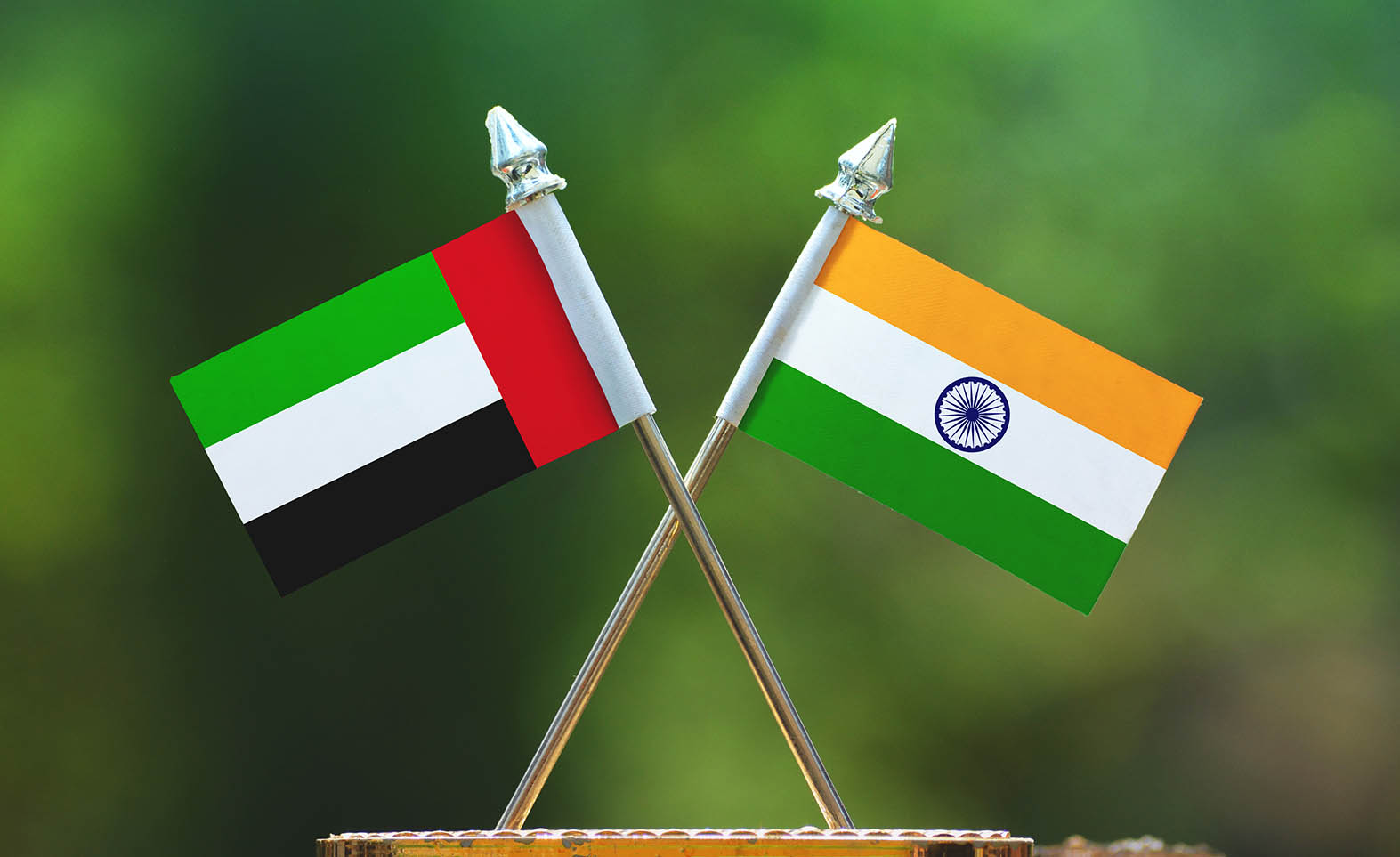
The India–UAE relationship did not emerge overnight. Historical ties between the Indian subcontinent and the Arabian Peninsula date back thousands of years, with maritime trade connecting India’s western coast with Gulf ports. Ancient traders exchanged spices, textiles, and precious stones for pearls and dates, creating cultural and economic linkages that predate modern statehood.
The contemporary phase of the relationship began after the formation of the UAE in 1971 and the establishment of formal diplomatic ties in 1972. For decades, the relationship was largely defined by an “oil-for-labour” dynamic. India relied heavily on Gulf energy imports, while the UAE depended on Indian labour to build its rapidly expanding infrastructure and service sectors.
This pragmatic arrangement laid the foundation for a deeper partnership that would emerge in the 21st century.
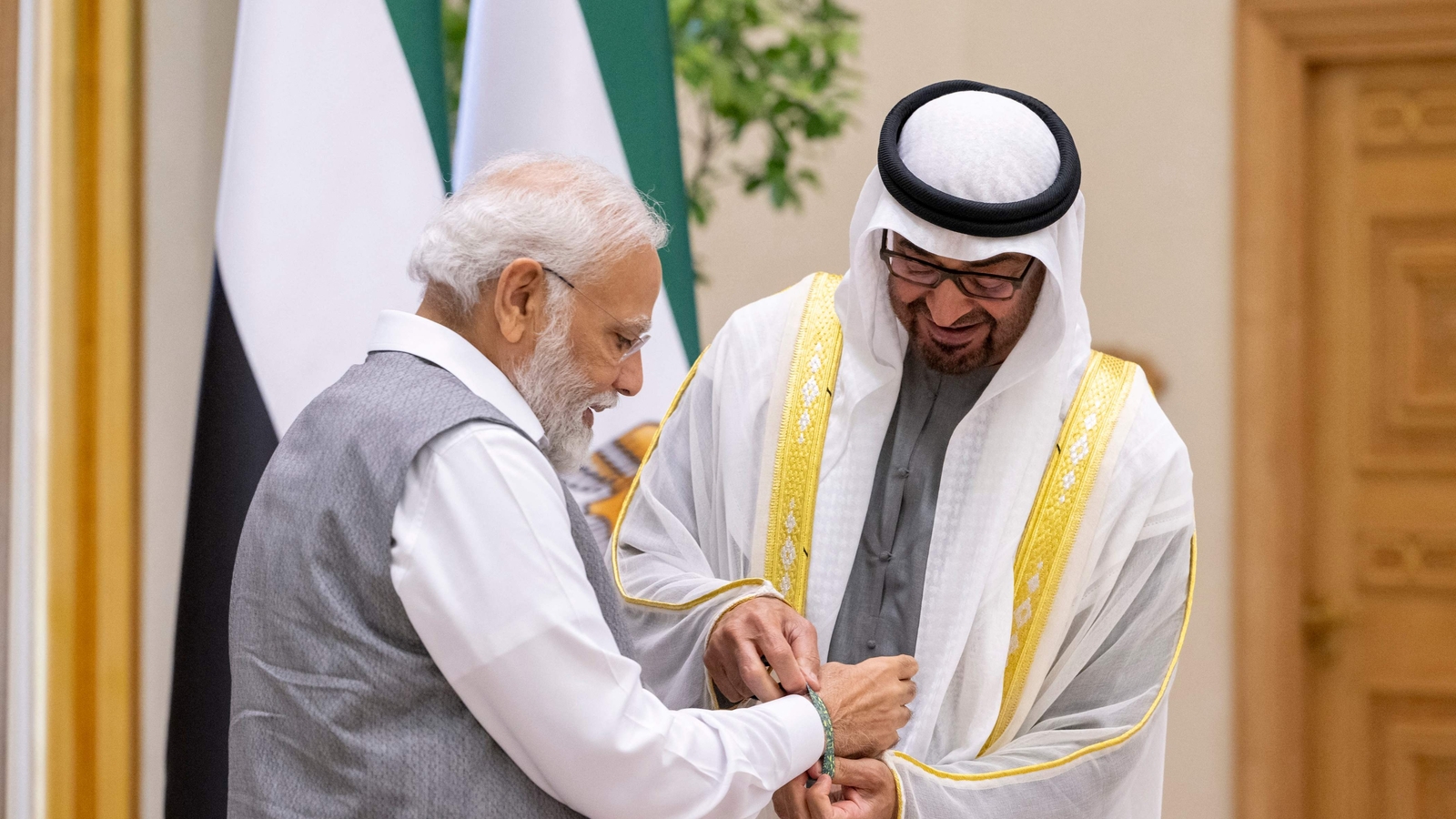
A major turning point came in 2015 when Prime Minister Narendra Modi visited the UAE, marking the first visit by an Indian prime minister in more than three decades. The visit catalysed a transformation of bilateral ties, elevating them to a comprehensive strategic partnership. Since then, cooperation between the two nations has expanded rapidly across economic, security, technological, and cultural domains.
Strategic Cooperation in an Uncertain Region
West Asia remains one of the most geopolitically volatile regions in the world. Conflicts, rivalries, and shifting alliances frequently reshape the regional landscape. Against this backdrop, India and the UAE have increasingly positioned themselves as stabilising partners.
Security cooperation is a key pillar of the relationship. The two countries collaborate on counter-terrorism, intelligence sharing, maritime security, and defence exercises. These efforts aim to safeguard crucial sea lanes and counter extremist threats that affect regional stability.
Joint military activities and defence dialogues have strengthened operational coordination, while intelligence sharing has helped address security threats ranging from terrorism to organised crime. Such cooperation reflects the growing convergence of strategic interests between the two nations.
For India, the UAE provides a stable and influential partner in the Gulf region. For the UAE, India represents a trusted strategic ally capable of contributing to regional stability and economic growth.
Economic Powerhouse: Trade, Investment, and Connectivity
The economic dimension of India–UAE relations is equally significant. The UAE has emerged as one of India’s most important trade partners globally and a major gateway for Indian exports to the Middle East, Africa, and Europe.
Bilateral trade has surged dramatically, reaching around $100 billion in the 2024–25 financial year. The Comprehensive Economic Partnership Agreement (CEPA), signed in 2022, has been instrumental in accelerating trade flows, reducing tariffs, and improving market access for businesses in both countries.
The UAE is also a major investor in India’s infrastructure and technology sectors. Emirati sovereign wealth funds have committed billions of dollars to projects ranging from renewable energy and logistics to digital infrastructure and urban development.
Equally important is the UAE’s role as a logistical hub. Ports such as Jebel Ali serve as major transit points for Indian goods destined for markets across the Middle East and Africa, strengthening India’s integration with global supply chains.
Energy cooperation remains another cornerstone of the partnership. The UAE is a reliable supplier of crude oil and liquefied natural gas to India, helping meet the country’s growing energy demands. Recent agreements have further expanded collaboration in renewable energy and nuclear technologies, reflecting both countries’ ambitions to transition toward sustainable energy systems.
Technology, Space, and the Digital Future
Beyond traditional sectors, India and the UAE are increasingly collaborating in emerging fields such as artificial intelligence, space technology, and digital infrastructure.
Recent agreements between Indian and Emirati institutions include plans for joint space missions, satellite infrastructure development, and cooperation between India’s space regulatory body and the UAE Space Agency. These initiatives highlight the growing technological ambitions of both countries.
Another innovative initiative is the proposal to establish “digital embassies”—secure cross-border data repositories that would store sovereign data under mutually recognised legal frameworks. If implemented successfully, such arrangements could redefine how nations collaborate in the digital era.
In addition, partnerships between India’s advanced computing institutions and Emirati technology companies aim to establish supercomputing infrastructure that supports artificial intelligence research and development.
These initiatives demonstrate how the India–UAE relationship is evolving beyond conventional diplomacy toward a forward-looking technological partnership.
The Human Bridge: Diaspora and Cultural Exchange
One of the most powerful foundations of the India–UAE relationship is the people-to-people connection. The UAE hosts approximately 3.5 million Indians, making it home to the largest Indian expatriate community in the world.
Indian professionals, entrepreneurs, and workers play a crucial role in the UAE’s economy, contributing to sectors ranging from construction and healthcare to technology and finance. At the same time, remittances from the UAE form a vital source of income for millions of families across India.
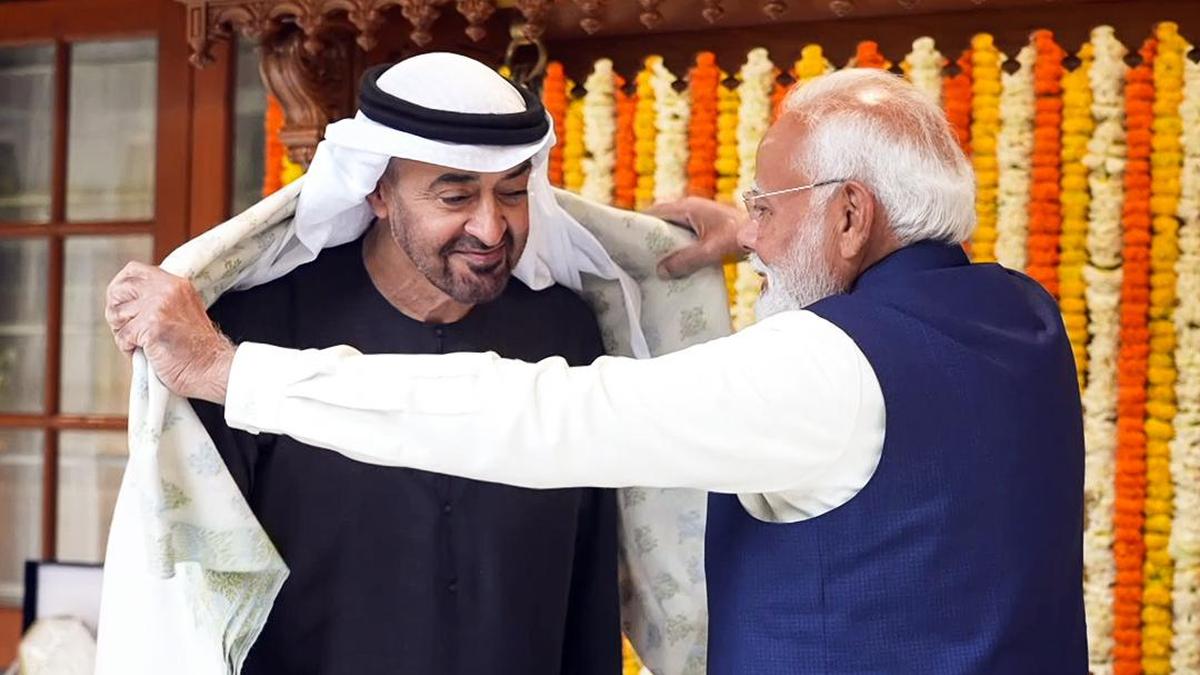
The diaspora has also served as a cultural bridge, strengthening ties between the two societies. Cultural initiatives, including the establishment of Indian cultural centres and the construction of a Hindu temple in Abu Dhabi, symbolise the mutual respect and religious tolerance that underpin the relationship.
The UAE’s openness to multiculturalism has enabled Indian communities to thrive while preserving their cultural heritage.
Geopolitical Importance and Multilateral Engagement
The India–UAE partnership also carries significant geopolitical weight. The UAE plays a central role within the Gulf Cooperation Council and the broader Islamic world, making it an influential partner for India’s engagement in West Asia.
Through partnerships with the UAE, India gains greater diplomatic reach across the Middle East and beyond. The two countries also cooperate within emerging multilateral frameworks such as the I2U2 grouping, which includes India, Israel, the UAE, and the United States. This platform focuses on collaborative investments in sectors like food security, energy, transportation, and technology.
Such initiatives reflect a broader shift toward flexible coalitions that address global challenges through targeted cooperation rather than rigid alliances.
Challenges and the Road Ahead
Despite the remarkable progress, the relationship is not without challenges.
Economic frictions occasionally arise due to non-tariff barriers, regulatory differences, and trade imbalances driven by India’s large imports of oil and gold from the UAE. Additionally, geopolitical complexities require careful diplomatic balancing.
The UAE maintains relations with countries that have tensions with India, including Pakistan and Iran. At the same time, India has its own strategic interests in the region, including energy partnerships with Iran and broader engagement across West Asia.
Managing these overlapping relationships requires nuanced diplomacy and a commitment to strategic autonomy from both sides.
Another important challenge relates to labour policies and visa regulations in the UAE. While the country continues to modernise its labour laws, ensuring fair working conditions and legal protection for Indian workers remains a constant diplomatic priority.
A Partnership That Matters
Despite these challenges, the trajectory of India–UAE relations remains overwhelmingly positive.
What distinguishes this partnership is not merely its economic scale or strategic significance but its adaptability. It has evolved from a transactional relationship based on energy and labour into a comprehensive partnership encompassing technology, security, culture, and diplomacy.
At a time when global politics is increasingly defined by uncertainty, such resilient partnerships are invaluable.
The recent crisis in the Gulf region and the international response to it illustrate a fundamental truth: reliable partners are defined not by rhetoric but by their actions when the stakes are highest.
For India and the UAE, those moments of solidarity have only strengthened a relationship that continues to shape the geopolitical and economic landscape of the 21st century.
With inputs from agencies
Image Source: Multiple agencies
© Copyright 2025. All Rights Reserved. Powered by Vygr Media.