
 By
By 
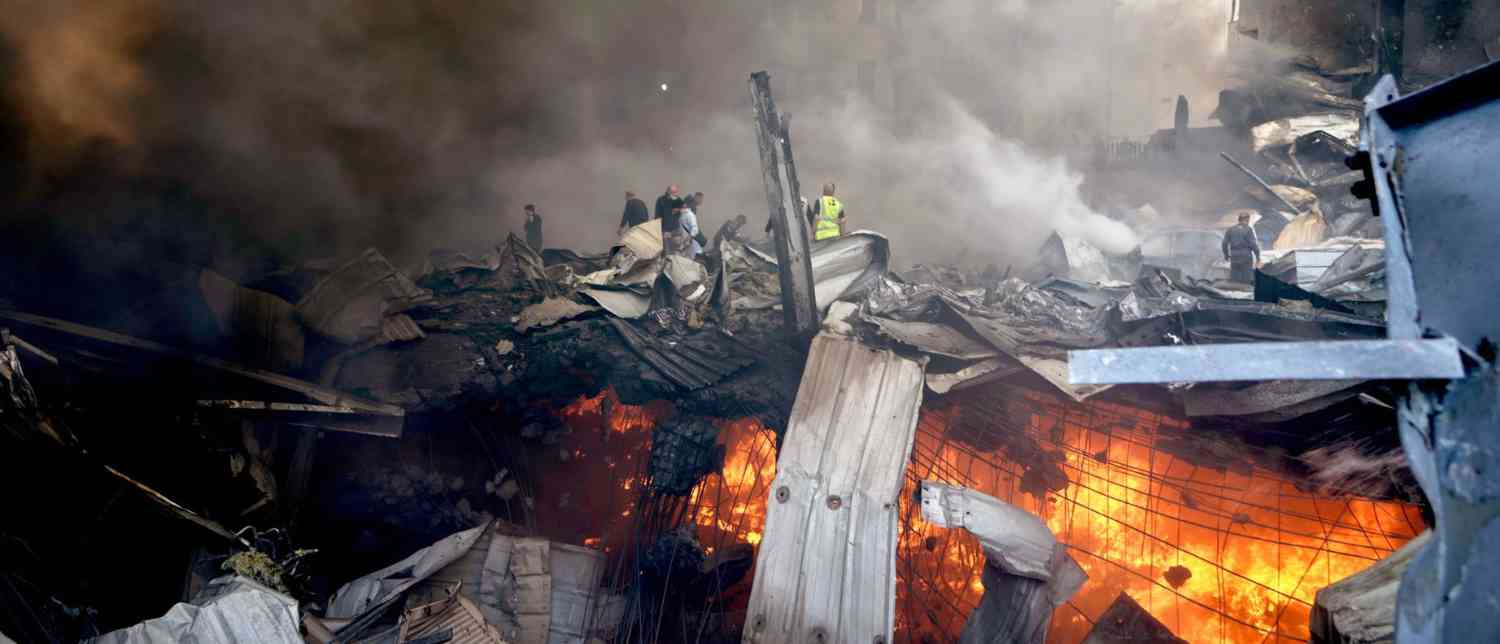
Tensions across the Middle East have surged dramatically after Israel launched what is being described as its largest military strike on Lebanon in recent months, triggering sharp warnings from Iran and placing fragile ceasefire negotiations at risk of collapse.
The escalation comes at a critical moment, as diplomatic efforts reportedly involving the United States had been underway to broker a temporary halt in hostilities between Israel and Iran. Those efforts now appear increasingly uncertain as military actions intensify and rhetoric hardens on all sides.
Israel’s largest strike expands the conflict
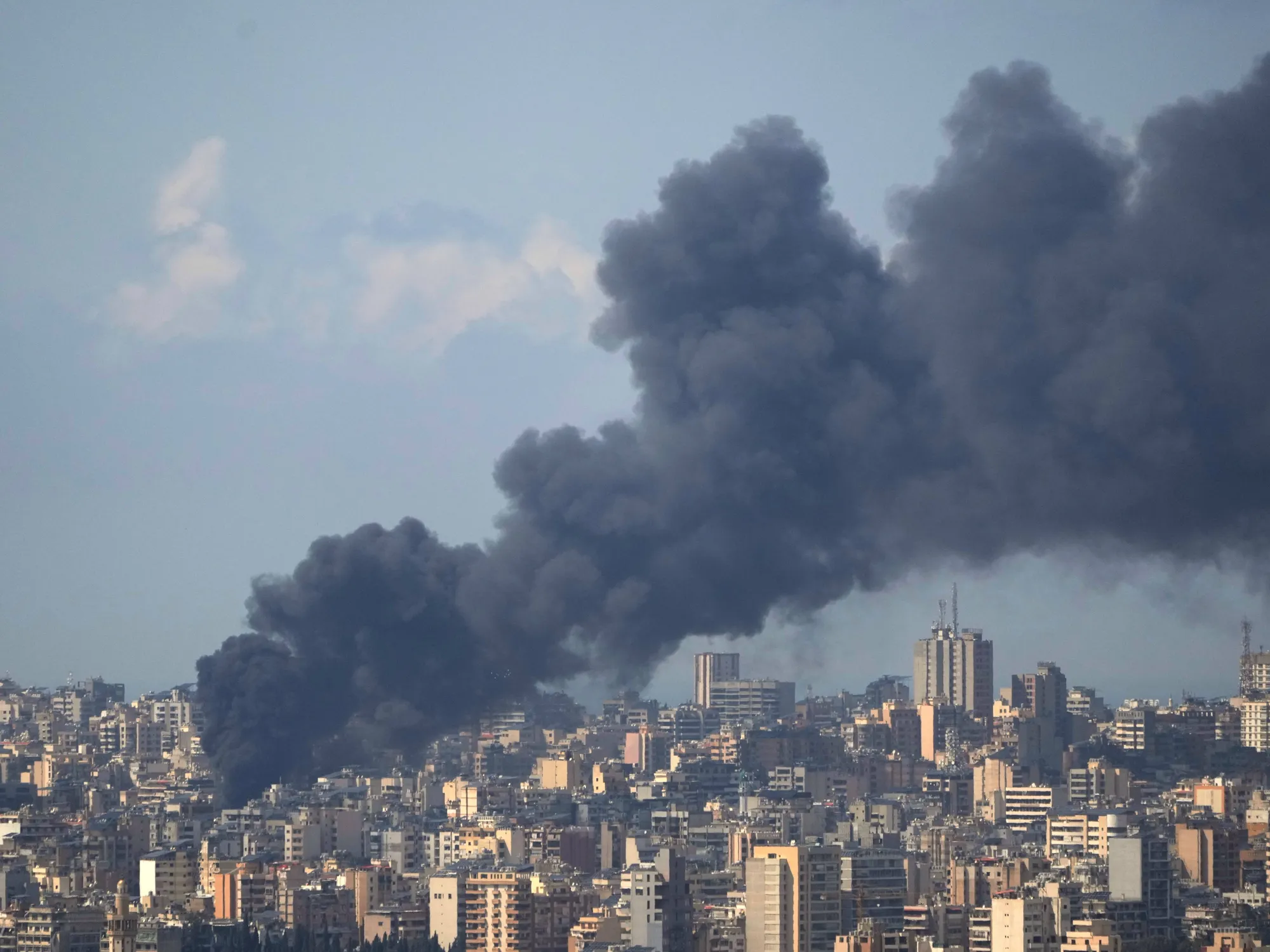
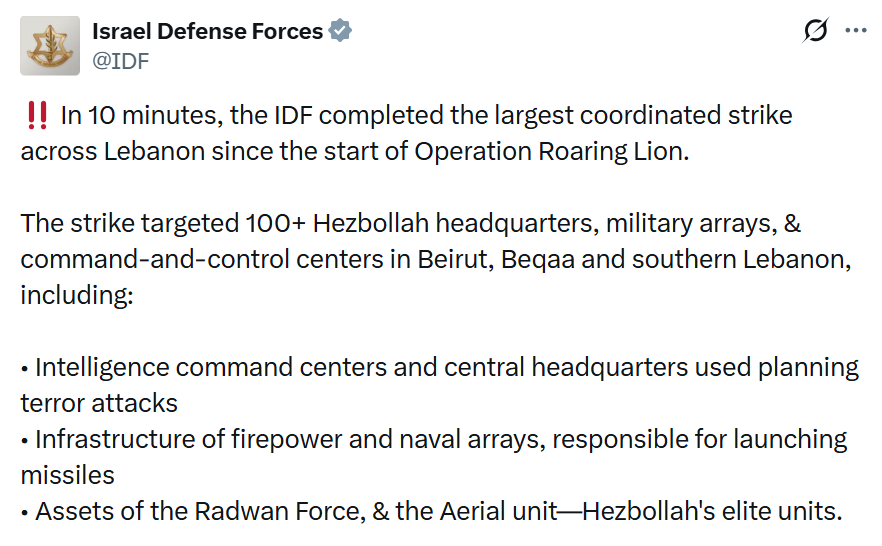
Israeli forces carried out extensive airstrikes across southern Lebanon, targeting what officials described as infrastructure associated with Iran-backed armed groups. The scale and coordination of the strikes mark a significant escalation compared to previous operations, signaling a broader strategic shift.
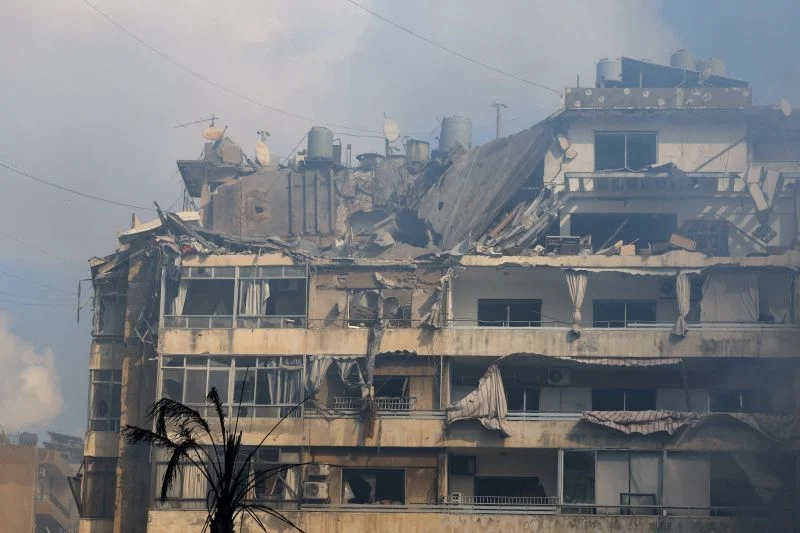
Multiple regions were hit, with reports indicating widespread destruction of buildings and key facilities. Israeli officials framed the operation as a preemptive measure aimed at neutralizing threats along its northern border. However, the magnitude of the assault has raised concerns that it could trigger a wider regional conflict.
Lebanon, already struggling with deep economic and political instability, now faces renewed uncertainty as the conflict threatens to expand further within its territory.
Iran warns of ceasefire collapse
Iran responded swiftly to the Israeli strikes, warning that continued attacks could derail ongoing diplomatic efforts to establish a ceasefire. Tehran has been engaged in indirect talks with Washington, focusing on a proposed two-week pause in hostilities.
Iranian officials made it clear that any ceasefire agreement would require an immediate halt to Israeli operations across all fronts, including Lebanon. They emphasized that continued aggression would render negotiations ineffective and could lead to broader escalation.
The warning highlights the fragile nature of current diplomacy. While Iran has signaled openness to negotiations, it has also indicated that it is prepared to respond if its interests or allies are targeted.
Strait of Hormuz emerges as a critical flashpoint
The crisis has taken on global significance with developments surrounding the Strait of Hormuz, a vital maritime route through which a significant portion of the world’s oil supply passes.
Iran has reportedly taken steps to assert control over the strait and has threatened to restrict shipping in response to Israeli military actions. The move has raised alarm internationally, given the potential impact on global energy markets.
At the same time, Iran has offered conditional guarantees, stating it would allow safe passage through the strait if attacks against it and its allies are halted. This approach reflects a dual strategy—applying pressure while leaving room for diplomatic resolution.
The United States, which maintains a strong naval presence in the region, is closely monitoring the situation. Any attempt to fully close the strait could provoke a direct military response, significantly escalating the crisis.
US involvement and Trump’s re-entry into the debate
Amid the escalating tensions, Donald Trump has weighed in on the situation, adding another layer to an already complex geopolitical landscape.
Although no longer in office, Trump’s previous policies toward Iran—including the withdrawal from the nuclear agreement and the imposition of sanctions—continue to influence the current environment. His recent remarks underscore the ongoing political divisions within the United States regarding how to handle Iran.
Washington is playing a central role in efforts to mediate the crisis, attempting to balance its support for Israel with the need to prevent a broader regional war. Diplomatic channels remain active, though progress appears increasingly fragile.
A fragile ceasefire proposal under pressure
At the center of current negotiations is a proposed two-week ceasefire between Israel and Iran. The plan is intended as a temporary measure to halt hostilities and create space for broader discussions.
A key element of the proposal involves Iran ensuring safe passage through the Strait of Hormuz during the ceasefire period, helping stabilize global markets and reduce immediate economic risks.
However, the viability of the proposal is now in doubt. Israel’s continued military operations, particularly in Lebanon, complicate efforts to reach an agreement. Iran has insisted that any ceasefire must apply across all fronts and include its regional allies.
This position presents a significant challenge, as Israel maintains that its actions are necessary for national security and has not indicated a willingness to suspend operations without firm guarantees.
Rising global and regional stakes
The implications of the escalating conflict extend far beyond the immediate region. Any disruption in the Strait of Hormuz could have severe consequences for global energy supplies, potentially driving up oil prices and affecting economies worldwide.
At the same time, the risk of a broader military confrontation involving multiple countries remains a major concern. The presence of armed groups, overlapping alliances, and competing strategic interests creates a highly volatile environment.
Lebanon, once again at the center of regional tensions, faces the prospect of further instability as the conflict intensifies.
A critical moment for diplomacy
As diplomatic efforts continue, the coming days are likely to be decisive. The actions of Israel, Iran, and the United States will play a crucial role in determining whether the situation moves toward de-escalation or further conflict.
The large-scale Israeli strike on Lebanon has altered the dynamics significantly, while Iran’s warnings and strategic responses have increased the stakes.
The proposed ceasefire represents a narrow window of opportunity. However, with trust in short supply and military activity continuing, that window may close quickly if concrete steps toward de-escalation are not taken.
With inputs from agencies
Image Source: Multiple agencies
© Copyright 2025. All Rights Reserved. Powered by Vygr Media.