
 By
By 
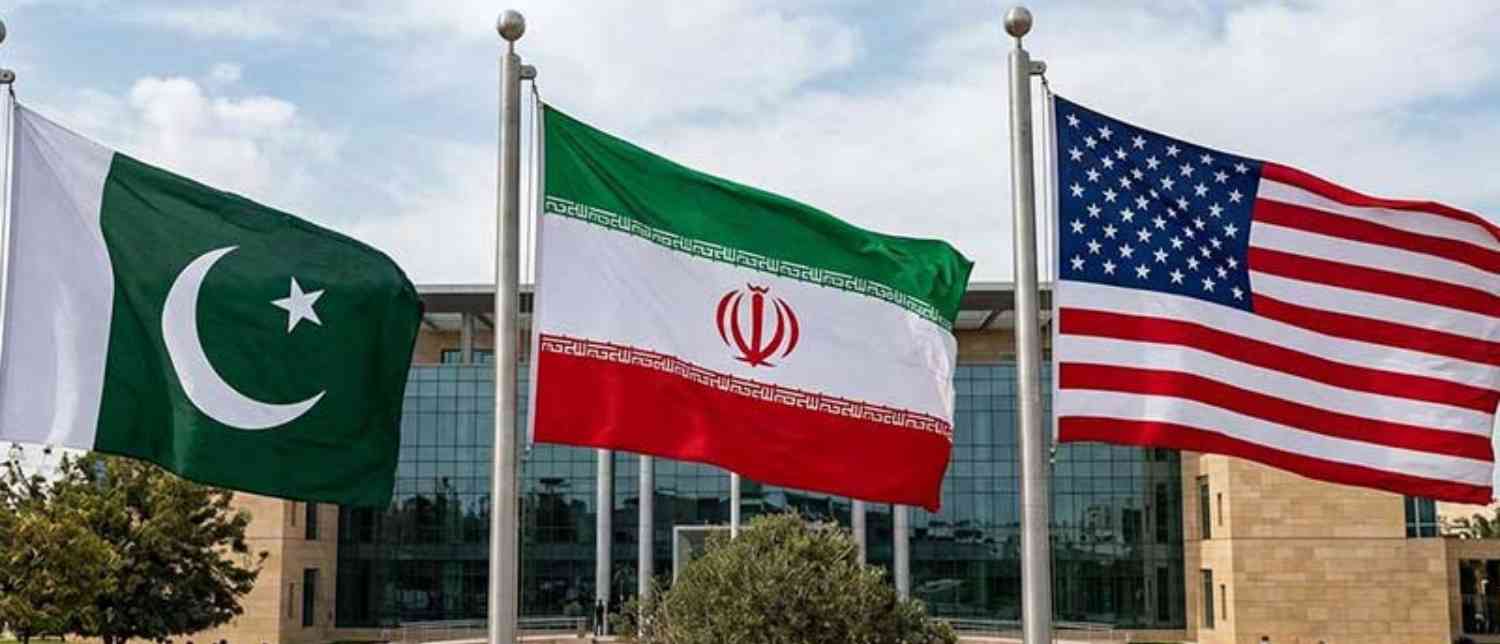
In the fractured geopolitics of 2026, where war drums echoed across West Asia and the Strait of Hormuz became a chokehold on the global economy, an unlikely actor stepped into the role of peacemaker. Pakistan long perceived as a peripheral or even problematic player in global diplomacy suddenly found itself at the center of one of the most delicate negotiations of the decade: brokering a ceasefire between the United States and Iran.
This was no routine diplomatic intervention. It was a high-stakes gamble shaped by economic necessity, strategic positioning, military leverage, and a carefully cultivated network of trust that few nations could replicate.
The Anatomy of Trust: Why Washington and Tehran Turned to Pakistan
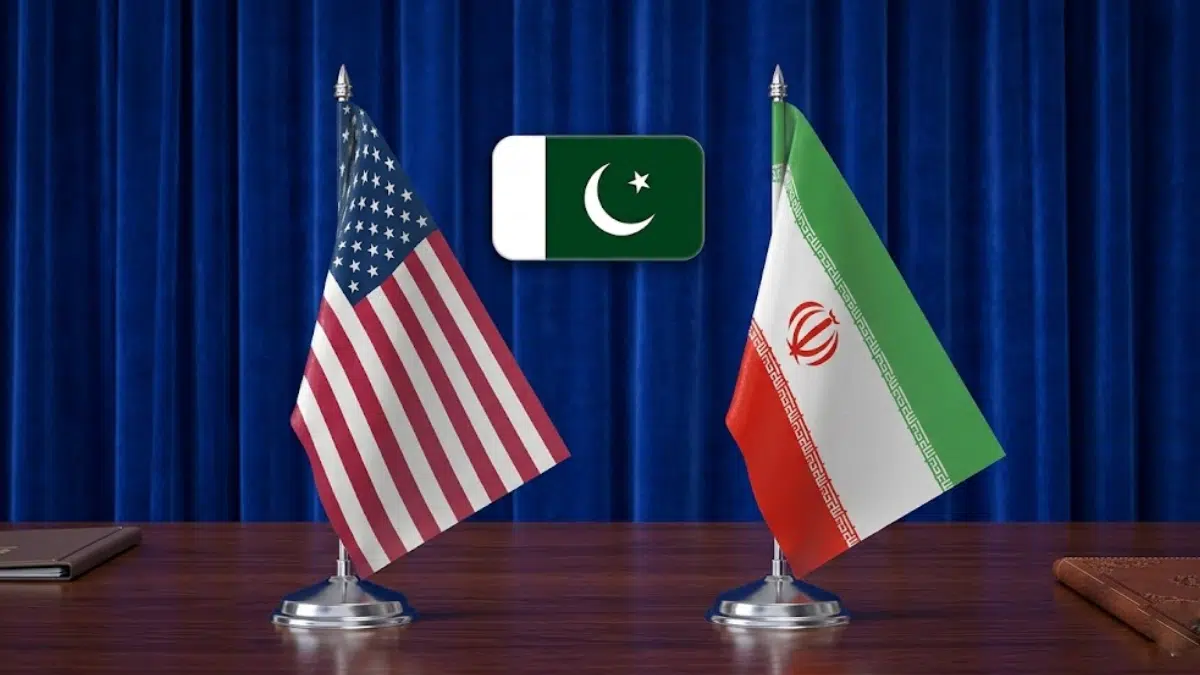
At the heart of Pakistan’s success was a rare commodity in modern geopolitics credibility with both sides of a deeply hostile divide.
For Washington, relations with Islamabad had seen a notable thaw. Pakistan had re-engaged with the U.S. on multiple fronts, including counterterrorism cooperation and broader geopolitical alignment. Crucially, Pakistan’s Army Chief, Field Marshal Asim Munir, emerged as a central figure in this recalibration. His personal rapport with U.S. leadership, including direct access to decision-makers, gave Islamabad a unique diplomatic channel. Reports even suggest that Munir’s connections within both U.S. and Iranian defense establishments provided an unusual bridge of communication at a time when official channels were either frozen or ineffective.
Tehran, on the other hand, viewed Pakistan differently not as an adversary, but as a neighbor with shared interests and a history of cautious engagement. Pakistan’s geographic proximity, a 900-kilometer border, and its consistent messaging of neutrality in the conflict helped build trust. Unlike Western intermediaries, Islamabad was not perceived as ideologically aligned against Iran.
Equally important was Pakistan’s ability to speak to the broader region. Its strong ties with Gulf states, including Saudi Arabia, allowed it to bring multiple stakeholders into a fragile consensus.
Mediation Driven by Self-Interest, Not Altruism
While Pakistan’s diplomatic achievement has been widely praised, it would be naive to interpret it as purely altruistic.
The war was hitting Pakistan where it hurt the most its economy. The closure of the Strait of Hormuz, even temporarily, sent global oil prices soaring. For a country heavily dependent on energy imports from the Middle East, this translated into immediate fiscal pressure. Fuel price hikes at home risked triggering public unrest and further destabilizing an already fragile economy.
Moreover, millions of Pakistani workers in Gulf countries form the backbone of the nation’s remittance economy. A prolonged regional conflict threatened not just energy security but also livelihoods and foreign exchange inflows.
Add to this Pakistan’s internal challenges economic distress, tensions with neighboring Afghanistan, and a perpetually strained relationship with India and the urgency becomes clear. Islamabad could ill afford another destabilized neighbor.
In this light, mediation was less a diplomatic luxury and more a strategic necessity.
The Mechanics of the Ceasefire: A Fragile Breakthrough
The ceasefire itself, agreed upon in early April 2026, was both modest in scope and monumental in implication. It was a two-week truce temporary, conditional, and fragile. Yet, in a conflict that threatened to spiral into a regional catastrophe, even a pause was significant.
Pakistan’s proposal reportedly followed a phased approach: first, an immediate cessation of hostilities; second, a structured negotiation process aimed at a broader settlement, potentially including a nuclear agreement.
A key component was the reopening of the Strait of Hormuz, a critical artery for global oil supply. Iran’s willingness to ensure maritime access was a major concession, while the United States signaled openness to negotiation, including discussions around sanctions and regional security frameworks.
Behind the scenes, the diplomacy was anything but smooth. Negotiations reportedly came close to collapse multiple times, requiring last-minute interventions by Pakistani officials. Islamabad worked tirelessly, engaging Washington, Tehran, and regional actors simultaneously, often through backchannel communications that stretched through the night.
The result was not peace, but a pause a narrow window to prevent escalation.
The Strategic Tightrope: Balancing Allies and Adversaries
Pakistan’s mediation effort was complicated by its own geopolitical entanglements.
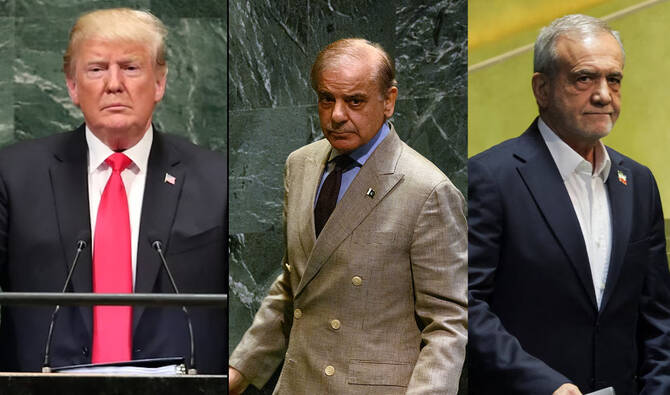
On one side, it maintains a strategic defense relationship with Saudi Arabia, a key U.S. ally and a regional rival of Iran. On the other, it shares deep cultural, economic, and geographic ties with Tehran. Navigating this duality required a delicate balancing act.
Islamabad’s approach often described as “limited alignment without military entanglement” allowed it to engage all sides without committing fully to any. It condemned attacks from both the U.S.-Israel axis and Iran, while simultaneously reassuring each party of its neutrality.
This balancing act extended to global powers as well. Pakistan leveraged its relationship with China, which has significant economic stakes in the region. Beijing’s involvement reportedly helped provide Iran with security assurances, nudging it toward the negotiating table.
In effect, Pakistan positioned itself as a connector linking not just Washington and Tehran, but a wider network of regional and global stakeholders.
A Diplomatic Reinvention or a Temporary Illusion?
Pakistan’s role in brokering the ceasefire has been hailed as a “remarkable makeover” in its international standing. From being viewed as a diplomatic outlier, it has re-emerged as a credible mediator in one of the world’s most volatile conflicts.
This transformation did not happen overnight. It was the result of sustained efforts to rebuild trust with the United States, deepen ties with China, and maintain working relationships across the Middle East. High-level engagements, strategic cooperation, and a visible willingness to act as a responsible stakeholder all contributed to this shift.
Yet, the question remains: is this a lasting change or a fleeting moment?
The ceasefire itself is precarious. Key issues remain unresolved Iran’s nuclear ambitions, U.S. sanctions, regional proxy conflicts, and control over strategic waterways. Any misstep could unravel the fragile agreement.
Moreover, Pakistan’s own vulnerabilities persist. Economic instability, internal security challenges, and political uncertainties could limit its ability to sustain this newfound diplomatic momentum.
The Risks Beneath the Success
There is also a darker undercurrent to Pakistan’s mediation narrative. Allegations of opaque dealings involving key figures, including Asim Munir, have raised questions about the transparency of its diplomatic initiatives. While these claims remain contested, they underscore the complexities of power, influence, and accountability in high-stakes diplomacy.
Additionally, not all regional actors are fully aligned with the ceasefire. Israel, for instance, has signaled that its broader strategic objectives remain unchanged, viewing the truce as a pause rather than a resolution.
Such divergences highlight the limits of Pakistan’s influence. Mediation can bring parties to the table, but it cannot guarantee their long-term commitment.
A Moment That Redefines Possibility
Despite its fragility, the ceasefire represents something more profound than a temporary halt in hostilities. It challenges entrenched assumptions about who can mediate global conflicts.
Pakistan’s success lies not just in what it achieved, but in how it achieved it by leveraging relationships across divides, aligning its national interests with global stability, and stepping into a role that few expected it to play.
In a world increasingly defined by polarization, this episode offers a reminder that diplomacy often emerges from unexpected quarters. It is shaped not just by power, but by positioning, perception, and the ability to navigate complexity.
The road ahead remains uncertain. The ceasefire could collapse, negotiations could stall, and old hostilities could resurface. But for now, Pakistan has carved out a rare moment of relevance one that may well redefine its place in the global order.
And in doing so, it has demonstrated that even in the most entrenched conflicts, there is always space however narrow for dialogue, disruption, and diplomacy.
With inputs from agencies
Image Source: Multiple agencies
© Copyright 2025. All Rights Reserved. Powered by Vygr Media.