 By
By 
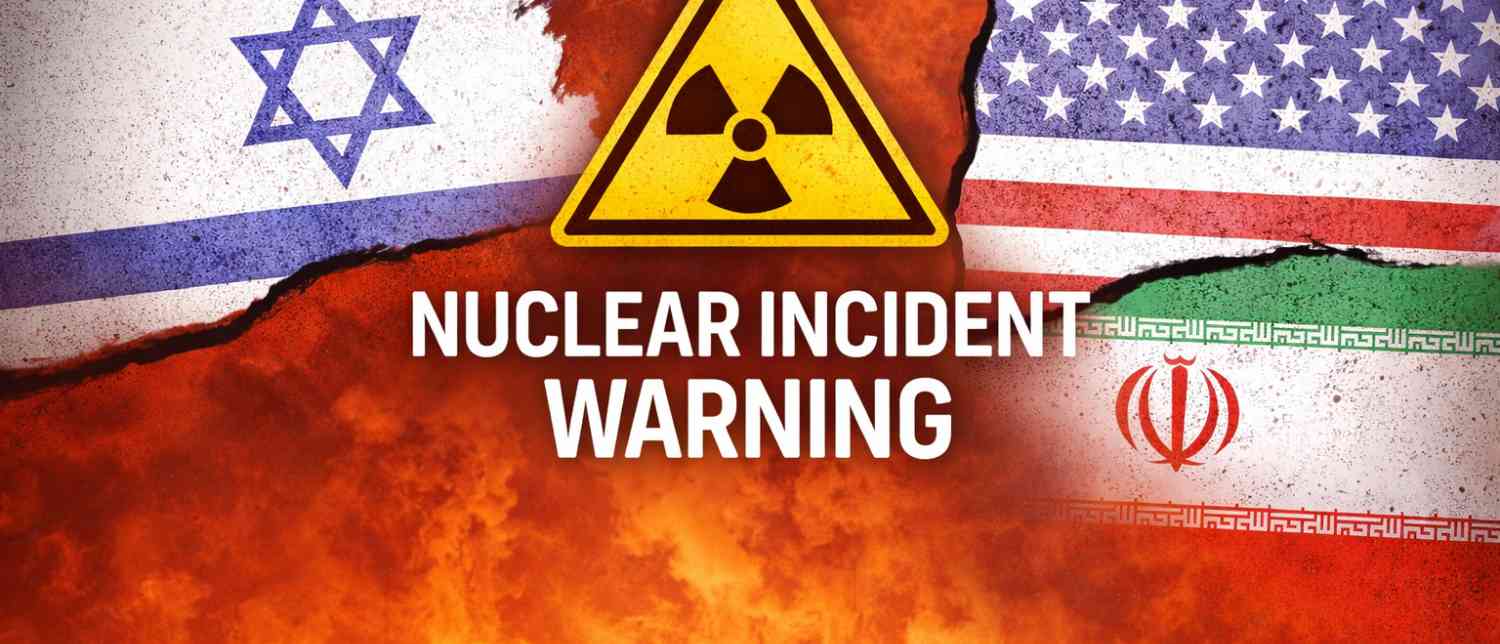
The intensifying conflict involving the United States, Israel, and Iran has prompted the World Health Organization (WHO) to prepare for what it describes as a potential “worst-case scenario” — a nuclear or radiological incident in the Middle East. As airstrikes increasingly target sensitive infrastructure, including areas near nuclear facilities, global health authorities are sounding the alarm over catastrophic humanitarian and environmental consequences.
Rising Fears of a Nuclear Incident
Senior WHO officials have confirmed that contingency planning is underway amid fears that ongoing military escalation could trigger a nuclear emergency. Dr. Hanan Balkhy, WHO Regional Director for the Eastern Mediterranean, warned that the organization is actively preparing for scenarios involving attacks on nuclear facilities or the accidental release of radioactive materials.
According to multiple reports, WHO has been conducting risk assessments and developing response protocols for such catastrophic events. Preparations include the stockpiling and distribution of critical medical supplies such as potassium iodide, which helps protect the thyroid gland from radioactive exposure, and training healthcare workers across the region to respond to nuclear and chemical emergencies.
The urgency stems from the increasing proximity of military strikes to nuclear infrastructure. Recent incidents have seen projectiles landing dangerously close to Iran’s Bushehr nuclear power plant, heightening fears of a potential disaster. While no damage or radiation leaks have been reported so far, experts warn that even a minor miscalculation could have devastating cross-border consequences.
WHO’s Emergency Health Preparedness Measures
The WHO has outlined extensive preparedness efforts aimed at mitigating the health impact of a potential nuclear incident. These include:
-
Pre-positioning emergency medical supplies across Middle Eastern countries
-
Training healthcare professionals in radiation exposure management
-
Strengthening surveillance systems to detect and respond to radiological threats
-
Coordinating with international agencies for rapid response deployment
The organization has also emphasized the importance of readiness in neighboring countries, which could be affected by fallout in the event of a nuclear accident or attack.
In addition to nuclear preparedness, WHO continues to monitor broader health impacts arising from the conflict. The agency reports increasing strain on healthcare systems, particularly in conflict zones where hospitals have been damaged or overwhelmed.
Escalating Conflict and Threats to Nuclear Facilities
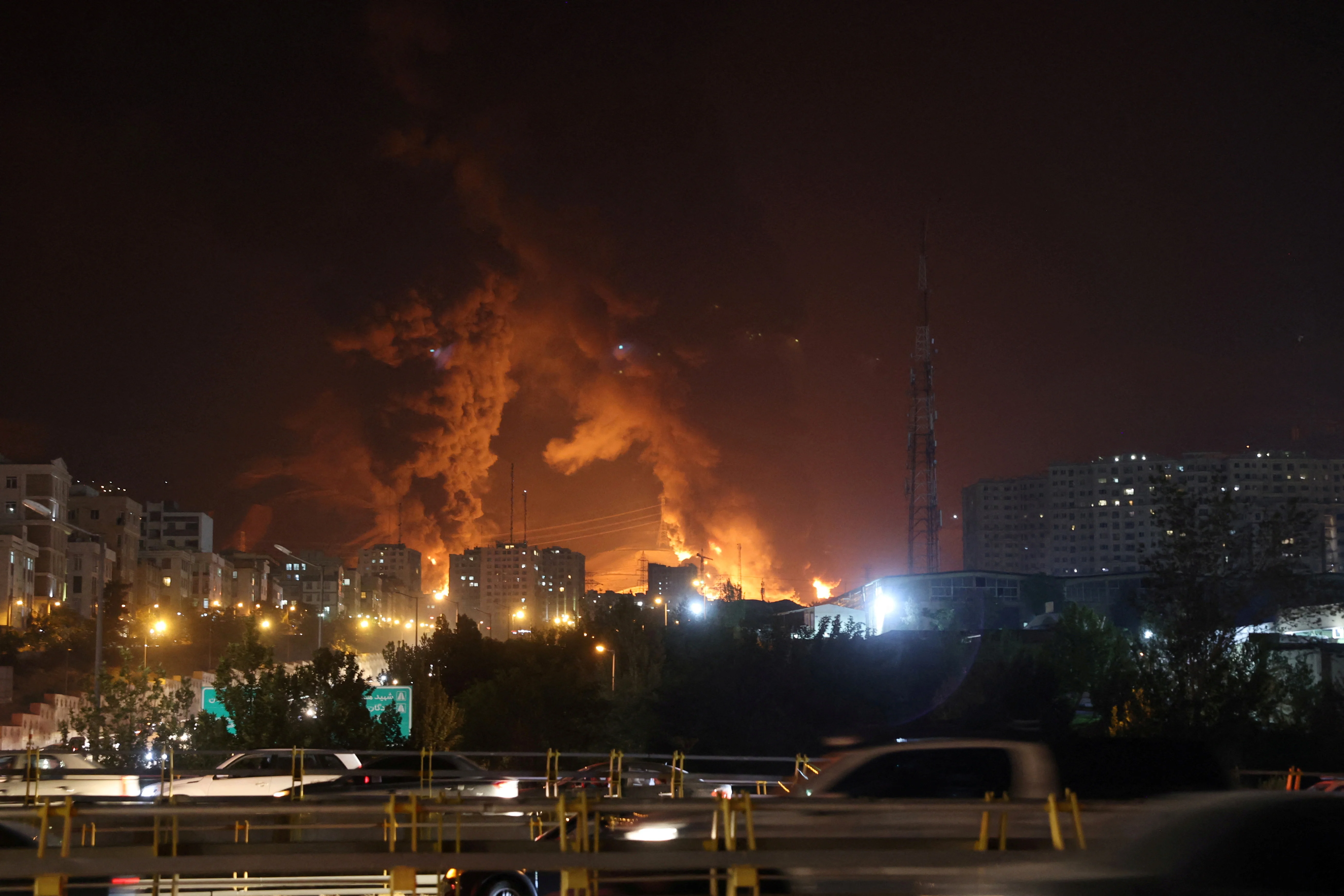
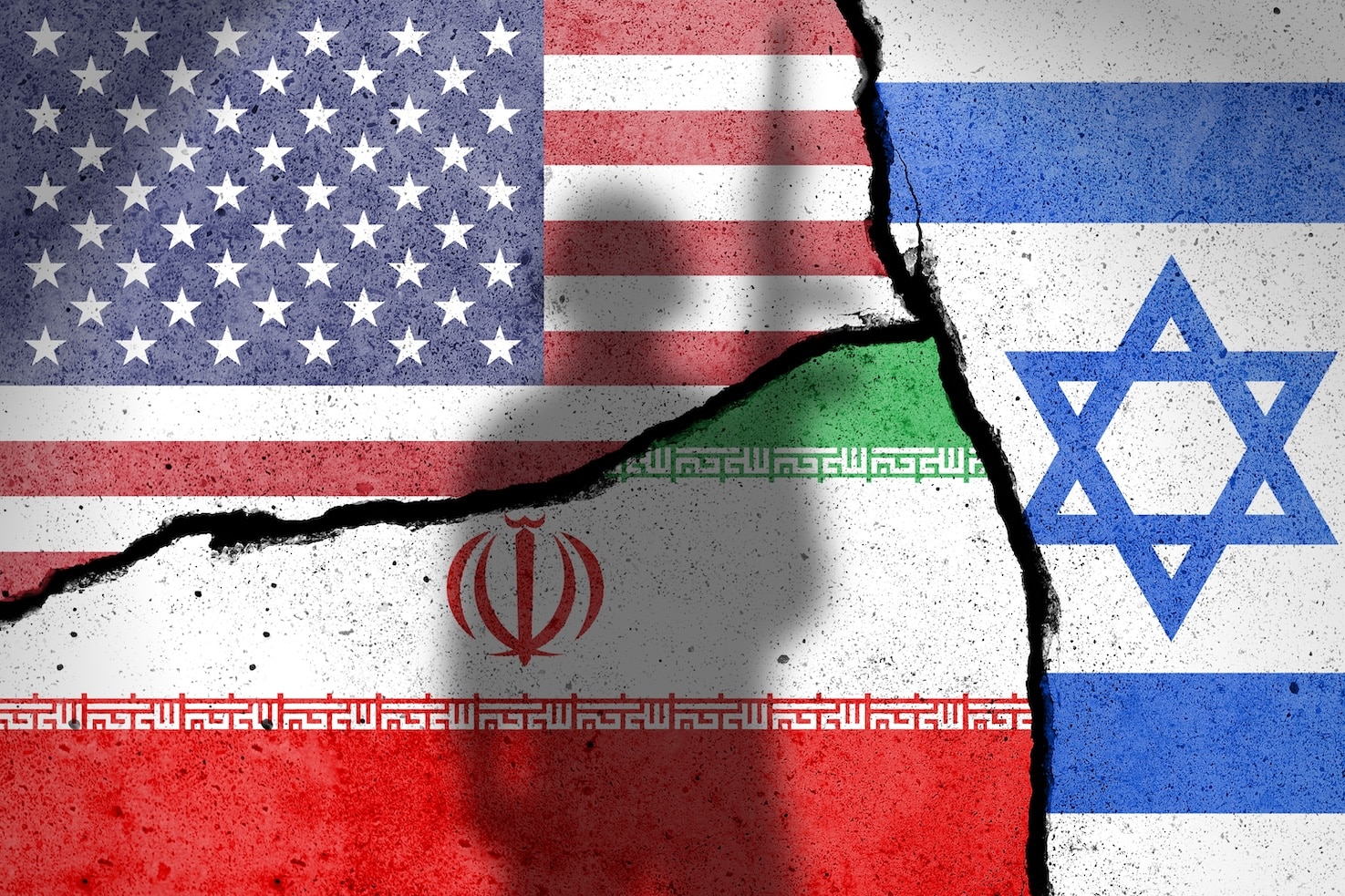
The WHO’s warning comes amid a sharp escalation in hostilities. Israeli and US forces have carried out coordinated strikes targeting Iran’s military and nuclear-related infrastructure, while Iran has retaliated with missile and drone attacks across the region.
Strikes have reportedly occurred near key nuclear sites, including the Bushehr facility. Although international monitors, including the International Atomic Energy Agency (IAEA), have confirmed that radiation levels remain normal, the risk of future incidents remains high.
Military analysts note that nuclear facilities are particularly vulnerable in conflict scenarios. Damage to reactors, enrichment plants, or storage sites could lead to the release of radioactive materials, contaminating air, water, and soil across vast regions.
Potential Health Consequences of a Nuclear Event
WHO officials warn that the health consequences of a nuclear or radiological incident would be severe and long-lasting. Immediate effects could include:
-
Acute radiation sickness
-
Burns and traumatic injuries from explosions
-
Overwhelming demand on already strained healthcare systems
Long-term impacts could involve increased cancer rates, genetic damage, and environmental contamination affecting food and water supplies.
The WHO has stressed that such an event would not be contained within national borders. Radioactive fallout could spread across multiple countries, creating a regional or even global health crisis.
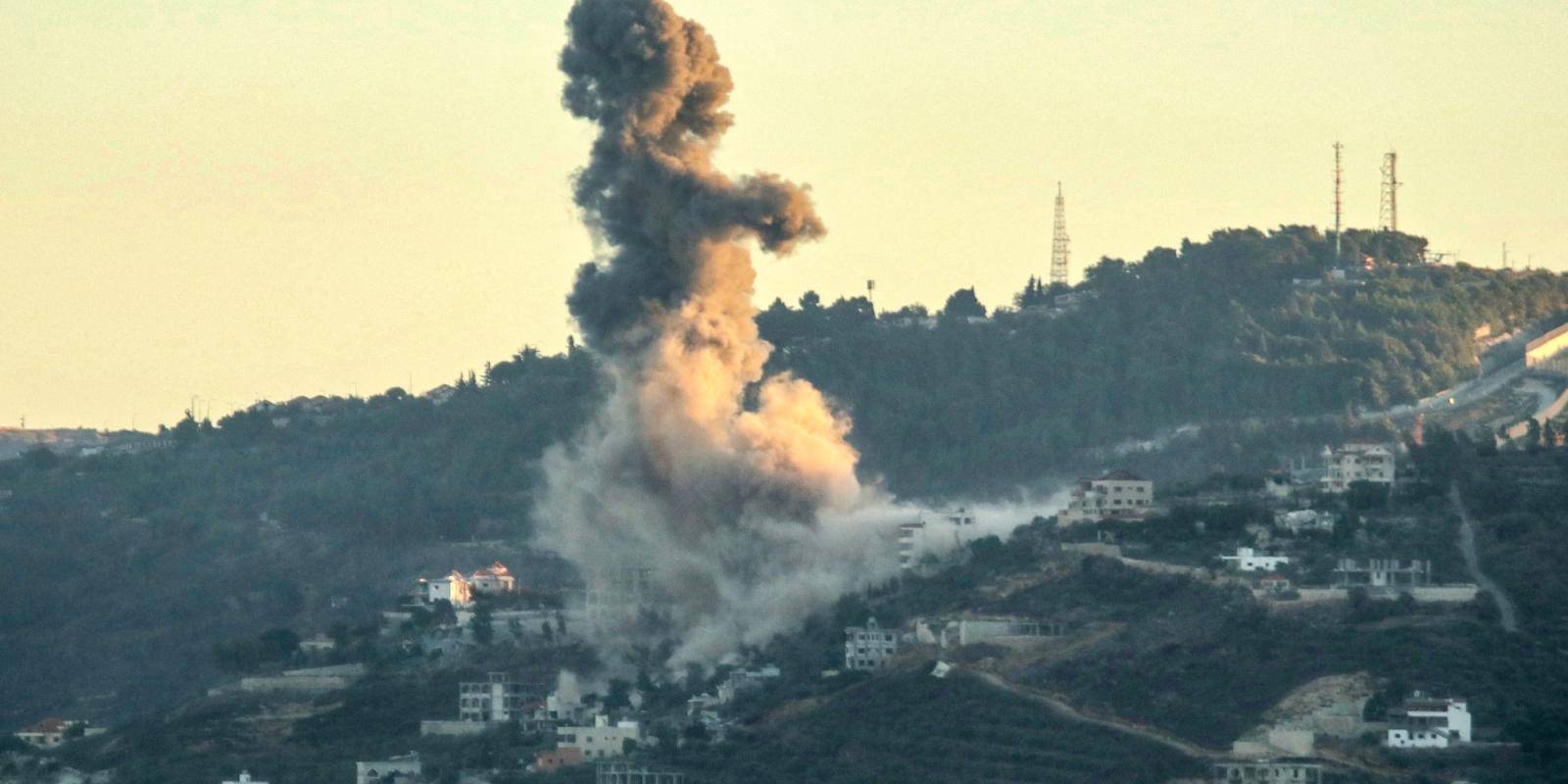
Broader Humanitarian Crisis Deepens
Beyond the nuclear threat, the ongoing conflict is already causing widespread humanitarian suffering. WHO reports highlight:
-
Rising civilian casualties across Iran, Israel, and neighboring regions
-
Damage to critical infrastructure, including hospitals and water systems
-
Mass displacement of populations, particularly in heavily bombarded areas
Healthcare systems in affected regions are struggling to cope with the influx of injured civilians while dealing with shortages of medicines, equipment, and personnel.
The disruption of essential services, including electricity and clean water, has further compounded public health risks, increasing the likelihood of disease outbreaks.
International Concern and Calls for Restraint
Global leaders and international organizations have expressed growing concern over the trajectory of the conflict. The proximity of military operations to nuclear facilities has been widely condemned as reckless and dangerous.
Experts warn that even without a direct strike on a nuclear reactor, indirect damage — such as power outages affecting cooling systems — could trigger a crisis similar to past nuclear accidents.
WHO has called for immediate de-escalation and urged all parties to respect international humanitarian law, particularly the protection of civilian infrastructure and healthcare facilities.
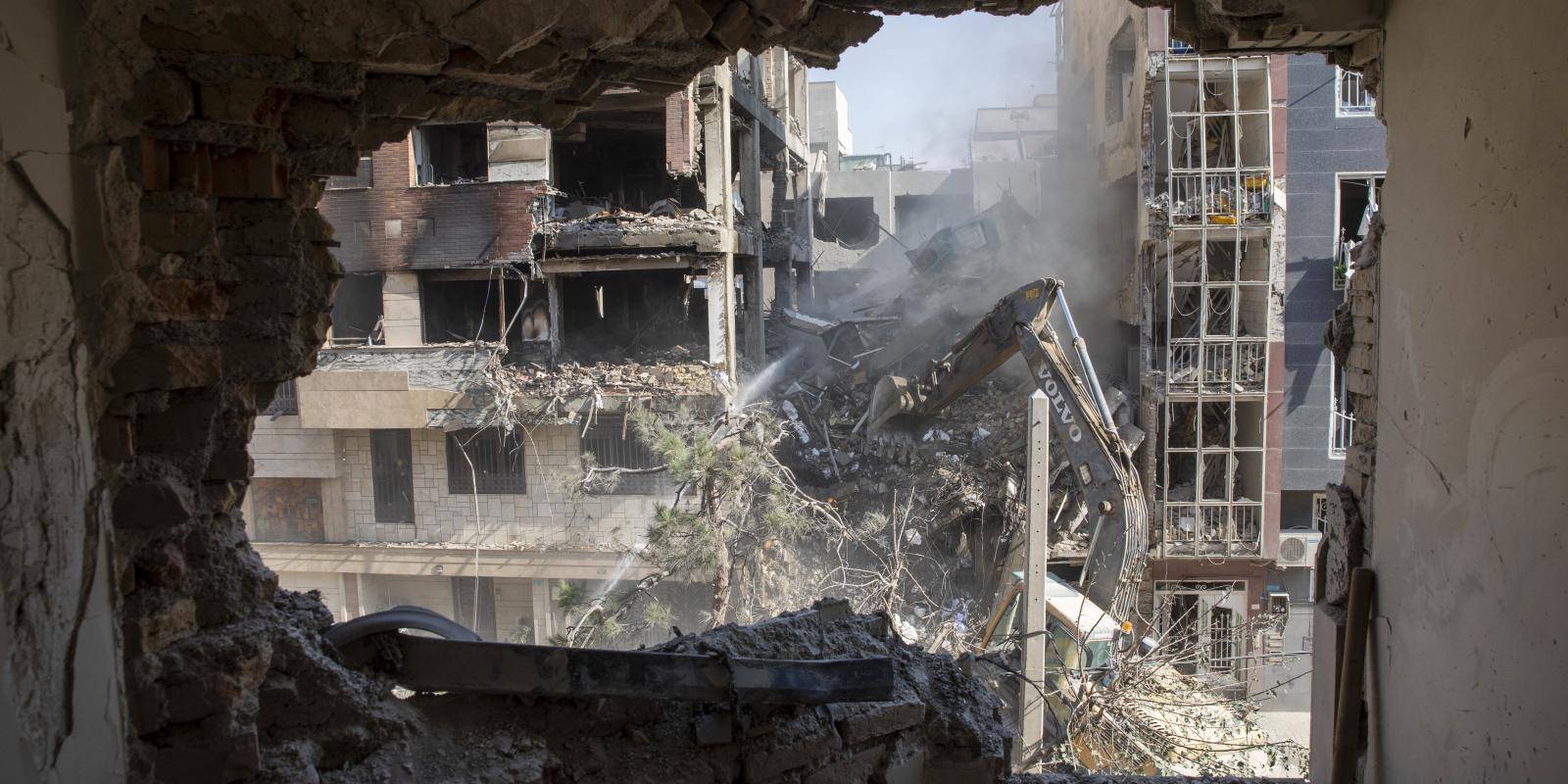
A Region on the Brink
The Middle East now faces a precarious moment, with the risk of escalation extending beyond conventional warfare into the realm of nuclear catastrophe. WHO’s preparations underscore the seriousness of the threat and the potentially irreversible consequences of further escalation.
While no nuclear incident has occurred yet, the combination of active conflict, targeted strikes near nuclear sites, and rising geopolitical tensions creates a volatile environment where the margin for error is dangerously thin.
Final Thoughts
The WHO’s warning about a possible nuclear incident in the Middle East serves as a stark reminder of the stakes involved in the ongoing US-Israel–Iran conflict. As military operations intensify and risks multiply, the need for diplomatic intervention and restraint has never been more urgent.
Without immediate efforts to de-escalate, the region could face not only a prolonged humanitarian crisis but also a disaster with global health implications.
With inputs from agencies
Image Source: Multiple agencies
© Copyright 2025. All Rights Reserved. Powered by Vygr Media.