 By
By 
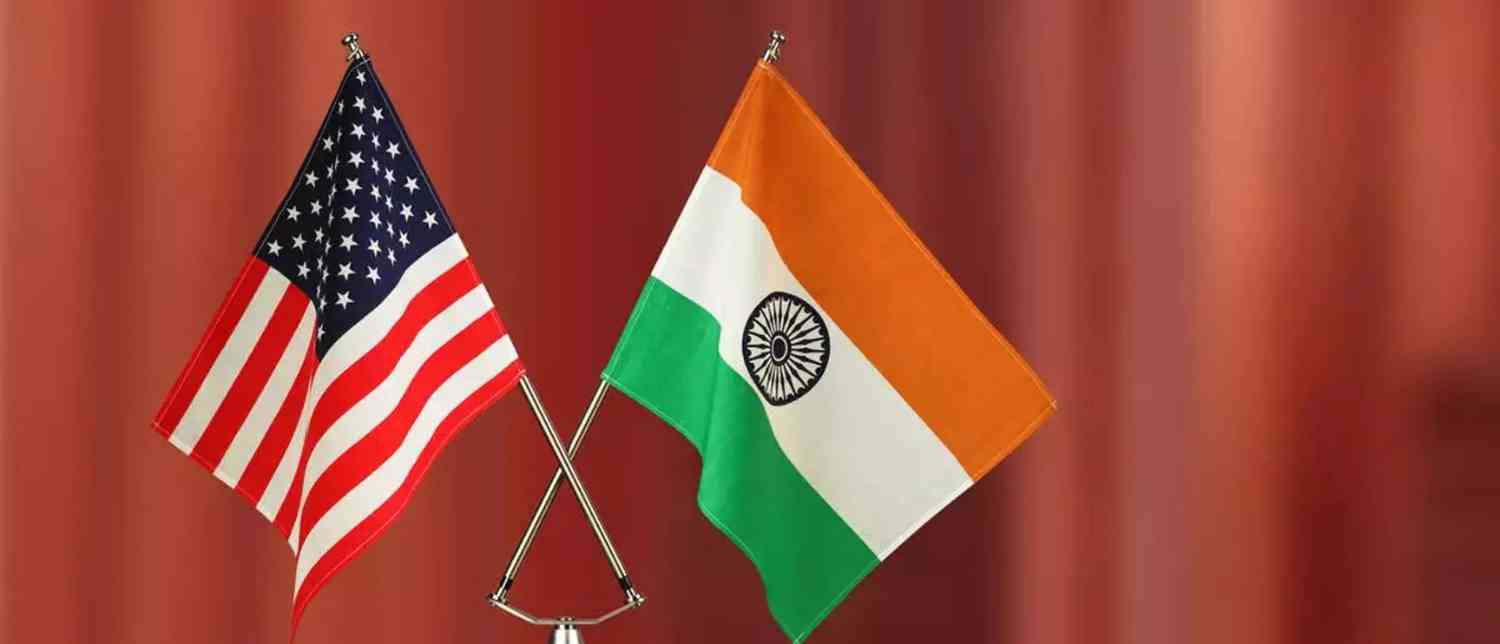
The United States has imposed sanctions on four India-based companies and three Indian nationals over their alleged involvement in Iran’s petroleum and petrochemical trade, bringing Indian businesses directly into Washington’s latest and broader campaign to squeeze Tehran’s economy.
The measures, announced under the Trump administration’s newly launched Operation Economic Outcast, target companies accused of importing Iranian-origin petroleum products and facilitating petrochemical shipments into India. The transactions identified by Washington involve roughly $119 million across three of the companies.
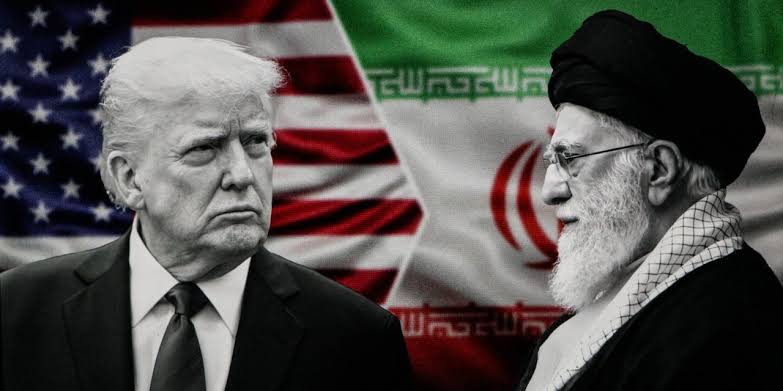
The action comes at a particularly sensitive moment. Washington and Tehran remain locked in a tense confrontation, while a fragile ceasefire has yet to translate into a lasting political settlement. At the same time, the US is expanding its sanctions strategy beyond Iran itself, putting foreign businesses on notice that commercial dealings with Tehran could carry significant financial consequences.
Which Indian companies have been sanctioned?
The four companies named in the latest US action are Portease Partners LLP, Sadashiva Overseas Limited, PP Softtech Private Limited and Prakrutees Infra Impex India Private Limited.
Portease Partners, an India-based customs broker, has been accused of facilitating multiple shipments of Iranian petrochemical products entering India. Washington has also sanctioned two of the firm's designated partners, Indrismiya Ashrafmiya Shekh and Harish Ramchandra Rangi.
The largest transaction value cited by US authorities involves Sadashiva Overseas Limited. The company allegedly imported around $69 million worth of Iranian-origin petroleum products between February 2024 and June 2025. Some of those shipments were linked to Bonjoure Commodity FZE, an entity that had previously been designated by the United States.
Two other companies — PP Softtech Private Limited and Prakrutees Infra Impex India Private Limited — were each accused of importing approximately $25 million worth of Iranian-origin petroleum products.
Together, the transactions attributed to Sadashiva Overseas, PP Softtech and Prakrutees Infra account for about $119 million in Iranian petroleum trade identified in the US sanctions action. PP Softtech's director, Prashant Garg, has also been sanctioned.
The designations therefore cover both companies involved in the alleged trade and individuals Washington says were connected to those activities.
Why is the US targeting Indian businesses?
The latest sanctions are part of a much wider effort to restrict Iran's access to international revenue. Washington's stated objective is to cut off economic channels that allow Tehran to generate money through oil, petroleum products and other commercial activities.
US Treasury Secretary Scott Bessent has described the campaign in unusually forceful terms, framing it as an economic offensive intended to put greater pressure on the Iranian government. Washington has also warned that businesses engaging economically with Iran could face penalties, increasing the compliance risks for companies outside the United States.
That approach represents an important shift in the way sanctions pressure is being applied. Instead of focusing exclusively on Iranian entities, the US is increasingly scrutinising intermediaries, importers, brokers, shipping networks and businesses in third countries.
For Indian companies, the message is straightforward: transactions involving Iranian oil or petrochemical products can attract US scrutiny even when the companies themselves are based outside American jurisdiction.
The broader sanctions campaign
The four Indian companies are not the only targets in the latest round.
The wider sanctions package reportedly covers nearly 60 individuals, entities and vessels, including companies and individuals based in China and Hong Kong. The action is designed to strike at the international networks that help Iran continue commercial activity despite longstanding US restrictions.
The inclusion of businesses across Asia highlights the increasingly international nature of Washington's Iran strategy. Iran has spent years developing alternative trading routes and commercial relationships to reduce the impact of Western sanctions. The US, in turn, is attempting to make those alternative channels more difficult and expensive to operate.
Oil remains central to that strategy because petroleum revenues are among Tehran's most important sources of foreign currency.
By targeting companies involved in the movement or purchase of Iranian petroleum products, Washington hopes to reduce the money flowing back into Iran and make it harder for the country to sustain its wider economic and strategic activities.
What could the sanctions mean for India?
The immediate impact will fall on the sanctioned businesses and individuals, who may face restrictions on their access to the US financial system and difficulties dealing with entities that have exposure to American markets.
But the implications could extend beyond the seven Indian names on the list.
Indian companies involved in international trade may become more cautious about transactions connected to Iran, particularly those involving petroleum, petrochemicals, shipping, finance and trade intermediaries. Banks and other financial institutions could also increase scrutiny of transactions involving Iranian counterparties to avoid inadvertently triggering US sanctions exposure.
That could raise the cost and complexity of doing business with Iran even for companies that have no direct relationship with the United States.
For New Delhi, the situation presents a delicate balancing act.
India has maintained important economic and strategic links with Iran, including its interest in regional connectivity and the Chabahar port. Iran also occupies a significant geographical position in India's broader engagement with Central Asia and the Middle East.
At the same time, India's relationship with the United States has grown considerably in recent years, spanning trade, defence, technology and strategic cooperation.
The latest sanctions therefore create another point of friction in an already complicated geopolitical environment.
Iran rejects the pressure
Tehran has strongly rejected the latest US measures and criticised Washington's sanctions strategy as a violation of international law and national sovereignty.
Iranian officials have indicated that the country is prepared to withstand the economic pressure and has been developing strategies to reduce the impact of sanctions. Iranian political leaders have also argued that US threats will not necessarily persuade Tehran's trading partners to abandon their relationships with the country.
That defiance underscores the central question surrounding Washington's strategy: whether increasingly aggressive economic pressure can force Iran to change its behaviour, or whether it will instead push Tehran and its trading partners to build even more alternative financial and commercial channels.
Oil markets watching closely
The sanctions also arrive at a crucial point for global energy markets.
The prospect of additional restrictions on Iranian oil initially raises concerns about supply and prices. However, the latest measures appear to have been viewed by some market participants as less severe than the most aggressive scenarios that had been anticipated.
A shift from direct military confrontation toward economic pressure has also temporarily eased some fears surrounding oil supplies. But that relief remains fragile. Any military escalation, particularly around key shipping routes in the Gulf, could quickly reverse the market reaction.
The Strait of Hormuz remains especially important. Any prolonged disruption there could have consequences far beyond Iran, affecting global oil transportation and potentially sending energy prices sharply higher.
Recent discussions involving Iran and Oman over a possible temporary navigational corridor have offered a limited sign that diplomatic and practical arrangements may still be possible, although the broader confrontation remains unresolved.
What happens next?
For Indian businesses, the latest sanctions are likely to reinforce the importance of rigorous sanctions compliance.
Companies involved in energy trading, customs handling, shipping, logistics and international finance will have to pay particularly close attention to the identities of counterparties, the origin of cargo and the financial channels used to settle transactions.
The significance of the US action extends beyond the four companies directly named. It signals that Washington is prepared to pursue Iran-related commercial networks wherever they operate.
For India, the challenge will be to protect its strategic interests with Iran while avoiding unnecessary exposure to US sanctions. For Washington, the bigger test will be whether targeting foreign companies can genuinely constrict Iran's revenue streams without creating wider tensions with countries whose businesses continue to trade with Tehran.
The sanctions against the four Indian firms and three nationals are therefore more than a single enforcement action. They are a warning about the increasingly global reach of the US campaign against Iran — and a sign that companies far beyond Tehran may find themselves caught in the economic battle between Washington and Tehran.
With input from agencies
Image Source: Multiple agencies
© Copyright 2026. All Rights Reserved. Powered by Vygr Media.