 By
By 
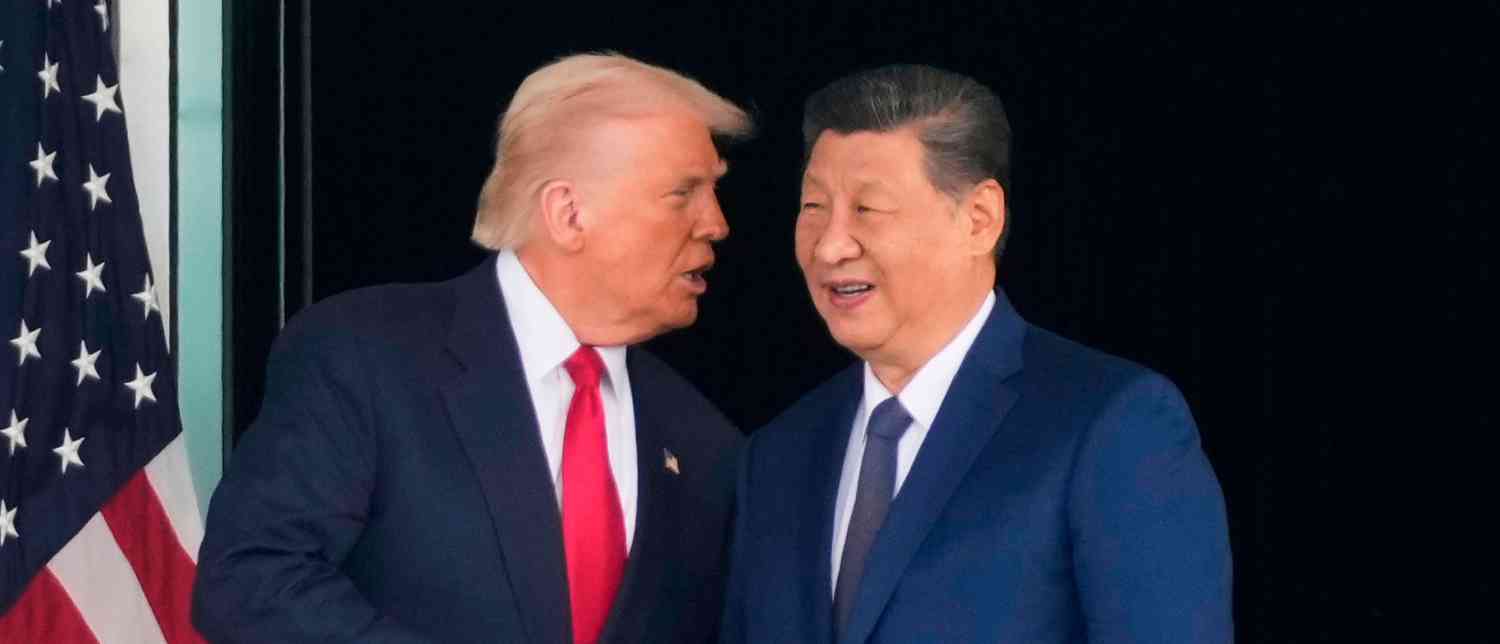
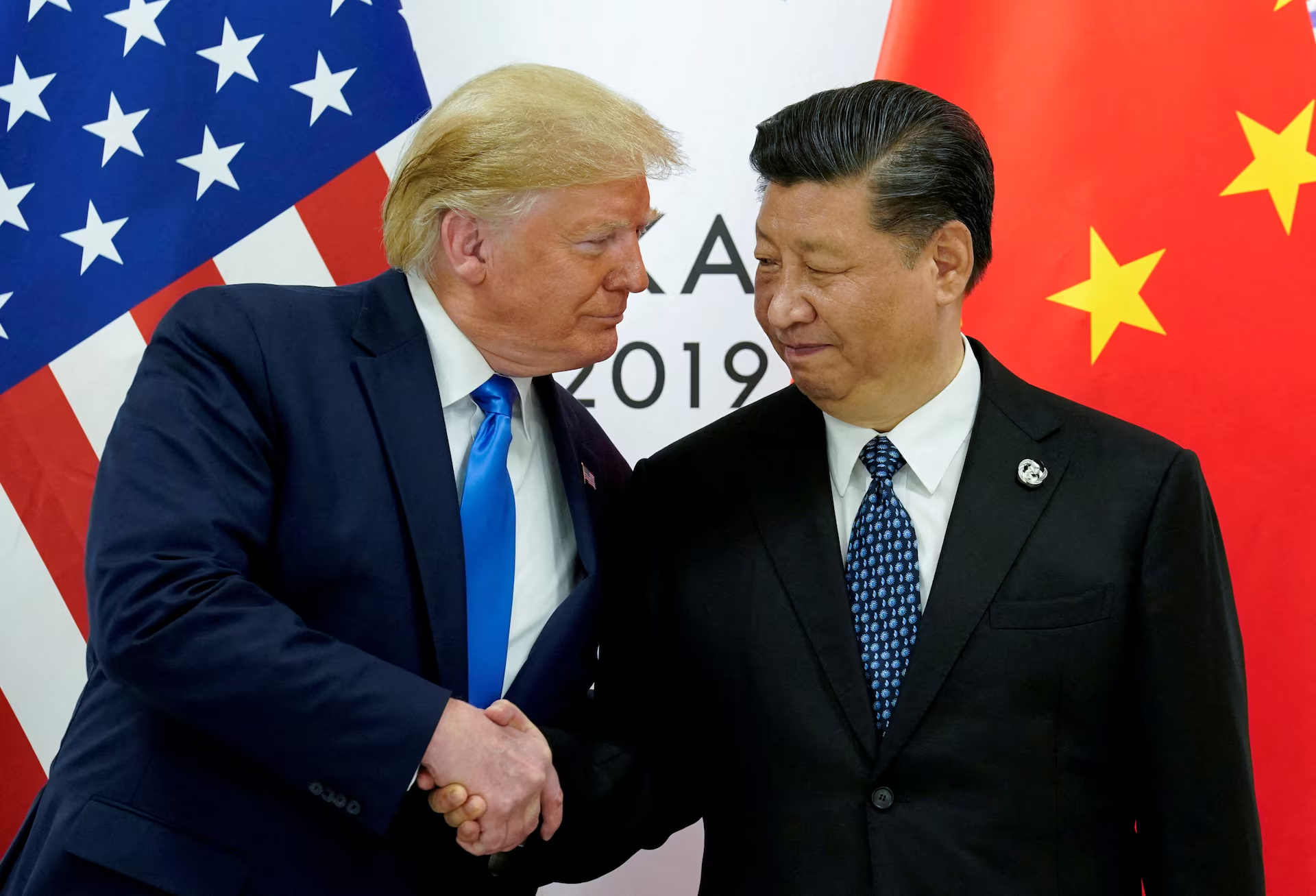
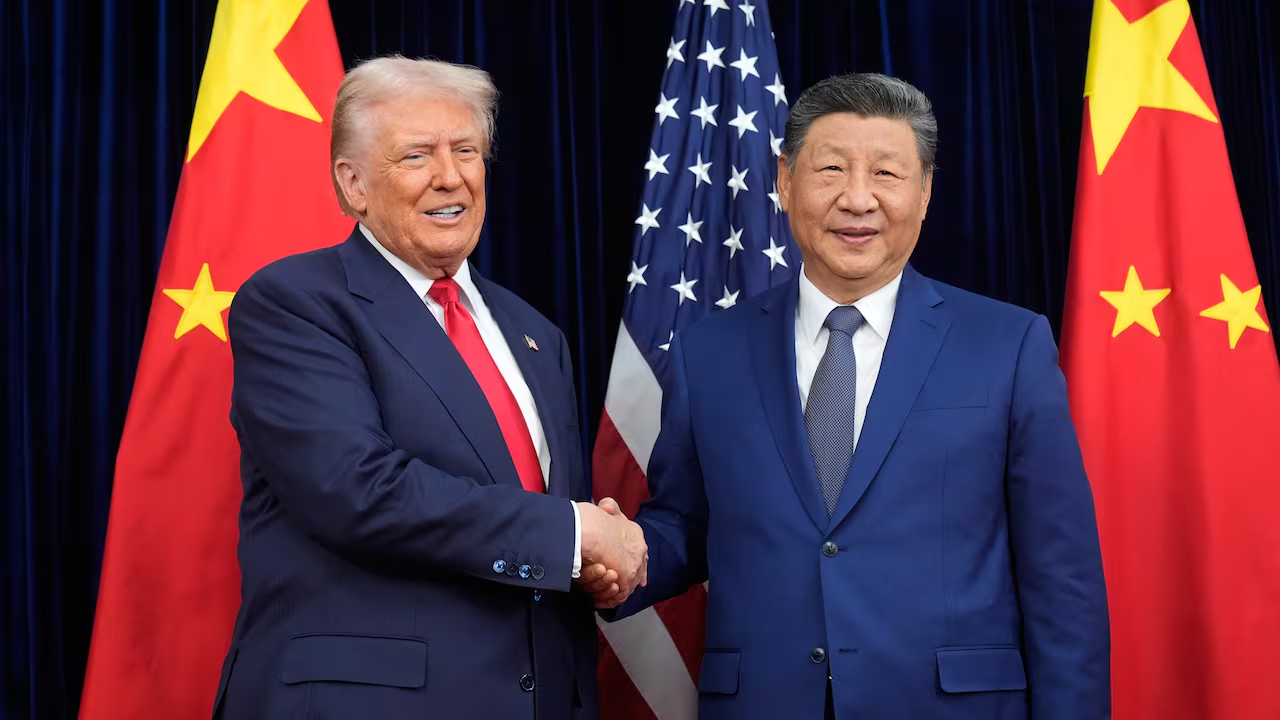
A high-stakes diplomatic moment is unfolding in Beijing as Donald Trump and Xi Jinping prepare for a closely watched summit that could redefine the next phase of US-China relations. The meeting, taking place amid a fragile trade truce, escalating geopolitical tensions, and growing competition over artificial intelligence, is being viewed as one of the most consequential engagements between the world’s two largest economies in recent years.
The summit, scheduled for May 14-15 in Beijing, comes at a time when both Washington and Beijing are under mounting domestic and international pressure. While Trump is seeking tangible economic and political wins ahead of upcoming political battles at home, Xi is looking to project China as a stable and enduring global power capable of navigating international crises with confidence.
Symbolism and Strategy at Beijing’s Temple of Heaven
One of the most striking aspects of the summit is its venue: Beijing’s historic Temple of Heaven. Traditionally used by Chinese emperors to pray for prosperous harvests, the location carries enormous symbolic significance. Chinese officials appear to be using the setting to reinforce Xi Jinping’s image as a leader tied to China’s long civilizational continuity and national revival.
For Trump, however, the symbolism is expected to take a backseat to practical outcomes. Reports suggest the US President wants commitments from China to increase imports of American soybeans, grains, meat, energy products, and Boeing aircraft. These sectors are politically sensitive in the United States and particularly important for American farmers and manufacturers who have been affected by prolonged trade tensions with China.
The summit is therefore shaping up as a contrast in priorities: China emphasizing historical grandeur and geopolitical stature, while the United States pushes for measurable economic concessions and diplomatic cooperation.
From Trade War to Fragile Truce
The meeting also marks a dramatic shift from the hostility that defined much of the US-China relationship in 2025. Trump had previously launched an aggressive tariff campaign against Beijing, arguing that China had long taken advantage of the US economically. Tariffs reportedly climbed as high as 145 percent before both sides agreed to a temporary truce in October last year.
Since then, relations have cautiously stabilized, although deep distrust remains. Current discussions are expected to focus on extending the existing trade truce and possibly creating a joint mechanism to oversee future economic disputes.
Despite Trump administration claims that the trade deficit with China has narrowed significantly, broader economic tensions persist. Chinese exports remain dominant in several industries, while American businesses continue to complain about market access restrictions, regulatory uncertainty, and export controls.
The summit is therefore less likely to produce a sweeping trade breakthrough and more likely to result in carefully calibrated agreements aimed at preventing another major economic escalation.
Iran Conflict Looms Over the Summit
While trade was initially expected to dominate the agenda, the ongoing Iran conflict has dramatically altered the diplomatic landscape. Washington is increasingly looking to Beijing for assistance in managing tensions in the Middle East, especially because China remains a major purchaser of Iranian oil.
Trump is reportedly expected to pressure Xi to use China’s leverage over Tehran to help stabilize the situation. The conflict has become politically costly for the US President domestically, and analysts believe he sees cooperation from Beijing as potentially valuable in reducing tensions.
China, meanwhile, faces its own concerns. Roughly half of China’s crude oil imports pass through the Strait of Hormuz, making Beijing deeply vulnerable to instability in the region. As a result, Xi may be willing to engage diplomatically while simultaneously seeking concessions from Washington on trade and Taiwan-related issues.
This dynamic has introduced an unusual twist into the relationship: the United States, long seen as the dominant power in the partnership, is now seeking China’s cooperation on a major geopolitical crisis.
Artificial Intelligence Emerges as a Major Battleground
Another major topic expected to dominate the summit is artificial intelligence. According to officials and analysts, this will be one of the first extensive face-to-face discussions between Trump and Xi focused specifically on AI competition and security.
The AI issue has become increasingly important because both countries view the technology as central to future economic and military power. American investors and business leaders are closely watching whether the summit leads to any easing of US export restrictions on advanced semiconductor technology.
Academic research has shown that China has rapidly narrowed the AI research gap with the United States over the past decade. Although the US still maintains an edge in research quality and advanced semiconductor capability, China now leads in several AI publication metrics and has significantly accelerated its technological development.
Business leaders accompanying Trump are also hoping for progress on technology-related issues. Companies such as Tesla, Meta, BlackRock, Mastercard, Visa, and Citigroup are reportedly seeking approvals, regulatory clarity, and expanded market opportunities in China.
Tesla, for instance, is aiming for regulatory clearance for its Full Self-Driving technology in China, while major financial firms are looking for deeper access to Chinese capital markets.
Taiwan and Security Concerns Remain Flashpoints
Despite efforts to stabilize ties, Taiwan remains one of the most explosive issues in US-China relations. Beijing continues to regard the self-governed island as part of its territory, while Taiwan rejects China’s sovereignty claims.
Xi is expected to push Trump for changes in US rhetoric and military support for Taiwan following recent American arms sales to the island. Chinese officials reportedly see Trump’s softer tone on certain trade and technology issues as a potential opening for broader concessions.
However, Washington’s support for Taiwan remains deeply entrenched politically, making any major shift unlikely. The issue is therefore expected to remain a major source of friction even if the summit produces temporary diplomatic progress elsewhere.
Nuclear weapons and military security are also expected to feature in discussions. The US has long sought arms-control engagement with China, but Beijing has shown limited interest despite the rapid expansion of its nuclear arsenal.
Can the US and China Form a “G2”?
One of the broader questions surrounding the summit is whether Washington and Beijing could move toward a more coordinated global leadership arrangement often referred to as a “G2”, a world order effectively dominated by the United States and China.
Some analysts believe the growing interdependence between the two powers, especially on trade, technology, and global security issues, makes closer cooperation unavoidable. Others argue that strategic rivalry and ideological distrust remain too deep for any genuine partnership.
The current summit reflects that contradiction perfectly. Both countries need each other economically and diplomatically, yet both also see the other as their principal long-term competitor.
A Summit Heavy on Optics, Light on Breakthroughs?
Despite the enormous attention surrounding the meeting, expectations for transformative outcomes remain limited. Analysts believe the summit is more likely to produce symbolic gestures and incremental agreements than sweeping breakthroughs.
Still, symbolism matters. Trump’s return to Beijing after nearly a decade, Xi’s carefully orchestrated ceremonial diplomacy, and the backdrop of global instability have elevated the meeting into a defining geopolitical moment.
For Trump, success may simply mean securing enough economic and diplomatic wins to project strength back home. For Xi, the summit offers an opportunity to present China as calm, confident, and indispensable in a world increasingly shaped by uncertainty.
Whether the talks ultimately reduce tensions or merely postpone future confrontations remains unclear. But what is certain is that the outcome of the Trump-Xi summit will have consequences far beyond Beijing, influencing global trade, technology competition, energy security, and the future balance of power in the international system.
With inputs from agencies
Image Source: Multiple agencies
© Copyright 2026. All Rights Reserved. Powered by Vygr Media.