 By
By 
For weeks, New Delhi had a deadline to worry about. A US law signed last month threatened tariffs of up to 100 per cent on imports from the biggest buyers of Russian oil and gas, a list on which India was widely expected to appear. With two days to go, President Donald Trump has pressed pause.
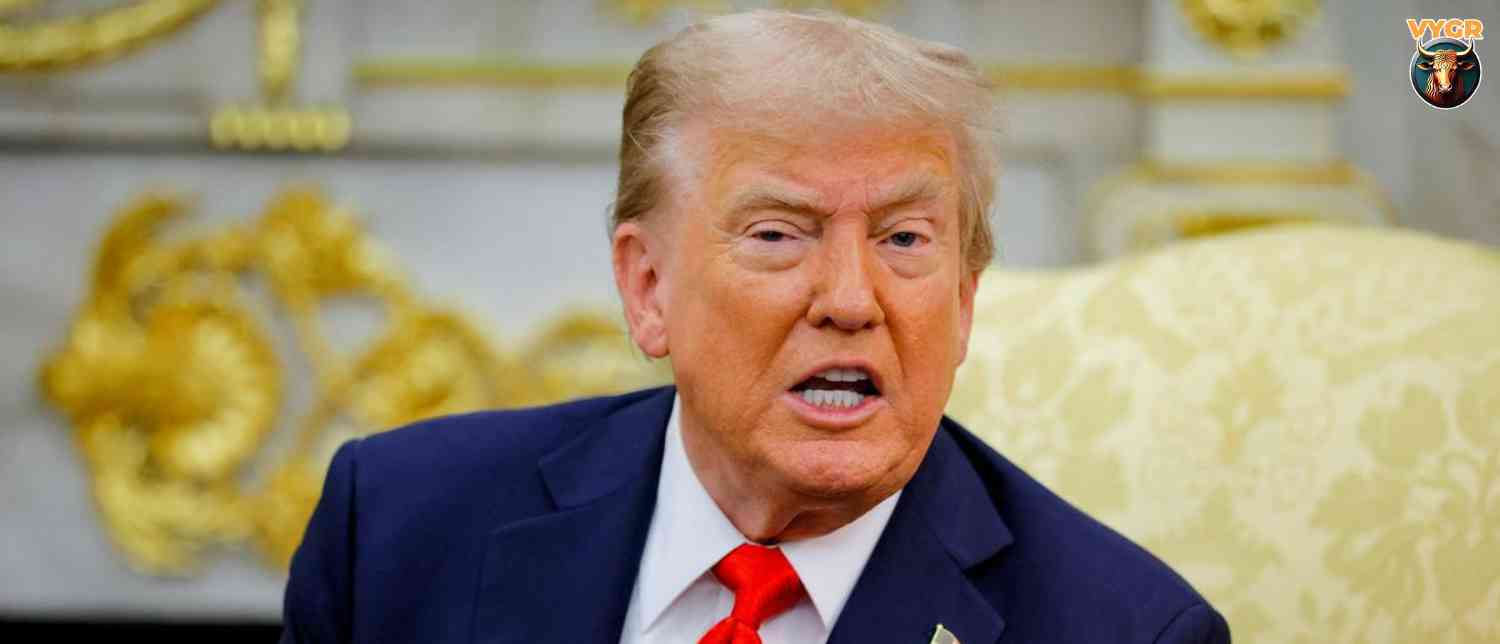
On Friday, October 16, Trump signed an executive order waiving key parts of the law, telling Congress that the move was in the national interest of the United States. The order does not say why. It remains in force until the administration decides that “further action is appropriate”.
What the law said
The measure, known as the Lindsey O. Graham Sanctioning Russia and Iran Act of 2026, was signed on September 18. It gave the president 30 days, a deadline that fell on October 18, to impose penalties on countries that kept buying Russian energy. Its main provisions included:
- tariffs of up to 100 per cent on imports from the five largest buyers of Russian crude oil or natural gas, if they knowingly made new purchases after the deadline;
- similar tariffs on the five countries judged to be leading facilitators of Russian oil sanctions evasion;
- an additional 500 per cent tariff on imports from Russia;
- sanctions on Russian President Vladimir Putin and senior officials, as well as on financial institutions and others involved in evasion.
Reports named India, China, Slovakia, Hungary and Azerbaijan as potentially affected. A 100 per cent tariff on Indian goods would have come on top of existing duties.
Why India has reason to be relieved
For India, the law was a live threat. Exporters, from textiles to engineering goods, depend on the US market, and the prospect of doubled costs would have worsened an already tense relationship over tariffs.
The waiver removes that immediate risk. It also tidies up an awkward position for New Delhi, which has long defended its purchases of discounted Russian crude as a matter of energy security and price stability. The tariff question had also hung over the bilateral trade talks, so analysts see the pause as clearing an obstacle. I could not find an official statement from either government on the state of those negotiations, and the trade agreement itself has not been signed.
The limits of the relief
Three caveats matter.
First, this is not an India-specific exemption. It applies to all countries that would have been affected.
Second, it is temporary and discretionary. The waiver does not repeal the law. It suspends it, and Trump or senior officials can lift the waiver whenever they decide to. The order also tells the US Trade Representative, working with the State, Treasury, and Energy departments, to keep monitoring Russian energy purchases and sanctions evasion.
Third, India’s own position on Russian oil has been murky. The US imposed an additional 25 per cent penalty on India in August 2025 over Russian oil purchases, and later scrapped it after Trump said India had taken steps to stop importing Russian crude and had pledged to buy more American energy. The US Treasury Secretary said in January that India had stopped buying. Indian reports at the time said there were no immediate signs of purchases falling to zero. Washington’s watchful eye on that question hasn’t gone away.
Why Trump did it
The timing points to energy prices. A week earlier, Trump announced that the US had agreed to buy diesel from Russia to bring down global energy prices, a step that could hurt Ukraine. The White House has also pressed Ukraine to stop striking Russian oil facilities, as it tries to ease prices ahead of the US midterm elections. Ukraine briefly agreed, then resumed attacks, while Russia continued to hit Ukrainian energy infrastructure.
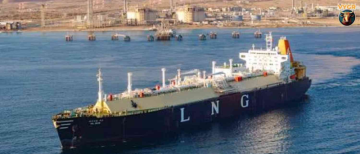
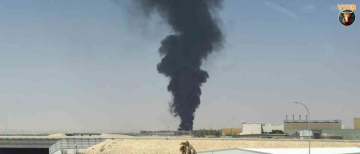
Prices have been rising. Brent crude reportedly hit $110 a barrel this week, amid attacks on ships near the Strait of Hormuz and Houthi strikes on Saudi Arabia. Penalising big buyers of Russian crude at such a moment could have pushed prices higher still.
Reactions
Ukraine condemned the decision as sanctions relief at a time when Russia continues to attack its energy facilities. In Moscow, Kirill Dmitriev, head of Russia’s sovereign wealth fund, called the waiver “an important and truly historic moment” and said economic cooperation serves both countries.
What to watch
Four things will tell how much the pause is worth to India. Whether the US-India trade talks move forward in the coming weeks. Whether the waiver is renewed, narrowed or revoked. How oil prices behave, since a calmer market makes a reversal less likely, and a spike makes the waiver more useful. And whether Washington keeps pressing India to cut Russian imports regardless of the law.
© Copyright 2026. All Rights Reserved. Powered by Vygr Media.