 By

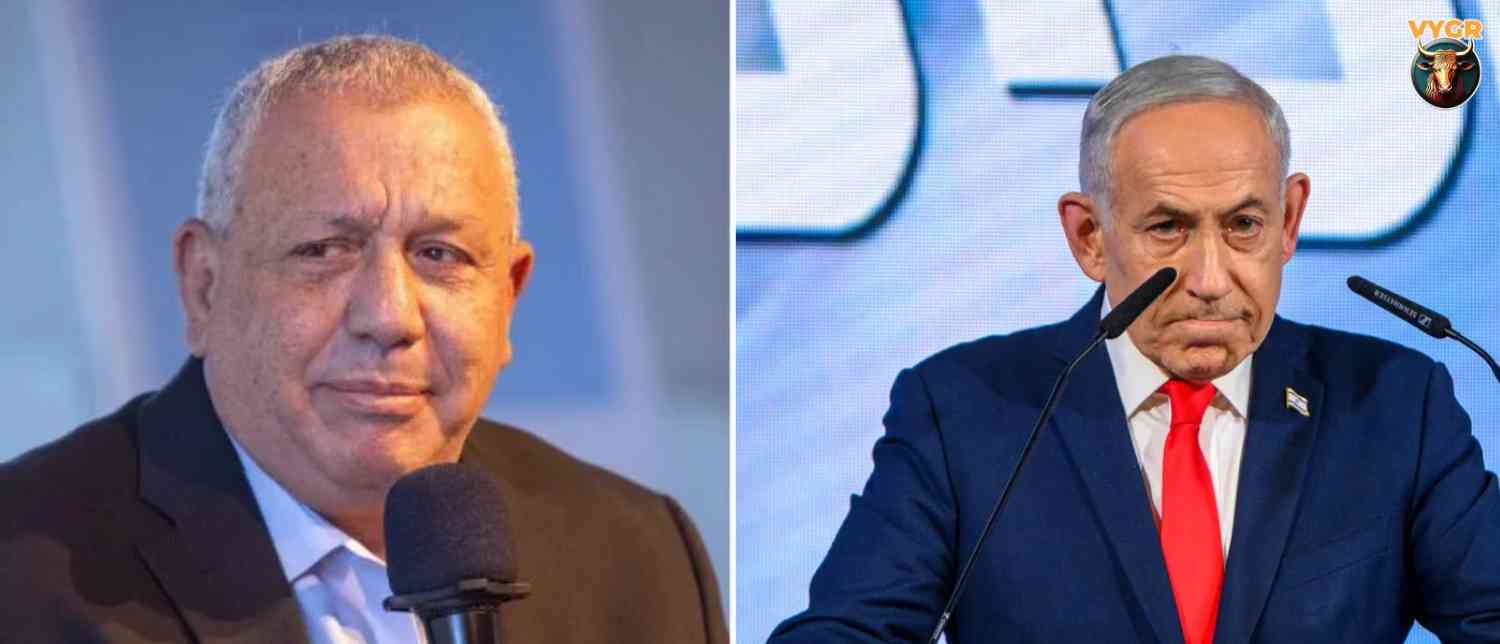
Tel Aviv: Israeli Prime Minister Benjamin Netanyahu is reportedly open to forming a coalition with opposition leader Gadi Eisenkot, even though he has publicly denied any plan for a unity government. According to Israeli media reports, sources close to Netanyahu’s Likud party say he is “examining every option” as the country faces a post-election deadlock in which his bloc fell short of a parliamentary majority.
These claims come from Israeli media reports citing unnamed or associated sources. Neither Netanyahu nor Eisenkot has confirmed any negotiation, and Eisenkot has repeatedly said he will not serve under Netanyahu.
Where the election left things
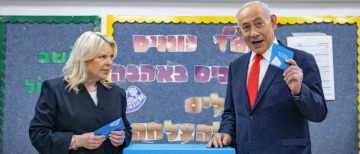
Israel voted on October 27. Final results gave Netanyahu’s bloc 53 seats in the 120-member Knesset, Eisenkot’s opposition camp 48, and the Arab parties a record 19. Neither side reached the 61 seats needed to govern. Netanyahu remains caretaker prime minister while talks go on.
What is reportedly being discussed
According to the reports:
- A Netanyahu-led unity government that would bring in Eisenkot’s Yashar party.
- A possible rotation arrangement, under which Eisenkot could be offered a turn as prime minister, according to one report.
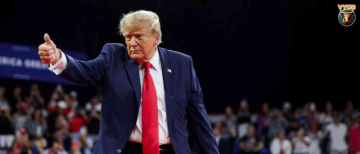
- Guarantors. An associate of Netanyahu’s said on a radio broadcast that the deal could have US President Donald Trump and Israeli President Isaac Herzog guaranteeing its terms. Trump, when asked earlier, said he had not thought about getting involved.
- Exclusion of the ultra-Orthodox (Haredi) parties, at least at first. Netanyahu’s allies believe that passing a law on Haredi military conscription could give Eisenkot a significant achievement and persuade him to join, after which the Haredi parties might be brought in to widen the coalition.
- A warning of another election. One Netanyahu associate said that without a broad agreement, the political system would slide towards another election.
What Netanyahu has said publicly
On election night, Netanyahu did not mention a unity government. He called instead for a “strong right-wing national government” and warned against forming one that relies on Arab parties. Public denials of unity plans have continued, and sources close to Likud say he is nonetheless weighing every option.
Eisenkot’s position
Eisenkot, a former military chief, has said he will not join a government led by Netanyahu, and his allies in the “change bloc” categorically reject the idea. On election night, he warned Netanyahu not to use Israel’s security for his own political needs and reminded security chiefs that they are serving a caretaker government.
For Eisenkot, the arithmetic is difficult. Without a unity deal, his only route to power is a minority government supported from outside by Arab parties, which analysts say could be fragile and might collapse quickly.
A heated political climate
-
Accusations. Netanyahu has accused Eisenkot of treason over the possibility of cooperating with Arab parties, a charge that Eisenkot’s side rejects.
- Street pressure. Protesters have gathered outside Eisenkot’s home, some opposing any coalition with Arab-led parties and others calling for a government that includes them.
- Election integrity claims. Likud has questioned aspects of the vote. The Central Elections Committee has said the election was lawful, and one report says Israel’s Shin Bet has looked into allegations of foreign interference at the committee’s request. None of these allegations has been established.
The three paths
Analysts see three broad outcomes:
- A unity government of Netanyahu and Eisenkot, which would require Eisenkot to reverse his pledge.
- An opposition minority government with outside support from Arab parties, which could be unstable.
- A new election if talks fail. Reports say it could come as early as April.
The Iran factor
Netanyahu has said Israel still has to complete its mission against Iran. Some analysts argue that a security emergency could increase pressure on Eisenkot to join an emergency government, and that Netanyahu may see that as a path out of the deadlock. Eisenkot has rejected the idea that security should be used as a political tool.
What happens next
Next week, Israeli President Isaac Herzog is due to begin consulting party leaders before asking either Netanyahu or Eisenkot to try to form a government, and the Central Elections Committee is expected to submit its final report to him in the same period. The newly elected Knesset members are then due to be sworn in on November 10.
© Copyright 2026. All Rights Reserved. Powered by Vygr Media.