 By
By 
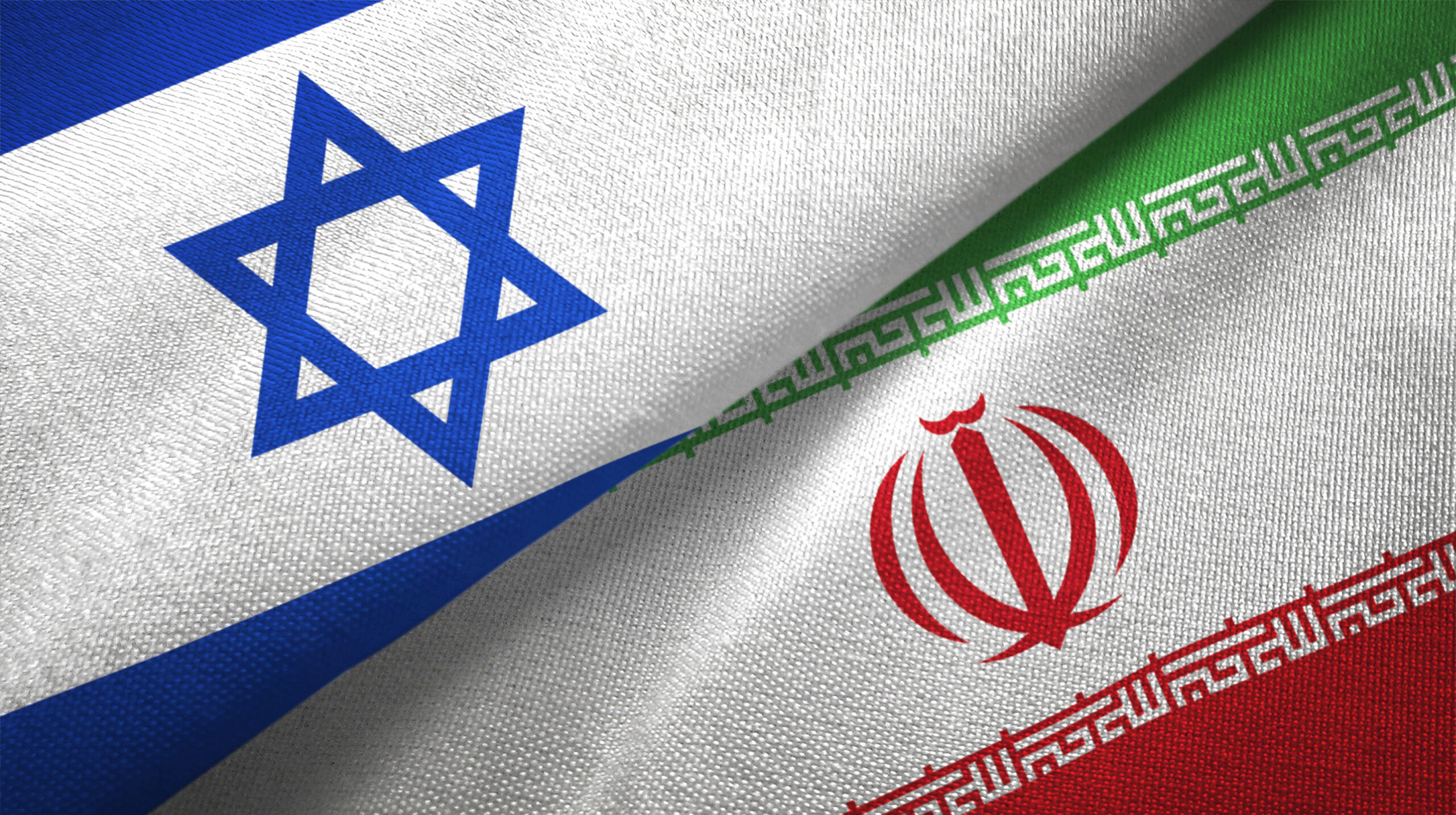
The fragile calm that followed April's ceasefire between Iran and Israel appears to be rapidly unraveling, as fresh missile exchanges, escalating tensions in Lebanon, and renewed geopolitical uncertainty threaten to drag the Middle East back toward a wider regional conflict.
A fresh round of hostilities erupted after Iran launched missiles toward Israel following an Israeli strike in Beirut's southern suburbs, marking the most significant breach of the April ceasefire and reigniting fears that the region could once again slide into full-scale war. The renewed confrontation comes nearly 100 days after the conflict began with a dramatic US-Israeli military campaign against Iran, a war that has already reshaped regional politics, disrupted global energy markets, and tested international diplomacy.
How the Latest Escalation Unfolded
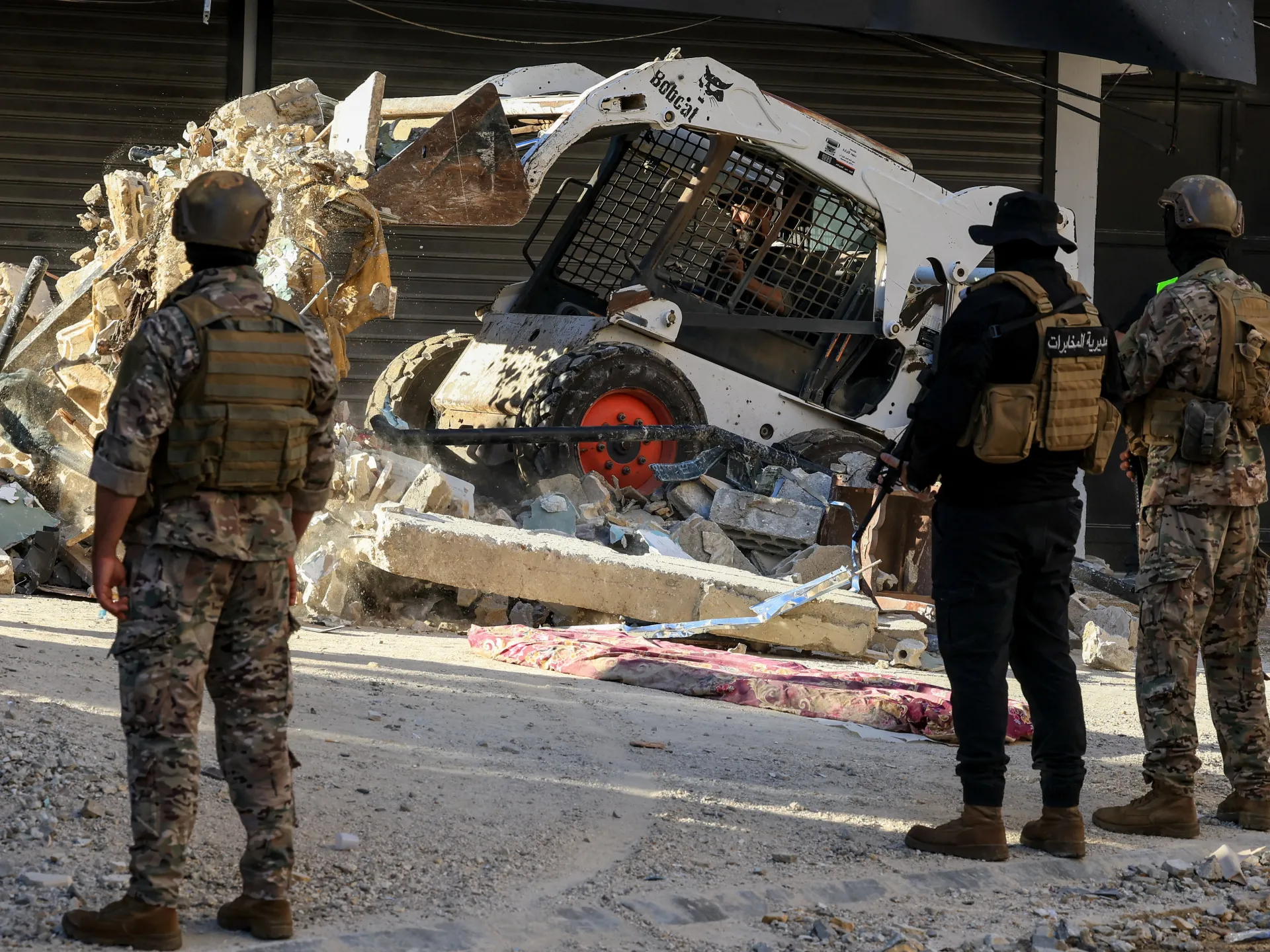
The immediate trigger for the latest crisis was an Israeli strike on Beirut's southern suburbs, an area widely regarded as a Hezbollah stronghold. According to Lebanese authorities, the attack hit a residential building, killing two people and injuring 20 others.
The strike came despite ongoing efforts to preserve a ceasefire framework negotiated earlier between Lebanese and Israeli officials with American involvement. Hezbollah rejected the arrangement, insisting that any settlement must address broader regional concerns and Israeli military activities in Lebanon.
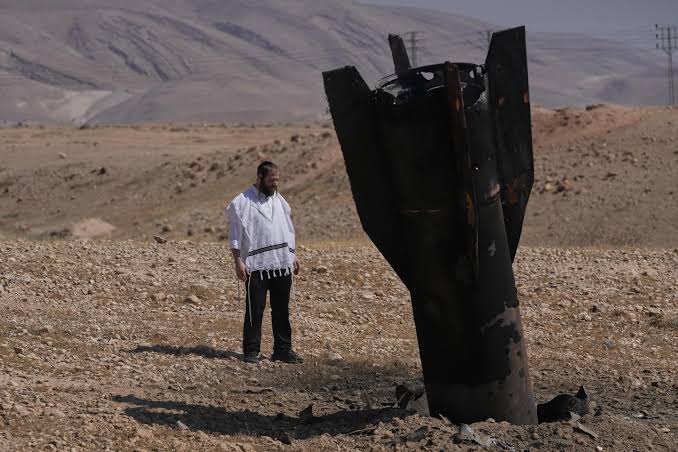
Hours after the Beirut attack, Iran launched missiles toward Israel. Iranian state media confirmed the operation, describing it as a response to what Tehran called Israeli aggression against Lebanon and attacks affecting Iranian interests.
Air raid sirens sounded across parts of Israel, sending civilians rushing into shelters. Israeli military officials later stated that the incoming missiles had been intercepted and announced that residents could leave protected areas once the immediate threat had passed.
Iran's Revolutionary Guard warned that any future attacks would invite a much broader response targeting American and Israeli interests across the region. Israel responded with its own warning, with senior military leaders describing Iran's actions as a serious escalation and signaling readiness for further military action.
The exchange marked the first direct missile confrontation between the two countries since the ceasefire announced in April.
Israeli Retaliation and Explosions in Iran
Following Iran's missile launches, Israel carried out retaliatory strikes against targets in western and central Iran.
Multiple explosions were reported in Tehran and other areas. Iranian media reported blasts in western sections of the capital, while Iranian officials stated that emergency services had been placed on alert.
The Islamic Revolutionary Guard Corps (IRGC) alleged that Israel used air-launched ballistic missiles during the operation. Iranian authorities maintained that urban areas were not the intended targets, while Israeli officials described the attacks as precision strikes against military objectives.
The military exchange represented a major breach of the already fragile ceasefire and demonstrated how quickly tensions can escalate despite ongoing diplomatic efforts.
Donald Trump Pushes Diplomacy Amid Renewed Violence
Even as missiles crossed borders, US President Donald Trump continued to insist that diplomacy remains possible.
Trump publicly urged restraint and indicated that he did not believe Israel needed to launch additional retaliatory operations. He also reportedly expressed dissatisfaction with Israel's Beirut strike, emphasizing that Washington had not coordinated the attack.
The US president has repeatedly argued that a nuclear agreement with Iran remains within reach despite the renewed hostilities. In remarks reported after the latest exchanges, Trump said he remained close to finalizing a deal and warned against allowing current military developments to derail negotiations.
"I don't want to blow it up because of what is happening now," Trump reportedly said regarding the diplomatic track.
Washington has continued encouraging Tehran to return to negotiations while simultaneously maintaining military readiness across the region.
Lebanon: The Core Flashpoint Behind the New Crisis
While much attention has focused on direct Iran-Israel exchanges, Lebanon remains the central fault line driving the current escalation.
The April ceasefire that followed the Iran war never fully extended to Lebanon. Fighting between Israel and Hezbollah continued even after broader hostilities appeared to subside.
The timeline of events reveals a steady deterioration:
-
February 28: The wider conflict intensified following US-Israeli attacks on Iran.
-
Hezbollah entered the confrontation by launching rockets toward Israel.
-
April 7-8: A ceasefire was announced, but disagreements quickly emerged regarding whether Lebanon was covered under its terms.
-
April and May: Israeli strikes continued in Lebanon, including attacks around Beirut.
-
May 31: Israel launched a major ground incursion into Lebanese territory.
-
Hezbollah repeatedly rejected ceasefire proposals, demanding a complete Israeli withdrawal.
-
June 7: Hezbollah resumed attacks against Israel.
-
Israel responded with strikes in Beirut.
-
Iran then launched missiles at Israel, leading to fresh Israeli attacks inside Iran.
This sequence illustrates how unresolved tensions in Lebanon have repeatedly threatened to derail broader diplomatic efforts.
The First 100 Days of War That Changed the Middle East
The latest missile exchanges come almost exactly 100 days after the conflict began with one of the most dramatic military operations in modern Middle Eastern history.
On February 28, US and Israeli forces launched coordinated strikes across Iran.
The opening attacks reportedly killed Iran's Supreme Leader Ayatollah Ali Khamenei, the country's defense minister, and several senior military commanders. The unprecedented strike effectively decapitated large sections of Iran's political and military leadership.
Iran retaliated within hours by firing ballistic missiles toward Israel, triggering sirens across Tel Aviv and raising fears of a broader regional war.
The conflict quickly expanded beyond a single military exchange and evolved into a prolonged confrontation involving multiple regional actors.
Civilian Casualties and Humanitarian Costs
One of the most controversial incidents of the war occurred during its opening stages.
According to Iranian state media, a strike on a girls' elementary school in southern Iran killed at least 168 children and 14 teachers. Subsequent investigations suggested that the school may have been unintentionally struck during an attack targeting a nearby Revolutionary Guard naval facility.
The incident became one of the deadliest civilian tragedies of the conflict and intensified international scrutiny of military operations conducted during the war.
The conflict also claimed American lives. On March 1, an Iranian drone attack on a makeshift operations center at a civilian port in Kuwait killed six US service members, marking the first American military fatalities of the war.
The Strait of Hormuz and the Global Oil Shock
Beyond the battlefield, the war transformed global energy markets.
Iran repeatedly threatened maritime traffic through the Strait of Hormuz, the narrow waterway through which roughly 20 percent of the world's oil supply passes.
As tensions rose:
-
Oil prices surged toward $120 per barrel.
-
Shipping traffic slowed significantly.
-
Hundreds of vessels were delayed.
-
Energy markets experienced severe volatility.
In response, the United States and 31 allied countries released a record 400 million barrels from emergency reserves on March 11 in an attempt to stabilize markets.
The situation intensified further when Washington announced measures aimed at restricting Iranian maritime activities while accusing Tehran of disrupting international shipping.
Even now, concerns surrounding the Strait of Hormuz remain central to market calculations. The latest missile exchanges have revived fears that critical shipping routes could again become targets.
Leadership Changes Inside Iran
The war also produced major political consequences within Iran.
Following the death of Ayatollah Ali Khamenei, Iranian authorities announced on March 8 that his son, Mojtaba Khamenei, would become the country's new Supreme Leader.
The transition was presented as a measure designed to ensure continuity during a period of national crisis.
However, additional losses among Iran's senior leadership further complicated the situation. Iranian security chief Ali Larijani was later killed in a targeted strike, removing another influential figure from the country's governing establishment.
Analysts argued that the elimination of experienced political and security figures risked strengthening hardline elements within Iran while reducing opportunities for compromise.
Why Peace Talks Keep Failing
Throughout the conflict, repeated diplomatic initiatives sought to halt the fighting.
Pakistan emerged as a key venue for mediation efforts involving American and Iranian officials.
Yet negotiations repeatedly collapsed at critical moments.
Several rounds of talks reportedly came close to producing breakthroughs before disagreements over implementation, security guarantees, and regional issues caused discussions to break down.
Delegations traveled back and forth between capitals, proposed agreements were drafted and revised, and mediators worked continuously to bridge differences.
Despite those efforts, negotiators failed to achieve a comprehensive settlement capable of ending hostilities permanently.
The ceasefire announced in April reduced the intensity of combat but failed to resolve the underlying disputes driving the conflict.
Airspace Closures and Regional Disruptions
The latest escalation has already produced significant operational disruptions across the region.
Following the missile exchanges:
-
Iran closed portions of its western airspace.
-
Tehran airport operations were suspended.
-
Iraq shut its airspace for 72 hours.
-
Syria imposed temporary aviation restrictions.
-
Qatar introduced alternative flight routing measures.
Saudi Arabia also briefly issued a missile alert near Prince Sultan Air Base before later announcing that the threat had passed.
These measures highlighted growing concerns that military activity could spill into additional countries and affect civilian transportation networks across West Asia.
Markets React as Investors Brace for Uncertainty
Financial markets responded immediately to the renewed instability.
Oil prices rose sharply as traders assessed the possibility of supply disruptions and broader regional conflict.
Global equities weakened, with Asian markets recording notable declines. Japan's Nikkei index reportedly fell around 4 percent amid investor concerns about escalating tensions.
Across the Gulf region, stock markets also came under pressure as investors weighed the potential economic consequences of a prolonged confrontation.
The reaction reflected growing fears that renewed conflict could once again disrupt energy supplies, trade routes, aviation networks, and broader economic activity.
A Ceasefire That Exists Only on Paper
Perhaps the defining characteristic of the current crisis is the contradiction at its center.
Technically, a ceasefire remains in place.
In practice, missiles continue to fly, airstrikes continue to occur, diplomatic disputes persist, and regional actors remain deeply divided over what the ceasefire actually covers.
The latest Iran-Israel exchange demonstrates how fragile the arrangement has become. With Hezbollah, Lebanon, Israel, Iran, the United States, and multiple regional powers pursuing competing objectives, the ceasefire increasingly resembles a temporary pause rather than a durable peace agreement.
One hundred days after the war began, the Middle East once again finds itself at a crossroads. Diplomatic channels remain open, but military realities on the ground are moving in the opposite direction. Whether negotiations can outpace escalation may determine not only the future of Iran-Israel relations but also the stability of the wider region in the months ahead.
With inputs from agencies
Image Source: Multiple agencies
© Copyright 2026. All Rights Reserved. Powered by Vygr Media.