 By
By 
Eight influential Muslim-majority countries—including Saudi Arabia, Turkey, Egypt, Pakistan, and Qatar—have formally agreed to join US President Donald Trump’s newly proposed “Board of Peace,” a high-profile international panel envisioned to play a central role in postwar Gaza governance and global conflict resolution.
The decision was announced Wednesday through a joint statement issued by the foreign ministers of Saudi Arabia, Turkey, Egypt, Jordan, Indonesia, Pakistan, Qatar, and the United Arab Emirates (UAE). Each country confirmed it would appoint a representative to sit on the panel of global leaders, marking one of the most significant collective diplomatic endorsements of Trump’s peace initiative to date.
The announcement comes amid intense international debate over the scope, legitimacy, and potential implications of the board—particularly its relationship with the United Nations and the broader international order.
Saudi Arabia’s Decision Marks a Key Diplomatic Win for Trump
While Egypt, Pakistan, and the UAE had already publicly confirmed their intention to join the Board of Peace, the remaining five countries—Saudi Arabia, Turkey, Jordan, Indonesia, and Qatar—had until now been weighing their options.
Saudi Arabia’s participation, in particular, represents a major diplomatic breakthrough for Trump. The US president had repeatedly and publicly urged Saudi Crown Prince Mohammed bin Salman to join the initiative, signaling how critical Riyadh’s involvement was to Washington’s strategy. Until Wednesday’s announcement, the kingdom had remained silent, fueling speculation about internal deliberations and regional sensitivities.
The joint statement confirms that all eight countries will complete their participation in accordance with their respective legal and constitutional requirements. Trump himself acknowledged that some nations would need parliamentary or legislative approval before formally joining, potentially delaying their entry.
Board of Peace: Mandate, Structure, and Global Ambitions
The Board of Peace was granted a mandate by the United Nations Security Council to oversee postwar governance and stabilization efforts in Gaza until the end of 2027. The mandate is linked to UN Security Council Resolution 2803, which endorsed a Comprehensive Plan to End the Gaza Conflict.
Despite this UN backing, the Trump administration has made clear that it intends to use the board as a broader mechanism for international conflict resolution—well beyond Gaza—raising questions about overlap and competition with existing multilateral institutions.
Under the proposal:
-
The Board of Peace would be chaired for life by Donald Trump
-
Member states would be required to pay $1 billion each to secure permanent membership
-
The board is expected to meet only a few times per year
-
A separate, more operational body—the Gaza Executive Board—will handle day-to-day Gaza-related decisions
The Gaza Executive Board, unveiled on Friday, includes representatives from Turkey, Qatar, the UAE, and the United States, underscoring the prominent role regional actors are expected to play in reconstruction and governance.
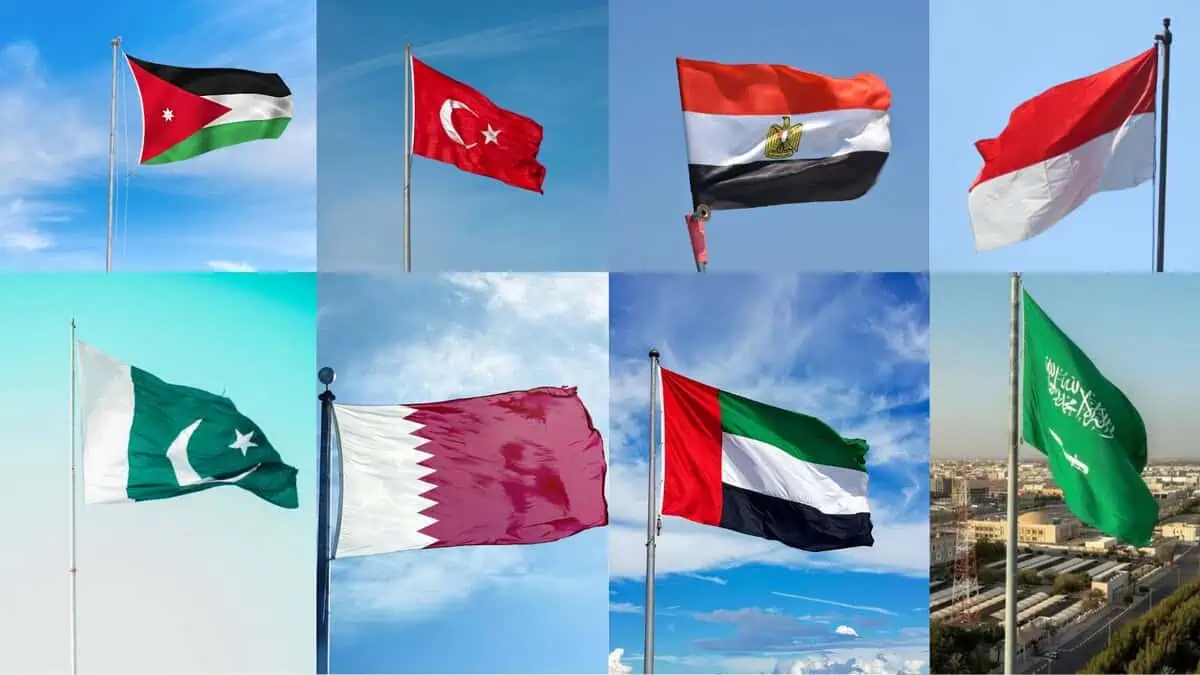
Muslim Nations Reaffirm Support for Palestinian Statehood
In their joint statement, the eight Muslim countries emphasized that their decision to join the Board of Peace is rooted in their shared commitment to a just and lasting solution to the Palestinian issue.
They reaffirmed support for:
-
Palestinian self-determination
-
The establishment of a Palestinian state
-
Peace grounded in international law
-
Regional security and long-term stability
The ministers described the board as a transitional administration designed to consolidate a permanent ceasefire, support Gaza’s reconstruction, and mobilize large-scale funding and investment.
The Trump administration has said the board would focus on governance capacity-building, regional relations, reconstruction efforts, investment attraction, and capital mobilization—ambitions that extend far beyond traditional ceasefire monitoring.
Trump Defends Board Amid Parliamentary Hurdles
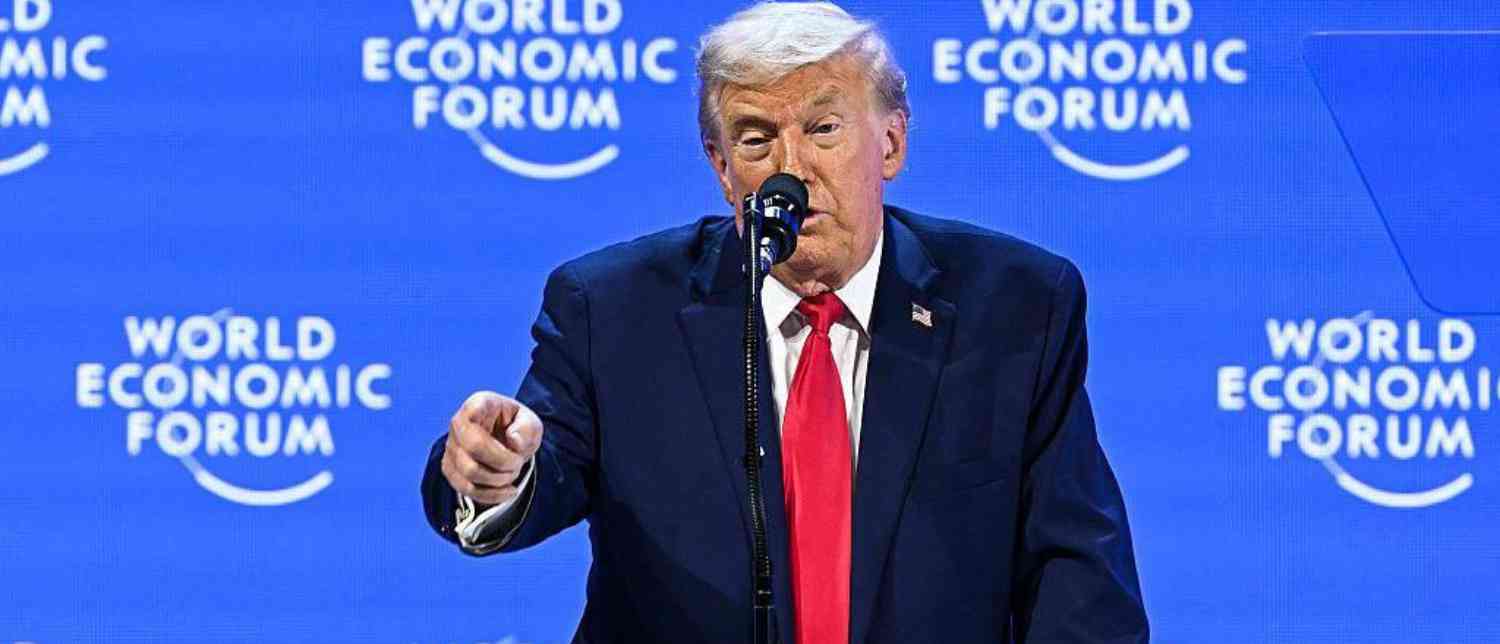
Speaking to reporters on Wednesday at the World Economic Forum in Davos, Switzerland, Trump acknowledged that some countries cannot immediately join due to domestic approval processes.
“Some need parliamentary approval,” Trump said at the start of his meeting with Egyptian President Abdel-Fattah el-Sissi on the sidelines of the forum.
Despite these hurdles, Trump insisted that global interest in the board is strong, noting that many countries—some of which were not initially invited—have expressed a desire to participate.
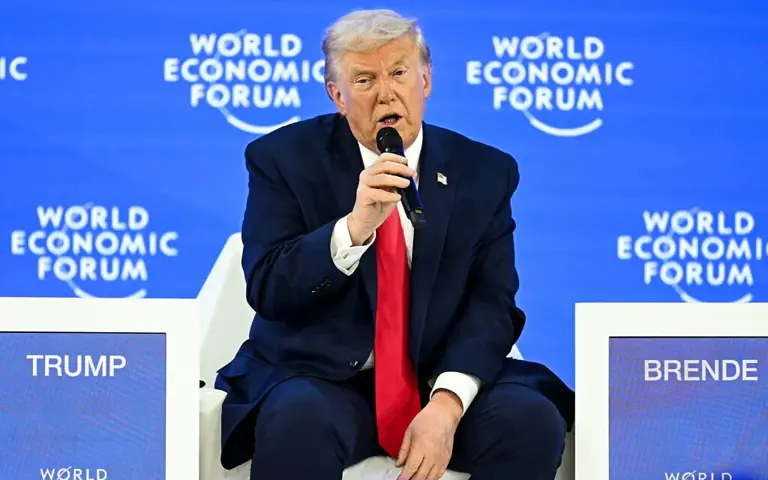
Putin Accepts Invitation as Trump Courts ‘Powerful’ Leaders
In a revelation that further intensified debate around the board, Trump confirmed that Russian President Vladimir Putin has accepted an invitation to join the Board of Peace.
“I have some controversial people on it, but these are people who get the job done,” Trump said. “These are people who have tremendous influence. We want all nations where people have control and power.”
In characteristic fashion, Trump added: “If I put all babies on the board, there wouldn’t be very much. So he was invited. He’s accepted.”
Trump argued that the board would accomplish tasks the United Nations has failed to deliver on, while insisting it would still cooperate with the UN.
“This is going to get a lot of work done that the United Nations should have done, and we’ll work with the United Nations,” he said.
Dozens of Nations Invited, Many Accept—But Opposition Grows
US Special Envoy Steve Witkoff said that between 20 and 25 world leaders had already accepted invitations to join the board, which is scheduled to hold a formal signing ceremony on Thursday in Davos.
Invitations were sent to approximately 60 countries, with confirmed acceptances including:
-
Israel
-
Egypt
-
Argentina
-
Azerbaijan
-
Bahrain
-
Belarus
-
Hungary
-
Kazakhstan
-
Kosovo
-
Morocco
-
United Arab Emirates
-
Vietnam
However, the initiative has also faced mounting resistance, particularly among European leaders and Western diplomats.
European Concerns: ‘A Dangerous Undermining of the UN’
Several Western diplomats have warned that the Board of Peace could undermine the authority and legitimacy of the United Nations.
Slovenian Prime Minister Robert Golob publicly rejected the invitation, saying the board’s mandate was overly broad and potentially destabilizing.
“The main concern is that the committee’s mandate is too broad and that it could dangerously undermine the international order based on the United Nations Charter,” Golob was quoted as saying by Slovenia’s N1 news portal.
While acknowledging the importance of calming tensions in the Middle East, Golob cautioned that the initiative goes far beyond Gaza.
“Although we find any initiative that can calm the situation in the Middle East to be commendable, this invitation dangerously encroaches on the broader international order and not just on pacification in Gaza,” he said.
Golob also confirmed he would skip Thursday’s signing ceremony in Davos, opting instead to attend a European Council meeting in Brussels.
Vatican, Nordic States, and Southern Europe Weigh In
The Vatican has also received an invitation to join the Board of Peace. Cardinal Pietro Parolin, the Holy See’s Secretary of State, confirmed that Pope Leo XIV is considering the proposal but has not yet made a decision.
“The pope has received an invitation, and we are considering what to do,” Parolin said. “I believe it will be something that requires a bit of time for consideration before giving a response.”
Meanwhile:
-
Sweden, Norway, and Italy have declined to join
-
Spain said European leaders were working to consolidate a common position
Board Charter Raises Alarm Over UN’s Future Role
A draft of the Board of Peace’s founding charter, obtained by The Times of Israel, makes no direct reference to Gaza—despite the board’s UN-backed mandate—and appears to take a pointed swipe at existing multilateral institutions.
The document states that the board must have “the courage to depart from approaches and institutions that have too often failed,” language widely interpreted as a critique of the United Nations.
When asked directly whether the Board of Peace could replace the UN, Trump responded bluntly: “It might.”
A High-Stakes Experiment in Global Governance
The unveiling of the Board of Peace—introduced as part of phase two of the fragile Israel-Hamas ceasefire—has placed Trump’s unconventional diplomacy back at the center of global politics.
With support from key Muslim nations, acceptance by powerful world leaders like Vladimir Putin, and sharp resistance from European governments, the initiative represents one of the most ambitious—and controversial—attempts to reshape international conflict management in decades.
As Gaza’s reconstruction hangs in the balance and global institutions face renewed scrutiny, the Board of Peace may either emerge as a bold alternative to traditional diplomacy—or deepen existing fractures in the international order.
With inputs from agencies
Image Source: Multiple agencies
© Copyright 2025. All Rights Reserved. Powered by Vygr Media.