
 By
By 
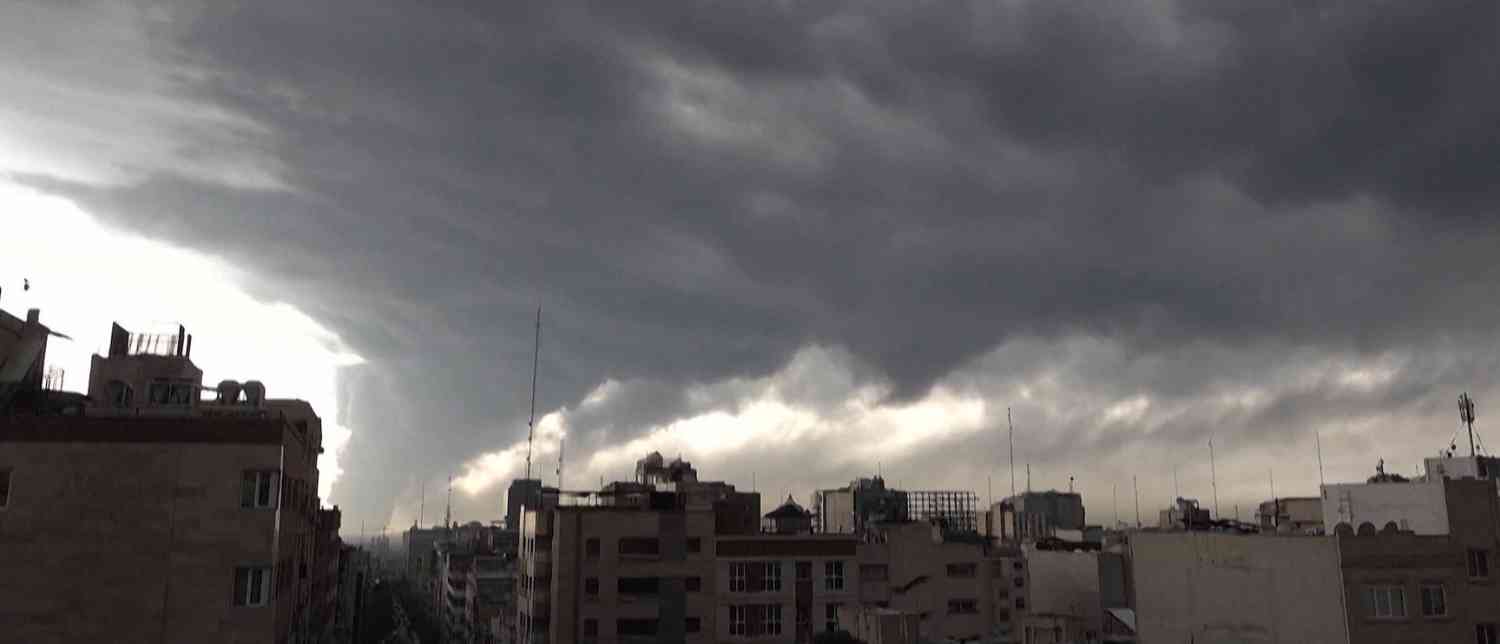
Residents of Iran’s capital recently witnessed a disturbing environmental phenomenon after major airstrikes struck key fuel infrastructure around the city. Thick black smoke blanketed the skyline, and when rain fell shortly afterward, many residents reported what they described as “acid rain” or “petrol rain.” The unusual event has raised global concerns about the environmental and health consequences of warfare, especially when industrial sites such as oil depots become targets.
From massive fires at fuel storage facilities to a weather system that spread toxic pollutants through the atmosphere, the incident has highlighted how conflict, pollution, and weather patterns can combine to produce dangerous environmental fallout.
Israeli Airstrikes Ignite Massive Fires at Oil Depots
The crisis began when Israeli warplanes launched airstrikes targeting fuel infrastructure in and around Tehran. Several oil storage facilities in Tehran and the nearby city of Karaj in Alborz province were struck by missiles on Saturday night, sparking massive explosions and fires.
According to Iran’s Fars news agency, at least three oil depots were targeted during the attack. Israeli officials reportedly claimed that the facilities were being used by Iran’s military.
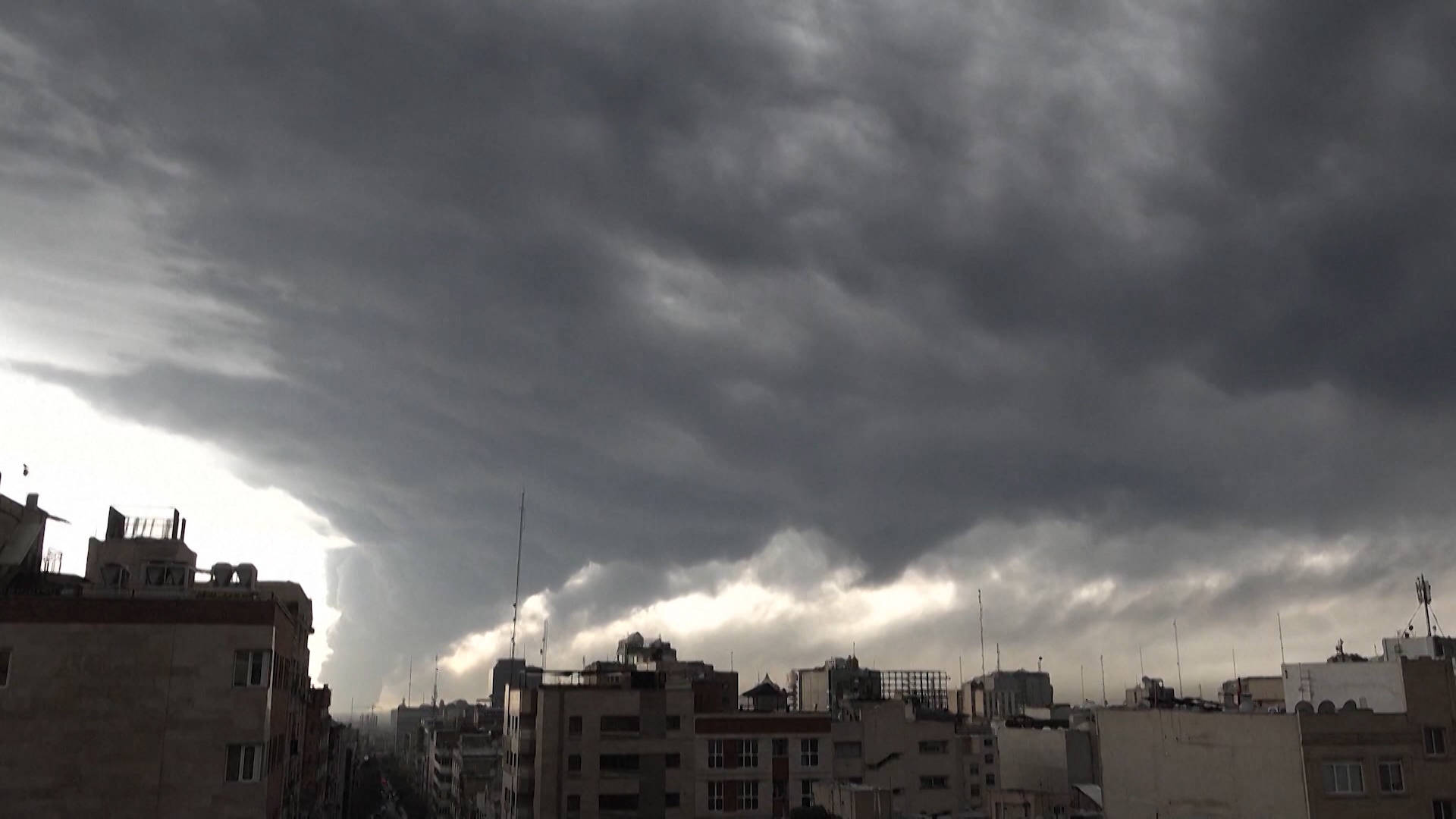
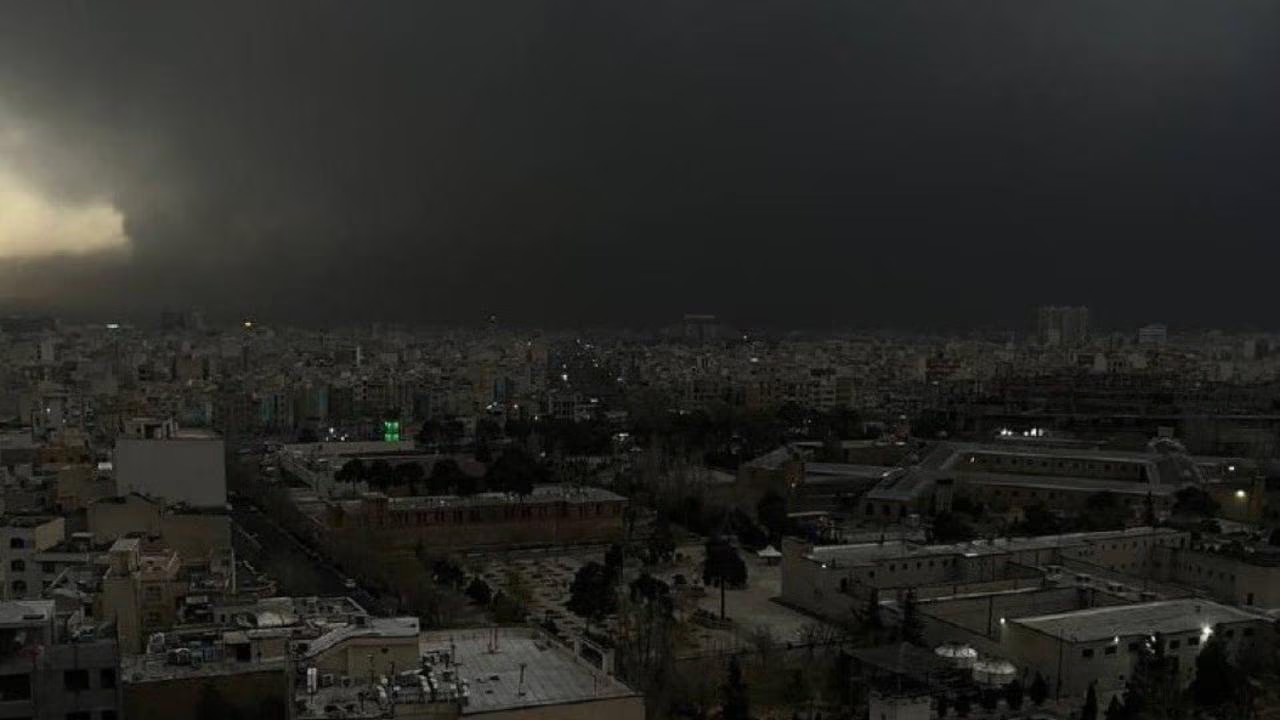
The explosions sent towering flames and thick plumes of black smoke into the sky. By Sunday morning, the smoke had spread widely across the capital, casting a dark, ominous shadow over the city and making it difficult for residents to breathe.
At one of the sites hit during the strikes, six people were killed and 20 others were injured.
Local journalist Mohammad Khatibi described the situation as chaotic and alarming.
“Last night was horrible for Iran. This is not cloud, but smoke from the fuel depots which were hit last night,” he said.
“Right now there is smoke in the air and people have a hard time breathing because of hydrocarbons and smoke combined with clouds.”
He also noted that rainfall later caused hydrocarbons in the polluted air to fall back to the ground.
“When it rained earlier today, it caused the fall of hydrocarbons and cars were damaged because of particles of hydrocarbons.”
Tehran Residents Witness “Black Rain” and Toxic Drizzle
Shortly after the strikes, many residents reported a strange form of rainfall. Instead of clear droplets, the rain appeared dark and oily, leaving residue on cars, buildings, and streets.
Some people described the phenomenon as “black rain”, while others referred to it as “petrol rain.” Social media posts from residents described the situation as “apocalyptic.”
In some areas, the smoke was so thick that it blocked sunlight entirely, forcing people to switch on lights during the daytime.
After the rainfall, many residents reported burning eyes, throat irritation, and breathing discomfort, suggesting that the precipitation contained harmful pollutants.
One resident told reporters:
“God knows what will happen to us. We still have water, electricity and food.”
Another local said the situation had become overwhelming:
“It’s very scary. Day and night, eating and sleeping — it’s all over the place.”
🚨🇮🇷 The fuel storage strikes aren't just killing people today. They're creating a cancer epidemic 30 years from now.
When petroleum burns, it releases sulfur oxides, nitrogen oxides, and toxic hydrocarbons. When those mix with rain, they become sulfuric acid and nitric acid.… https://t.co/If6ZGIcHx3 pic.twitter.com/GZ3gzOWjIR— Mario Nawfal (@MarioNawfal) March 8, 2026
Authorities Warn Residents to Stay Indoors
As reports of toxic rainfall spread, Iranian authorities issued urgent safety warnings.
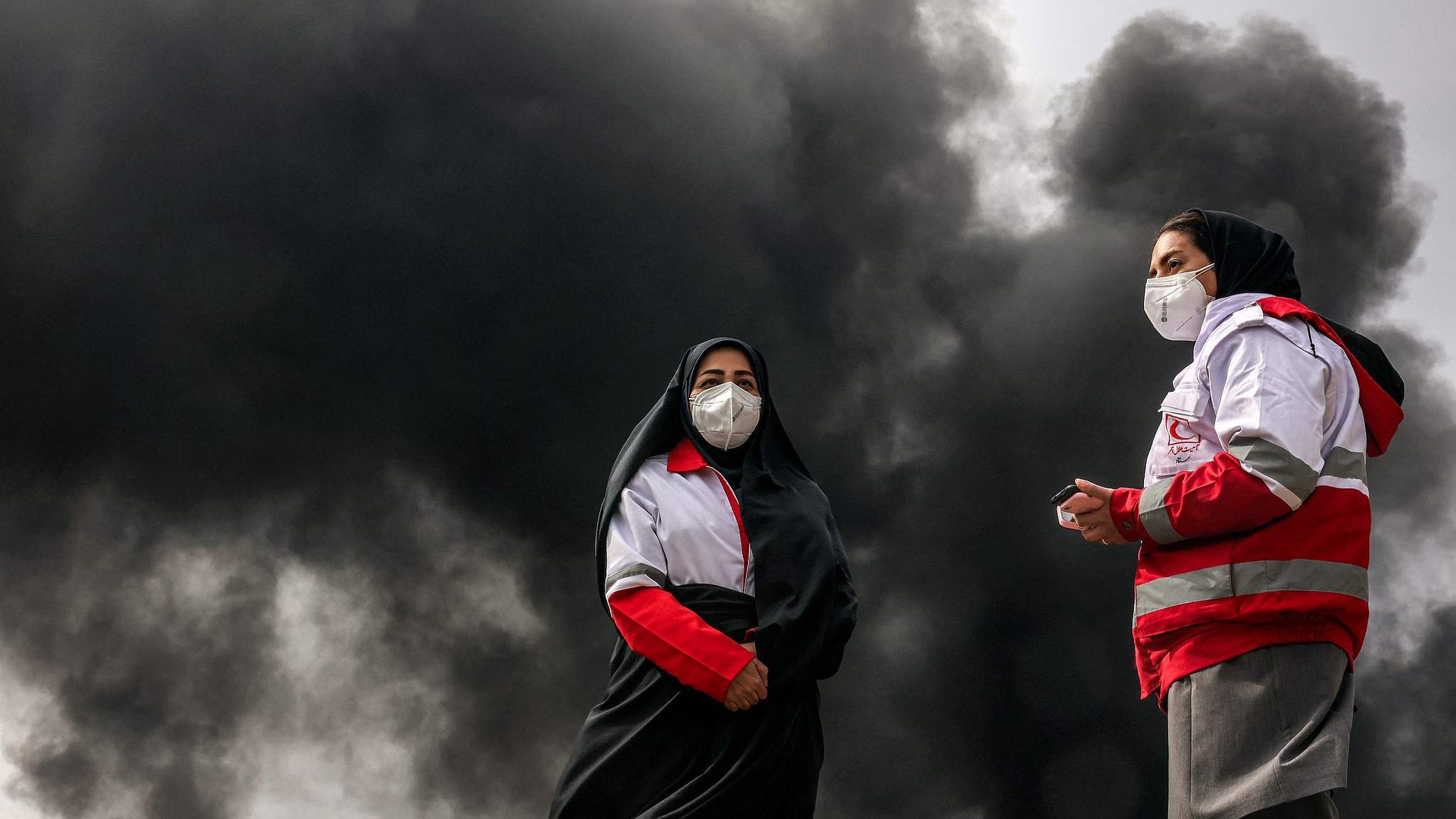
Iran’s environmental agency advised residents of Tehran to stay indoors due to the polluted air and rainfall. The Iranian Red Crescent also warned that the drizzle could contain toxic chemicals capable of damaging skin and lungs.
Officials urged citizens to take several precautions:
-
Avoid going outside immediately after rainfall
-
Do not use air conditioners, which could draw contaminated air indoors
-
Wear protective masks if leaving the house
Tehran’s governor echoed the warning, recommending that residents wear masks outdoors to limit exposure to airborne pollutants.
How a Weather System Turned Smoke Into “Petrol Rain”
Meteorologists say the unusual rainfall was the result of an extratropical storm system interacting with pollution from the burning oil depots.
The storm reportedly formed over the Caspian region and moved south across northern Iran, bringing widespread rainfall to Tehran.
At the same time, fires at the fuel depots were releasing massive amounts of:
-
Smoke
-
Soot
-
Hydrocarbons
-
Petroleum vapours
Strong winds and rising air currents from the storm likely lifted these pollutants into the atmosphere, where they mixed with rain clouds.
When the storm released precipitation over the capital, the contaminated droplets fell back to the ground as rain mixed with soot and petroleum particles, creating the oily residue reported by residents.
Meteorologists say the storm system is now moving northeast toward Turkmenistan. Forecast models suggest it could contribute to the formation of another extratropical storm over Afghanistan, potentially bringing rain, hail, and snow to parts of Pakistan and Afghanistan in the coming days.
Scientists note that although such polluted rainfall is rare, it can occur when large industrial fires coincide with strong atmospheric systems, allowing toxic emissions to be carried into clouds and redistributed over wide areas.
What Exactly Is Acid Rain?
Acid rain refers to any form of precipitation — rain, snow, sleet, or fog — that contains unusually high levels of acid, particularly nitric and sulfuric acids.
It forms when gases such as sulfur dioxide (SO₂) and nitrogen oxides (NOx) enter the atmosphere. These gases typically come from: Burning fossil fuels, Industrial emissions, Volcanic eruptions and Large-scale fires.
Once released into the air, these compounds react with water vapour, oxygen, and other chemicals, forming dilute solutions of sulfuric and nitric acid.
Normal rainwater is slightly acidic with a pH of about 5.6, but acid rain usually has a pH between 4.2 and 4.4, making it significantly more corrosive.
Acid rain can cause serious environmental damage, including: Leaching aluminium from soil, Damaging forest canopies and Corroding stone buildings and metal structures.
Why War-Induced Acid Rain Is More Dangerous
While industrial acid rain typically develops gradually over years due to pollution, war-induced acid rain is a sudden and intense environmental disaster.
Industrial acid rain is usually the result of long-term emissions from power plants and vehicle exhaust. Because it develops slowly, it is often regulated through environmental treaties and pollution controls.
In contrast, acid rain caused by missile strikes or explosions occurs rapidly due to large-scale combustion of fuels and chemicals.
Such events can release massive quantities of pollutants into the atmosphere in a short time, leading to:
-
Highly localized but intense acidic rainfall
-
Higher concentrations of toxins
-
Contamination of soil, water supplies, and crops
War-related acid rain can also carry heavy metals and hazardous hydrocarbons, which pose additional risks to human health and ecosystems.
How Oil Depot Explosions Can Create Acid Rain
When oil depots explode or burn, they release enormous amounts of pollutants into the atmosphere.
The process typically unfolds in several stages:
1. Combustion and Gas Release
The high-temperature burning of oil produces significant quantities of sulfur dioxide and nitrogen oxides.
2. Chemical Reactions in the Atmosphere
These gases react with water vapor, oxygen, and other atmospheric chemicals, converting into:
-
Sulfuric acid from sulfur dioxide
-
Nitric acid from nitrogen oxides
3. Formation of Acidic Clouds
The acids dissolve in water droplets within clouds.
4. Acidic Precipitation
When rain falls, it carries these acids to the ground, sometimes appearing as “black rain” if mixed with soot and unburned hydrocarbons.
Missile Strikes Can Also Trigger Acid Rain
Missile explosions themselves can release chemicals that contribute to acid rain.
This occurs through two main pathways:
Direct Chemical Release
Missiles and artillery rockets often contain substances such as sulfur and nitrogen oxides. For example, the explosion of a BM-21 Grad rocket can release over 500 grams of sulfur, which can react with atmospheric water to form sulfurous acid.
Secondary Fires
Strikes on industrial infrastructure — such as oil depots, gas storage sites, and chemical plants — can ignite large fires that release enormous quantities of toxic pollutants, including hydrocarbons, sulfur dioxide, and nitrogen oxides.
These emissions can quickly lead to localized acidic rainfall if weather conditions are favorable.
Health Risks of Toxic Rain
Exposure to pollutants associated with acid rain can have serious health effects.
Dr. Shahram Kordasti, a UK-based Iranian haemato-oncologist, warned that toxic gases and fine particulate matter in polluted rainfall can cause multiple health problems.
Potential health impacts include:
-
Eye irritation and burning sensations
-
Throat irritation and coughing
-
Worsening of asthma and pulmonary diseases
-
Increased risk of heart disease
-
Possible long-term cancer risks
The World Health Organization also notes that large oil fires release dangerous pollutants such as soot, hydrocarbons, and toxic chemicals that can irritate the lungs and skin. The severity of these effects depends on exposure duration and pollutant concentration.
Historical Examples of War-Related Acid Rain
The situation in Tehran is not the first time warfare has contributed to acid rain or highly acidic precipitation.
Kuwait – Gulf War (1991)
During the retreat from Kuwait, Iraqi forces set over 600 oil wells on fire. The resulting smoke released about 24,000 tons of sulfur dioxide per day, creating massive soot clouds and acid rain that spread nearly 1,920 kilometres and affected countries including Turkey, Bulgaria, Romania, Afghanistan, and Pakistan.
Syria (2013–2017)
Although the Syrian conflict is widely known for chemical weapons use, strikes on chemical stockpiles and industrial facilities also released pollutants capable of causing localized environmental acidification.
Ukraine (2022–Present)
Missile and artillery strikes on industrial infrastructure — including nitric acid tanks in Rubizhne — have produced chemical clouds that could trigger localized acid rain. Explosions from rockets such as the BM-21 Grad also release sulfur and nitrogen oxides that contribute to acidic precipitation.
A Dangerous Intersection of War, Pollution, and Weather
The toxic rainfall over Tehran illustrates how military conflict can create sudden environmental disasters when industrial infrastructure becomes a target.
When massive fires release pollutants into the air and strong weather systems carry them into clouds, the result can be contaminated rainfall that threatens both human health and ecosystems.
Although meteorologists say the storm responsible for the polluted rain is now moving away from Iran, the incident serves as a stark reminder that modern warfare can produce far-reaching environmental consequences far beyond the battlefield.
With inputs from agencies
Image Source: Multiple agencies
© Copyright 2025. All Rights Reserved. Powered by Vygr Media.