 By
By 
New Delhi: India's agriculture sector is once again facing heightened uncertainty as meteorologists warn of a strengthening El Niño, a weather phenomenon historically associated with weaker monsoon rainfall across South Asia. With agriculture contributing significantly to the country's economy and supporting the livelihoods of millions, experts believe a below-normal monsoon could have far-reaching implications for crop production, food inflation, water availability and overall economic growth.
Drawing attention to the mounting risks, recent analyses have highlighted that India's nearly $300-billion agricultural economy could face renewed disruption if El Niño conditions intensify during the southwest monsoon season. While India has strengthened its food security systems over the years, concerns remain over the vulnerability of rain-fed farming regions that continue to depend heavily on timely and adequate rainfall.
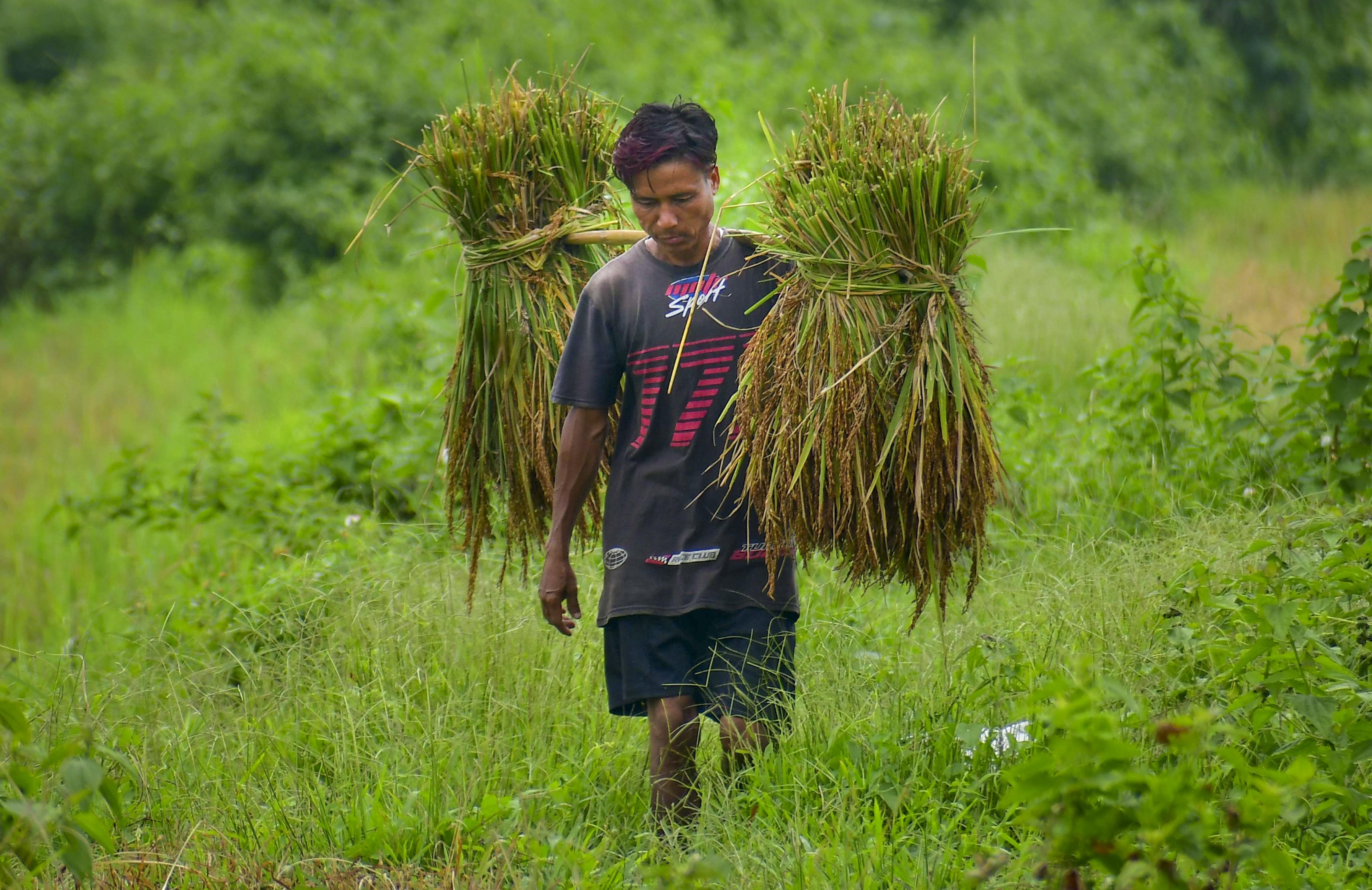
Monsoon Delay Raises Fresh Concerns
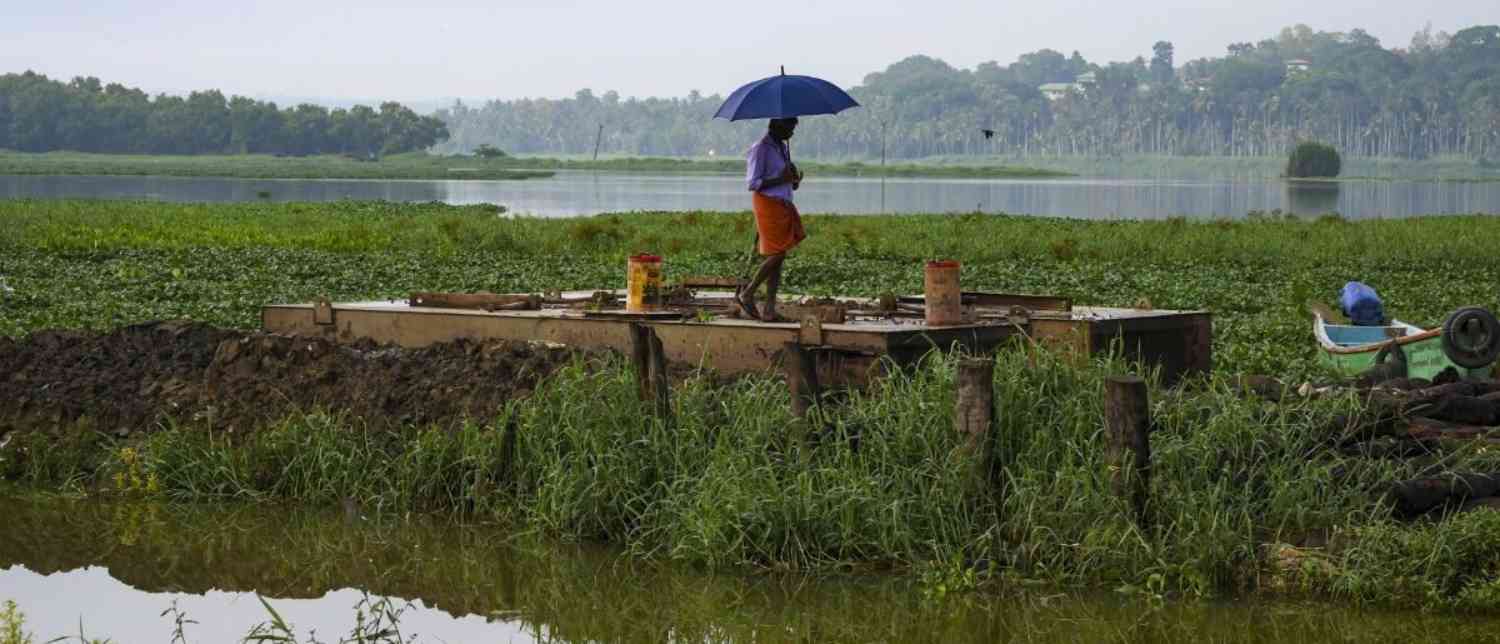
The southwest monsoon plays a vital role in India's agricultural cycle, especially for the kharif cropping season. Any delay in its onset or uneven rainfall distribution can directly affect sowing activities, crop growth and eventual yields.
Weather experts have indicated that the emergence of El Niño could interfere with normal monsoon patterns, raising the possibility of below-average rainfall across several agricultural regions. Historically, strong El Niño events have often coincided with deficient monsoon seasons in India, although the relationship is not absolute and other climatic factors also influence rainfall.
Central and western parts of the country are considered particularly vulnerable to rainfall deficits during El Niño years, potentially affecting the cultivation of key crops including rice, pulses, oilseeds and cotton.
Agriculture Still Heavily Dependent on Rainfall
Despite considerable progress in irrigation infrastructure and agricultural modernization, a substantial portion of Indian farming continues to rely on seasonal rainfall.
According to the concerns highlighted in the editorial, nearly 51% of India's net sown area remains dependent on monsoon rains. This makes millions of farmers vulnerable to weather-related disruptions, especially in regions where irrigation coverage remains limited.
Delayed rainfall can postpone sowing operations, reduce acreage under cultivation and ultimately lower agricultural output if rainfall deficiencies persist throughout the season.
Hundreds of Districts Under Watch
Authorities have reportedly identified 315 districts that require close monitoring due to the possibility of poor monsoon conditions.
Keeping vulnerable districts under watch enables governments to plan timely interventions, including drought preparedness, irrigation support and contingency crop planning. Such advance monitoring can help minimize losses if rainfall falls significantly below normal.
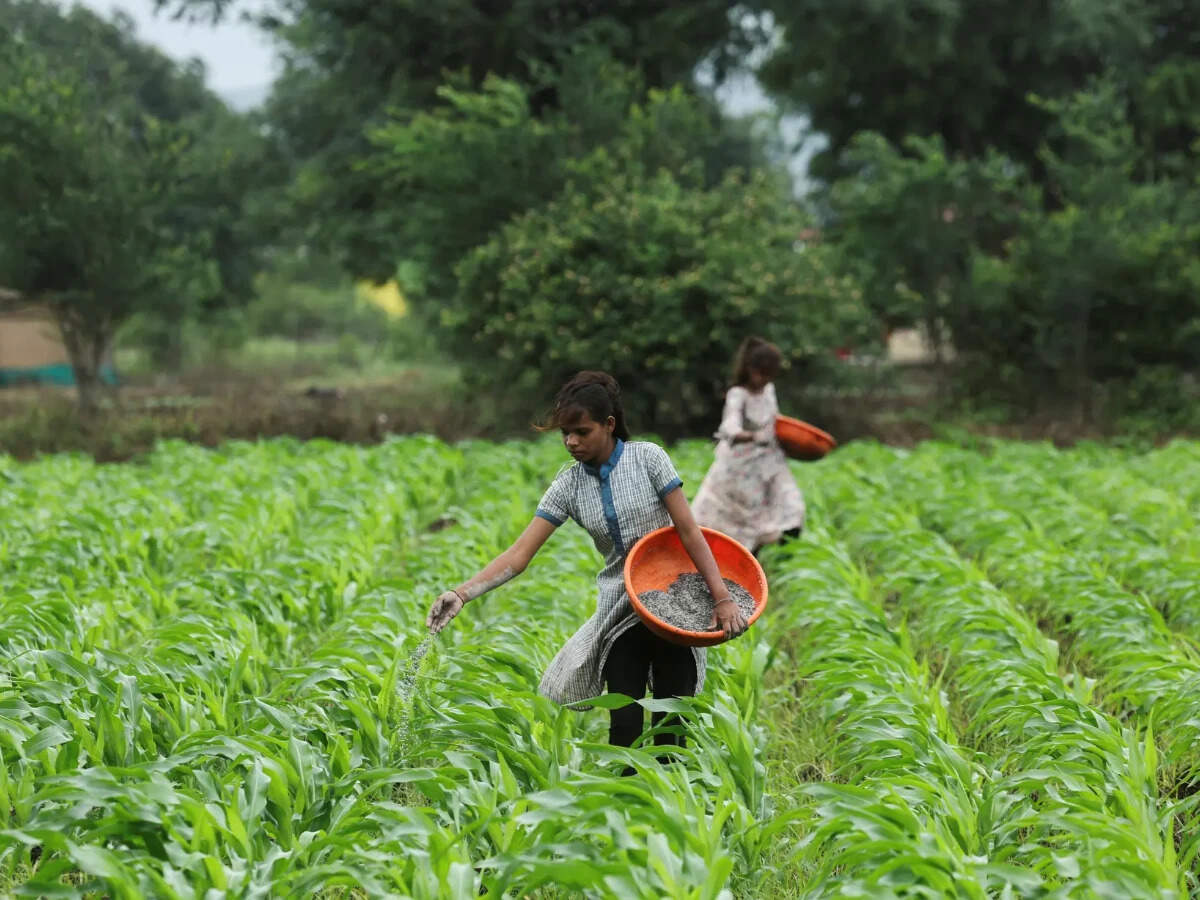
Food Inflation Could Return as a Major Concern
Agricultural experts warn that reduced farm output resulting from inadequate rainfall could quickly translate into higher food prices.
Lower production of cereals, pulses, vegetables and oilseeds would tighten market supplies, pushing up retail prices and adding pressure to household budgets. Food inflation has historically emerged as one of the most immediate economic consequences of weak monsoons.
Higher food prices can also complicate monetary policy, influence consumer spending and affect broader economic growth.
Impact Beyond Farms
The consequences of a weak monsoon extend well beyond agriculture.
Reduced agricultural production can affect rural incomes, lower consumption demand and slow economic activity across sectors connected to farming. Industries linked to fertilizers, farm machinery, transportation and food processing may also experience indirect impacts.
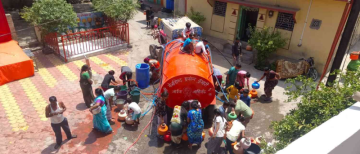
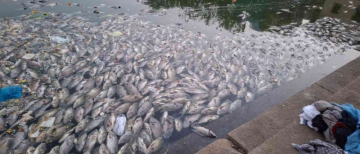
In addition, lower rainfall can reduce reservoir levels, strain drinking water supplies and limit hydroelectric power generation in some regions.
Climate Change Making Weather More Unpredictable
Experts increasingly believe that climate change is amplifying the unpredictability of weather systems.
While El Niño has long been a natural climatic phenomenon, changing global temperatures are believed to be contributing to more erratic rainfall patterns, prolonged dry spells and extreme weather events. These changing conditions make agricultural planning more difficult for farmers and policymakers alike.
Instead of experiencing evenly distributed rainfall throughout the monsoon season, many regions now witness prolonged dry periods interrupted by intense rainfall events, reducing the effectiveness of seasonal precipitation for agriculture.
India Better Prepared Than in the Past
Although the risks remain significant, India today is considerably better positioned to withstand weather shocks than it was decades ago.
Improved foodgrain stocks, expanded irrigation networks, better logistics, enhanced agricultural technology and stronger public procurement systems have strengthened the country's resilience against temporary production shortfalls.
Government buffer stocks of essential grains can help stabilize supplies and moderate food inflation if domestic production declines.
Better transportation infrastructure also enables food to be moved more efficiently from surplus-producing regions to deficit areas.
Need for Transparent Communication
Experts emphasize that governments should communicate clearly and proactively with citizens about evolving weather conditions instead of allowing uncertainty to fuel anxiety.
Transparent dissemination of meteorological forecasts, crop advisories and contingency plans can help farmers make informed decisions regarding sowing schedules, crop selection and water management.
Public confidence is strengthened when authorities regularly update people about rainfall trends and preparedness measures.
Water Management Becomes Critical
A below-normal monsoon would place additional pressure on India's already stressed water resources.
Efficient reservoir management, groundwater conservation and judicious water use become especially important during rainfall-deficient years. Experts also stress the importance of addressing interstate coordination on river water sharing to minimize conflicts if water availability declines.
Improved irrigation efficiency, rainwater harvesting and watershed management could further reduce the impact of rainfall shortages.
Supporting Farmers Through Preparedness
Agricultural resilience depends not only on weather forecasts but also on timely policy interventions.
Governments can reduce farmer distress by ensuring adequate availability of seeds suitable for changing rainfall conditions, promoting drought-resistant crop varieties, strengthening crop insurance coverage and expanding access to agricultural extension services.
Financial assistance and timely advisories can help farmers adapt their cultivation strategies when weather patterns become unfavourable.
Balancing Immediate Relief With Long-Term Adaptation
Experts argue that responding to El Niño requires both immediate preparedness and long-term climate adaptation strategies.
Short-term measures include monitoring rainfall, protecting water supplies and supporting vulnerable farmers. Over the longer term, expanding irrigation coverage, investing in climate-resilient agriculture, improving forecasting capabilities and promoting sustainable water management will become increasingly important as climate variability intensifies.
Outlook
While the eventual impact of El Niño on India's monsoon will depend on the evolution of atmospheric and oceanic conditions during the season, policymakers, farmers and consumers are preparing for a range of possible outcomes.
India's strengthened food security systems provide a stronger safety net than in previous decades, but the country's continued dependence on monsoon rainfall means vigilance remains essential. With millions of livelihoods tied to agriculture and food prices influencing the broader economy, careful planning, transparent communication and timely interventions will be critical in mitigating the risks posed by an El Niño-affected monsoon.
With inputs from agencies
Image Source: Multiple agencies
© Copyright 2026. All Rights Reserved. Powered by Vygr Media.