 By
By 
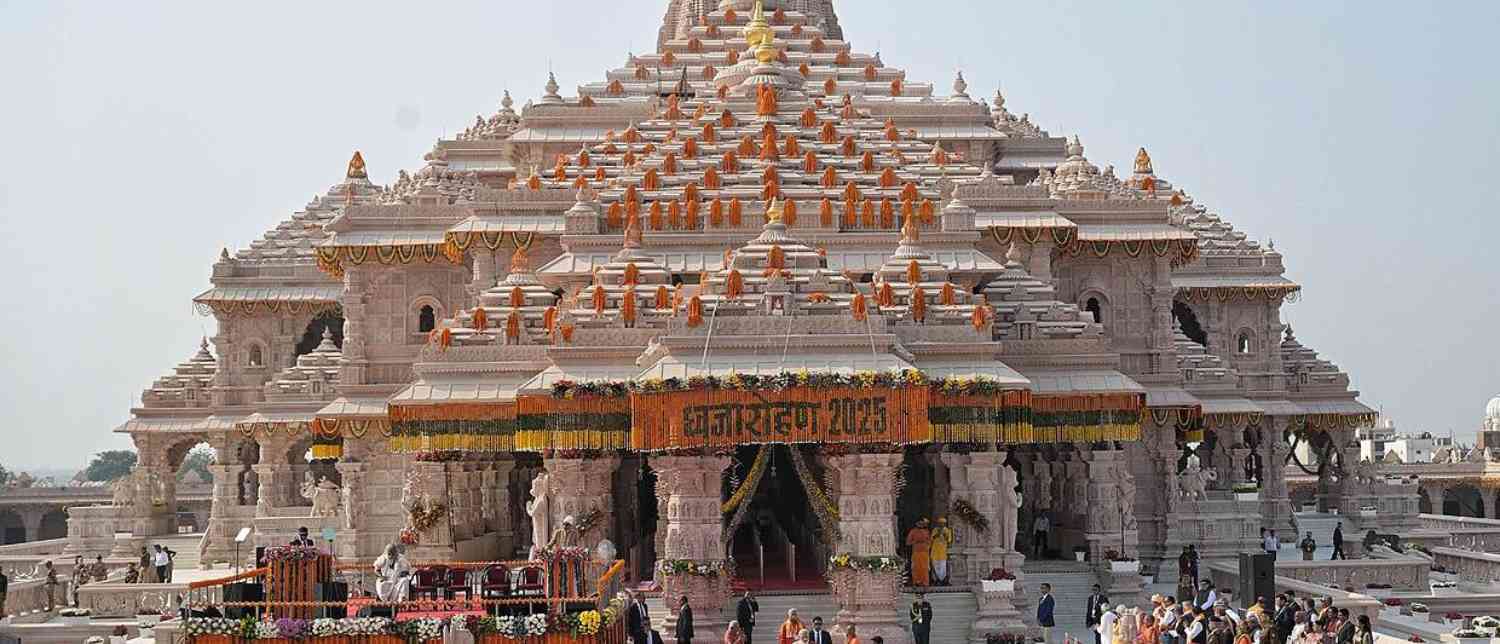
The alleged embezzlement of donations at the Ram Temple in Ayodhya has snowballed into one of the most closely watched controversies surrounding India's most prominent religious institution. What began as an internal financial review has now led to multiple arrests, a Special Investigation Team (SIT) probe, the recovery of large sums of cash, resignations of senior trust functionaries, and a fierce political battle over transparency and accountability.
While investigators maintain that the probe is still underway, the developments have raised serious questions about the systems governing one of the country's largest donation-driven religious trusts.
Internal audit sparks suspicion
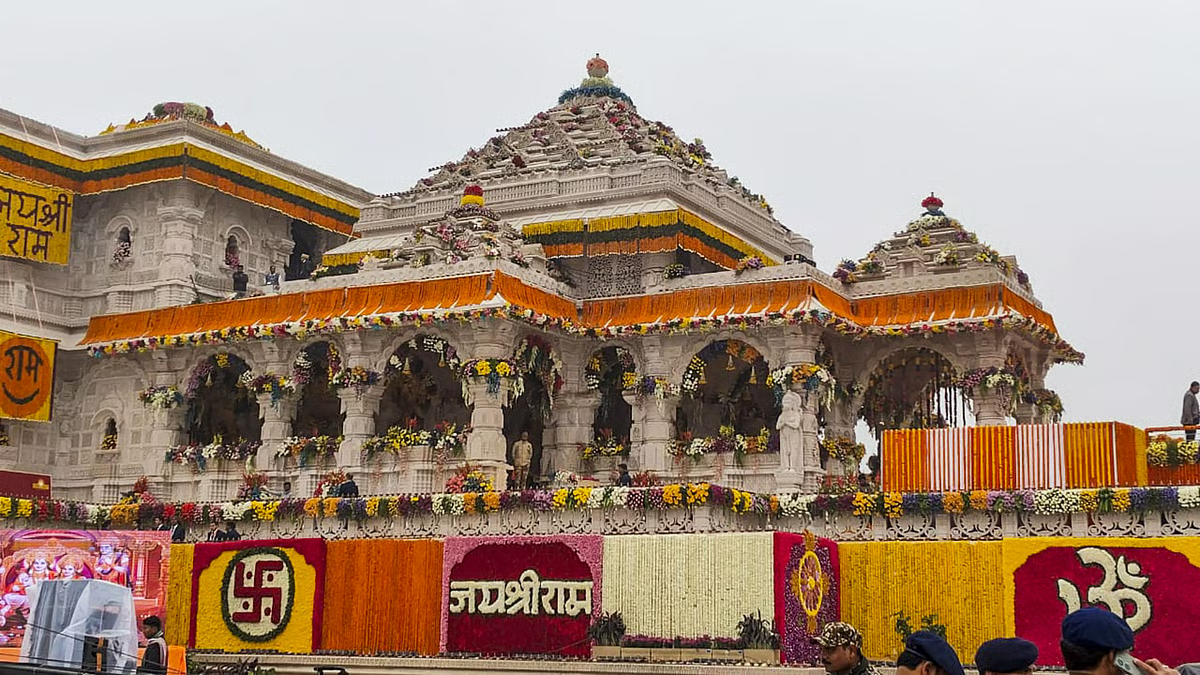
The controversy first surfaced after irregularities were reportedly noticed during an internal audit of donations received at the Shri Ram Janmabhoomi Teerth Kshetra Trust. According to officials, the trust itself requested an independent investigation, following which the Uttar Pradesh government constituted a three-member SIT on June 13 under the directions of Chief Minister Yogi Adityanath.
The SIT comprises Lucknow Divisional Commissioner Vijay Vishwas Pant, Inspector General of Police Kiran S., and Finance Department Special Secretary Neel Ratan. The state government said the investigation was initiated to establish the truth, examine allegations relating to temple donations and financial management, and dispel misinformation.
Soon after its formation, the SIT began examining records inside the temple complex, questioning trust officials, employees, security personnel and those associated with counting and handling donations.
How the temple donation system works
The Ram Temple receives donations through multiple channels. Devotees contribute cash into donation boxes located across the temple premises, while digital donations are accepted through authorised banking channels and online payment systems. Gold, silver, jewellery and other valuables offered by devotees are separately documented.
Cash collected from donation boxes is periodically transported to a designated counting centre, where authorised personnel count the money in the presence of representatives of the trust and the State Bank of India before it is deposited into bank accounts. Internal audits are also carried out periodically to reconcile collections with deposits.
According to investigators, the alleged fraud did not involve hacking of digital transactions but is suspected to have taken place during the physical handling and counting of cash donations.
Probe uncovers procedural lapses
As the SIT expanded its investigation, officials found what they described as multiple violations of standard operating procedures that allegedly allowed the diversion of donations over a prolonged period.
Investigators reportedly identified weaknesses in oversight, inadequate supervision of counting operations and failures in internal monitoring mechanisms. These systemic shortcomings, according to the preliminary findings, enabled the alleged thefts to continue without immediate detection.
The SIT also widened its inquiry beyond missing cash to examine appointments, recruitment practices, administrative procedures and security arrangements introduced after the temple's inauguration.
CCTV footage and cash recovery
The investigation gathered pace after CCTV footage allegedly showed some employees repeatedly removing cash from donation collections. Reports suggest that despite video evidence, timely corrective action was not taken, allowing the alleged thefts to continue.
Police teams subsequently carried out searches at the residences of several suspects. One of the most significant recoveries came from the residence of temporary donation-counting worker Lavkush Mishra, where ₹10 lakh in cash was allegedly found concealed beneath a pile of cow dung.
As the investigation progressed, authorities recovered around ₹80 lakh in cash linked to the case. Officials believe the money represents only part of the suspected misappropriation and continue to investigate the flow of funds.
Eight arrested in the case
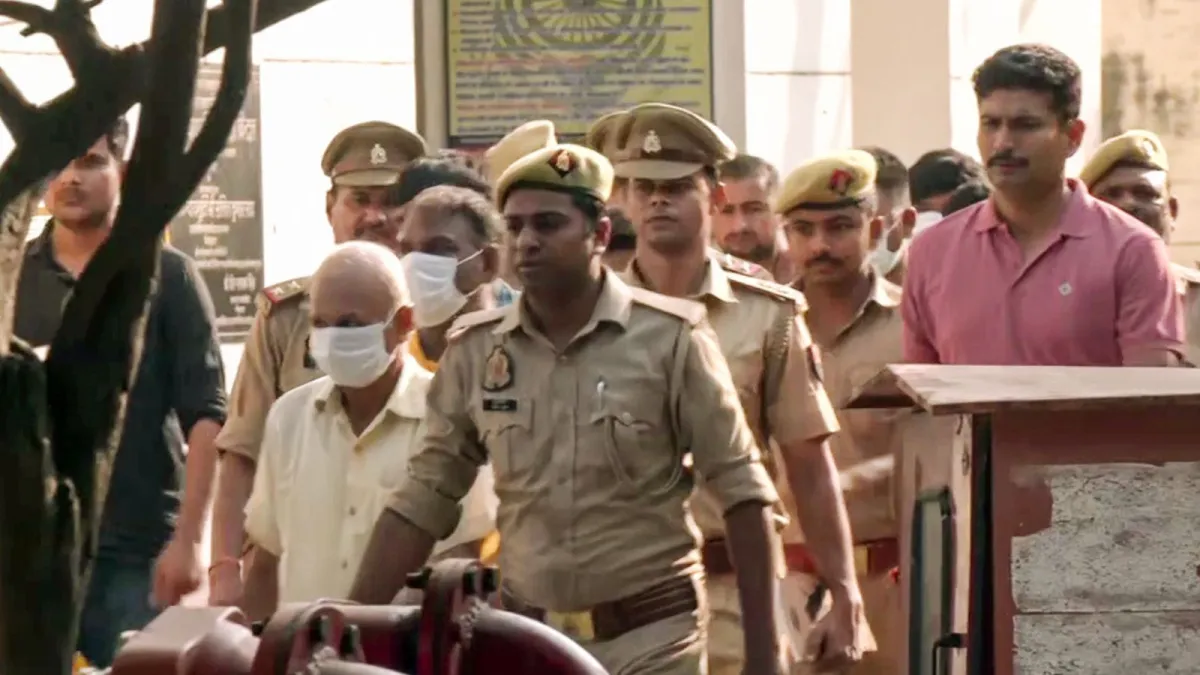
Based on the SIT's findings, Uttar Pradesh Police registered an FIR and arrested eight individuals allegedly involved in the embezzlement.
Among those arrested are temple employees, contractual workers and individuals associated with handling donations. According to reports, one of the key accused is Ramashankar Yadav, popularly known as "Tinnu", who worked as an attendant and was reportedly closely associated with senior trust officials. Other accused include former bank personnel and temporary staff entrusted with counting donations.
Investigators suspect that insiders familiar with the donation-counting process exploited procedural loopholes to siphon off cash before it reached the banking system. All eight accused were produced before a court and remanded to judicial custody as the investigation continued.
Senior trust officials questioned
The SIT questioned several members associated with the temple administration, including senior trust office-bearers, regarding recruitment procedures, appointment of donation-counting personnel and protocols governing the handling of offerings.
Trust General Secretary Champat Rai and trustee Dr Anil Mishra were among those questioned as investigators sought clarity on administrative processes and oversight mechanisms.
Earlier, Champat Rai had maintained that routine internal audits involving the trust and State Bank of India had not initially revealed any major discrepancies. However, the subsequent investigation significantly expanded after evidence emerged during the SIT inquiry.
Resignations deepen the controversy
The controversy took a dramatic turn when Champat Rai stepped down as General Secretary of the Shri Ram Janmabhoomi Teerth Kshetra Trust, reportedly on moral grounds. Trustee Anil Mishra also submitted his resignation.
However, conflicting reports emerged over the status of these resignations, with the Vishva Hindu Parishad stating it had no official confirmation regarding the developments, adding another layer of uncertainty to the unfolding controversy.
Chief Minister promises strict action
Chief Minister Yogi Adityanath has repeatedly asserted that no one found guilty would be spared.
According to officials, action against the accused began immediately after the SIT submitted its preliminary report. The Chief Minister described Ayodhya as a symbol of faith for millions and emphasised that any attempt to misuse devotees' offerings would invite strict legal action.
Ram Temple Construction Committee Chairman Nripendra Mishra also acknowledged shortcomings in the existing system, stating that even the Prime Minister was concerned about the "broken system". He noted that CCTV recordings are automatically erased after 45 days, complicating investigations into older incidents.
Political reactions intensify
The alleged scam has quickly become a major political flashpoint.
The Congress has demanded a Supreme Court-monitored investigation, alleging that the state-led probe may not be sufficient to uncover the complete truth. The party has also sought wider accountability and called for reforms in the management of the trust.
Samajwadi Party chief Akhilesh Yadav described the alleged theft as a "maha paap" (great sin), questioning the effectiveness of the SIT and accusing the government of failing to safeguard devotees' faith. The BJP rejected the criticism, accusing the opposition of politicising a sensitive religious issue while defending the ongoing investigation.
Beyond political circles, the controversy has triggered a broader public debate on governance, transparency and financial accountability in religious institutions that receive massive public donations.
Investigation still underway
Officials have made it clear that the SIT's findings so far are preliminary and that the investigation remains active. The inquiry continues to examine financial records, recruitment practices, surveillance systems and administrative processes to determine whether additional individuals or systemic failures contributed to the alleged embezzlement.
The case has underscored the importance of robust internal controls, transparent accounting practices and independent oversight for institutions handling large public donations. As investigators continue to unravel the alleged fraud, the outcome of the probe is expected to shape future reforms in the management of religious trusts across the country.
For now, the Ayodhya Ram Temple donation row remains both a criminal investigation and a test of institutional accountability, with millions of devotees awaiting answers on how offerings made in faith could allegedly be diverted through failures in oversight and administration.
With inputs from agencies
Image Source: Multiple agencies
© Copyright 2026. All Rights Reserved. Powered by Vygr Media.