 By
By 
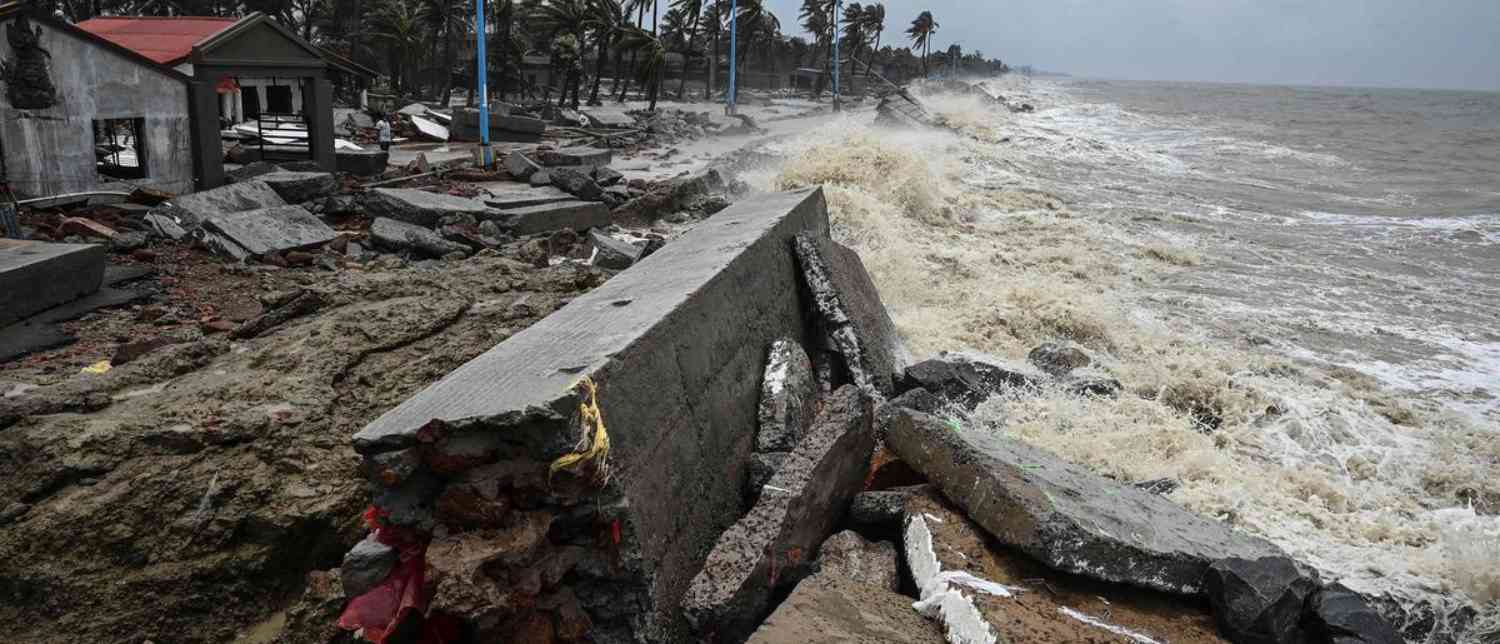
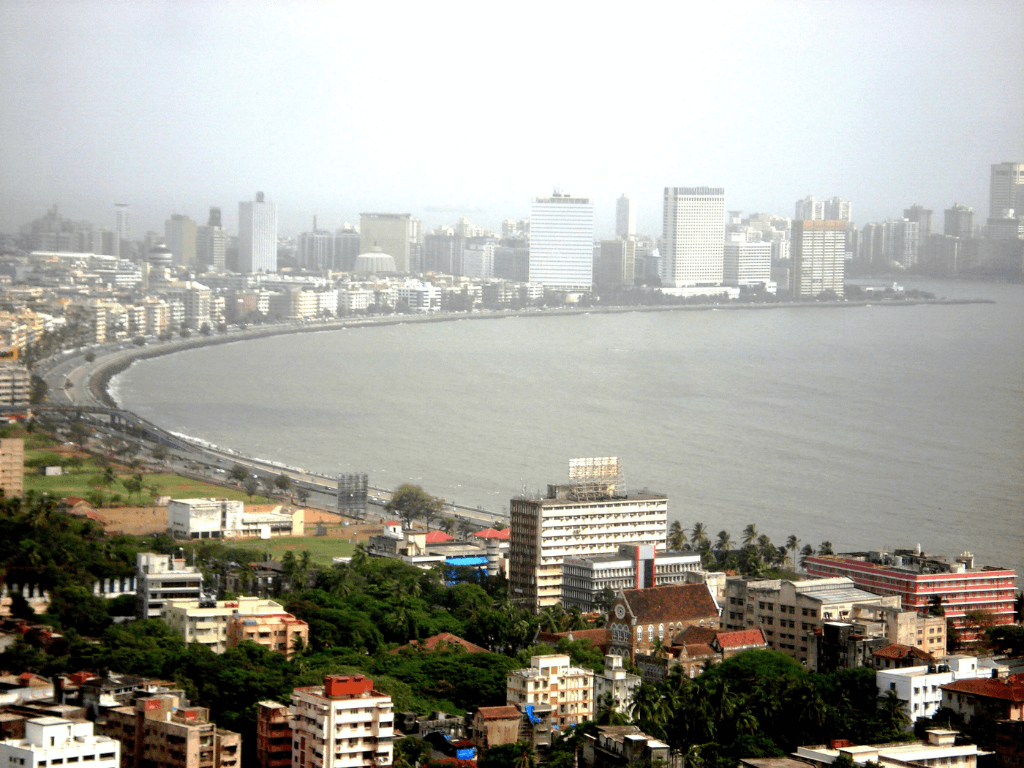
Millions of people living in India’s major coastal cities, including Kolkata and Mumbai, could face the loss of their homes as rising sea levels increasingly threaten low-lying urban regions, according to a new United Nations assessment.
The warning places sea-level rise firmly among the most pressing climate risks facing South Asia. The concern is no longer limited to occasional coastal flooding or damage during extreme weather events. The United Nations has cautioned that permanent inundation could eventually force millions of people from their homes, while rising seas are already putting urban infrastructure, freshwater resources, transport systems, sanitation networks and livelihoods under growing pressure.
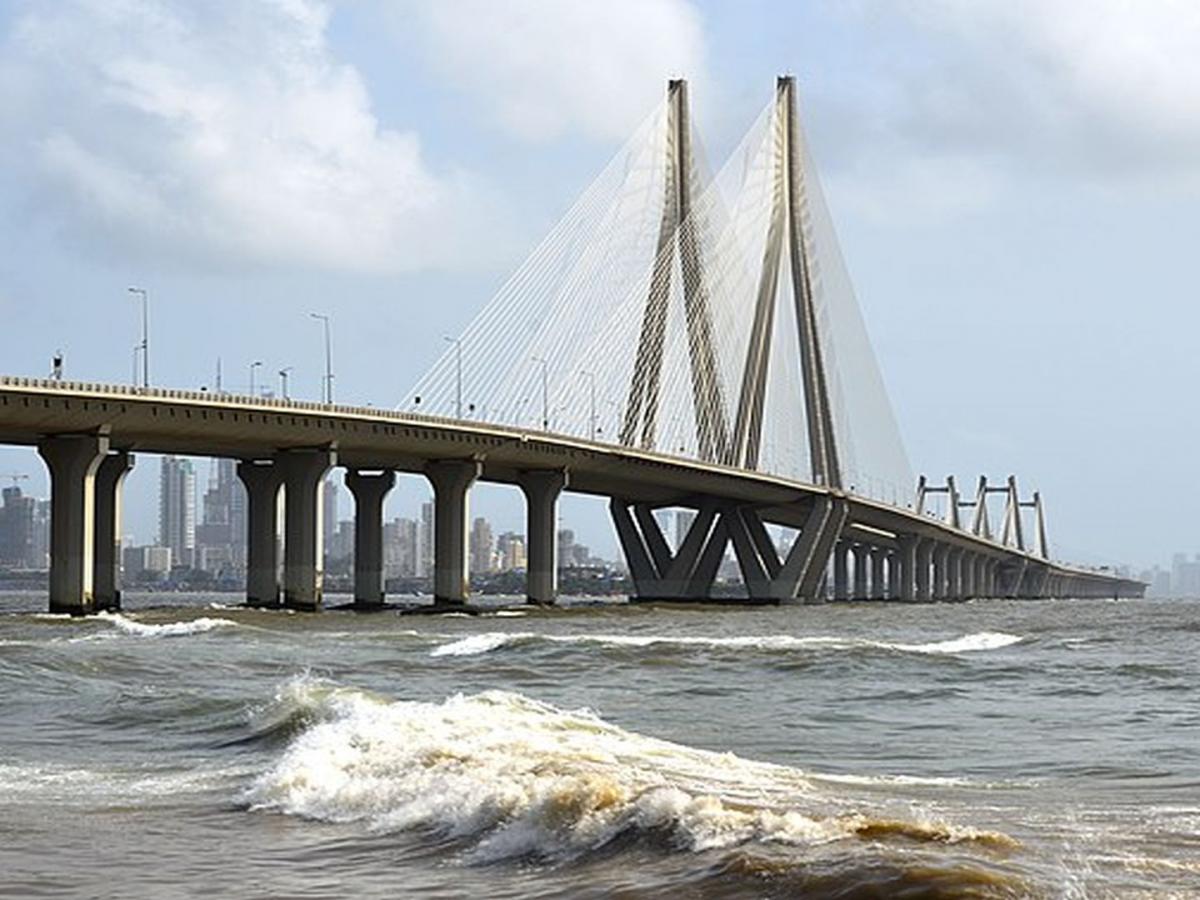
The UN Secretary-General’s report, Challenges related to sea level rise and ways and approaches to address it, highlights the particularly severe exposure of low-lying South Asian deltas. More than 14 million people in these areas, including populations in Kolkata and Mumbai in India and Dhaka in Bangladesh, are described as being at immediate risk of losing their homes to permanent inundation.
Kolkata and Mumbai face a distinctly human cost
The report draws an important distinction between the way sea-level rise could affect wealthy coastal cities and the consequences for vulnerable South Asian urban populations.
In cities such as Miami, New York and Guangzhou, the primary concern is the enormous economic value of infrastructure and other assets exposed to rising seas. The estimated value of assets at risk in these high-income coastal cities ranges between $2 trillion and $3.5 trillion.
For South Asia’s low-lying cities, however, the central concern is not simply the value of buildings or infrastructure. It is people.
The report identifies human displacement as the defining consequence for areas such as Kolkata, Mumbai and Dhaka, with more than 14 million people facing an immediate risk of losing their homes because of permanent inundation. It also argues that assessments of coastal vulnerability should give human displacement and loss of homes the same urgency that is often given to financial losses.
That distinction is particularly significant for densely populated cities where millions of people depend on relatively limited urban land, transport networks and public infrastructure. Large-scale displacement could therefore create consequences extending far beyond the areas directly affected by flooding.
Sea levels are rising faster
The warning comes against the backdrop of a measurable acceleration in global sea-level rise.
Between 2014 and 2023, global sea levels increased at an average rate of 4.7 millimetres a year. In 2024, the annual rise reached 5.9 millimetres, marking a new record. Exceptional ocean warming was identified as the primary factor behind the sharp increase.
The average annual rate for the 2012-2025 period stood at around 4.75 millimetres. The global mean sea level in 2025 remained close to the record-high level recorded in 2024, following an unusually rapid rise of roughly 5 millimetres between 2023 and 2024.
The underlying drivers are closely linked to human-induced global warming. As temperatures rise, glaciers and ice sheets lose mass while warmer seawater expands. Both processes contribute to higher ocean levels.
The report warns that the rate of sea-level rise is expected to continue increasing through 2050 because of warming already locked into the climate system. This means that even immediate reductions in greenhouse gas emissions cannot completely eliminate the sea-level changes already set in motion.
Nearly 770 million people live in highly exposed coastal areas
The threat extends well beyond India.
Nearly 770 million people — approximately 10% of the world’s population — live in coastal areas less than five metres above the high-tide line. These communities face growing exposure to flooding, erosion, saltwater intrusion and other consequences of rising seas.
For coastal cities, the danger is also multiplied by existing environmental and urban vulnerabilities. Rising seas can combine with land subsidence, extreme rainfall and storm surges, increasing the likelihood and severity of flooding.
In places where land itself is sinking, the relative rise of the sea can become even more damaging. The combination can accelerate the loss of usable land and put additional pressure on already stretched drainage and flood-management systems.
Freshwater and food security also face pressure
The impact of rising sea levels does not stop when floodwater reaches homes.
As seawater moves farther inland, freshwater aquifers can become increasingly saline. Saltwater intrusion can contaminate wells and soils, threatening access to drinking water while also affecting agriculture and irrigation.
Storm-driven seawater flooding can compound the problem by leaving long-lasting contamination in surface water and groundwater systems.
For communities dependent on coastal agriculture, fisheries and other natural resources, these changes can undermine livelihoods even before permanent displacement occurs. The degradation of coastal ecosystems can further reduce the natural protection and resources on which vulnerable populations depend.
The economic consequences could also spread through wider supply chains. Coastal cities are hubs for ports, trade, tourism, transport and industry. Damage to infrastructure in these locations can disrupt economic activity far beyond the flooded areas.
Public health risks could intensify
Rising sea levels are also emerging as a major public health concern.
Flooding can damage water and sanitation infrastructure, increase exposure to water-borne diseases and disrupt access to essential services. Prolonged or repeated flooding can increase the risk of injuries and deaths, while displacement can expose affected communities to overcrowding, insecurity and loss of livelihoods.
There is also a less visible consequence: psychological stress.
The UN assessment warns that the growing pressure associated with sea-level rise can contribute to mental health problems. The prospect of losing homes, livelihoods, communities and familiar surroundings can create significant long-term emotional strain, particularly for populations with limited resources to relocate or rebuild.
Climate change is turning sea-level rise into a development challenge
The implications extend into human rights and long-term economic development.
When homes become uninhabitable, people may be forced to relocate. When roads, power networks, water systems or ports are repeatedly damaged, economic activity becomes more difficult to sustain. When freshwater becomes contaminated, the consequences can affect public health, agriculture and everyday life simultaneously.
This makes sea-level rise more than an environmental issue. It is increasingly a question of urban planning, infrastructure, public health, economic stability and social protection.
The UN has warned that current regulatory and land-use planning frameworks do not sufficiently integrate river basins, freshwater systems, coastal areas and oceans. The gaps can disproportionately affect vulnerable sectors such as artisanal fishing, small-scale tourism and economies dependent on ports.
Early adaptation is becoming unavoidable
The latest warning does not mean that Kolkata and Mumbai are destined to disappear under the sea. Instead, it underscores the urgency of preparing for a risk that is already developing.
The UN has called for early, precautionary and long-term adaptation planning, backed by predictable and accessible financing. Stronger scientific and data capabilities, technical expertise and effective institutional and legal frameworks will also be essential.
For rapidly expanding coastal cities, adaptation could involve a combination of improved drainage and flood-management systems, stronger infrastructure, protection of natural coastal ecosystems, better land-use planning, improved monitoring and strategies to protect vulnerable communities.
But adaptation alone cannot eliminate the underlying problem. The acceleration of sea-level rise is closely connected to global warming, meaning long-term protection will also depend on reducing greenhouse gas emissions and limiting further warming.
A warning that brings the climate crisis closer to home
For residents of Kolkata and Mumbai, the significance of the UN assessment lies in how directly it connects a global climate trend with the future of ordinary urban life.
Sea-level rise is often discussed in terms of distant islands, melting glaciers or future climate scenarios. The latest assessment presents a different reality: coastal communities are already experiencing the consequences, while millions more could face increasingly severe risks.
The challenge for India’s coastal cities is therefore twofold — protecting people from the changes that can no longer be avoided while taking action to prevent the threat from becoming even larger.
With global sea levels continuing to rise and the pace showing signs of acceleration, the window for preparation is narrowing. For millions living in Kolkata, Mumbai and other vulnerable coastal regions, the question is no longer whether climate change will affect their cities. It is how effectively those cities can prepare before rising seas turn a growing environmental threat into a permanent displacement crisis.
With input from agencies
Image Source: Multiple agencies
© Copyright 2026. All Rights Reserved. Powered by Vygr Media.