 By
By 
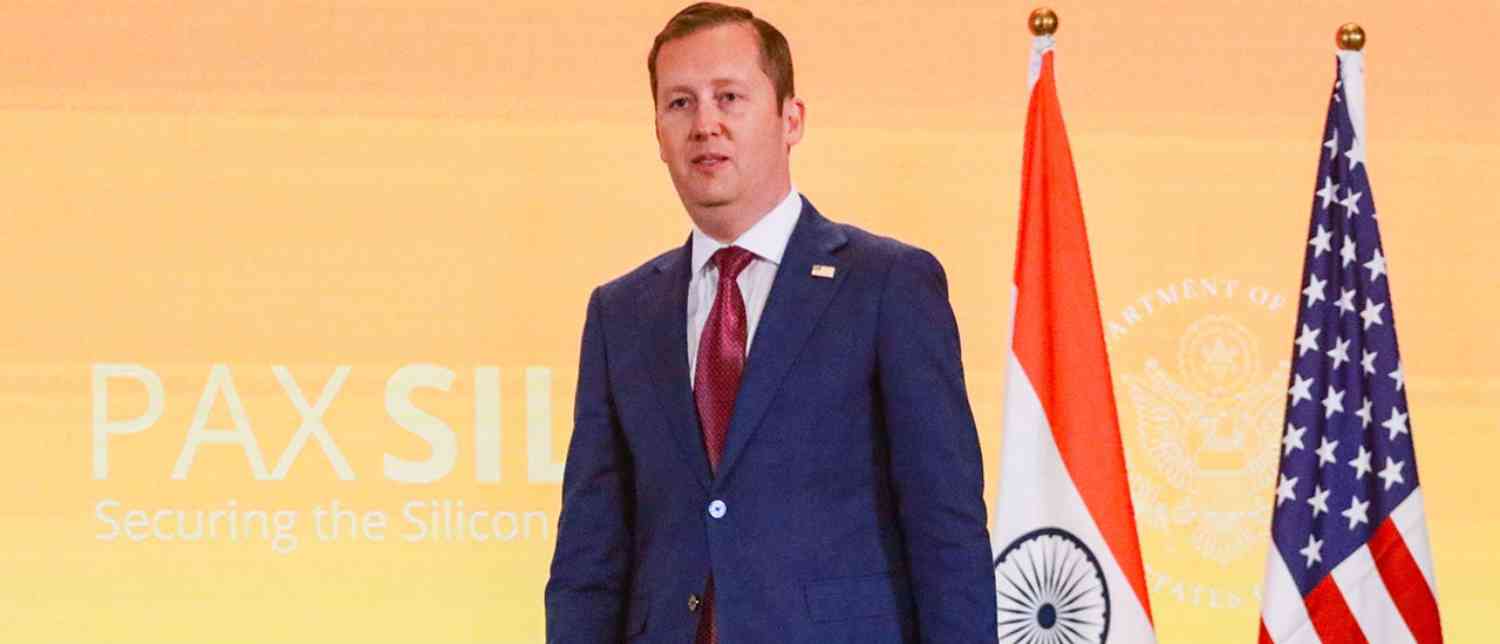
India-US Trade Deal Update: India and the United States are moving closer to a bilateral trade agreement, with US Ambassador Sergio Gor expressing confidence that the two countries are nearing a breakthrough. External Affairs Minister S Jaishankar has also indicated that negotiations are approaching a “landing point”, although some important issues remain unresolved. With trade, tariffs, energy security and investment at the centre of discussions, the proposed India-US trade deal could mark a significant step in the economic relationship between the two countries.
India-US Trade Deal: Major Issues Resolved, Says Sergio Gor
The long-awaited India-US trade deal appears to be entering a crucial phase, as senior officials from both countries signal progress in negotiations that have continued for around a year and a half.
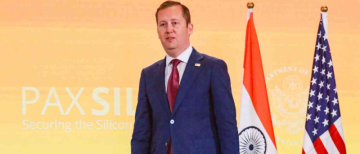
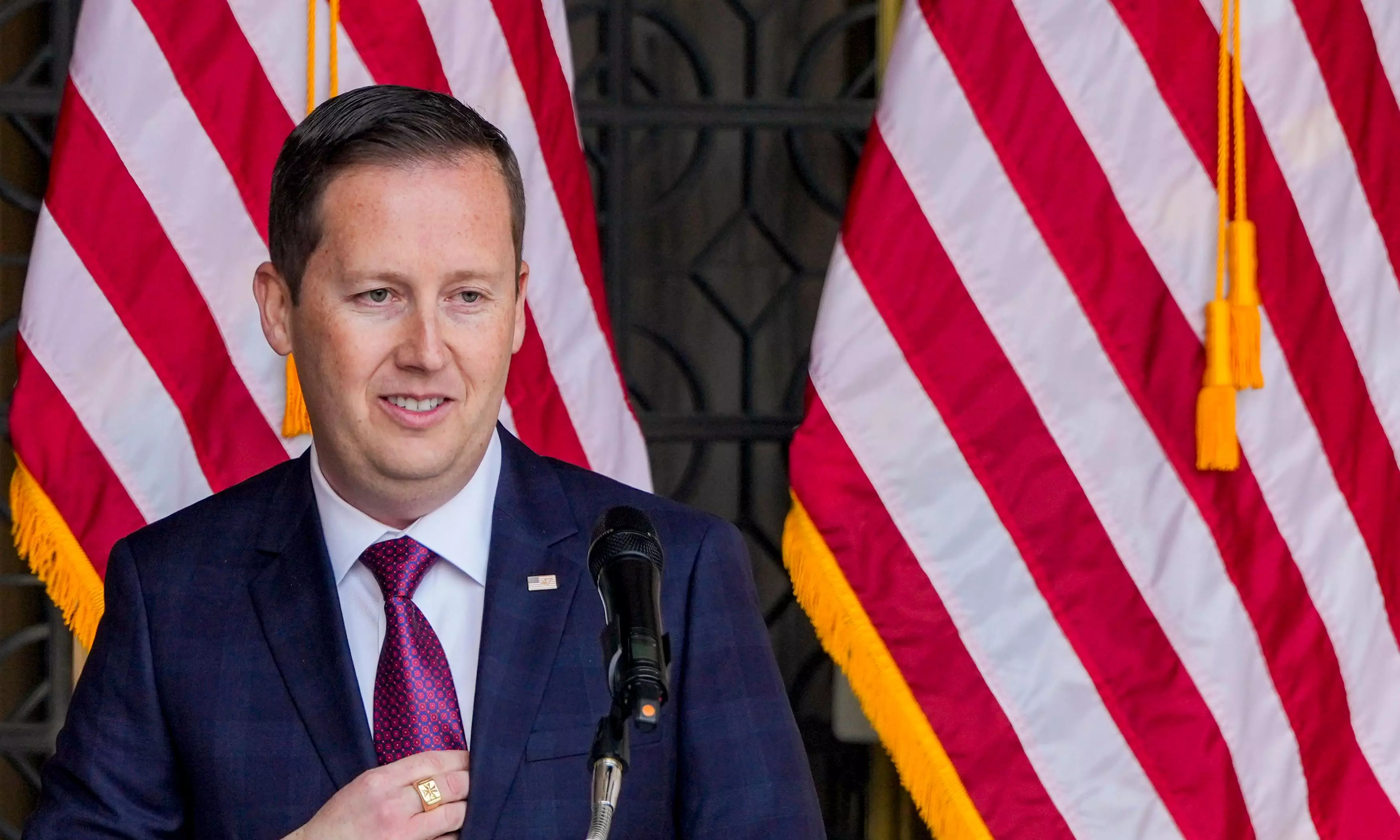
Speaking at an interactive session during the Bloomberg New Economy Forum on October 15, US Ambassador to India Sergio Gor said the negotiations were moving at an “incredible pace” and that the major issues had largely been addressed.
Gor expressed confidence that the two countries would successfully conclude the proposed bilateral trade agreement. However, he stopped short of revealing the details of the negotiations, saying that the relevant ministers would make formal announcements at the appropriate time.
His remarks have strengthened expectations that New Delhi and Washington could be approaching an agreement after months of discussions over trade barriers, market access and other economic concerns.
Gor also highlighted the complexity of negotiating a trade agreement with India, pointing to the country's vast population, diverse economy and extensive range of commercial interests. With numerous sectors and technical details involved, he acknowledged that some smaller issues would naturally require additional discussions.
Nevertheless, the US envoy maintained that the broad framework was in place and that both sides were actively working towards a conclusion.
The latest statements suggest that negotiations have advanced considerably. However, a final agreement has not yet been formally announced, and the remaining issues could still influence the timing and terms of the deal.
S Jaishankar Says India-US Trade Negotiations Near a Landing Point
Gor's comments came shortly after External Affairs Minister S Jaishankar offered a similarly optimistic assessment of the India-US trade negotiations.
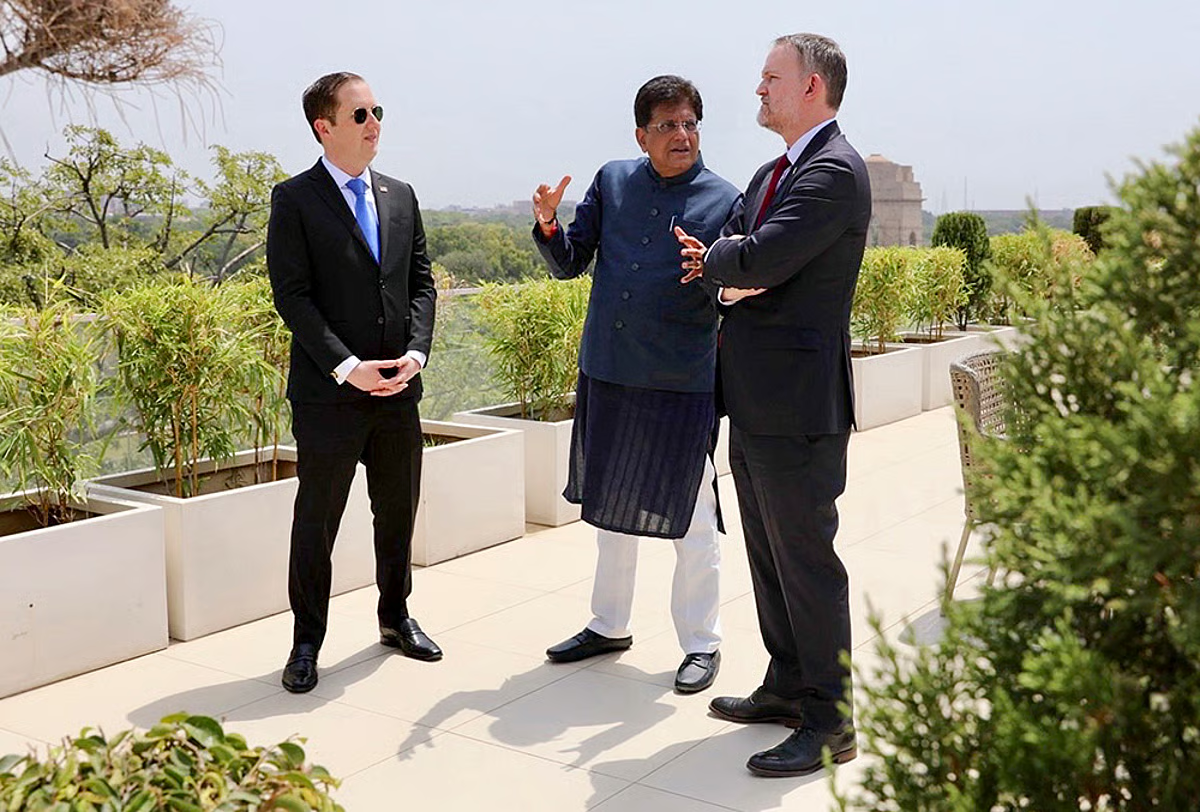
Speaking at the Bloomberg New Economy Forum, Jaishankar said the discussions were moving towards a landing point, while acknowledging that several matters still needed to be resolved.
The minister indicated that India's Commerce and Industry Minister Piyush Goyal, the US Trade Representative and other officials were continuing to work through the remaining differences.
Jaishankar also made it clear that he did not wish to disclose sensitive details while negotiations were underway. His cautious approach reflects the importance of securing an agreement that addresses India's economic priorities without compromising its broader interests.
The difference between the two sides' public messaging is significant. While Gor emphasised that the major elements of the deal were settled, Jaishankar's remarks highlighted the work still required before negotiations could be considered complete.
Together, their statements point towards meaningful progress, but they do not establish a final signing date or confirm the precise terms of the proposed agreement.
The India-US trade deal is particularly important because both countries are seeking to strengthen economic cooperation while navigating differences over tariffs, domestic industries and access to their respective markets.
Why the India-US Trade Deal Matters
India and the United States have developed a broad economic and strategic partnership over the past two decades. Trade negotiations are an important part of that relationship, particularly as Washington seeks to strengthen domestic manufacturing and India looks to expand exports, attract investment and support economic growth.
For the United States, India represents a major market with substantial demand for goods, services, technology and infrastructure. A more predictable trading framework could create opportunities for American companies seeking to expand their presence in the country.
For India, improved access to the US market could benefit exporters and businesses looking to increase their international competitiveness. Stronger commercial ties could also encourage investment in manufacturing, technology, defence and other industries.
However, reaching an agreement requires both governments to balance commercial opportunities with domestic economic priorities. India must consider the interests of its producers and consumers, while the United States is seeking arrangements that support its industrial and trade objectives.
This makes the negotiations more complicated than a straightforward reduction in tariffs. The final outcome will depend on the specific commitments each side is willing to make and the safeguards included in the agreement.
Gor described the proposed pact as a complex undertaking, noting that new issues and technical questions can emerge as discussions progress. His comments underline why an optimistic assessment of the negotiations does not necessarily mean that every detail has been finalised.
Tariff Disputes and Market Access Remain Key Challenges
Despite the positive signals, tariffs and market access remain central to the India-US trade deal negotiations.
US President Donald Trump has pursued a trade policy aimed at reshaping America's commercial relationships and encouraging domestic manufacturing. Jaishankar noted that Washington's approach to tariffs is connected to its broader objective of reindustrialising the US economy and changing the terms on which foreign businesses access the American market.
For India, the challenge is to secure favourable trading conditions while protecting the interests of domestic industries. Any agreement must be assessed not simply by the speed at which it is concluded, but also by whether it delivers meaningful benefits to Indian businesses and exporters.
The negotiations have also been affected by wider geopolitical concerns, particularly India's energy relationship with Russia.
On September 18, Trump signed the Lindsey O. Graham Sanctioning Russia and Iran Act of 2026 into law. The legislation authorises the US president to impose tariffs of up to 100 per cent on countries purchasing Russian oil and gas, including India and China.
Gor said that decisions on sanctions and possible exemptions would rest with the US president. He indicated that the administration was expected to make a determination within approximately 10 days of his October 15 remarks.
The potential measures add another layer of uncertainty to bilateral relations. India has previously raised concerns about the implications of sanctions legislation for its economic interests and energy security.
This issue matters because trade negotiations do not take place in isolation. Decisions involving oil imports, sanctions and international energy markets could affect the wider atmosphere in which the two countries are attempting to reach an agreement.
Consequently, the final outcome will depend on how effectively New Delhi and Washington manage both commercial disagreements and broader strategic concerns.
Marco Rubio's India Visit Could Give Trade Talks Fresh Momentum
The proposed trade agreement is also drawing attention ahead of US Secretary of State Marco Rubio's scheduled visit to India from October 17 to 22, following his engagements in Uzbekistan.
During his India visit, Rubio is expected to meet senior government officials, including Jaishankar, in Mumbai. Discussions are expected to focus on strengthening energy cooperation and expanding commercial engagement.
His planned visit to Jamnagar in Gujarat is particularly significant because the city is home to Reliance Industries' major oil-refining complex. Energy trade has emerged as an important consideration in India-US relations, especially amid Washington's efforts to encourage greater cooperation in this sector.
Rubio is also expected to meet business leaders in Mumbai to discuss opportunities for investment and economic cooperation.
Although the visit is not itself confirmation of an imminent trade agreement, it provides an opportunity for officials to discuss outstanding concerns and reinforce the wider bilateral partnership.
The timing is noteworthy: Gor's optimistic remarks and Jaishankar's assessment that negotiations are approaching a landing point have come just before the high-level diplomatic engagement.
Whether these discussions accelerate the final stages of the India-US trade deal remains to be seen.
Technology, Defence and Investment Offer Long-Term Opportunities
Beyond tariffs, the proposed agreement forms part of a much broader effort to deepen economic ties between the world's largest democracy and the United States.
Gor highlighted cooperation across several industries, including defence and information technology. He pointed to defence co-production in India and the involvement of major American technology companies in data centres and semiconductor manufacturing.
Companies such as Google, Microsoft, Adobe and Micron have been expanding their activities in India's technology ecosystem, creating opportunities for collaboration between Indian and American businesses.
A more predictable trade environment could help encourage additional investment, support industrial partnerships and strengthen supply-chain cooperation.
For Indian companies, closer economic ties could open new commercial opportunities in the United States. For American businesses, India's large consumer base and expanding technology sector offer considerable potential.
Gor argued that investment and employment in the two countries could complement each other, presenting the relationship as mutually beneficial rather than a competition in which one side must lose for the other to gain.
However, the scale of these opportunities will depend on the eventual agreement's provisions, implementation and ability to resolve persistent barriers to trade.
India-US Trade Deal: What Happens Next?
The immediate priority for negotiators is to resolve the remaining details and translate political confidence into a formal agreement.
Gor has indicated that the broad framework and major issues have been addressed, while Jaishankar has acknowledged that some matters remain open. Their statements suggest progress, but the exact timetable and final terms are still uncertain.
For businesses, exporters and investors, the most important questions concern the agreement's practical impact: whether it improves market access, provides greater certainty on tariffs, encourages investment and creates more favourable conditions for cross-border trade.
The agreement will also need to balance the priorities of both governments. India will want to protect its economic interests and retain room to pursue its energy and industrial policies, while the US will seek terms consistent with its trade and manufacturing objectives.
The coming days could therefore be important in determining whether the current momentum leads to a formal breakthrough.
For now, the message from both capitals is cautiously encouraging. Major progress appears to have been made, and officials on both sides have expressed confidence in the negotiations.
Yet the distinction between being close to a deal and actually concluding one remains crucial. Until the terms are officially announced, the India-US trade agreement should be viewed as nearing a possible breakthrough rather than a completed pact.
If successfully concluded, the deal could strengthen bilateral commerce, support investment and deepen one of the most consequential economic partnerships in the Indo-Pacific. The challenge now is to ensure that the final agreement delivers tangible benefits for both countries.
© Copyright 2026. All Rights Reserved. Powered by Vygr Media.