
 By
By 
New Delhi: The Central government has disabled public access to 50 over-the-top (OTT) platforms across India over the past two years for allegedly hosting obscene and sexually explicit content in violation of multiple laws, the Centre informed the Lok Sabha on Wednesday.
The disclosure came in a written reply by Minister of State for Information and Broadcasting and Parliamentary Affairs Dr. L. Murugan to a question raised by MP Rajabhau Parag Prakash Waje. The minister said the action was taken following complaints received against these platforms and was carried out under the provisions of the Information Technology (IT) Act, the Bharatiya Nyaya Sanhita (BNS), and the Indecent Representation of Women (Prohibition) Act, 1986.
According to the government, the blocked platforms were found to have violated Sections 67 and 67A of the Information Technology Act, 2000, which deal with publishing or transmitting obscene and sexually explicit material in electronic form. The action also invoked Section 294 of the Bharatiya Nyaya Sanhita (BNS) relating to obscene acts and content, along with Section 4 of the Indecent Representation of Women (Prohibition) Act, 1986, which prohibits indecent depiction of women in publications and digital content.
Complaints Triggered Government Action
Murugan told Parliament that the government regularly acts against digital intermediaries and OTT platforms whenever complaints regarding unlawful or obscene content are received. While the Centre did not disclose the identities of the 50 platforms in its latest statement, it reiterated that the action was part of its ongoing effort to curb the circulation of explicit content on digital streaming services.
The latest figures indicate a sustained crackdown on OTT services over the last two years. The Centre has previously undertaken large-scale blocking actions against several streaming platforms accused of hosting explicit content, reflecting a stricter regulatory approach towards digital entertainment providers.
IT Rules, 2021 Form the Regulatory Framework
The government highlighted that OTT platforms in India operate under the Information Technology (Intermediary Guidelines and Digital Media Ethics Code) Rules, 2021, notified under the Information Technology Act, 2000.
These rules established an institutional framework for publishers of online curated content and digital news platforms. Part III of the Rules lays down a Code of Ethics that OTT publishers are expected to follow, including age-based content classification, parental controls where applicable, and mechanisms for grievance redressal.
Murugan informed Parliament that complaints relating to OTT content are processed under the provisions of the IT Rules, 2021, which prescribe a structured system for addressing violations.
Legal Powers to Remove Unlawful Content
The minister further referred to Section 79(3)(b) of the Information Technology Act, which empowers the government to notify intermediaries to remove or disable access to unlawful content. Failure to comply with such lawful directions can result in intermediaries losing the legal protections otherwise available to them under the IT Act.
The Centre said these provisions enable authorities to act against digital platforms that fail to prevent or remove content violating Indian laws. The framework is intended to balance intermediary protections with accountability when illegal material is identified.
Focus on Safe and Accountable Digital Ecosystem
The government's statement comes amid a broader push to strengthen regulation of India's rapidly expanding digital ecosystem.
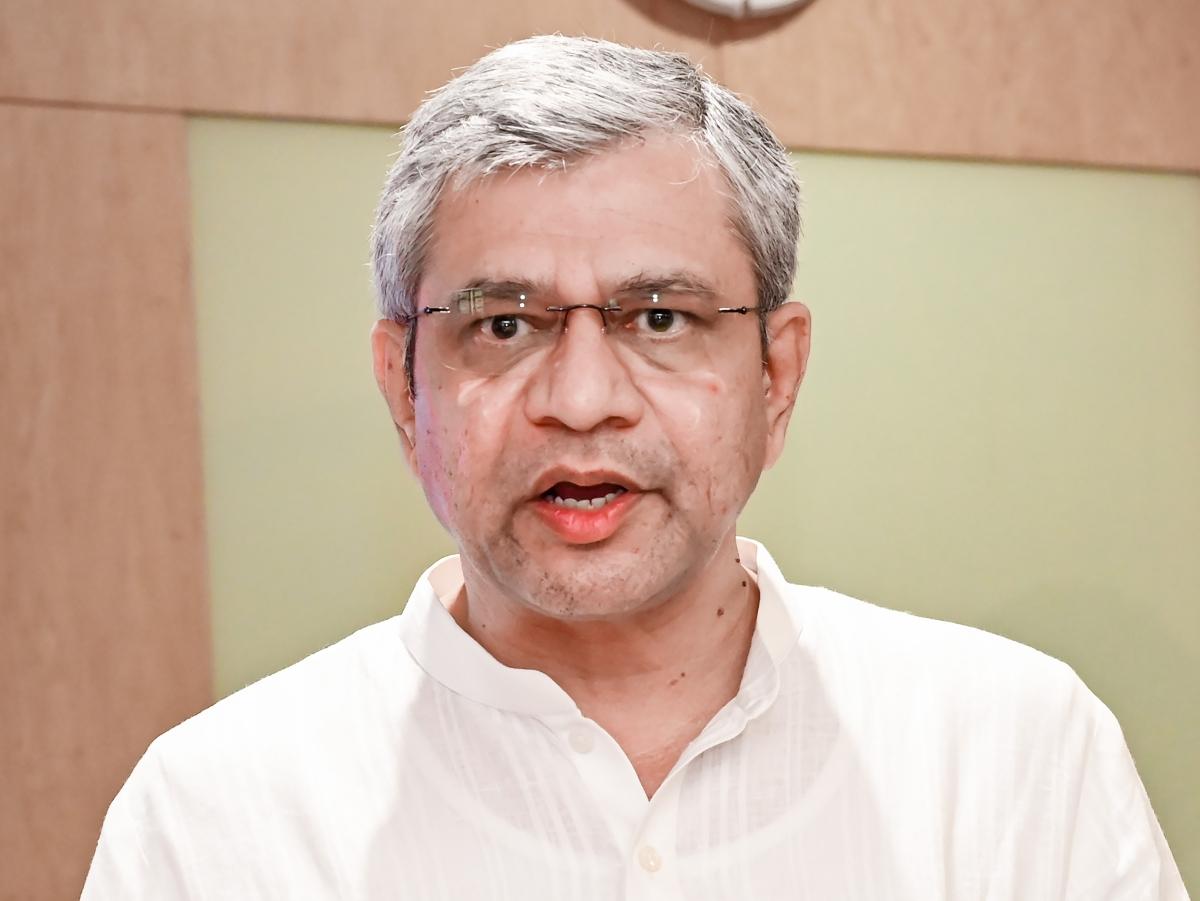
In a separate reply in Parliament, Union Electronics and Information Technology Minister Ashwini Vaishnaw said the government's objective is to ensure an "open, safe, trusted and accountable" internet, particularly for children and young users.
He noted that the Information Technology Act and the IT Rules require intermediaries to exercise due diligence and prevent users from publishing or sharing unlawful material. Recent amendments to the IT Rules have also tightened compliance requirements by mandating the removal of unlawful content within three hours of receiving directions from a competent court or an authorised government agency.

Stronger Safeguards for Children
The government also pointed to broader digital safety initiatives aimed at protecting minors online.
Vaishnaw informed Parliament that the Digital Personal Data Protection Act, 2023 requires platforms to obtain verifiable parental consent before processing children's personal data. The law also prohibits behavioural monitoring, tracking, and targeted advertising directed at children.
Additionally, the government referred to the Promotion and Regulation of Online Gaming Act, 2025, which seeks to address issues such as gaming addiction and financial risks associated with online gaming platforms.
Digital Addiction Emerging as a Public Health Concern
Highlighting the wider context of digital regulation, the government cited the Economic Survey 2025-26, which identifies digital addiction as an emerging public health challenge, particularly among people aged 15 to 29 years.
According to the survey referenced in Parliament, excessive engagement with online platforms—including social media, gaming, and other digital services—has been associated with anxiety, depression, sleep disorders, cyberbullying, and financial losses linked to compulsive online behaviour.
To improve cyber awareness, the government said it has conducted over 6,650 awareness workshops under the Information Security Education and Awareness (ISEA) programme, reaching more than 11.37 lakh participants, including students, teachers, government officials, law enforcement personnel, and members of the public.
Part of an Ongoing Crackdown
The latest disclosure underscores the government's continued efforts to tighten oversight of digital streaming platforms amid growing concerns over explicit online content.
While mainstream subscription-based OTT services continue to operate under the existing regulatory framework, authorities have increasingly acted against platforms accused of streaming obscene or sexually explicit material in violation of Indian law.
The Centre maintains that the Information Technology Act and the Digital Media Ethics Code provide sufficient legal mechanisms to investigate complaints, direct the removal of unlawful content, and disable access to platforms that repeatedly violate statutory provisions.
With digital entertainment consumption continuing to rise across India, the government's latest statement signals that enforcement against unlawful OTT content is likely to remain a priority. At the same time, the emphasis on child safety, intermediary accountability, data protection, and cyber awareness reflects a broader policy focus on creating a safer and more regulated digital environment while ensuring compliance with existing laws governing online content.
With input from agencies
Image Source: Multiple agencies
© Copyright 2026. All Rights Reserved. Powered by Vygr Media.