 By

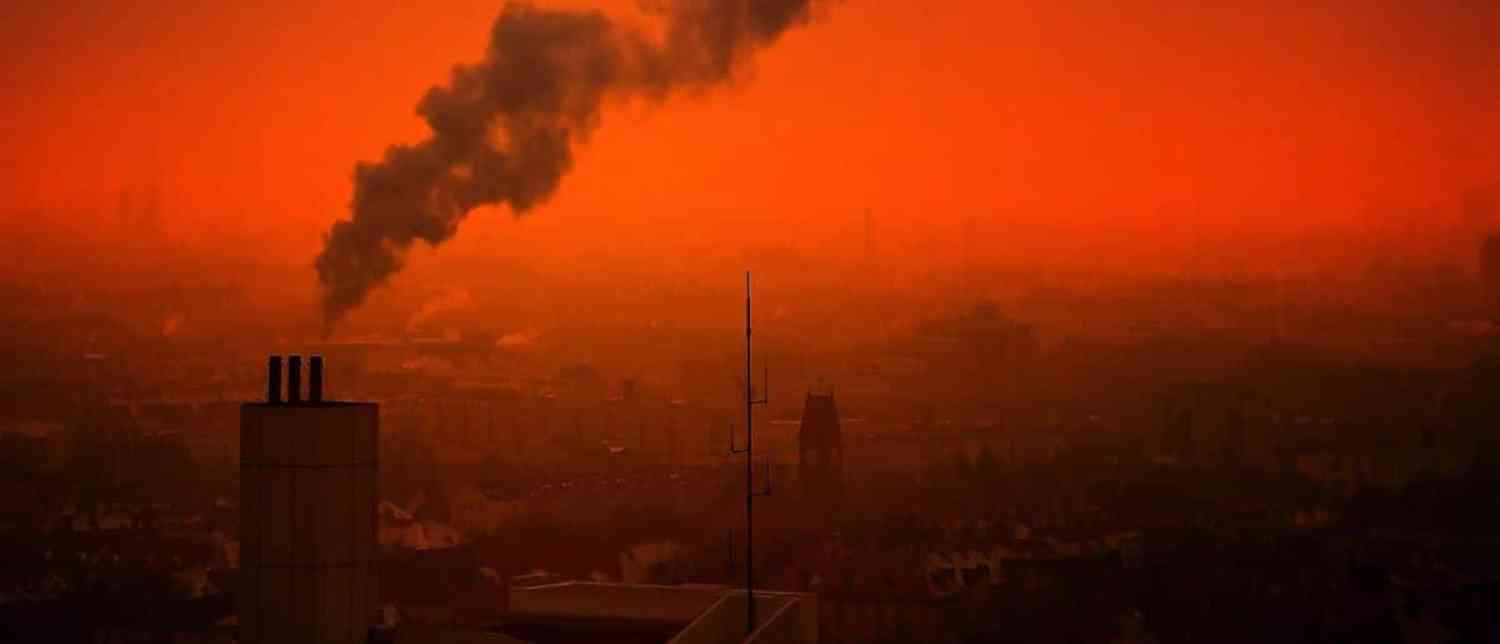
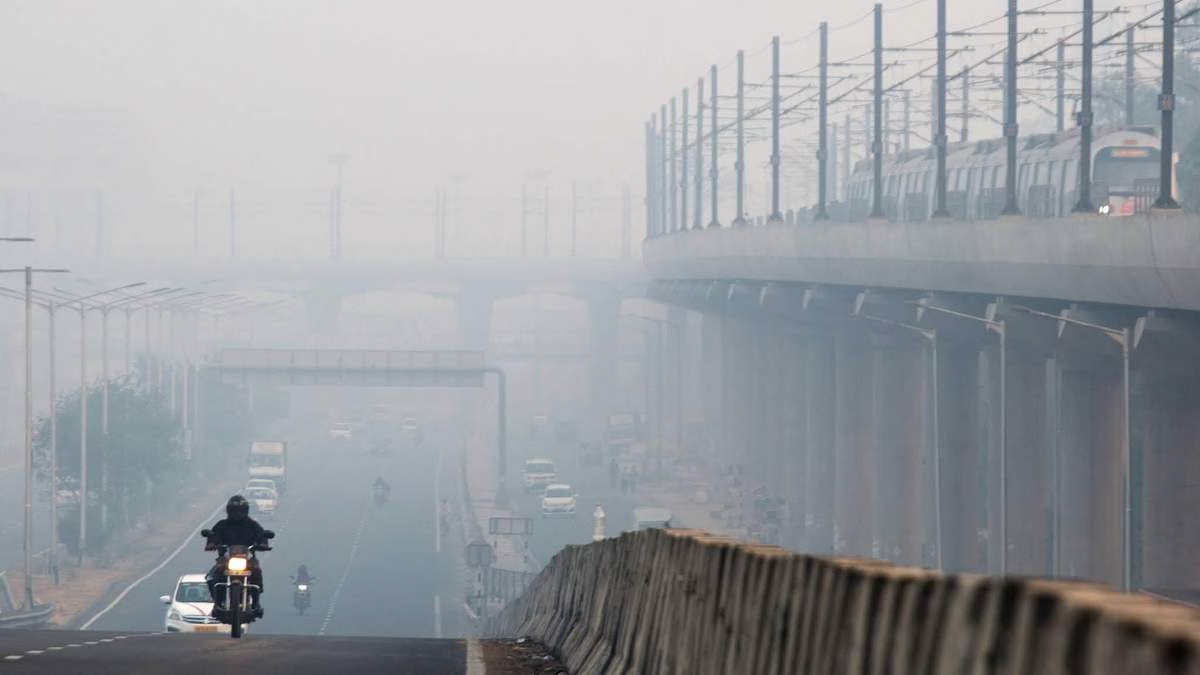
India’s air pollution problem is once again drawing attention as several of its major cities feature prominently in global rankings of the world’s most polluted urban centres. Kolkata, Delhi and Mumbai have all recorded elevated air quality index (AQI) readings in recent days, highlighting how deteriorating air quality has become a growing concern across the country.
The latest figures paint a troubling picture. On October 22, Kolkata ranked second globally with an AQI of 172, followed by Delhi at 163 and Mumbai at 161. All three cities featured among the five most polluted major cities in the live global ranking at the time. Lahore, Pakistan, occupied the top position with an AQI of 185.
The situation extends beyond India’s largest metropolitan areas. A separate ranking published on October 19 placed 13 Indian cities among the 20 most polluted urban centres globally, although Delhi did not appear on that particular list. Bulandshahr in Uttar Pradesh ranked third, recording a US AQI of 198.
These figures underline a critical reality: India’s air pollution crisis is no longer simply a story about Delhi’s notorious winter smog. Pollution levels can rise sharply across different regions, affecting metropolitan centres, industrial cities and smaller urban areas alike.
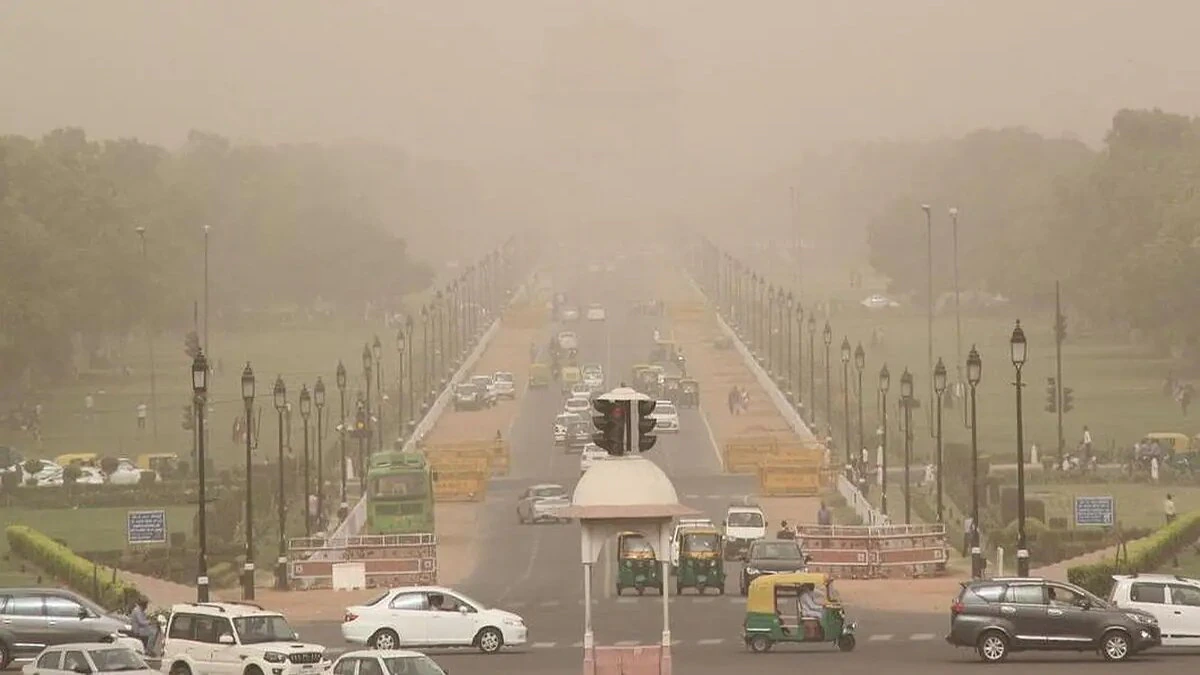
Kolkata, Delhi and Mumbai Feature Among the World’s Most Polluted Cities
The October 22 global ranking placed three Indian metropolitan cities among the five most polluted major urban centres.
Kolkata recorded an AQI of 172, making it the highest-ranked Indian city in the list. Delhi followed in third place with an AQI of 163, while Mumbai ranked fifth at 161. Kuala Lumpur, Malaysia, stood between Delhi and Mumbai with an AQI of 162.
Under the US AQI scale used for this ranking, readings between 151 and 200 fall into the unhealthy category. At these levels, air pollution can pose health risks, with sensitive groups potentially experiencing more serious effects.
The rankings offer a snapshot of conditions across major cities worldwide. However, they should not be interpreted as a permanent league table of urban air quality. The figures can change throughout the day as emissions, weather conditions and atmospheric circulation influence the concentration of pollutants.
Nevertheless, the simultaneous appearance of Kolkata, Delhi and Mumbai near the top of the global list raises important questions about pollution management, urban development and the effectiveness of measures intended to protect public health.
13 Indian Cities Enter the Global Top 20
The scale of the problem becomes clearer when smaller cities are included.
Data recorded on the afternoon of October 19 showed that India accounted for 13 of the 20 most polluted cities in a separate real-time global ranking. Bulandshahr, Uttar Pradesh, ranked third worldwide with a US AQI of 198, placing it in the unhealthy category.
Agartala in Tripura followed in fourth position with an AQI of 181. Other Indian cities appearing in the top 20 included Pali and Kota in Rajasthan, Muzaffarnagar and Hapur in Uttar Pradesh, Burhanpur in Madhya Pradesh, Rohtak and Hisar in Haryana, Bikaner in Rajasthan, Bareilly in Uttar Pradesh, and Mumbai.
Several of these locations recorded AQI readings in the mid-160s to mid-170s, indicating that unhealthy air was not confined to a handful of major metropolitan areas.
Indonesia also accounted for several highly polluted cities in that ranking. Palangkaraya recorded a US AQI of 242, placing it in the severe category, while Palembang registered 207.
The figures demonstrate that India’s air pollution challenge has a wide geographical footprint. Monitoring and pollution-control efforts therefore need to extend beyond the largest cities and address local sources of emissions in smaller urban centres as well.
Delhi’s Absence From One Ranking Does Not Mean Clean Air
Delhi’s position illustrates why real-time pollution rankings require careful interpretation.
On October 19, the capital did not feature among the 20 most polluted cities in the ranking published that afternoon. Yet its air quality had deteriorated overnight, with the US AQI reaching a reported peak of 191 at approximately 7:31 am.
The reading subsequently declined, reaching the 130s by the afternoon. This movement helps explain why Delhi could experience elevated pollution without appearing on a particular global list at the time it was checked.
By October 22, however, Delhi was back among the five most polluted major cities in the separate global ranking, with an AQI of 163.
These figures are not contradictory. They reflect measurements taken at different times and reported through different ranking systems.
Air pollution can fluctuate considerably within hours. Weather patterns, wind speed, atmospheric mixing and changes in emissions can all influence the concentration of pollutants near the ground. A city may therefore move up or down a global ranking without experiencing a corresponding long-term improvement or deterioration in its overall environmental conditions.
For residents, the more important question is not whether Delhi appears on a particular list but whether the air they breathe is safe. Even readings below the highest pollution thresholds can remain concerning, particularly for children, older adults and people with respiratory or cardiovascular conditions.
Mumbai’s Air Quality Deteriorates as Pollution Rankings Climb
Mumbai’s recent position in global pollution rankings has also raised concerns.
On October 20, the city ranked third among 122 cities in a global ranking, recording an AQI of 166. This represented a rise from fifth place approximately a week earlier. Kolkata ranked second with an AQI of 170, while Kuala Lumpur topped that particular list at 192.
Conditions recorded by India’s official monitoring network presented a different picture. On October 19, Mumbai’s city-level AQI was reported at 114, while 13 of the 20 operational monitoring stations showed unhealthy readings under the local classification used in the report.
Among the stations recording elevated levels were Navy Nagar in Colaba, with an AQI of 158; Bandra Kurla Complex, at 156; Andheri East, at 145; Siddharth Nagar in Worli, at 143; and Malad, at 138.
The difference between these readings highlights the importance of understanding how air quality is measured. Private monitoring platforms may combine government station data with readings from other sensors and use hourly averages to capture recent changes. Official monitoring networks measure ambient air quality at designated locations using their own methodologies.
As a result, city-level AQI figures from different systems may not be directly comparable. A lower citywide reading does not necessarily mean every neighbourhood is experiencing acceptable air quality.
For Mumbai residents, the spread of elevated readings across monitoring locations is particularly important because exposure to air pollution can vary substantially from one part of the city to another.
PM2.5 Pollution and Weather Conditions Under Scrutiny
Fine particulate matter, commonly known as PM2.5, has been identified as the primary pollutant in the reported readings for Kolkata, Delhi and Mumbai.
These particles are small enough to penetrate deep into the lungs, making them a significant public health concern. Exposure to elevated levels can aggravate respiratory problems and contribute to cardiovascular risks, particularly among vulnerable populations.
Weather conditions can influence how these pollutants accumulate. In Mumbai, experts have pointed to hot and humid conditions, slower winds and limited air circulation as factors that can allow pollutants to remain concentrated in the lower atmosphere.
The prevailing El Niño climate pattern has also been cited as a possible contributor to the unusual meteorological conditions affecting the city. However, weather is only one part of the broader pollution picture; it does not independently explain every increase in AQI.
Urban emissions, traffic, construction-related dust, industrial activity and other local sources can contribute to pollution levels. The relative importance of each source varies by location and time, meaning that effective interventions must be based on local monitoring and evidence.
When atmospheric conditions are unfavourable, pollutants may disperse less efficiently, making existing emissions more consequential for residents.
What Unhealthy AQI Levels Mean for Public Health
An unhealthy AQI reading is more than a number on a monitoring dashboard. It is an indication that outdoor air pollution may pose risks to human health.
Children, older adults and people with asthma or existing heart and lung conditions are among those who may be particularly vulnerable. People exposed to polluted air may experience irritation, breathing difficulties or worsening symptoms of existing conditions.
The risk also depends on the concentration and type of pollutants, the duration of exposure and an individual's health. A single AQI reading cannot capture every aspect of a person's exposure, especially when pollution changes between morning, afternoon and evening.
Residents can reduce avoidable exposure by checking reliable local AQI updates, limiting strenuous outdoor activity when pollution is elevated and following appropriate health guidance. People with existing respiratory or cardiovascular conditions should take particular care during unhealthy-air episodes.
At the same time, individual precautions cannot replace broader action to reduce pollution at its sources.
Stronger Pollution Control Is Essential
The latest pollution rankings highlight the need for sustained, coordinated action across India's cities.
Authorities need reliable monitoring networks, effective enforcement of emissions standards, better dust management at construction sites, cleaner transport options and stronger controls on industrial emissions. City-specific action plans are particularly important because pollution sources and local weather conditions differ from one region to another.
Public communication also needs to distinguish between temporary fluctuations and longer-term trends. Real-time rankings are useful for identifying emerging pollution episodes, but they should be considered alongside historical measurements, pollutant-specific data and official monitoring results.
The appearance of 13 Indian cities in one global top-20 ranking, combined with elevated readings in Kolkata, Delhi and Mumbai on other dates, demonstrates why the problem requires attention across geographical boundaries.
India’s air pollution crisis cannot be addressed by focusing exclusively on one capital city or waiting for winter smog to become visible. Pollution control must remain a year-round priority, supported by transparent data, local accountability and measures that deliver measurable improvements.
As major cities continue to experience unhealthy air quality, the challenge is clear: global rankings may change from hour to hour, but the need for cleaner air, stronger public health protection and sustained environmental action remains constant.
© Copyright 2026. All Rights Reserved. Powered by Vygr Media.