 By
By 
Katni (Madhya Pradesh): After nearly two decades of engineering hurdles, geological surprises, financial overruns and relentless underground excavation, India's longest underground water conveyance tunnel is on the cusp of transforming agriculture in Madhya Pradesh's drought-prone Vindhya region.
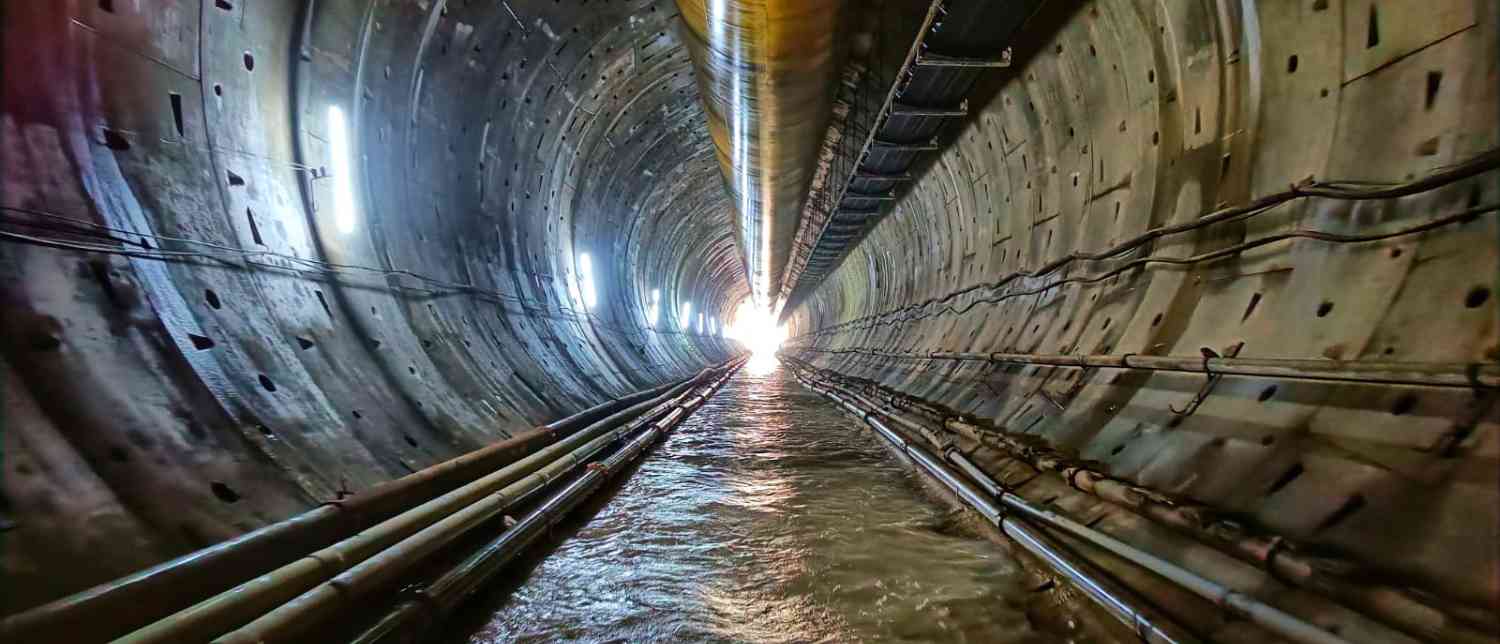
The 11.952-kilometre Sleemanabad Tunnel, built beneath the Vindhya mountain range in Katni district as part of the ambitious Bargi Diversion Project, has achieved its final breakthrough, marking the completion of its excavation phase. Once commissioned, the gravity-flow tunnel will carry Narmada River water into the Son basin without the use of pumps, significantly expanding irrigation, improving drinking water availability and supporting industrial water supply across eastern Madhya Pradesh.
A 17-year engineering journey reaches its final milestone
The Sleemanabad Tunnel represents one of India's most challenging irrigation infrastructure projects. Construction began nearly 17 years ago under the Narmada Valley Development Authority (NVDA), with the objective of diverting water from the Rani Avanti Bai Sagar (Bargi) Dam near Jabalpur to water-scarce districts lying beyond the Vindhya hills.
Stretching almost 12 kilometres with a diameter of approximately 10.14 metres, the tunnel forms a crucial component of the 197-km Right Bank Main Canal originating from the Bargi reservoir. Its gravity-based design allows water to naturally flow beneath the Vindhya range, eliminating the need for energy-intensive pumping systems and making it one of the country's most efficient large-scale water transfer projects.
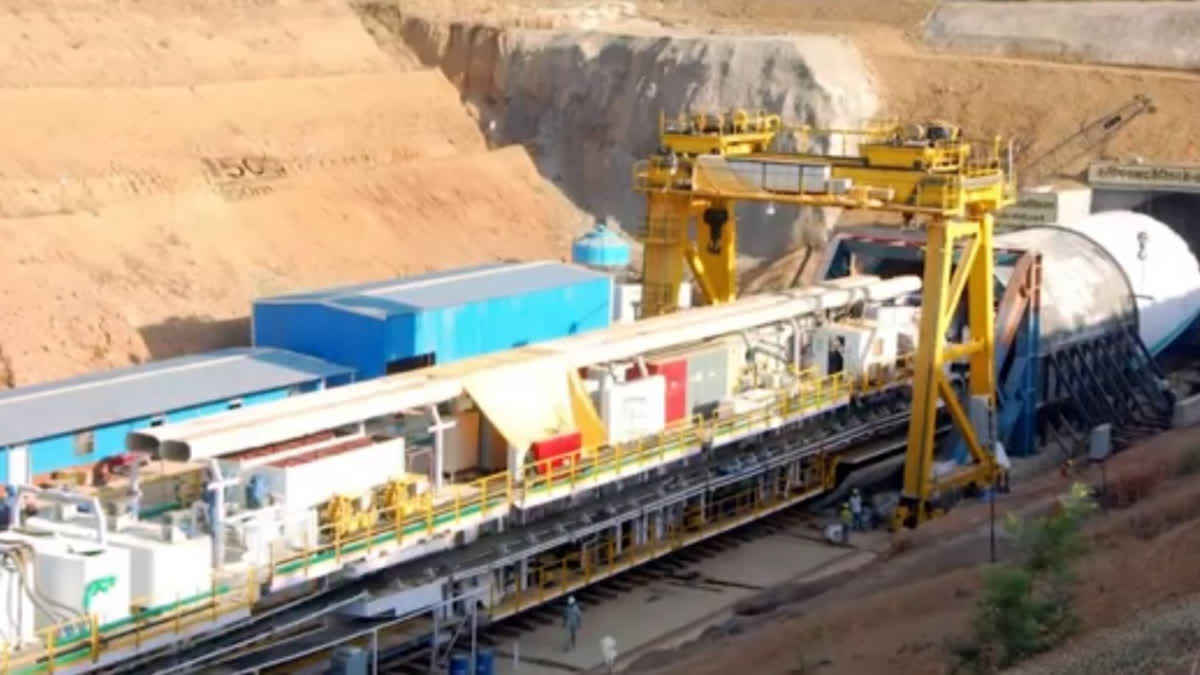
The most significant breakthrough came on July 14, when engineers excavated the final rock barrier, connecting the tunnel into one continuous passage. However, water will only be released after the massive tunnel boring machine (TBM) is dismantled and removed from inside the tunnel.
CM Mohan Yadav reviews progress
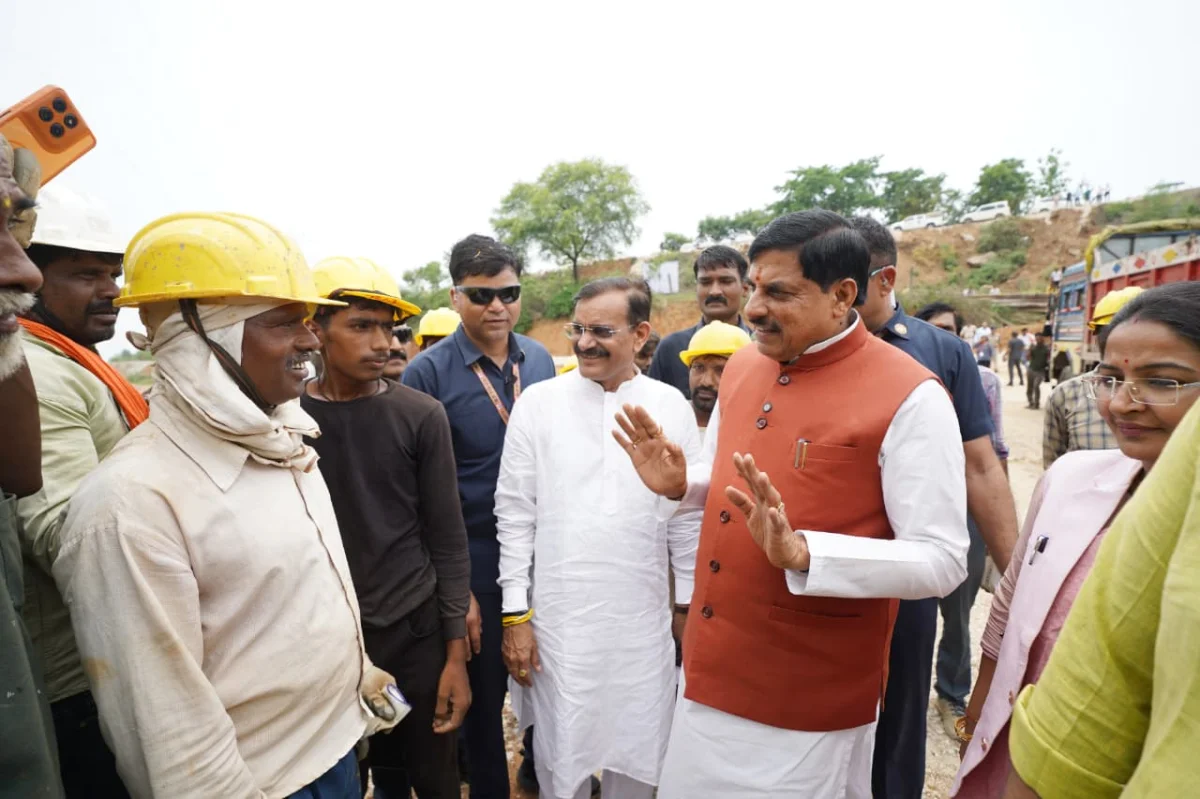
Madhya Pradesh Chief Minister Mohan Yadav recently inspected the nearly completed tunnel in Katni and described it as a transformational project for the Vindhya region.
According to the Chief Minister, the project will bring assured irrigation to approximately 2.45 lakh hectares of agricultural land spread across Katni, Satna, Maihar, Rewa and Panna districts, while also improving drinking water availability and contributing to power generation.
Yadav said the Centre contributed around Rs 275 crore towards the project and expressed confidence that water could begin reaching nearly one lakh hectares in time for the upcoming rabi season after commissioning. He termed the tunnel a "lifeline" for the Vindhya region, where agriculture has historically depended heavily on erratic monsoon rainfall.
Government officials estimate that nearly 1,450 villages across the region will eventually benefit from the expanded irrigation network, potentially improving crop productivity, farm incomes and long-term water security.
A project shaped by extreme geological challenges
The Sleemanabad Tunnel's prolonged construction period reflects the extraordinary engineering difficulties encountered beneath the Vindhya mountains.
Tunnelling initially commenced using an advanced American-made Robbins Tunnel Boring Machine, expected to accelerate excavation. Instead, engineers found themselves battling highly unpredictable geology.
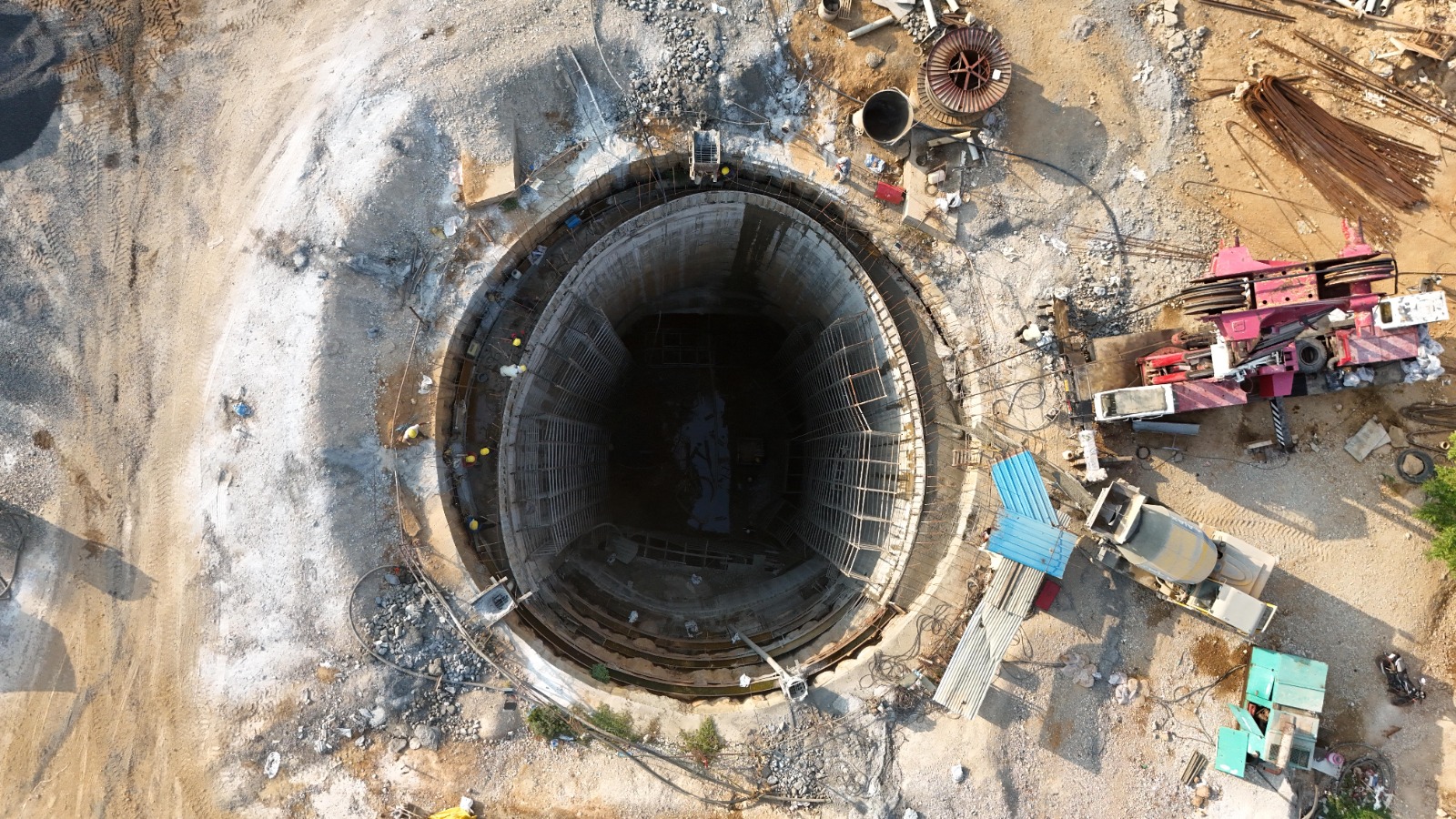
The mountain comprised alternating layers of marble, limestone, dolomite and slate, punctuated by underground cavities, fractured rock formations and high groundwater pressure. These unexpected conditions repeatedly damaged machinery, slowed excavation and forced lengthy technical interventions.
During the project's initial years, progress was painstakingly slow. Engineers reportedly took nearly six-and-a-half years to excavate just 1.6 kilometres, prompting authorities to reassess their construction strategy.
Eventually, specialists were brought in and a German tunnelling system was deployed from the opposite end, allowing simultaneous excavation from both sides. Continuous dewatering operations also became necessary to manage heavy groundwater inflows threatening worker safety and machinery.
Human cost behind the engineering achievement
Beyond technical complexity, the tunnel's construction demanded enormous human effort.
Hundreds of engineers, technicians and labourers worked in multiple shifts around the clock, often nearly 30 metres below the surface, confronting unstable rock, flooding, equipment failures and hazardous gases.
The project also witnessed tragic accidents. Reports indicate that two workers lost their lives in separate cave-ins, while another worker died following a snake bite near the forested construction site. Several others suffered injuries during the lengthy construction process.
At one stage, repeated delays even prompted discussions about abandoning parts of the underground tunnel altogether in favour of an open canal system. However, engineers ultimately persevered, overcoming one obstacle after another to complete India's longest underground irrigation tunnel.
Costs nearly doubled over the years
Like many large infrastructure projects extending over more than a decade, the Sleemanabad Tunnel witnessed substantial cost escalation.
Initially estimated at around Rs 799 crore, the project's total expenditure has now reached nearly Rs 1,600 crore, reflecting inflation, prolonged construction timelines, additional machinery deployment and unforeseen geological complications.
Despite the increased investment, officials maintain that the long-term agricultural, economic and water security benefits far outweigh the higher construction costs.
More than irrigation: Drinking water and regional development
Although irrigation remains the project's primary objective, its benefits extend well beyond agriculture.
Once operational, the Bargi Diversion Project is expected to strengthen drinking water supply for urban and rural settlements, including parts of Jabalpur and Katni, while supporting industrial water requirements and contributing to regional economic development.
For eastern Madhya Pradesh, where rainfall variability and limited irrigation infrastructure have constrained agricultural growth for decades, the tunnel could significantly reduce dependence on monsoon-fed farming and enable cultivation of higher-value crops.
The project is also expected to improve resilience against recurring drought conditions affecting the Vindhya and Baghelkhand regions.
Rewriting a centuries-old legend
Beyond engineering, the Sleemanabad Tunnel has captured public imagination because of its symbolic connection to one of central India's most enduring legends.
According to folklore, the Narmada and Sonbhadra rivers were lovers born in the Maikal hills but destined to flow in opposite directions—Narmada westwards towards the Arabian Sea and Son eastwards into the Ganga basin—never to meet.
Through this underground water conveyance system, Narmada waters will now flow into the Son river basin for the first time, giving the ancient legend a modern engineering twist.
Officials associated with the project have described the tunnel as more than just a hydraulic structure—it represents the determination to overcome both natural barriers and generations-old water scarcity through engineering innovation.
A landmark in India's water infrastructure
The Sleemanabad Tunnel stands out not only because of its length but also because of its gravity-flow design and the difficult geological conditions under which it was built.
Unlike conventional lift irrigation systems that require continuous pumping and high electricity consumption, this tunnel allows water to travel naturally through elevation differences, reducing long-term operational costs while improving sustainability.
Experts believe the project could become a model for future river-linking and water transfer initiatives aimed at supplying water to drought-prone regions without excessive energy use.
Looking ahead
With excavation complete, the remaining work includes dismantling the tunnel boring machine, completing final structural finishing and conducting operational testing before water is released into the system.
Once fully commissioned, India's longest underground irrigation tunnel is expected to reshape the agricultural landscape of eastern Madhya Pradesh by bringing dependable irrigation to lakhs of hectares, improving drinking water access and strengthening rural livelihoods.
After 17 years of persistence beneath the Vindhya hills, the Sleemanabad Tunnel is poised to become not just an engineering milestone, but a symbol of how large-scale infrastructure can transform some of India's most water-stressed regions.
With input from agencies
Image Source: Multiple agencies
© Copyright 2026. All Rights Reserved. Powered by Vygr Media.