
 By
By 
New Delhi: With India preparing to host the 18th BRICS Summit in the national capital next month, food safety concerns have emerged at two five-star hotels identified to accommodate foreign delegates and guests. Inspections by the Food Safety and Standards Authority of India (FSSAI) uncovered a string of violations at Andaz Delhi in Aerocity and JW Marriott, including expired food, pest infestations, poor sanitation, improper storage and licensing irregularities.
The inspections come just weeks before the BRICS Summit, scheduled to be held in New Delhi on September 12 and 13. The findings have put the food safety practices of luxury hospitality establishments under scrutiny at a time when the capital is preparing to welcome international leaders, officials and business representatives.
FSSAI has issued notices to both hotels and collected food samples for further examination. Additional regulatory action is expected to depend on compliance with the notices and the results of laboratory testing.
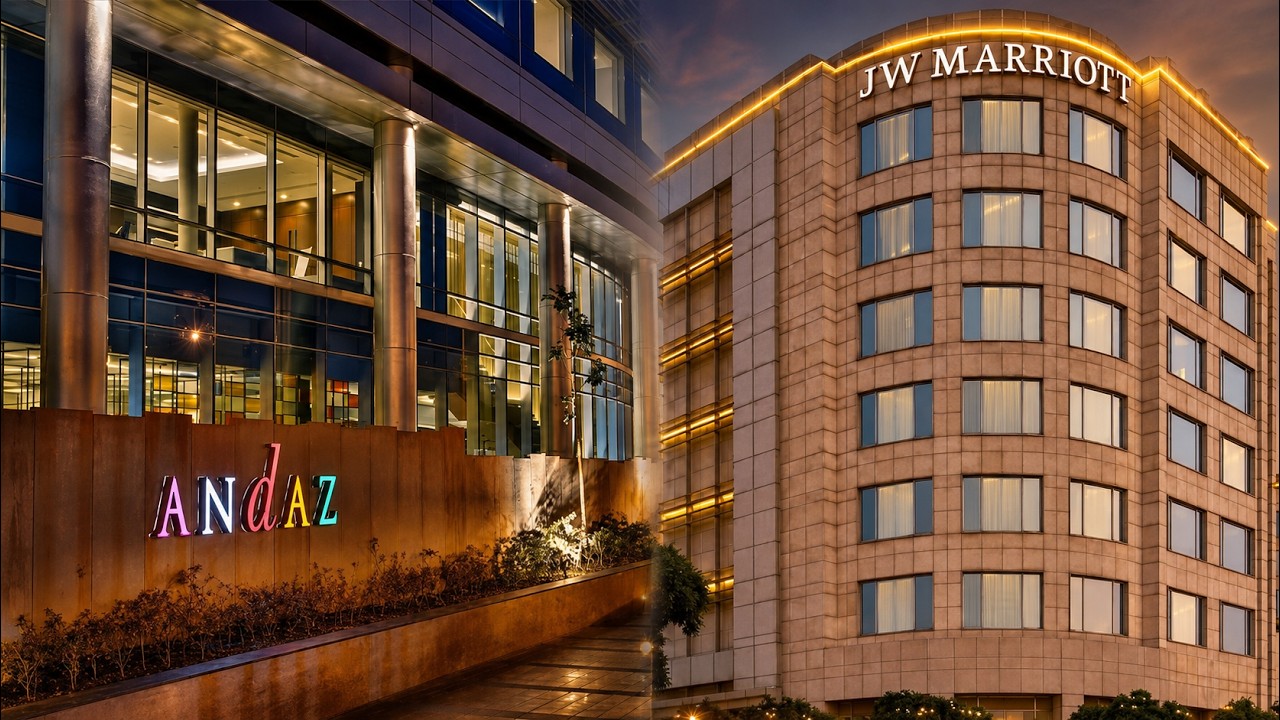
87 Kg Of Expired Sweets Found At Andaz Delhi
The inspection at Andaz Delhi revealed some of the most striking violations. Officials found approximately 87 kg of expired sweets in the hotel's confectionery section. The expired stock was discarded at the premises.
Inspectors also found expired bread packets and an expired cake base. In one instance, officials reportedly detected duplicate date marking on expired bread packaging, raising concerns about how food products were being monitored and labelled.
The problems were not limited to expired food.
Active cockroaches were reportedly found near freezers, while houseflies and mosquitoes were observed in food preparation areas. Spider webs were also found during the inspection. Officials additionally reported finding a gutka packet inside an area associated with the bottling plant.
The pastry section, where food products are prepared for consumption, also showed signs of poor hygiene, with expired cake bases and evidence of flies and cockroaches.
Another concern involved the handling of vegetarian and non-vegetarian food. Cutting boards used for both categories were reportedly kept together in the same water container, creating the possibility of cross-contamination.
Inspectors also noted unpleasant odours and concerns relating to the placement of chillers near bathrooms, with exhaust arrangements reportedly affecting the surrounding food storage environment.
JW Marriott Inspection Reveals 59 Deficiencies
The inspection at JW Marriott in Aerocity revealed a broader range of deficiencies. FSSAI recorded 59 issues involving hygiene, pest control, food storage, refrigeration, labelling and licensing.
Cockroaches and fruit flies were reportedly found at the property, while officials identified fungal growth on apples and rotten tomatoes among the food products. Some food was found uncovered, while certain items were stored in damaged containers.
Inspectors also flagged improperly stored cut vegetables and food products that were not maintained under prescribed storage conditions.
Such lapses are particularly significant in commercial kitchens, where maintaining the right temperature, preventing cross-contamination and protecting food from pests are essential parts of food safety.
The inspection also found dirty food-contact surfaces and unwashed kitchen utensils. Drinking water supplies reportedly contained visible particulate matter, adding another concern to the overall sanitation conditions recorded during the inspection.
Food Segregation And Storage Practices Under Scanner
Food segregation emerged as a common concern at both hotels.
Proper separation of vegetarian and non-vegetarian food is an important part of preventing cross-contamination, particularly in large commercial kitchens handling multiple cuisines simultaneously. At Andaz Delhi, inspectors found cutting boards used for both categories being kept together.
At JW Marriott, officials similarly reported inadequate segregation, along with uncovered food and improper storage.
The inspection also pointed to deficiencies across multiple kitchen and food preparation areas, including Indian, Chinese, Italian and bakery sections. Concerns included inadequate sanitation, defective storage containers, non-operational exhaust systems and problems with food identification.
These findings indicate that the concerns were not confined to a single food item or isolated kitchen area but extended across several aspects of food handling and storage.
Licensing And Labelling Violations Also Found
Beyond hygiene and food quality, the inspections identified regulatory compliance issues.
At JW Marriott, certain food products, including paneer, khoya and chana masala, were reportedly found without the required licensing endorsement available for verification. The inspection also raised concerns over retail and relabelling activities being conducted without the necessary endorsement on the hotel's FSSAI licence.
Some pre-packaged products were found to have incomplete or incorrect labelling. Reported issues included missing manufacturer addresses and misprinted licence numbers.
The primary FSSAI licence was also reportedly not displayed prominently on the premises.
Such violations are significant because food safety regulation does not stop at the physical condition of food. Businesses are also required to maintain appropriate licences, follow labelling requirements and ensure that food products can be properly traced and identified.
FSSAI Collects Samples, Further Action Awaited
Following the inspections, FSSAI collected both regulatory and surveillance samples from the hotels.
Among the products sampled were honey, dairy whitener, drinking water, red velvet sponge, rasmalai, khoya, paneer and chutney. The samples will help authorities determine whether further regulatory action is warranted.
The hotels have also been given notices concerning the deficiencies identified during the inspections.
The action does not, by itself, mean that every food item or service at the properties has been declared unsafe. Instead, the inspections have identified specific violations that require corrective measures and regulatory scrutiny.
Further action will depend on the hotels' responses, compliance with corrective directions and, where applicable, laboratory findings.
Hotels Respond To Food Safety Concerns
Andaz Delhi said it had cooperated with the inspection process and was taking the observations seriously. The hotel said it had reviewed the issues raised during an earlier inspection and strengthened its food safety and hygiene practices.
JW Marriott also said it maintains rigorous standards for food safety, hygiene and quality and was cooperating with the authorities while the matter was under review.
The responses come as both properties face heightened attention because of their association with the BRICS summit arrangements.
Why The Timing Matters Ahead Of BRICS Summit
The inspections have gained additional significance because Delhi is preparing for one of its major international diplomatic events of the year.
The BRICS Summit will bring leaders and senior representatives from member countries to New Delhi, while the accompanying BRICS Business Forum is expected to draw business representatives and other delegates.
Hotels play an important role in hosting such visitors, making food safety a particularly sensitive aspect of summit preparations.
For international guests, a country's hospitality infrastructure is often part of their first-hand experience of the host nation. Food served at hotels, therefore, is not merely a matter of comfort or service quality. It also involves public health, regulatory compliance and the country's broader image as a host.
The discovery of expired food and pest-related issues at hotels designated for summit guests has consequently raised questions about whether heightened inspections should have been carried out earlier and whether similar checks are being conducted across other properties associated with the event.
Authorities have indicated that food safety inspections and sampling are carried out throughout the year, with enforcement activity often intensified around festivals and major occasions when the risk of food-related violations can rise.
Five-Star Hotels And The Question Of Food Safety
The incident also highlights a broader point: a luxury hotel classification does not automatically guarantee flawless food safety.
Five-star properties typically operate large kitchens, bakeries, restaurants, banquet facilities and extensive food-storage systems. The scale of these operations makes rigorous monitoring essential.
The findings at the two Delhi hotels show why food safety requires more than an
With input from agencies
Image Source: Multiple agencies
© Copyright 2026. All Rights Reserved. Powered by Vygr Media.