 By
By 
Amid growing concerns over soaring temperatures and heatwave forecasts across several parts of India, the Centre on Friday urged citizens not to panic, asserting that the expected heat conditions during May can be effectively managed through awareness, preparedness, and adherence to official advisories.
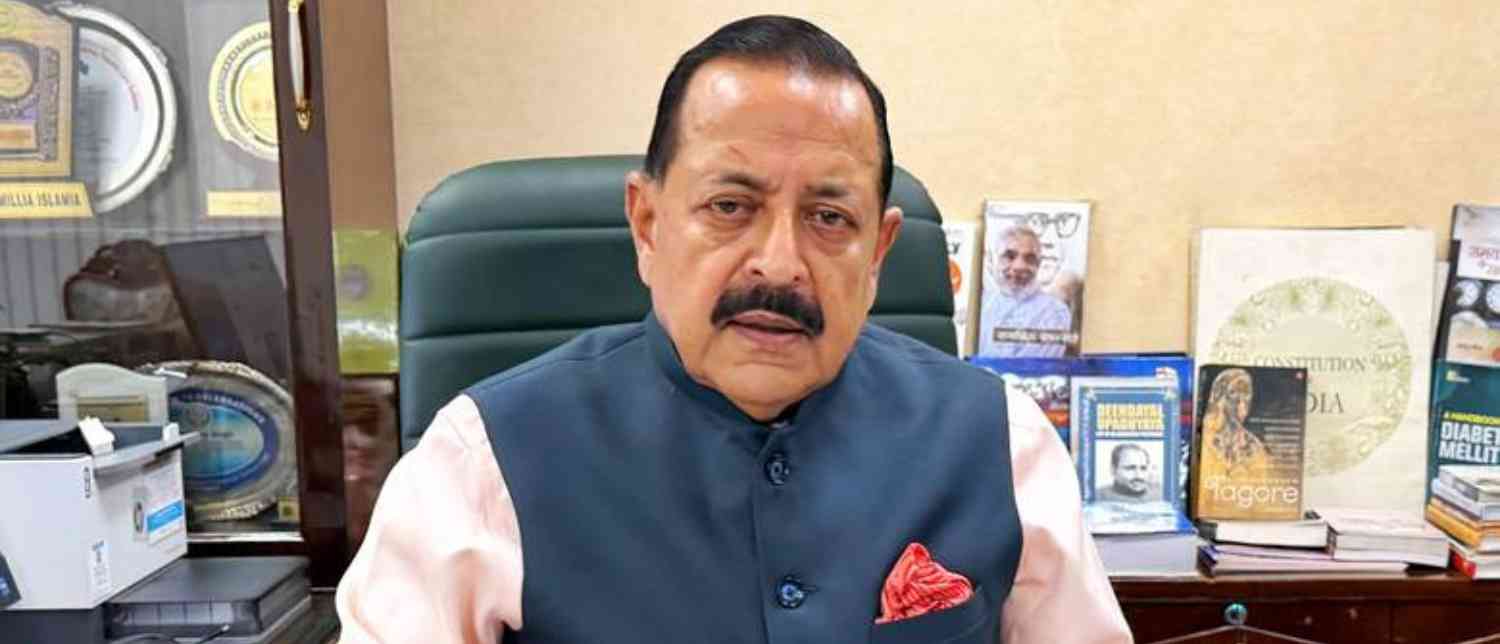
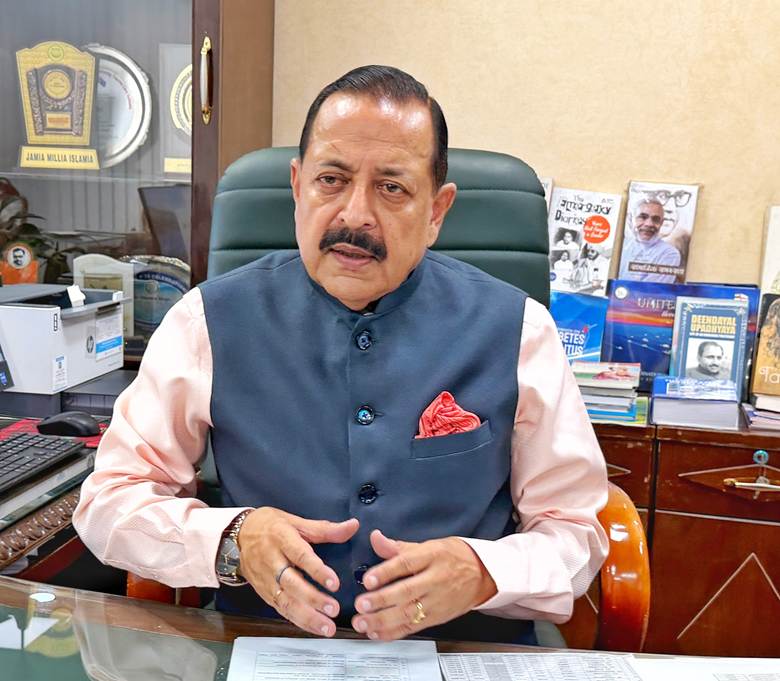
Union Minister of State (Independent Charge) for Earth Sciences, Science and Technology, Dr. Jitendra Singh, said the heatwave conditions anticipated this month are neither unprecedented nor uniformly spread across the country. He stressed that proper understanding of weather forecasts and timely precautionary measures can significantly reduce risks associated with extreme heat.
Speaking during a media briefing in New Delhi, Singh clarified that while certain regions are expected to witness above-normal temperatures and heatwave conditions, many parts of the country are likely to record normal or even below-normal temperatures during different phases of May. The advisory issued by the government is based on the latest assessments and forecasts provided by the India Meteorological Department (IMD).
Heatwave Conditions Likely During Specific Weeks of May
According to the IMD’s monthly outlook and extended-range forecast referenced by the minister, relatively higher temperatures are expected during the second week of May, between May 8 and May 14, and again during the fourth week, from May 22 to May 28. These conditions could trigger heatwaves in parts of northwest, central, and western India, along with stretches of the east coast.
The government also warned that elevated nighttime temperatures in some urban and coastal regions may intensify discomfort levels. In addition, hot and humid conditions are likely to prevail along the east coast as well as in Gujarat and Maharashtra.
However, Singh emphasized that these conditions should not be interpreted as a nationwide crisis. He noted that weather patterns remain region-specific and dynamic, and several parts of the country may continue to experience relatively moderate temperatures due to rainfall activity and thunderstorms.
The IMD has projected above-normal maximum temperatures over southern peninsular India, parts of northeast India, and sections of northwest India. At the same time, large areas elsewhere may witness normal to below-normal daytime temperatures during the month. Minimum temperatures in several regions are also expected to stay above average.
Centre Says Preparedness Measures Already in Place
The Union minister said both the Centre and state governments are fully prepared to deal with heat-related conditions and are coordinating efforts at multiple levels to minimize public inconvenience and health risks.
According to Singh, authorities have been instructed to ensure uninterrupted drinking water supply, operational cooling arrangements, and stable electricity availability during peak heat periods. Special focus is being placed on vulnerable populations, including infants, senior citizens, outdoor labourers, and people with pre-existing health conditions.
He added that coordinated planning at the district and state levels remains crucial for tackling heat-related emergencies effectively. The government has also highlighted the importance of public awareness campaigns and local preparedness to prevent avoidable health incidents.
The Centre’s reassurance comes at a time when several Indian cities have been reporting unusually high temperatures, prompting concerns over a potentially severe summer season. Nevertheless, officials insist that panic and misinformation could worsen the situation and that citizens should rely on verified scientific forecasts and advisories instead of speculation.
Citizens Advised to Stay Hydrated and Avoid Peak Heat Exposure
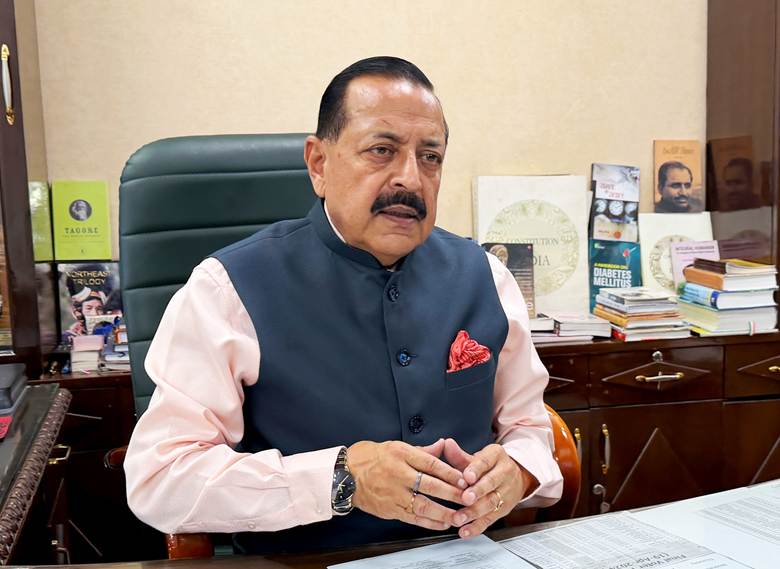
Issuing a public advisory, Singh urged people to adopt simple but effective preventive measures to cope with the heat. Citizens have been advised to remain hydrated, avoid prolonged outdoor exposure during peak afternoon hours, and pay close attention to individuals who may be more susceptible to heat stress.
The minister stressed that following the IMD’s daily weather bulletins and impact-based forecasts could help reduce potential health risks associated with heatwaves. He also noted that India’s weather forecasting systems have significantly improved over the years, enabling authorities to disseminate more accurate and timely alerts to the public.
Updated weather information is currently available through the IMD’s official platforms, including the Mausam website, Mausam mobile application, and Mausamgram portal, besides regular dissemination through television, radio, and digital media.
Impact on Agriculture and Farming Sector
The government also addressed concerns related to agriculture, particularly regarding the impact of rising temperatures on standing crops and harvesting operations.
According to the minister, the prevailing weather conditions remain generally favourable for harvesting late Rabi crops in northern and northwestern India. However, certain regions in southern and northeastern India could experience localized heat stress that may affect summer crops such as Boro rice, maize, and pulses.
Farmers have been advised to conduct field operations during cooler morning and evening hours to avoid heat exposure. The advisory also recommends light and frequent irrigation practices and protective measures for livestock to reduce the impact of high temperatures.
The Centre’s advisory comes amid broader concerns over climate variability and the increasing frequency of extreme weather events in India. Experts have repeatedly highlighted that prolonged heatwaves can affect public health, water availability, power demand, and agricultural productivity if not managed through timely interventions.
Focus on Scientific Forecasting and Public Awareness
Singh reiterated that the government’s approach is rooted in scientific forecasting and proactive response mechanisms rather than alarmism. He warned against misinterpreting weather projections and said exaggerated reactions often create unnecessary fear among citizens.
He highlighted improvements in India’s meteorological infrastructure, saying forecasting capabilities have become more sophisticated in recent years due to advancements in technology and data modelling. These upgrades now allow authorities to issue location-specific alerts and improve disaster preparedness mechanisms.
The government believes that awareness and responsible public behaviour remain key to reducing heatwave-related risks. Officials have repeatedly emphasized that simple precautions, timely hydration, and staying informed through official channels can significantly reduce adverse health impacts during periods of extreme heat.
At a time when heatwave discussions dominate public discourse, the Centre’s message remains clear: caution is necessary, but panic is not. Authorities are urging citizens to remain alert, follow advisories, and cooperate with local administrations as India navigates the peak summer weeks ahead.
With inputs from agencies
Image Source: Multiple agencies
© Copyright 2026. All Rights Reserved. Powered by Vygr Media.