
 By
By 
Samay Raina isn’t just telling jokes anymore. He’s staging a quiet rebellion, and India is watching, debating, applauding, and occasionally flinching.
In an era where outrage travels faster than punchlines, the controversy around India’s Got Latent and the subsequent cultural ripple effects from his stand up special Still Alive reveal something far more complex than a comedian “going too far.” What we are witnessing is a collision between comedy, identity, censorship, generational wisdom, and the fragile egos of a hyperconnected society.
This is not merely about what was said. It’s about who gets to say it, how audiences process discomfort, and whether silence is wisdom, or surrender.
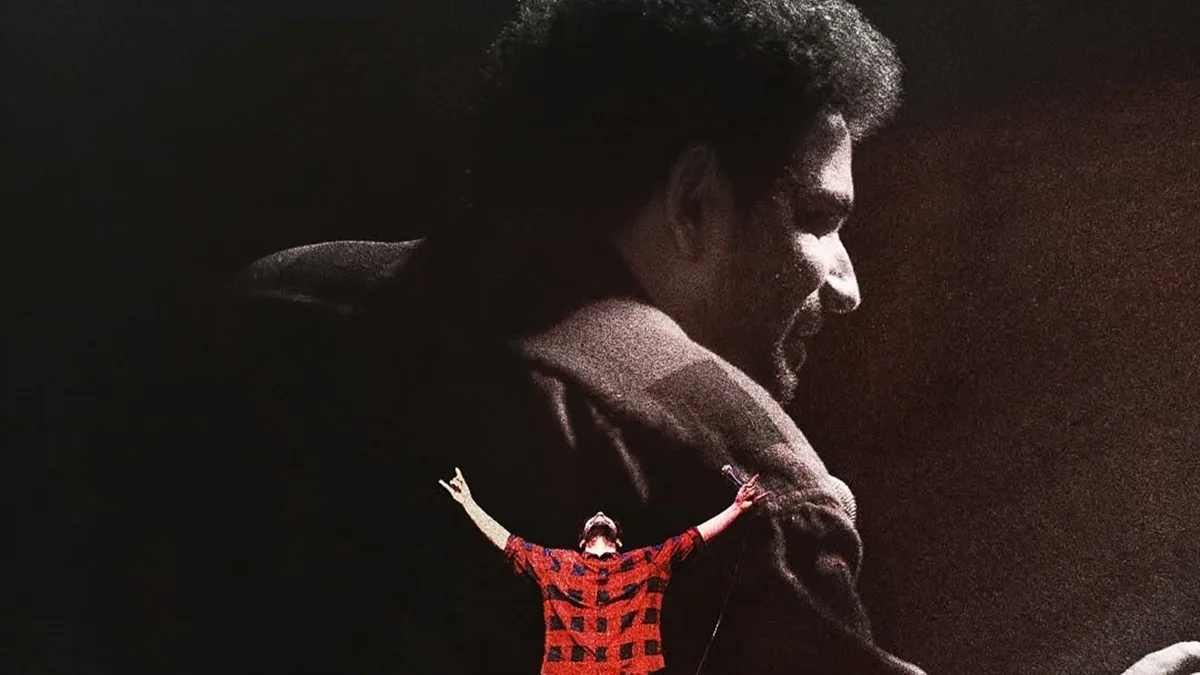
The Incident That Sparked It All
The controversy began with an episode of India’s Got Latent, where Samay Raina’s comedic style, often dark, irreverent, and deliberately provocative, triggered backlash. The criticism wasn’t entirely unexpected. Raina’s humor thrives on discomfort, it doesn’t seek universal approval.
What made this moment explosive was not just the content, but the ecosystem it entered. Social media amplified outrage, dissected intent, and demanded accountability in real time. The backlash was swift, emotional, and, in many ways, predictable.
But Raina didn’t respond immediately. He didn’t apologize in a carefully worded Instagram note. He didn’t launch into defensive explanations. Instead, he did something far more radical in today’s attention economy, he stayed quiet, and then he spoke through his art.
The Father Factor, A Moral Compass in Chaos
If there is one thread that humanizes this entire saga, it is the influence of Raina’s father, a Kashmiri Pandit whose life experiences have shaped his son’s resilience.
During the peak of the controversy, when the noise was loudest, Raina leaned into his father’s wisdom. The message was simple but profound, endure. Don’t react impulsively. Let time, and truth, settle the dust.
This wasn’t abstract advice. It came from a lived history of displacement, struggle, and survival. The Kashmiri Pandit experience carries with it an understanding of silence not as weakness, but as strategy. It’s a silence that absorbs, processes, and eventually responds with clarity rather than chaos.
Raina’s father didn’t encourage outrage. He encouraged perspective. That perspective became the backbone of Still Alive.
“Still Alive”, Comedy as Catharsis
Raina’s stand up special isn’t just a collection of jokes, it’s a narrative of survival. It takes the controversy, the abuse, the scrutiny, and transforms them into something unexpectedly intimate.
Across India, audiences have responded not just with laughter, but with recognition. The special has reportedly struck a chord with viewers, particularly in its exploration of father son relationships. Many have described it as healing, not just humorous.
That’s a rare achievement in comedy.
In a country where emotional vulnerability, especially among men, is often suppressed, Raina’s storytelling has opened a space for reflection. The jokes land, yes. But they also linger.
There’s a moment referenced in discussions around the special where Raina shares a late night text exchange with his father about the backlash. His father’s response, calm, almost amused, cuts through the chaos with generational clarity. It’s not dismissive, it’s grounded. It reminds him that storms pass.
That exchange encapsulates the emotional core of Still Alive, resilience is learned, not inherited.
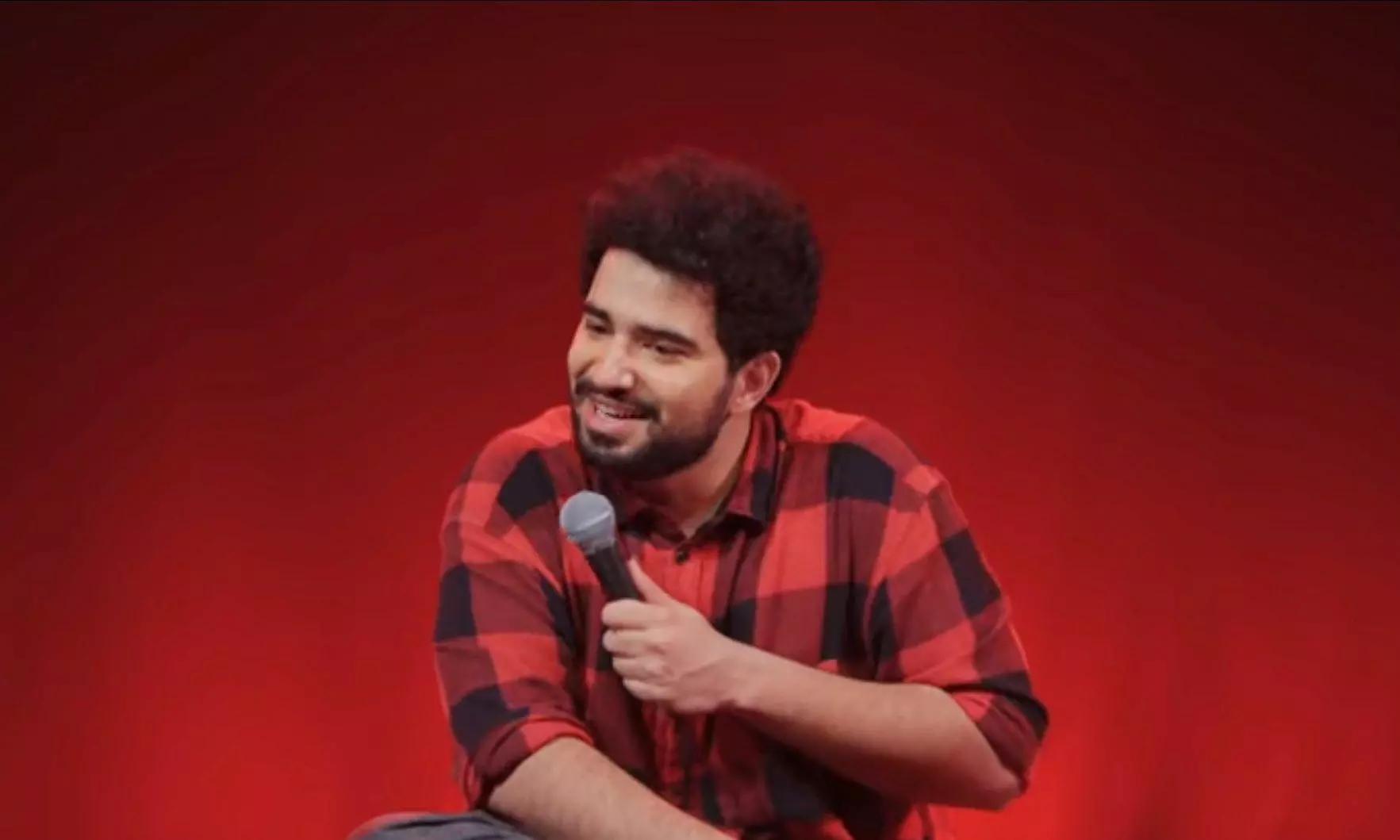
The “Silence Strategy”, Wisdom or Evasion?
Parallel to Raina’s journey, another voice entered the conversation, Ranveer Allahbadia.
Amid the controversy, Allahbadia publicly endorsed what he called a “silence strategy.” He emphasized restraint, suggesting that not every criticism demands a response. His stance was reinforced through social media posts, where he highlighted personal values, even mentioning that his parents were proud of him.
This approach drew mixed reactions.
On one hand, it aligned with Raina’s own measured response, choosing not to engage in reactive discourse. On the other, critics questioned whether silence in such moments is a form of accountability avoidance.
Is silence maturity, or is it privilege?
The answer, perhaps, lies somewhere in between.
Silence can be strategic, especially in an environment where every word is weaponized. But it can also be interpreted as disengagement. The effectiveness of silence depends on what follows it, and in Raina’s case, what followed was Still Alive, a deeply personal and public response.
Allahbadia’s advocacy of silence adds another layer to the debate, in the age of constant commentary, is choosing not to speak an act of control?
The Industry Reacts, Cryptic Signals and Cultural Anxiety
The ripple effects of the controversy reached beyond comedians.
Amitabh Bachchan’s cryptic tweet, posted in the aftermath, sparked speculation across the internet. Though not explicitly linked to Raina, the timing invited interpretation. Was it commentary, coincidence, subtle critique?
In today’s media landscape, ambiguity itself becomes a statement.
What this moment reveals is the industry’s cautious posture. Public figures are increasingly aware that any direct engagement can escalate situations. As a result, reactions are often indirect, layered, and open to interpretation.
This isn’t necessarily cowardice, it’s survival in a digital arena where nuance is often lost.
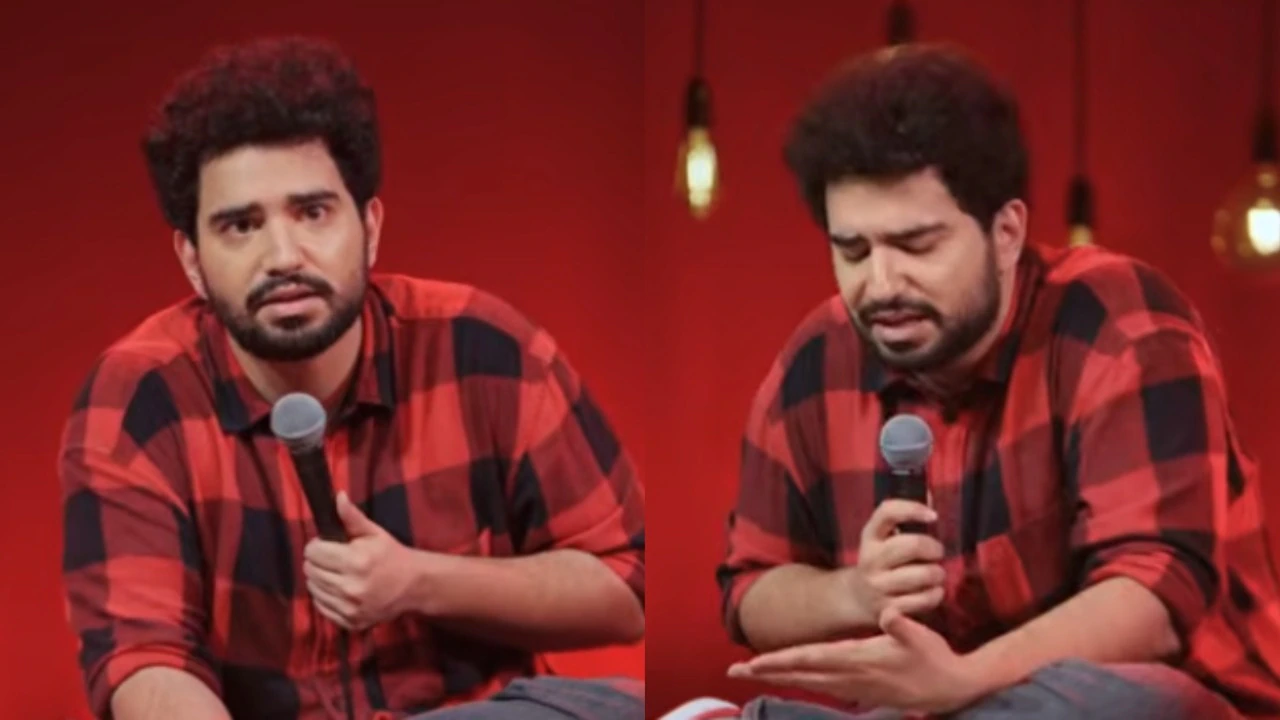
The Internet’s Role, Amplifier and Arbiter
No modern controversy exists in isolation from social media. The backlash against Raina was fueled by viral clips, fragmented context, and algorithm driven outrage.
But the same platforms that criticized him also propelled Still Alive to massive visibility.
This duality is crucial.
The internet doesn’t just cancel, it also redeems. It punishes, but it also platforms. In Raina’s case, it did both simultaneously.
Audiences who may have initially encountered him through controversy later engaged with his full narrative through the special. And in doing so, many reconsidered their positions.
This cycle, outrage, curiosity, consumption, reflection, is becoming the default pattern of digital culture.
Comedy in India, Walking the Tightrope
The larger question this episode raises is about the state of comedy in India.
Stand up has evolved rapidly over the past decade, moving from niche clubs to mainstream platforms. With that growth has come increased scrutiny. Comedians are no longer just entertainers, they are public figures navigating political, cultural, and social sensitivities.
Raina’s style sits at the edge of this spectrum. He doesn’t dilute his material for comfort. He leans into discomfort, using it as a tool rather than avoiding it.
That approach inevitably invites backlash.
But it also pushes boundaries.
The tension between creative freedom and social responsibility is not new. What’s new is the intensity of public reaction and the speed at which it unfolds.
The Masterclass in Survival
Perhaps the most insightful takeaway from this entire episode is captured in the idea that Still Alive is a “masterclass in survival.”
Not survival in the dramatic sense, but in the everyday reality of navigating criticism, staying true to one’s voice, and emerging without losing authenticity.
Raina didn’t pivot his style to appease critics. He didn’t retreat entirely. He absorbed the impact, processed it, and responded through his craft.
That’s a rare form of resilience.
It’s also a reminder that art doesn’t exist in a vacuum. It interacts with society, provokes reactions, and evolves through conflict.
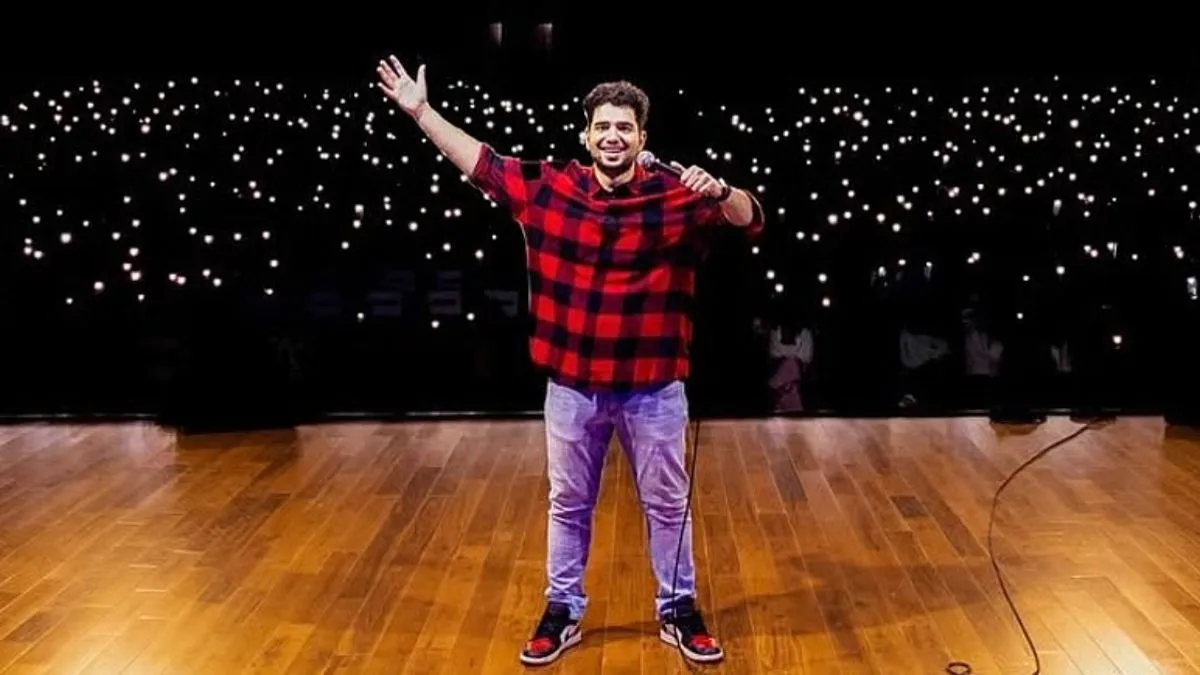
Beyond the Controversy
What makes this story compelling isn’t the controversy itself, it’s what came after.
It’s the father who offered perspective instead of panic.
It’s the comedian who chose storytelling over statements.
It’s the public figuring out, in real time, how to engage with discomfort.
And it’s the broader cultural question, are we willing to sit with ideas that challenge us, or do we demand immediate alignment?
The Final Word
Samay Raina’s journey through the India’s Got Latent controversy and the success of Still Alive is not a simple narrative of backlash and redemption. It’s a layered exploration of modern India’s cultural psyche.
It reveals a society negotiating its boundaries, between humor and offense, expression and accountability, noise and silence.
In the end, Raina didn’t just survive the storm. He used it.
And in doing so, he reminded us of something essential, comedy isn’t just about making people laugh. Sometimes, it’s about making them uncomfortable enough to think, and human enough to feel.
With inputs from agencies
Image Source: Multiple agencies
© Copyright 2025. All Rights Reserved. Powered by Vygr Media.