 By
By 
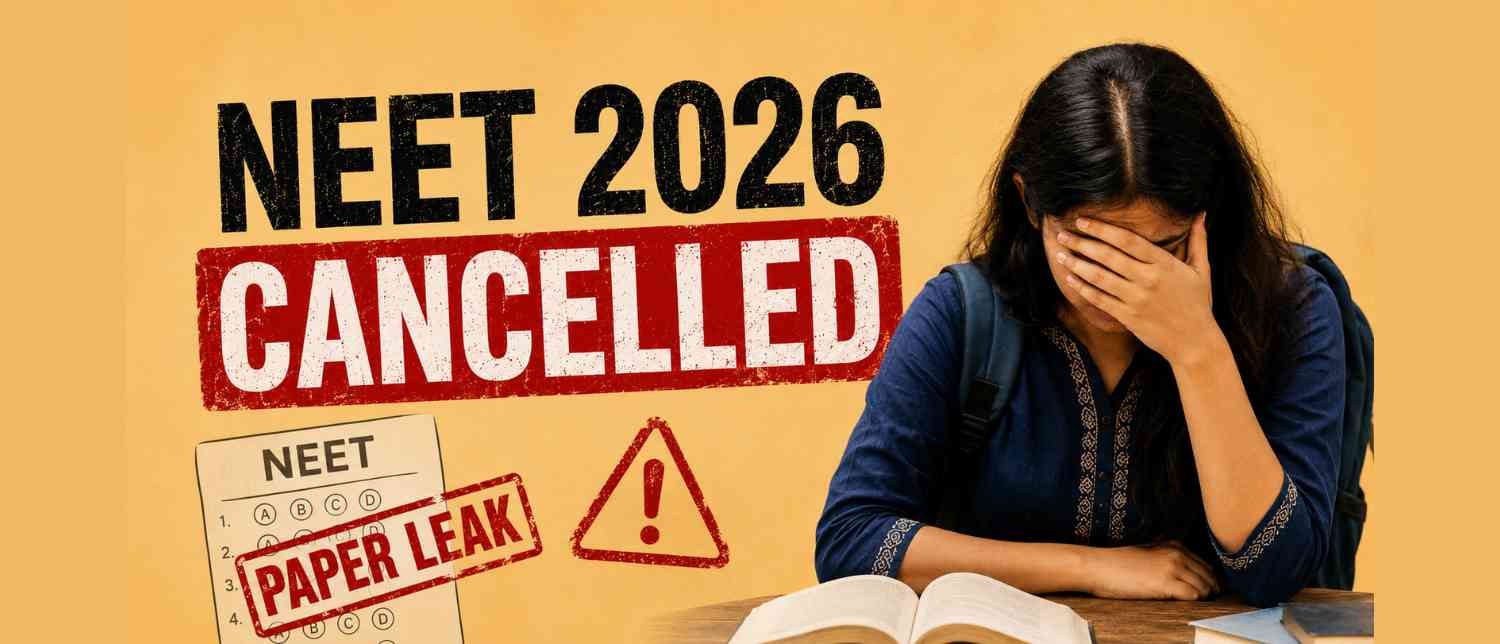
For millions of students across India, NEET is not merely an entrance examination. It is years of sacrifice compressed into three hours. It is sleepless nights, skipped festivals, exhausted parents, mounting coaching fees, and a dream powerful enough to consume entire households. That is precisely why the cancellation of NEET-UG 2026, following yet another paper leak, is not just an “administrative lapse.” It is a national betrayal.
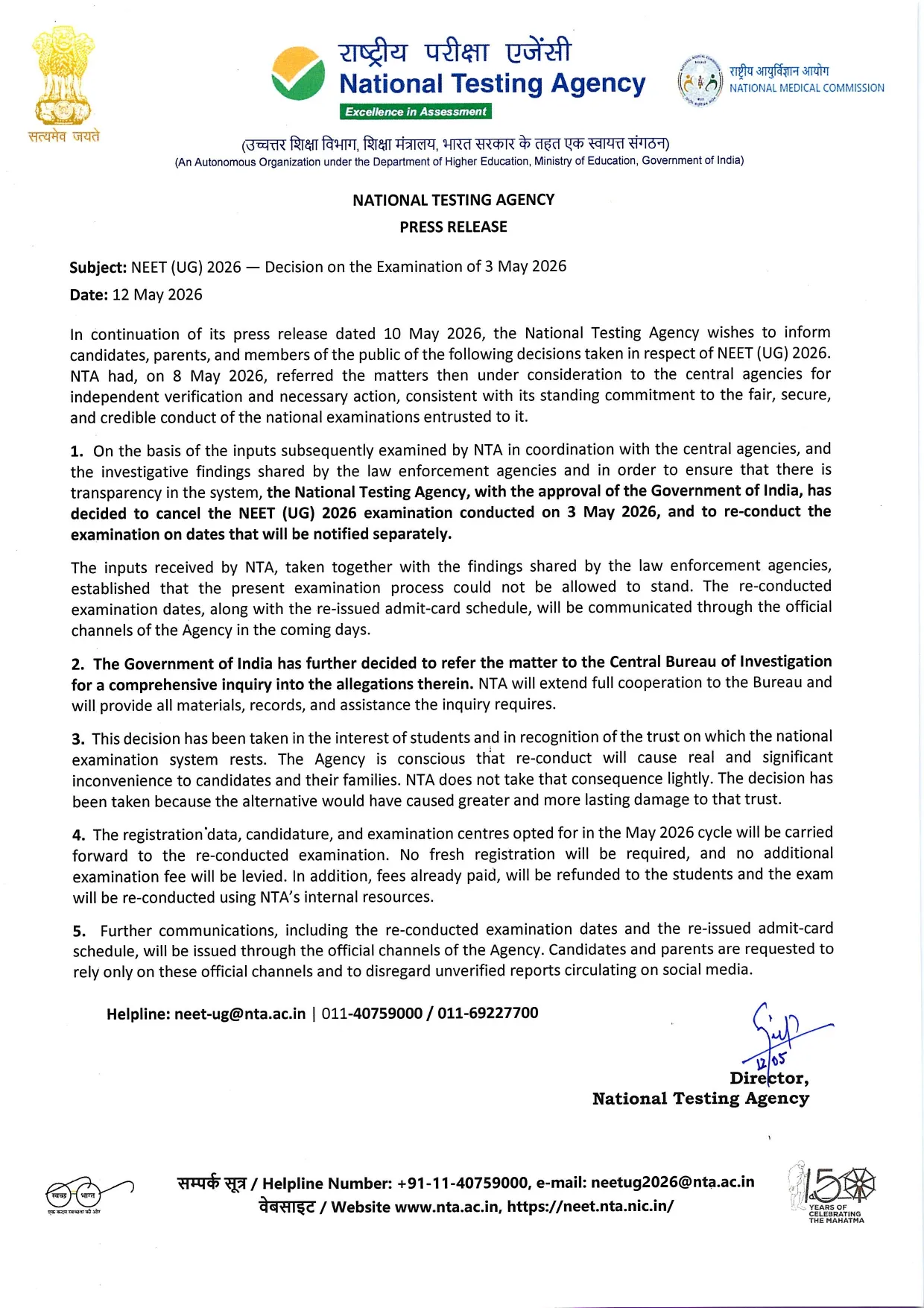
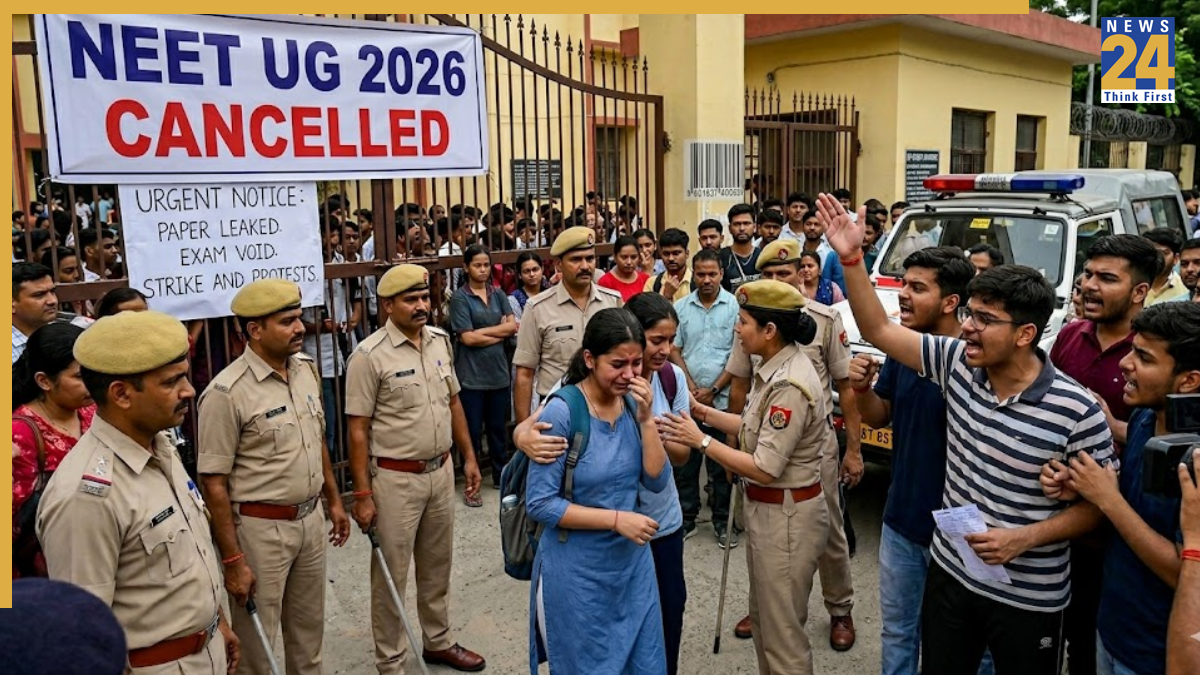
More than 22 lakh aspirants appeared for the examination on May 3 across thousands of centres in India and abroad. Nine days later, the National Testing Agency (NTA) announced that the examination had been cancelled after evidence pointed towards a large-scale leak linked to Rajasthan. A fresh examination will now be conducted, while the Central Bureau of Investigation (CBI) has been asked to probe the matter.
But beneath the headlines lies a far more disturbing question: how many times can the same disaster happen before incompetence stops being called a mistake and starts being recognised as a system?
Because this is not new.
Two years ago, India watched the NEET controversy explode into national outrage. There were allegations of leaks, arrests across states, cancelled exams, investigations, apologies, promises of reform, and grand assurances from authorities that “strict action” would be taken. Students protested. Politicians condemned the system. Officials vowed that such incidents would never happen again.
Now, in 2026, the same thing has happened.
The apology is the same.
The promise is the same.
Only the year has changed.
The Leak That Exposed Everything
According to investigations, the scandal appears to have originated from a “guess paper” circulated in Rajasthan before the examination. Authorities later discovered that more than 100 questions matched the actual NEET paper, particularly in the Biology and Chemistry sections. Some reports suggest that between 120 and 140 questions were similar to the final exam paper.
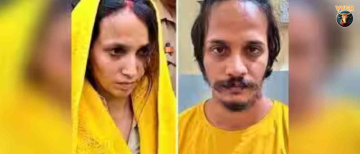
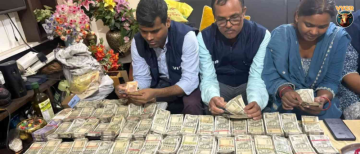
The Rajasthan Special Operations Group (SOG) reportedly traced the circulation of the paper through coaching-linked networks and individuals connected to medical education circles. Arrests and detentions followed across Rajasthan and Uttarakhand, while investigators also examined links to Maharashtra and Kerala.
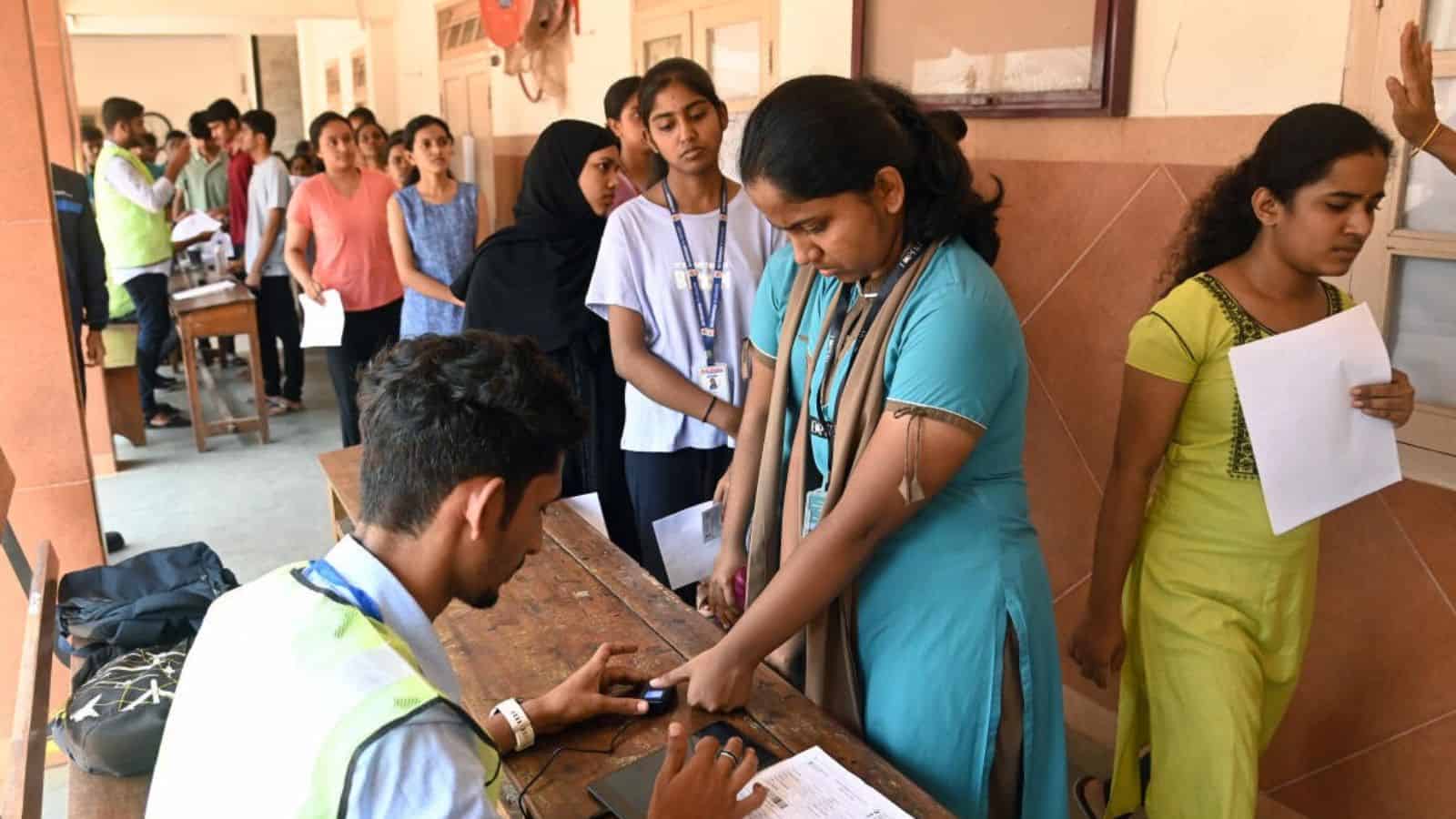
The scale of the breach is staggering. NEET-UG 2026 was conducted across 551 cities in India and 14 cities abroad, involving over 5,000 examination centres. Yet despite layers of security, sealed papers, biometric checks, surveillance, and years of warnings after previous scandals, the system still failed.
And this is what makes the situation unforgivable.
A one-time lapse may be negligence.
A repeated lapse becomes institutional collapse.
How Did India Reach A Point Where Paper Leaks Feel “Normal”?
Perhaps the most tragic part of this crisis is not the leak itself. It is the public reaction to it.
Students were shocked, yes, but not surprised.
Across social media platforms and online discussions, aspirants described paper leaks as an “annual occurrence.” Many spoke about “mental trauma,” exhaustion, and the feeling that the system no longer rewards honesty or hard work.
One comment online described NTA as the “National Trauma Agency.” Another asked why India still cannot create secure digital encryption systems for question papers in 2026. Others questioned how coaching networks repeatedly gain access to confidential material while authorities continue speaking in the language of “strict measures.”
These reactions are not merely emotional outbursts. They are signs of something far more dangerous: the collapse of trust.
And once students lose trust in examinations, the entire meritocratic foundation of the education system begins to crumble.
India’s competitive exams were designed to create equal opportunity. NEET, especially, was projected as a transparent national gateway that would standardise admissions and reduce corruption. Instead, it now risks symbolising the exact opposite, a system where students from ordinary backgrounds spend years preparing honestly while organised leak networks manipulate outcomes from behind the scenes.
The Government Cannot Keep Pretending This Is Unexpected
Every year after a paper leak, governments react as though they are encountering a completely new problem. Statements are issued. Investigations are ordered. Agencies promise reform. Then another leak happens.
Why?
Because the response has always been reactive, never structural.
The uncomfortable reality is that India’s examination ecosystem has become vulnerable at multiple levels, including paper printing, transportation, centre management, coaching mafia networks, insider collusion, digital handling, and local administrative failures. Yet reforms continue to be cosmetic rather than systemic.
The current crisis also revives scrutiny over the NTA itself. Over the past few years, several major examinations have witnessed disruptions, glitches, postponements, or allegations of malpractice. CUET glitches, recruitment exam leaks, biometric failures, and technical irregularities have repeatedly exposed weaknesses in exam administration.
At what point does repeated failure stop being called “unfortunate”?
If an institution entrusted with the future of millions repeatedly fails to protect examinations, accountability cannot stop at press conferences.
The Human Cost Is Being Ignored
Governments often discuss paper leaks in terms of investigations and law enforcement. But for students, the damage is deeply personal.
Most NEET aspirants prepare for years. Many move away from home to coaching hubs like Kota, Sikar, Delhi, or Patna. Families spend lakhs on coaching, accommodation, test series, and study materials. Some students take gap years solely to improve their scores.
Now imagine being told that after all that effort, the exam no longer counts because the system failed.
Again.
The emotional toll of such uncertainty is enormous. Students who performed well now have to restart preparation under intense stress. Those who barely recovered from exam pressure must re-enter the same cycle within weeks. Families that rearranged finances around admission timelines now face another period of instability.
And the cruellest part? The students who studied honestly are the ones punished the most.
The leak mafia loses nothing.
The corrupt intermediaries regroup.
Officials issue statements.
Politicians trade accusations.
But students lose time, and in competitive examinations, time is everything.
Why Is India Still So Unprepared?
What makes the crisis harder to defend is that solutions already exist.
Technology today allows encrypted digital transmission, dynamic question banks, randomised paper generation, traceable printing patterns, QR-linked tracking systems, and last-minute decryption protocols. Many countries handling high-stakes testing already use sophisticated systems to minimise leaks.
Even students online are suggesting stronger security mechanisms than authorities appear willing to implement.
So why does India still seem trapped in an outdated, leak-prone model?
Part of the answer lies in scale. Examining more than 22 lakh students across thousands of centres is undoubtedly a logistical challenge. But scale cannot become a permanent excuse for failure. In fact, larger systems demand stronger safeguards, not weaker accountability.
Another reason is political culture itself. Examination scandals often generate outrage for a few weeks before fading into the larger news cycle. Investigations drag on. Convictions remain limited. Structural reforms lose momentum. Eventually, another exam season arrives, and the cycle repeats.
This repetition creates dangerous normalisation.
Paper leaks should be treated as national emergencies in an education-driven society. Instead, they are increasingly becoming expected headlines.
The Real Crisis Is Moral
Beyond administration and technology lies a more troubling issue: the moral collapse surrounding competitive examinations.
A parallel ecosystem has emerged around leaks, coaching manipulation, impersonation, and organised cheating. In many places, exam corruption is no longer viewed as shocking but transactional. Parents desperate for seats, students crushed by competition, middlemen seeking profits, and officials willing to compromise integrity together create a culture where merit itself becomes negotiable.
That is why merely arresting a few individuals will not solve the problem.
India needs an educational accountability framework that treats exam integrity with the seriousness of national infrastructure. For young people, examinations are infrastructure. They determine careers, mobility, social status, and economic survival.
When that infrastructure collapses, public faith collapses with it.
A Generation Is Losing Faith In Institutions
Perhaps the greatest long-term danger is psychological.
Young Indians are repeatedly being taught that hard work alone may not be enough. They are learning that systems can fail without consequence. The authorities react only after public outrage. Those promises of reform are temporary headlines.
This erosion of faith may prove more damaging than the leak itself.
A country cannot build a future on the despair of its youth. And yet, that is precisely where India appears headed when examination failures become routine.
The government now says a re-examination will be conducted, registrations will remain valid, and fresh admit cards will be issued.
But students have heard these assurances before.
What they want now is not another promise.
They want proof that somebody, somewhere, is finally willing to fix the system instead of merely managing outrage.
Because if India cannot protect even its most important national examinations after repeated scandals, then what exactly is being governed efficiently?
And if the government cannot safeguard the dreams of millions of young aspirants, then who will?
The tragedy of NEET 2026 is not only that a paper leaked.
It is that millions of students no longer seem shocked when it does.
With inputs from agencies
Image Source: Multiple agencies
© Copyright 2026. All Rights Reserved. Powered by Vygr Media.