 By

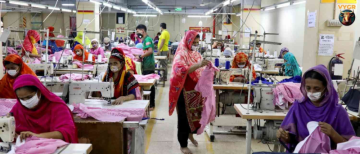
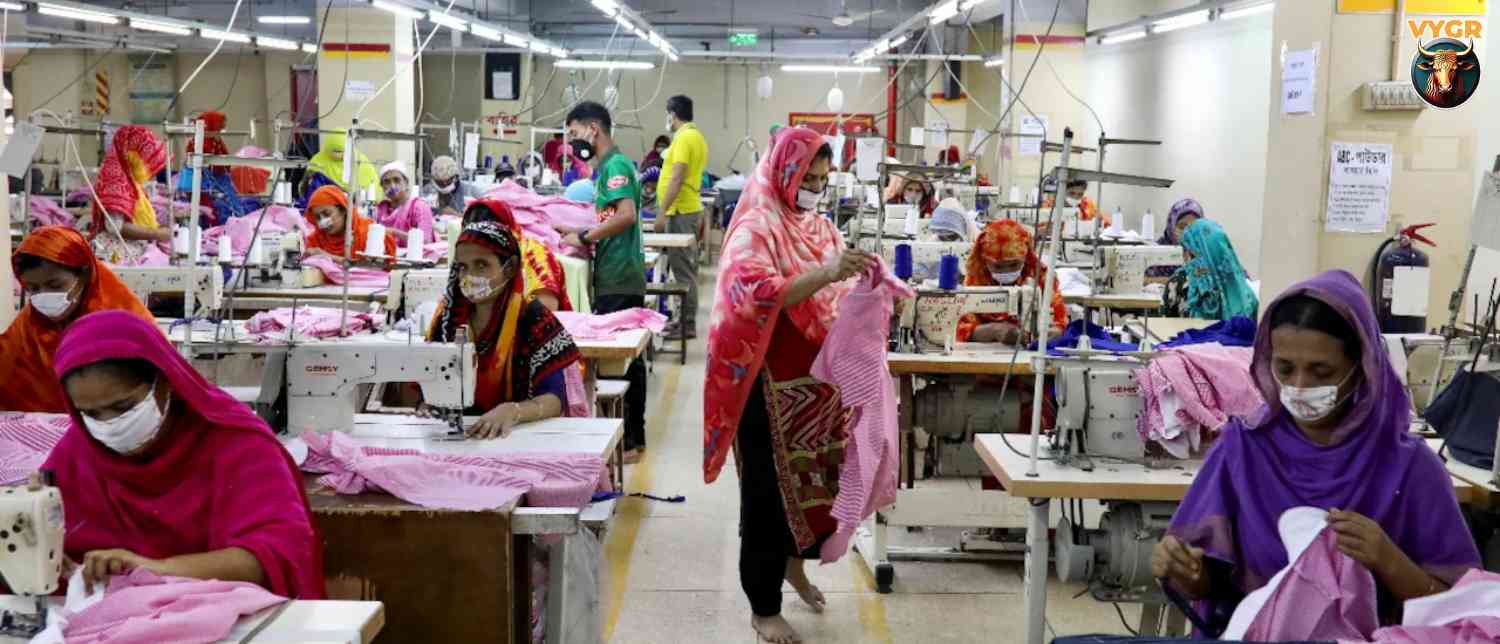
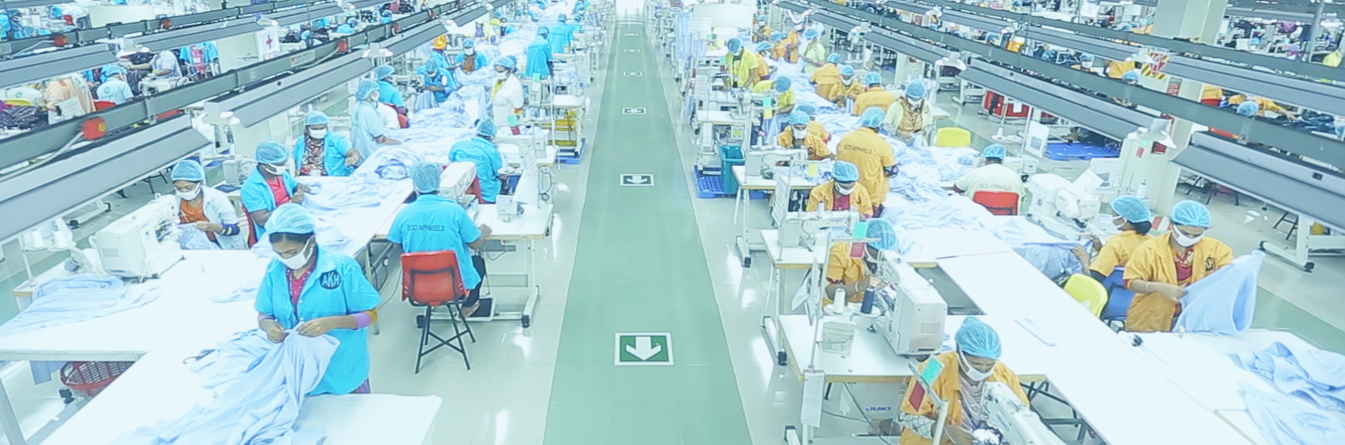
Weeks of unrest in Bangladesh’s garment factories are now reshaping where the world’s clothes get made. Global fashion brands including Zara and H&M have diverted garment orders worth about $250 million, roughly Rs 2,350 crore, away from Bangladesh, and India has emerged as the biggest beneficiary. The shift amounts to nearly a tenth of Bangladesh’s monthly garment orders.
What is being reported
According to factory owners who spoke anonymously, citing concern for their relationships with international buyers, brands redirected about $254 million worth of orders between November 1 and 18. Besides Zara, owned by Inditex, and H&M, the owners named Marks & Spencer and the French brand Celio as having moved business. Most of the orders went to India, while some also went to Vietnam, Indonesia and Cambodia.
One factory owner said that since November 1, most of his buyers had stopped placing orders because of the unrest. These figures come from industry accounts, not from the brands, which haven’t publicly detailed their sourcing decisions in the coverage reviewed.
How the crisis unfolded
The trouble began on October 31, when garment workers took to the streets demanding higher minimum wages. They argue that pay has failed to keep up with the rising cost of food, housing, transport and healthcare. Union leaders note that Bangladeshi garment wages remain among the lowest in the world.
The government responded by forming a new wage board, and on November 4 the board agreed to raise the minimum wage. Factories restarted, but protests resumed within days. Police used tear gas in Gazipur and other industrial hubs, some demonstrations turned violent, and factory owners warned of closures and withheld pay at plants where work did not resume.
At the worst point, around 500 of the country’s roughly 4,500 garment factories were shut. Workers’ representatives later rejected an employer offer and proposed a much higher wage floor, around 32,000 taka for the lowest regular grade. Bangladesh has reportedly approved a 36 per cent increase in the garment minimum wage, though the dispute over the final figure has not fully settled and clashes were reported as recently as November 26.
The cost to Bangladesh
The damage is already large. The Bangladesh Garment Manufacturers and Exporters Association estimates production losses of more than $400 million for the period, with one estimate putting the loss at roughly $428 million across 317 factories between November 1 and 18.
The stakes go well beyond one industry. Garments are worth about $38 billion a year to Bangladesh, account for more than 80 per cent of export earnings, and employ around four million people, most of them women. As one former industry association director put it, businesses lose money, workers lose working days, and buyers begin to question Bangladesh as a sourcing destination.
Manufacturers are increasingly worried that the damage could outlast the strikes. Rising costs, energy shortages and delivery delays were already eroding the country’s cost advantage before the protests, and industry representatives say a wage increase narrows Bangladesh’s edge over India. Trade unions counter that wages are still low by global standards and that workers have carried the costs for years.
Why India benefits
Global retailers care about three things above all: price, speed and reliability. When a major supplier faces shutdowns, delays and uncertainty, buyers look for somewhere that can deliver on schedule. India offers scale, an integrated textile chain from cotton to finished garments, and long-standing relationships with the same brands.
The market has noticed. The reported order shift triggered a surge in Indian textile stocks. For Indian exporters, particularly those in garment hubs with spare capacity, the diversion is a chance to win business that could stick.
Caution about reading too much into it
A few caveats are worth keeping in mind. The $254 million figure covers a short period of 18 days and rests on accounts from a small number of factory owners. Orders that move during a crisis don’t always stay moved. Brands often maintain relationships with multiple countries and may return to Bangladesh once conditions stabilise and wage disputes are settled.
Capacity matters too. Indian factories have to absorb the extra work without compromising quality or delivery times, and new orders usually mean new costs for raw materials, labour and logistics. And Bangladesh remains the world’s second-largest garment exporter after China, with deep supplier networks and decades of expertise that can’t be replicated overnight.
The bigger picture
This episode illustrates how fragile global apparel supply chains can be. Brands that diversify across countries can shift volumes quickly when one hub is disrupted, and workers and factories at the other end feel the consequences immediately. For Bangladesh, the lesson is that labour peace, reliable energy and on-time delivery are as important as low prices. For India, it is an opportunity, but one that has to be earned through consistent delivery.
What to watch next
Key signals include whether the wage dispute is resolved and factories return to normal operations, whether the diverted orders prove temporary or permanent, whether more brands announce shifts in their sourcing, and whether Indian exporters can scale up smoothly. How Bangladesh restores buyer confidence will matter as much as the wage settlement itself.
© Copyright 2026. All Rights Reserved. Powered by Vygr Media.