 By

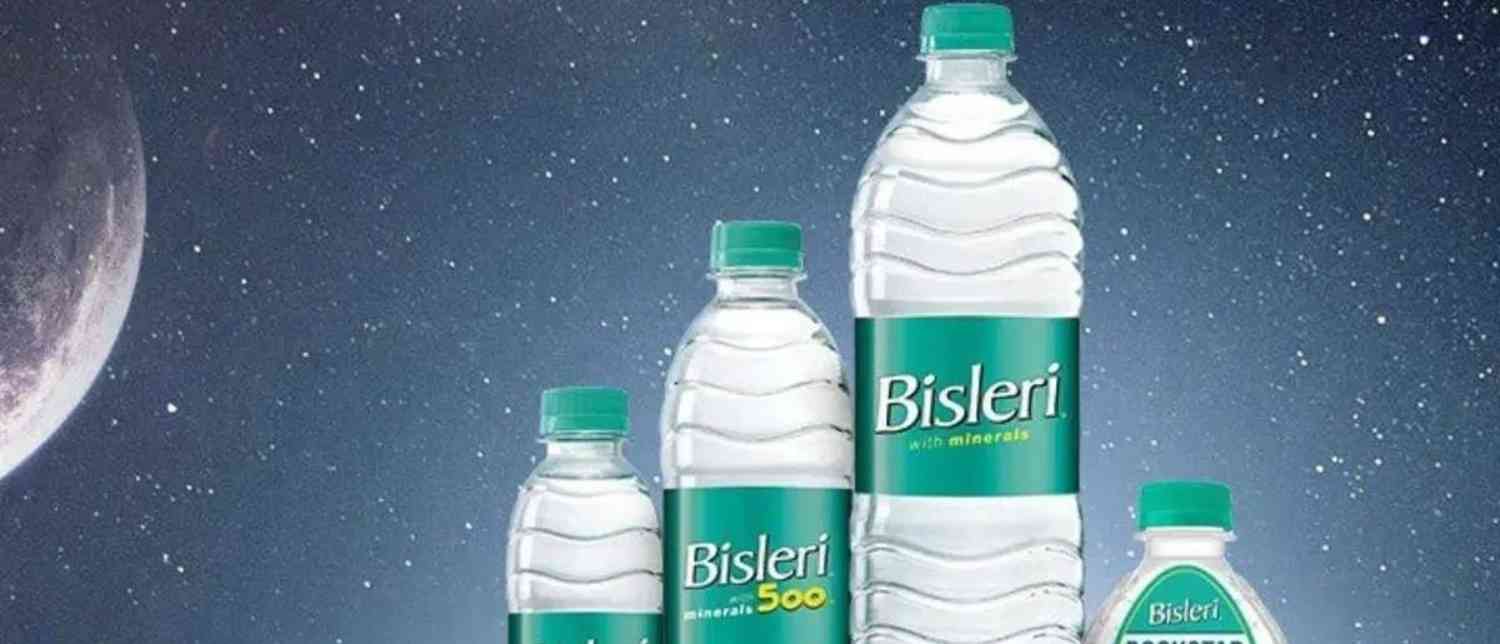
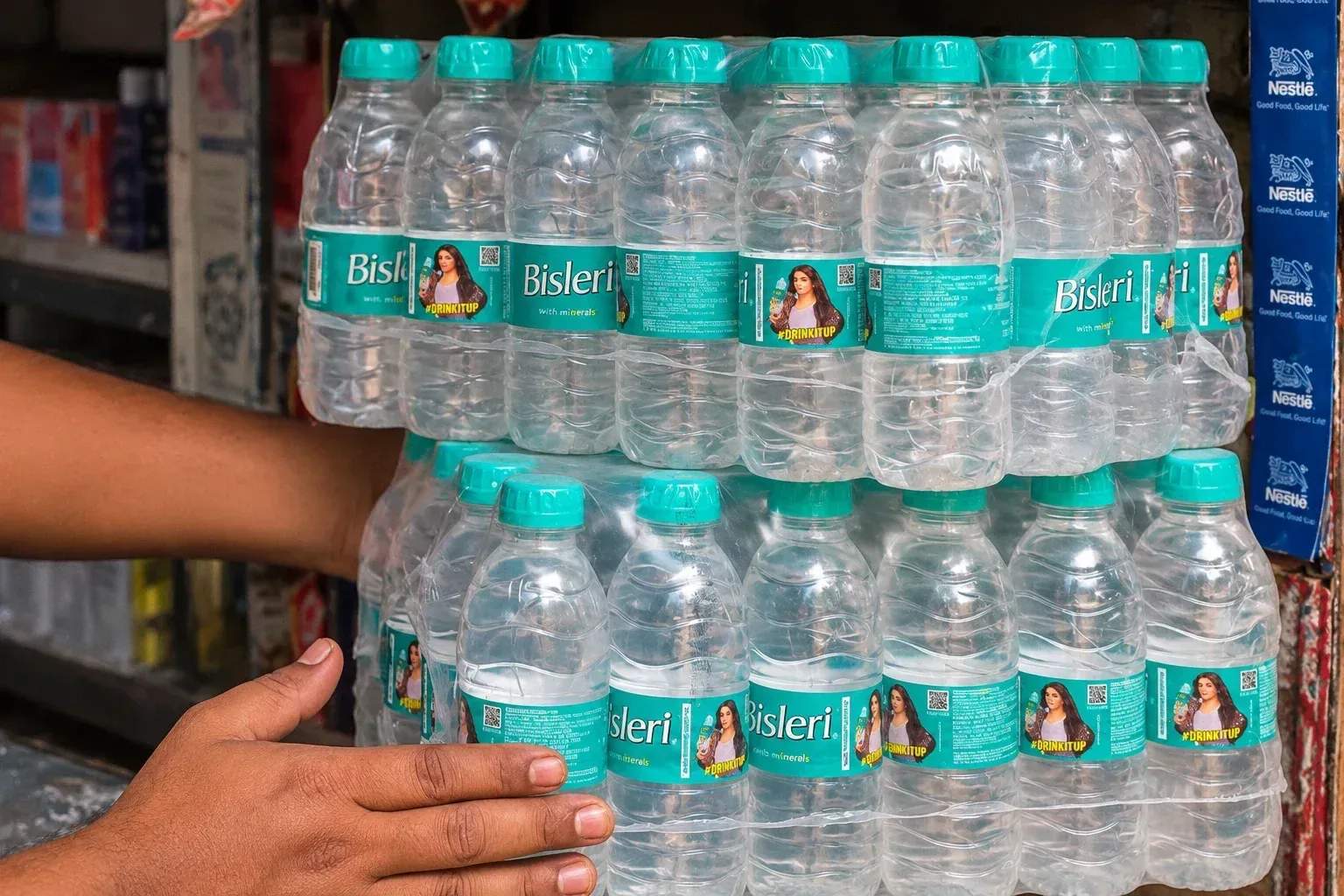
India's packaged drinking water industry is facing renewed scrutiny after a series of food safety investigations raised serious questions about the quality and safety of Bisleri water. The country's one of the most recognisable bottled water brands has come under the Food Safety and Standards Authority of India's (FSSAI) scanner after laboratory tests reportedly identified bacterial contamination and chemical substances in samples collected from its manufacturing facilities.
The developments have triggered concerns among consumers who rely on packaged drinking water as a safer alternative to regular tap water. From the detection of coliform bacteria in a sample collected in West Bengal to laboratory findings involving bromate and polynuclear aromatic hydrocarbons (PAHs) in a separate Goa-related case, the controversy has brought bottled water quality and food safety regulations back into focus.
However, it is important to understand that these findings relate to specific samples and regulatory proceedings. They do not establish that every Bisleri bottle currently available in the market is unsafe.
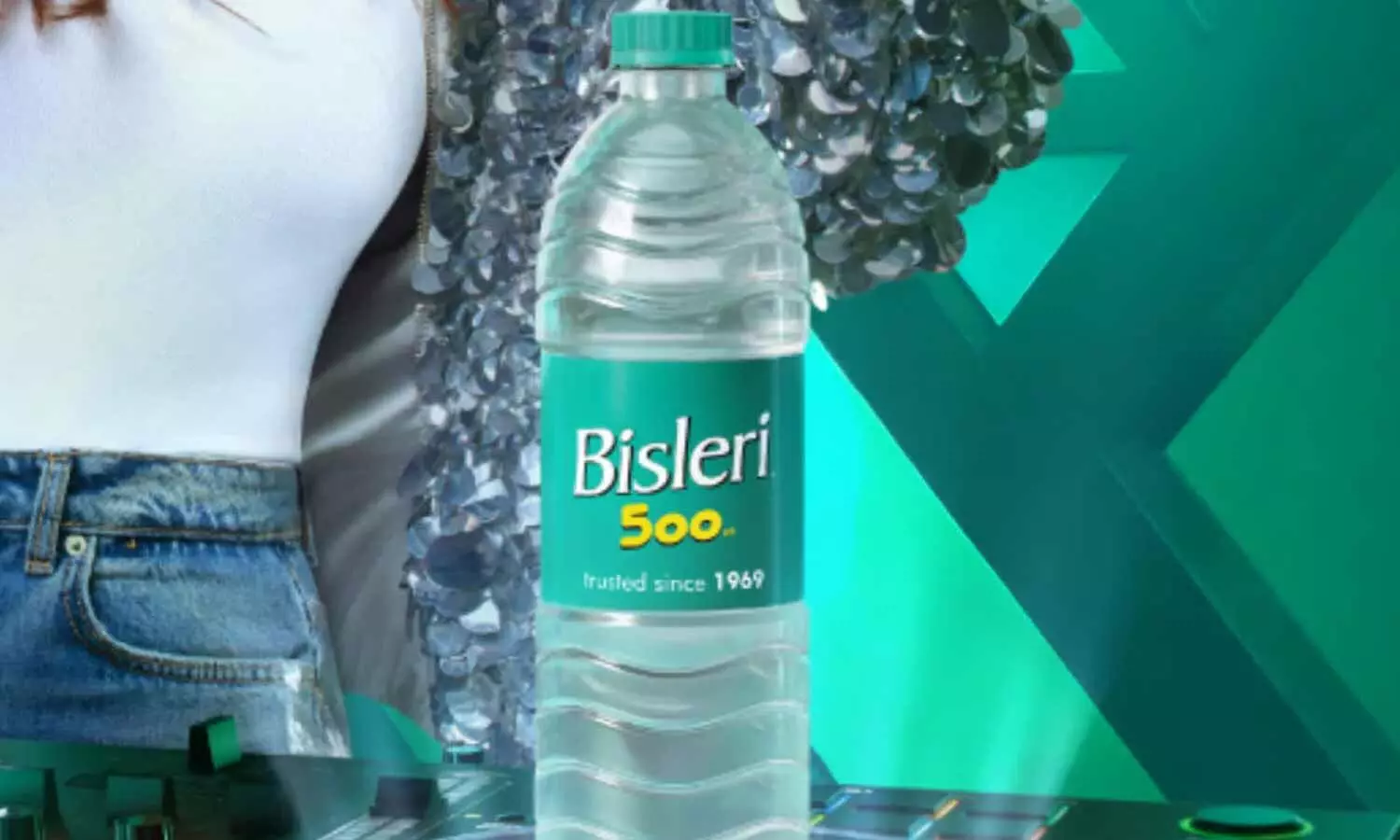
Bisleri Water Under FSSAI Scanner After Laboratory Tests Flag Safety Concerns
The latest developments have placed Bisleri International under increased regulatory scrutiny, with the FSSAI sanctioning prosecution against the company in connection with separate food safety cases.
One of the cases involves a packaged drinking water sample collected from Bisleri's manufacturing facility in Telipara village, Jalpaiguri, West Bengal. According to the reported laboratory findings, the sample was declared unsafe after coliform bacteria were detected.
The presence of the bacteria was reportedly confirmed by both the primary laboratory and the referral laboratory, strengthening the regulatory findings. Following the reported violation of prescribed food safety standards, the regulator prohibited the sale of the affected batch on August 12, 2026.
The West Bengal development came amid another regulatory case involving a Bisleri manufacturing facility in Goa, where laboratory examinations identified concerns relating to chemical contaminants.
These developments have raised questions about manufacturing practices, water purification procedures and the effectiveness of quality control measures in the packaged drinking water industry.
What Did the Laboratory Tests Reveal?
The regulatory concerns involve two different types of contamination: microbiological contamination and chemical contamination.
1. Coliform Bacteria Detected in West Bengal Sample
In the West Bengal case, the FSSAI reportedly collected a sample from Bisleri's Telipara manufacturing facility in Jalpaiguri district in July 2026.
The sample belonged to Batch No. PB 201, manufactured on July 20, 2026, with a use-by date of January 19, 2027. Laboratory examinations detected coliform bacteria, and both the primary and referral laboratories reportedly confirmed their presence.
Following the findings, the regulator prohibited the sale of the affected batch on August 12, 2026, and sanctioned prosecution against Bisleri International Pvt Ltd.
Coliform bacteria are a group of microorganisms commonly used as indicators of water quality. Their presence can point towards inadequate treatment, contamination during manufacturing or problems with the handling and distribution process.
Although not every coliform bacterium causes disease, its detection in drinking water is a significant food safety concern. It can indicate that the water treatment or sanitation process requires investigation.
For consumers, the finding raises an important question: how effectively are packaged drinking water manufacturers monitoring the quality of water throughout production?
2. Bromate Levels Exceeding Permissible Limits in Goa
A separate case involving Bisleri's Goa manufacturing facility brought chemical contamination into focus.
According to the regulatory findings, an initial laboratory examination identified bromate levels exceeding the prescribed safety limit in a packaged drinking water sample.
Bromate is a chemical compound that can form during the ozonation process used to disinfect drinking water. It develops when ozone reacts with naturally occurring bromide in water.
India's prescribed maximum permissible limit for bromate in packaged drinking water is 0.01 mg per litre, equivalent to 10 micrograms per litre.
Bisleri stated that the initial testing of six samples collected from its Goa facility on September 30, 2025, found that five complied with applicable standards. The sixth sample reportedly recorded bromate at 12 micrograms per litre, slightly exceeding the prescribed limit.
The company subsequently challenged the initial findings and requested further examination.
3. Referral Laboratory Detects PAHs
Following Bisleri's appeal, the sample was forwarded to a referral food laboratory for another examination.
The second laboratory reportedly detected polynuclear aromatic hydrocarbons (PAHs) and classified the sample as unsafe, although its findings differed from the initial bromate assessment.
PAHs are a group of chemical compounds that can enter the environment through the incomplete burning of organic materials, including coal, wood and fuel. Certain compounds within this group are associated with serious health risks, including cancer, depending on the type, concentration and duration of exposure.
The difference between the laboratory findings became a central part of the controversy.
Bisleri maintained that an independent examination conducted at an FSSAI-approved laboratory found bromate levels within the prescribed limits. The company also said it had submitted its independent test results to the regulator's Western Regional Office on February 2, 2026, seeking clarification.
Despite the company's objections, the FSSAI proceeded with the regulatory action, citing the laboratory findings and violations under the Food Safety and Standards Act, 2006.
FSSAI Sanctions Prosecution Against Bisleri Under Food Safety Act
Following the laboratory findings, the FSSAI sanctioned prosecution against Bisleri International under the Food Safety and Standards Act, 2006.
The decision marks a significant development because the regulator has moved beyond identifying laboratory non-compliance to initiating legal proceedings against the company.
The Goa-related action followed the November 22, 2026, announcement concerning unsafe packaged drinking water. The West Bengal case subsequently brought another manufacturing facility under scrutiny after coliform bacteria were detected.
However, prosecution sanction should not be confused with a final court conviction. The legal proceedings are intended to address the alleged violations, and the company's liability will be determined through the applicable legal process.
FSSAI Clarifies Action Against Specific Goa Batch
An important clarification emerged on November 23, 2026, when the regulator explained that the prohibition on sales in the Goa-related case applied to a particular batch rather than the company's entire product range.
The affected batch was identified as GO 270, manufactured at the Goa facility on September 27, 2025.
The regulator also directed the company to conduct a root cause analysis to establish why the sample failed to meet the prescribed safety requirements.
This clarification is important for consumers because it distinguishes the regulatory action against a specific production batch from a nationwide ban on Bisleri products.
The company subsequently maintained that the affected batch was no longer available in the market and reiterated that its products remained safe for consumption.
What Has Bisleri Said About the Water Contamination Allegations?
Bisleri International has disputed aspects of the regulatory findings and maintained that its packaged drinking water is safe for consumption.
In its response to the Goa-related controversy, the company explained that the matter originated from a batch manufactured in September 2025, approximately 14 months before the November 2026 announcements.
The company highlighted that five of the six samples initially collected from its Goa facility complied with the applicable standards. It also questioned the differences between the initial laboratory findings and the subsequent referral laboratory results.
Bisleri stated that it had independently tested the sample at an FSSAI-approved laboratory and submitted the findings to the regulator in February 2026.
The company further emphasised that its manufacturing process involves a 10-step purification system and more than 90 quality checks.
It also said it would cooperate with the food safety regulator and address the matter through the appropriate legal and regulatory channels.
These statements represent the company's position. They do not override the regulator's findings or independently establish the safety of the affected samples.
FSSAI Steps Up Nationwide Inspections of Packaged Drinking Water Brands
The Bisleri controversy has emerged at a time when food safety authorities are increasing surveillance of India's packaged drinking water industry.
Following the recent developments, the FSSAI instructed state governments and Union Territories to intensify inspections of packaged drinking water and mineral water manufacturers.
The regulator asked food safety officials to conduct regular inspections, undertake risk-based sampling and initiate appropriate action against businesses found violating food safety standards.
Authorities have also been directed to maintain records of inspections, collected samples and laboratory reports on the Food Safety Compliance System (FoSCoS).
This increased monitoring is significant because packaged drinking water is consumed by millions of people across India, including children, working professionals, travellers and households.
The regulatory focus is not limited to one brand. It highlights the need for consistent quality checks, effective manufacturing practices and greater accountability throughout the bottled water industry.
Should Consumers Be Worried About Bisleri Water Safety?
The latest Bisleri water controversy has understandably raised concerns among consumers. However, it is equally important to interpret the findings accurately rather than assume that every bottle sold under the brand is contaminated.
The reported cases involve specific samples and manufacturing batches. The Goa-related action concerns Batch GO 270, while the West Bengal case involves Batch PB 201.
There is no basis in these findings alone to conclude that all Bisleri products or every manufacturing facility have failed safety tests. Similarly, the prosecution proceedings do not amount to a final judicial finding of guilt.
Nevertheless, consumers should pay attention to packaged drinking water safety and take a few basic precautions:
-
Check manufacturing and expiry details: Always examine the manufacturing date, batch number and use-by date before purchasing packaged drinking water.
-
Inspect the bottle seal: Avoid bottles with damaged caps, broken seals or signs of tampering.
-
Look for quality certifications: Check the applicable food safety licence and required product information on the packaging.
-
Avoid damaged packaging: Do not purchase bottles that appear contaminated, improperly stored or physically damaged.
-
Report suspicious products: If a bottle has unusual colour, particles, odour or packaging defects, avoid consuming it and report the concern to the relevant food safety authorities.
Consumers should also avoid treating social media claims or sensational headlines as proof that an entire brand's products are unsafe.
Why the Bisleri Controversy Raises Bigger Questions About Bottled Water Quality in India
Beyond the allegations against an individual manufacturer, the developments highlight a larger concern about drinking water safety in India.
Packaged drinking water is often purchased because consumers believe it offers greater protection against contamination than untreated water sources. This expectation places considerable responsibility on manufacturers to maintain strict hygiene standards.
The detection of coliform bacteria in one sample and chemical contaminants in another highlights two different challenges facing water purification and quality management.
Microbiological contamination can indicate problems with sanitation, treatment or handling, while chemical contamination may point towards issues involving source water quality, purification methods or manufacturing processes.
Both require effective monitoring and corrective action.
For the industry, the controversy also underlines why quality assurance cannot depend solely on a manufacturer's internal testing procedures. Independent laboratory examinations, regulatory inspections and transparent reporting are essential to maintaining consumer confidence.
The FSSAI's increased surveillance could therefore play an important role in identifying potential safety violations before they affect larger sections of the population.
Bisleri Water Safety Under Scrutiny as FSSAI Tightens Regulations
The recent Bisleri water controversy has brought packaged drinking water safety back into the spotlight. With laboratory tests reportedly detecting coliform bacteria in a West Bengal sample and chemical contaminants in a separate Goa-related case, the company is facing increased regulatory scrutiny.
While Bisleri continues to maintain that its products are safe and has questioned aspects of the laboratory findings, the FSSAI has sanctioned prosecution under the Food Safety and Standards Act, 2006.
The distinction between the affected batches and the company's wider product range remains important. There has been no nationwide recall established by these findings, and prosecution sanction does not mean the company has been convicted.
Ultimately, the controversy serves as a reminder that drinking water safety cannot be taken for granted. Stronger regulatory oversight, transparent laboratory testing and consistent quality control are essential to ensuring that packaged drinking water meets the safety standards consumers expect.
© Copyright 2026. All Rights Reserved. Powered by Vygr Media.