 By

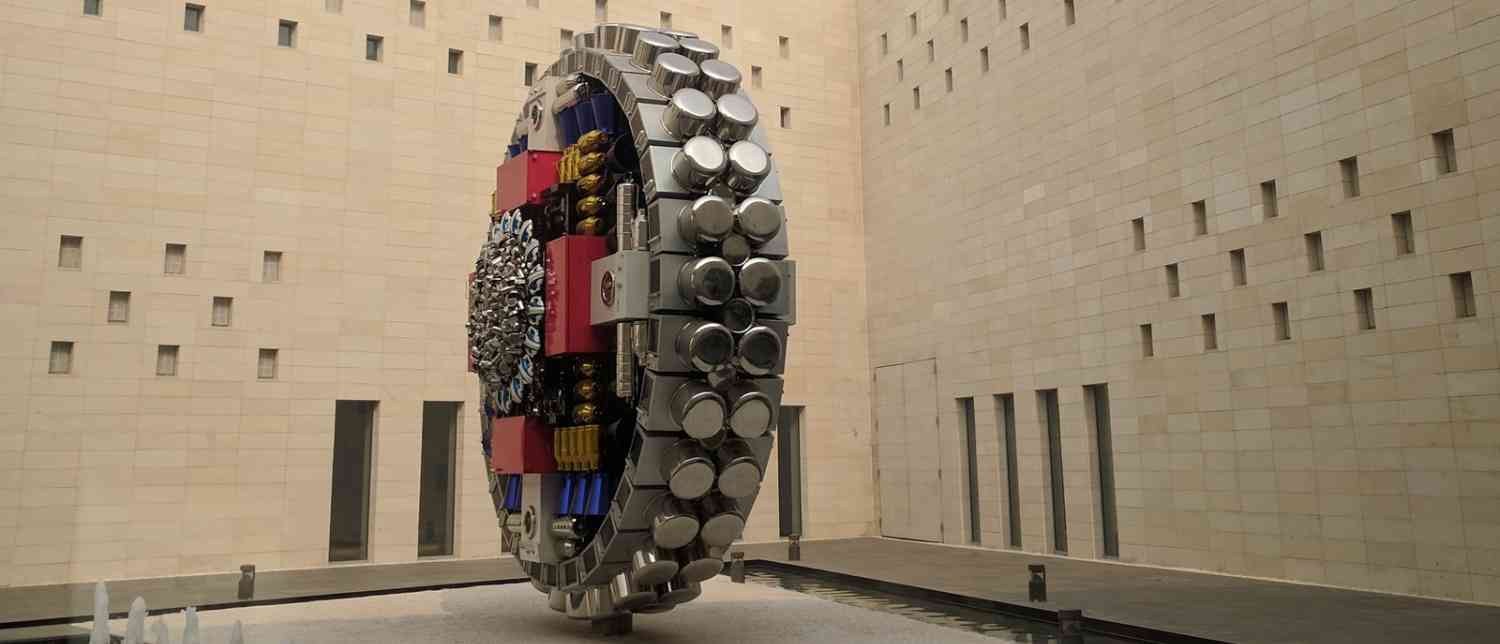
India's cultural landscape has received a significant international boost, and this time, the spotlight is firmly on Bihar. The Bihar Museum in Patna has secured the ninth position in the prestigious World's 100 Best Museums 2026 ranking, placing itself ahead of some of the most celebrated museums across the globe.
The achievement is particularly noteworthy because the Patna-based institution has emerged as the highest-ranked museum in Asia, outperforming internationally renowned cultural destinations that have attracted millions of visitors for generations. Among the institutions it has surpassed are New York's Metropolitan Museum of Art, popularly known as The Met, and the iconic Louvre Museum in Paris.
For Bihar, a state whose history is deeply connected with ancient Indian civilisation, philosophy, education and artistic traditions, this recognition represents much more than an impressive international ranking. It places the state's cultural heritage on a larger global platform and highlights India's growing potential to become a major destination for cultural tourism.
The announcement has also attracted considerable attention from prominent personalities, including industrialist Anand Mahindra, who described the achievement as a potential game changer for the museum-going experience in India.
Bihar Museum Secures 9th Position in World's 100 Best Museums 2026
The international recognition comes through the World's 100 Best Museums 2026 list published by Worth a Journey, a Munich-based travel guide and magazine that evaluates cultural and tourism destinations worldwide.
According to the ranking, Bihar Museum has secured the ninth position globally, making it the only Indian museum featured among the 100 institutions recognised in the 2026 edition.
Its achievement becomes even more significant when compared with the positions of some of the world's most established museums.
New York's Metropolitan Museum of Art has secured the tenth position, while the Louvre Museum in Paris has been placed at 31st. This means Bihar Museum has managed to outperform two internationally recognised cultural institutions that have long been associated with some of the world's most celebrated art collections.
The museum has also emerged as Asia's number one institution in the ranking, giving India a prominent place in the global museum landscape.
The top three positions were secured by Mexico City's Museo Nacional de Antropología, Madrid's Museo del Prado and Denmark's Louisiana Museum of Modern Art, respectively. Russia's State Hermitage Museum and Vienna's Kunsthistorisches Museum completed the top five.
Bihar Museum's presence among these internationally renowned institutions reflects the growing visibility of India's cultural infrastructure and the importance of presenting regional heritage through world-class museum experiences.
How Are the World's Best Museums Ranked?
An important aspect of this achievement is the methodology behind the international ranking.
The World's 100 Best Museums list is published by Worth a Journey, a Germany-based travel publication that covers museums, libraries, parks, palaces, hotels and other cultural and tourism destinations.
Its assessment reportedly combines algorithm-based analysis of information and data collected from institutions around the world with verification through in-person visits and expert evaluations.
Visitor reviews and data analytics also form part of the assessment process.
This approach aims to evaluate museums beyond their historical reputation or the popularity of their collections. The visitor experience, presentation of exhibits and overall institutional quality also contribute to how cultural destinations are assessed.
For Bihar Museum, securing ninth place in such an international assessment is particularly encouraging. It demonstrates that a relatively young institution can attract global attention and compete with museums that have enjoyed international recognition for decades or even centuries.
However, the ranking should be understood as the assessment of the publication behind the list rather than a universal declaration of superiority across every aspect of museum operations.
What Makes Bihar Museum a World-Class Cultural Institution?
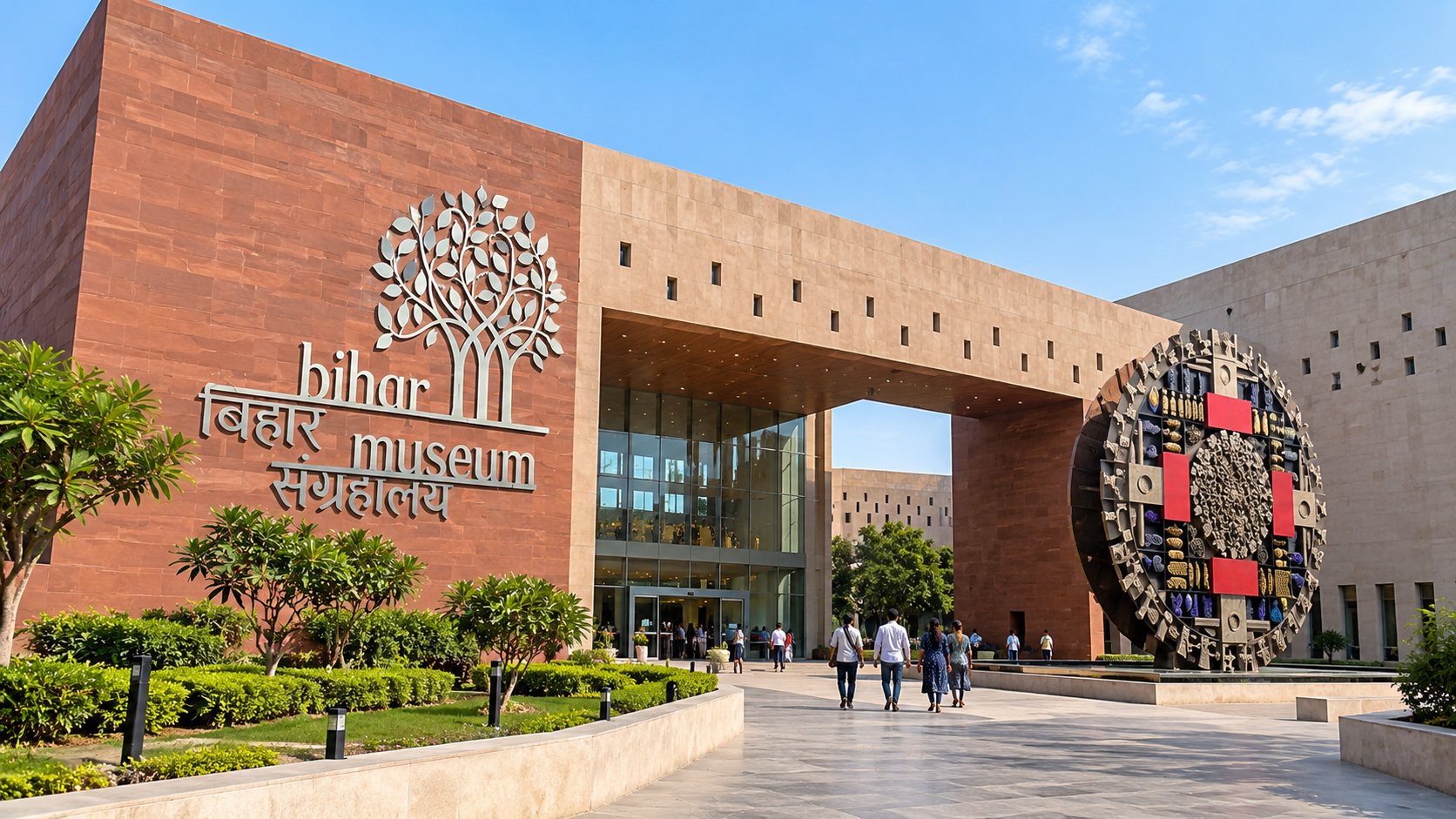
Located in Patna, Bihar Museum is spread across a sprawling campus of approximately 13 acres. Inaugurated in 2015, the institution was established with the objective of preserving, showcasing and promoting Bihar's extraordinary historical and cultural heritage.
Bihar has played a crucial role in shaping India's civilisational history. From the ancient kingdoms of Magadha to the rise of Buddhism and Jainism, the region has witnessed developments that influenced the religious, philosophical, political and intellectual traditions of the Indian subcontinent.
The museum brings together important artefacts and historical collections that help visitors explore this remarkable past.
Its galleries showcase archaeological discoveries, sculptures, ancient coins, manuscripts, traditional artworks, folk traditions and contemporary artistic expressions. Together, these collections provide a broad perspective on Bihar's evolution across different historical periods.
The exhibits span an extensive historical timeline, from prehistoric times and ancient civilisations to developments extending into the eighteenth century.
Rather than functioning merely as a repository of historical objects, the museum offers visitors an opportunity to understand how Bihar contributed to India's artistic, cultural and intellectual development.
Didarganj Yakshi: One of the Museum's Most Remarkable Treasures
Among the most celebrated attractions at Bihar Museum is the iconic Didarganj Yakshi, a remarkable sculpture that represents the extraordinary artistic traditions of ancient India.
Carved from a single block of highly polished Chunar sandstone, the life-sized statue is believed to be approximately 2,000 years old.
The sculpture depicts a Yakshi holding a fly-whisk, traditionally known as a chauri. Its remarkable craftsmanship, polished surface and detailed form make it one of the most significant examples of ancient Indian sculpture.
Despite visible damage, including a chipped nose and a broken left arm, the sculpture continues to command attention because of its artistic sophistication and historical significance.
The Didarganj Yakshi is not simply an important museum exhibit. It represents the remarkable skill of ancient Indian artisans and provides a glimpse into the artistic sensibilities of an earlier civilisation.
For visitors interested in Indian history, archaeology and sculpture, it is among the most compelling reasons to explore Bihar Museum.
Rare Archaeological Collections Highlight Bihar's Rich Past
Beyond the Didarganj Yakshi, the museum houses several other important historical treasures.
Its collections include the celebrated Kurkihar bronzes, prehistoric stone tools and a Kushan-period stone slab depicting the Birth of Buddha.
These artefacts reflect the region's long association with religious traditions, artistic experimentation, trade, craftsmanship and intellectual activity.
The museum's collection of historical coins, manuscripts and sculptures further illustrates the changing cultural and political landscape of Bihar across different periods.
Its galleries also give prominence to traditional and folk art, ensuring that the state's cultural identity is represented through more than archaeological objects alone.
By bringing together different forms of artistic and historical expression, Bihar Museum creates a connection between the region's ancient past and its continuing cultural traditions.
Fumihiko Maki's Architecture Gives Bihar Museum a Distinctive Identity
Bihar Museum's international appeal is not limited to its collections. Its architectural design is another important element of its identity.
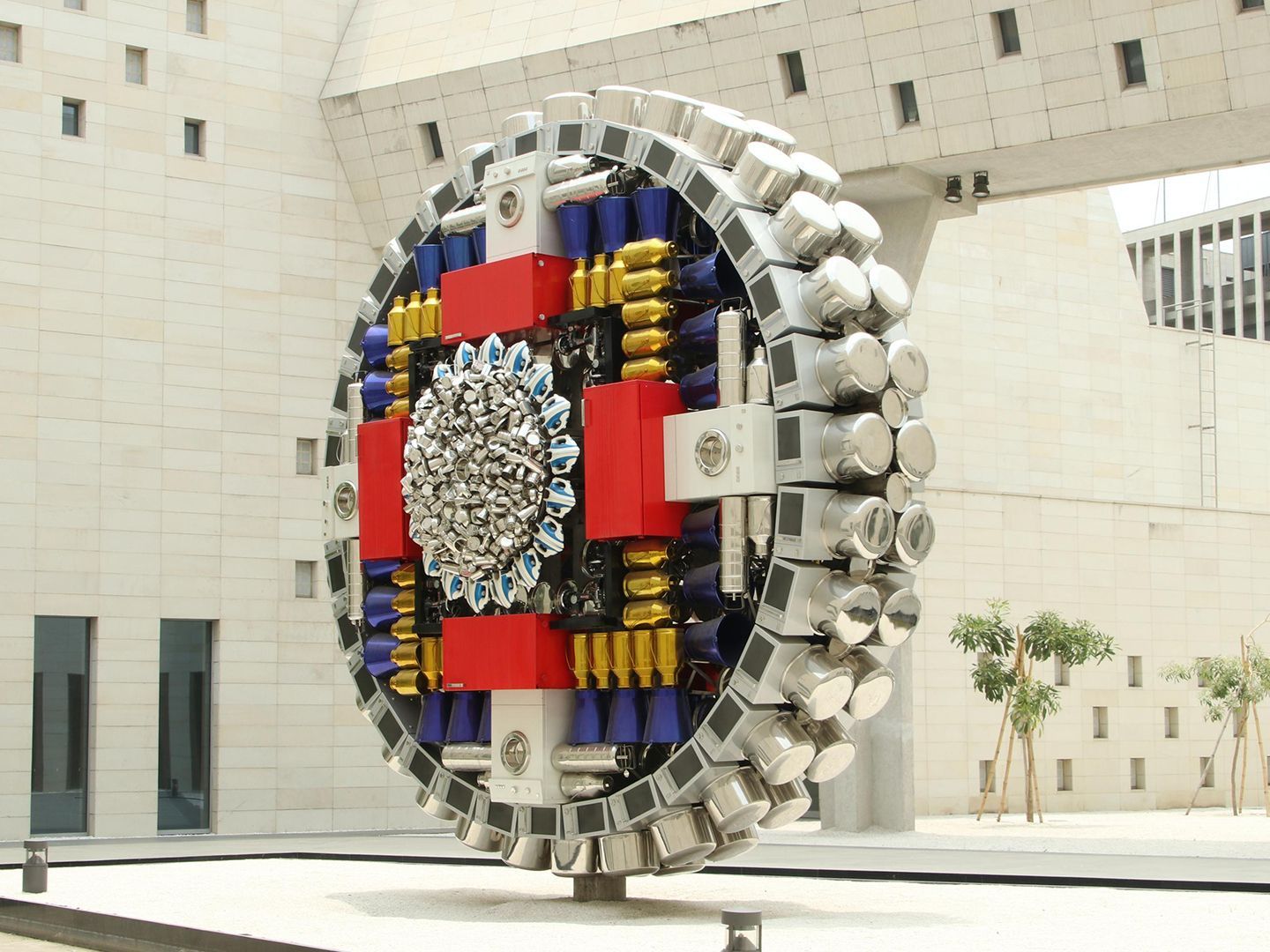
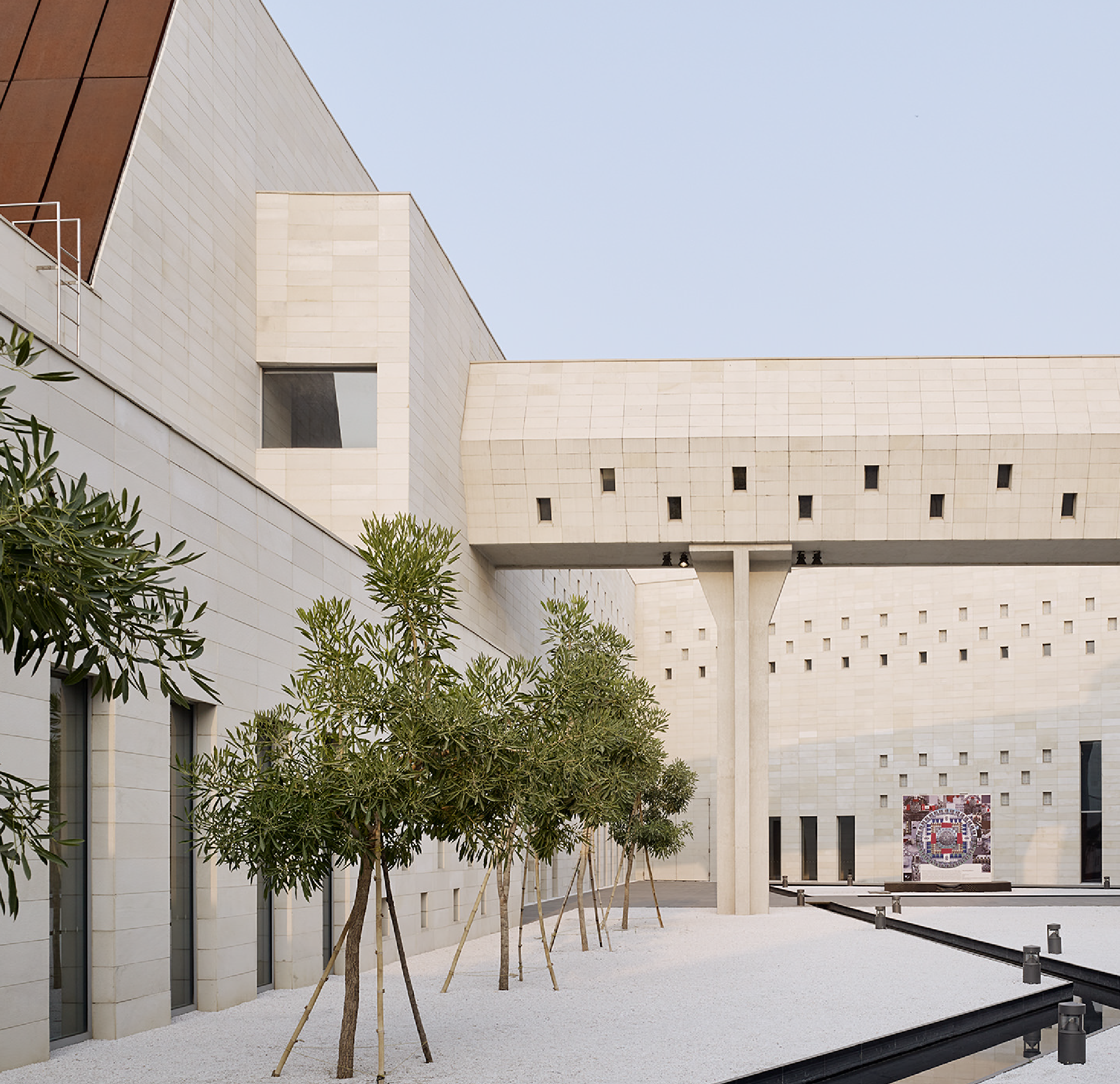
The museum was designed by renowned Japanese architect Fumihiko Maki, a recipient of the prestigious Pritzker Architecture Prize, in collaboration with Mumbai-based architectural practice Opolis Architects.
The design brings together contemporary architectural principles and spaces dedicated to preserving and presenting historical collections.
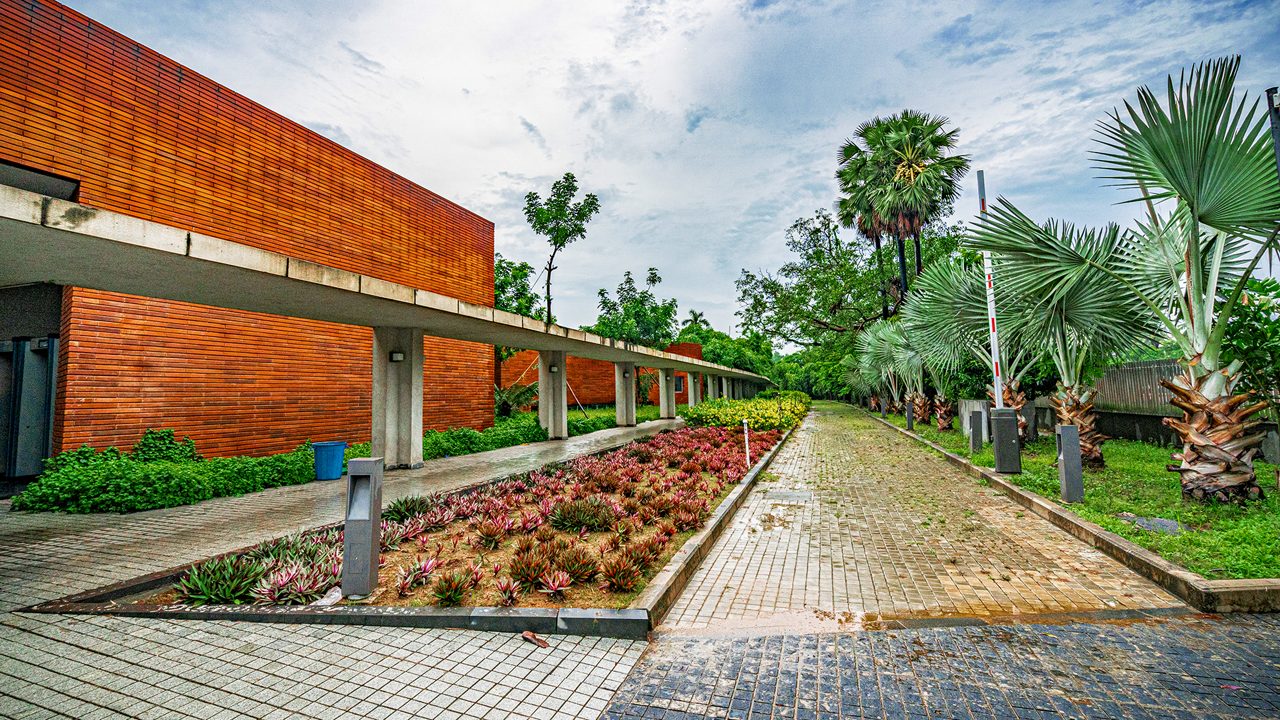
Spread across approximately 13 acres, the campus provides a modern setting for exploring Bihar's heritage. Its architecture reflects the idea that museums should not merely store historical objects but should create meaningful environments in which visitors can engage with history, art and culture.
The institution's relatively recent establishment also makes its ninth-place global ranking especially interesting.
Unlike museums that have developed over several centuries, Bihar Museum was conceived and developed in the contemporary era. Its recognition suggests that a thoughtfully planned cultural institution can establish an international reputation without relying exclusively on age or historical prestige.
The collaboration between internationally recognised architectural expertise and local cultural ambitions has helped create an institution with a distinctive identity.
_1793357362.webp)
Anand Mahindra Calls Bihar Museum's Achievement a Game Changer
The global ranking has generated enthusiastic reactions, including from industrialist and Mahindra Group Chairman Anand Mahindra.
Responding to the announcement, Mahindra praised Bihar Museum for securing ninth place globally and emerging as Asia's highest-ranked museum.
He described the recognition as a significant moment for India's cultural landscape and suggested that it could transform the museum-going experience across the country.
According to Mahindra, Bihar Museum's achievement has the potential to raise expectations for existing museums as well as institutions that are yet to be established.
He also highlighted the importance of the story behind the museum's development.
Mahindra acknowledged that the institution was conceived and championed by former Bihar Chief Minister Nitish Kumar and subsequently brought to life through sustained efforts by the Bihar government and committed administrators.
He emphasised that the achievement reflected a combination of long-term vision, administrative determination and creative collaboration.
His comments also highlighted a broader issue concerning India's cultural infrastructure.
Indian museums possess extraordinary collections and historical resources, yet many institutions still have considerable scope to improve their presentation, visitor engagement and overall experience.
A globally recognised institution such as Bihar Museum could encourage other states and cultural organisations to invest in better museum infrastructure, professional management and more engaging ways of presenting history.
The recognition, therefore, has the potential to extend beyond Patna and contribute to a wider conversation about the future of museums in India.
CM Samrat Choudhary Invites Anand Mahindra to Visit Bihar
Bihar Chief Minister Samrat Choudhary also welcomed the international recognition and expressed pride in the museum's achievement.
Following Anand Mahindra's appreciation, Choudhary extended a personal invitation to the industrialist to visit Bihar Museum and experience its collections and infrastructure firsthand.
In his social media response, the Chief Minister highlighted Bihar's glorious heritage as an important part of the state's identity while emphasising its ambitions for the future.
He also connected the recognition with broader development opportunities.
Choudhary expressed his vision of creating investment, employment and new opportunities for young people through partnerships in industries such as agriculture, technology and tourism.
Anand Mahindra responded positively to the invitation, appreciating the Chief Minister's attachment to Bihar Museum. He indicated that he would be happy to accept the invitation whenever he had an opportunity to visit Bihar.
The exchange brought additional attention to the museum and highlighted how cultural achievements can become opportunities for promoting tourism, investment and regional development.
It also underlined the importance of connecting heritage preservation with the state's economic ambitions.
Why This Recognition Matters for Bihar and India's Cultural Tourism
Bihar's global museum ranking has implications that extend well beyond the cultural sector.
The state is home to some of India's most historically significant destinations. Its association with ancient Magadha, Nalanda, Bodh Gaya, Rajgir and Vaishali gives it a unique place in the country's historical and religious landscape.
For centuries, the region has been associated with major developments in Buddhism, Jainism, education, philosophy and political thought.
Despite this remarkable heritage, Bihar's tourism potential has often remained underrepresented in conversations about India's leading cultural destinations.
Bihar Museum's international recognition could help change that perception.
A museum that attracts global attention can become an important starting point for travellers interested in exploring the wider historical landscape of a region.
International visitors who discover Bihar Museum may also develop an interest in visiting other destinations across the state, creating opportunities for tourism-related businesses, local communities and cultural institutions.
The potential benefits include increased visitor interest, greater demand for hospitality services, opportunities for local employment and stronger international visibility for Bihar's historical attractions.
The achievement could also encourage greater investment in cultural infrastructure, heritage conservation, museum education and tourism promotion.
For young people in Bihar, the recognition offers another important message: the state's historical legacy can become a source of contemporary opportunity when supported by thoughtful planning and effective institutional development.
However, sustaining this momentum will require continued attention to conservation, research, visitor facilities, accessibility and professional museum management.
International recognition is an important milestone, but maintaining high standards over time is what will establish lasting credibility.
A New Chapter for India's Museum Landscape
Bihar Museum's ninth-place global ranking is a significant moment for India's cultural institutions.
For years, international museum conversations have frequently revolved around established destinations such as the Louvre, The Met and the British Museum. Bihar's emergence among the world's top ten museums demonstrates that India's regional cultural institutions also have the potential to earn international recognition.
More importantly, the achievement challenges the assumption that only centuries-old institutions can compete on the global cultural stage.
The success of Bihar Museum highlights the importance of combining historical authenticity with contemporary architecture, thoughtful exhibition spaces and a strong visitor experience.
It also provides an opportunity for other Indian states to reconsider how their historical collections and artistic traditions are preserved and presented.
India possesses an extraordinary range of cultural resources, from ancient sculptures and archaeological discoveries to manuscripts, textiles, folk traditions and contemporary art.
Developing museums that make these resources accessible and engaging could strengthen the country's cultural tourism ecosystem and help introduce its diverse heritage to international audiences.
Bihar Museum has now become an important example of what such an approach can achieve.
Bihar Museum Puts India's Heritage in the Global Spotlight
From the remarkable Didarganj Yakshi to its extensive archaeological collections and distinctive contemporary architecture, Bihar Museum represents a compelling combination of history, art and modern cultural infrastructure.
Its ninth-place position in the World's 100 Best Museums 2026 ranking, ahead of the Metropolitan Museum of Art and the Louvre, is a moment of considerable pride for Bihar and India.
The appreciation from Anand Mahindra and the response from Chief Minister Samrat Choudhary have further amplified the significance of the achievement.
Yet the most important outcome may be the example it sets for India's wider museum ecosystem.
Bihar Museum has demonstrated that regional heritage, when supported by vision, institutional commitment and thoughtful presentation, can command attention on an international platform.
For Bihar, this is an opportunity to showcase its extraordinary past while creating new possibilities for cultural tourism and economic development.
And for India, it could mark the beginning of a renewed appreciation for museums as living spaces of education, discovery, cultural exchange and national identity.
Bihar Museum's global recognition is not simply a victory for one institution. It is a reminder that India's cultural treasures deserve world-class platforms—and that the next major destination on the global museum map could emerge from anywhere in the country.
© Copyright 2026. All Rights Reserved. Powered by Vygr Media.