

 By
By 
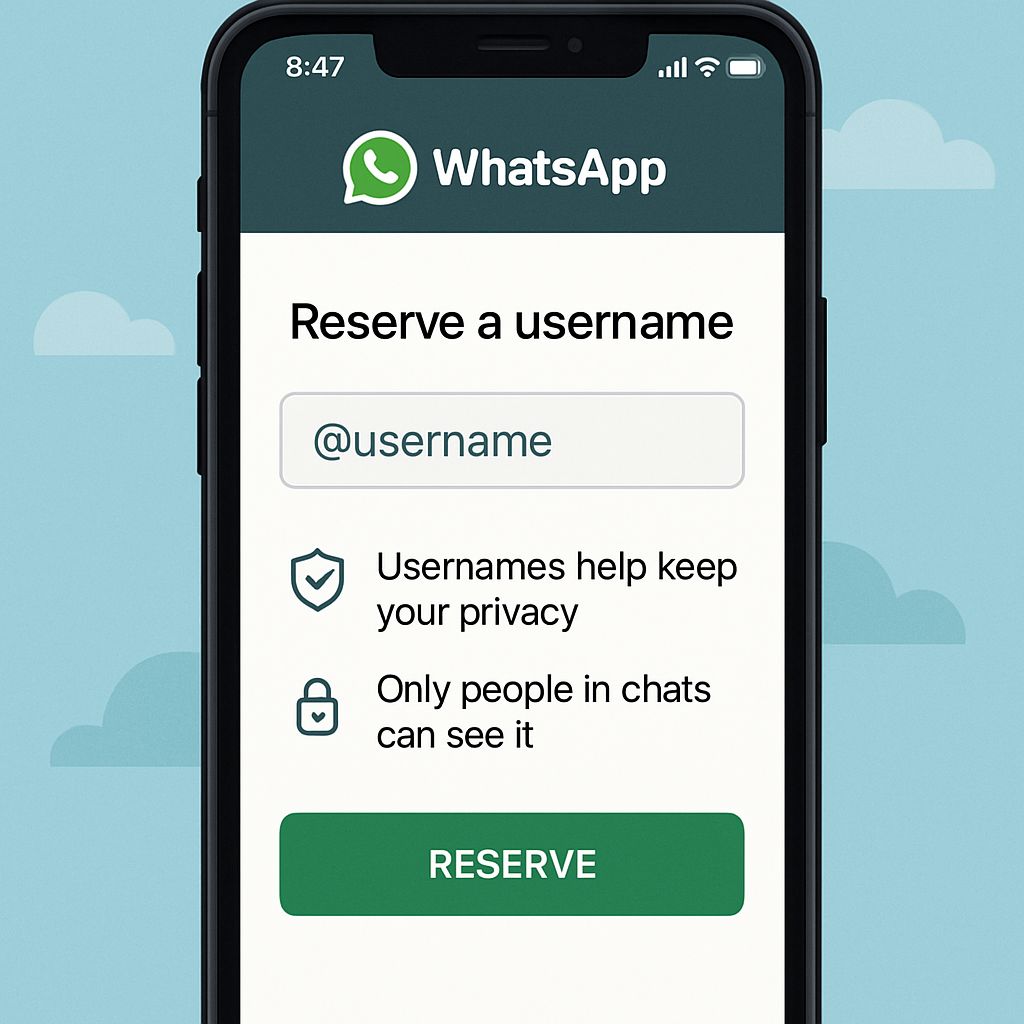
WhatsApp is making one of the biggest changes in its history by introducing usernames, allowing users to connect without revealing their phone numbers. The long-awaited feature, which has been in development for months, is now rolling out globally, marking a significant shift in how the Meta-owned messaging platform identifies users.
The new system enables users to reserve a unique username that can be shared instead of a mobile number, bringing WhatsApp closer to platforms such as Instagram, Telegram and Signal while retaining its focus on private messaging. With more than three billion users worldwide, the update is expected to redefine how people interact on the app, particularly when messaging someone for the first time.
A privacy-first approach
Since its launch in 2009, WhatsApp has relied exclusively on phone numbers as user identities. While the approach made onboarding simple, it also meant users had to disclose their personal numbers whenever they wanted to connect with someone new.
The username feature addresses that long-standing concern by letting people communicate using a unique handle instead of exposing their mobile number. This is expected to benefit users interacting with strangers, businesses, creators, online communities, or people they meet through events and marketplaces.
According to WhatsApp, phone numbers will still be required to create an account, but they no longer need to be shared with everyone a user chats with. Existing contacts who already have someone's phone number will continue to see it, while new conversations can rely solely on usernames.
How to reserve a WhatsApp username
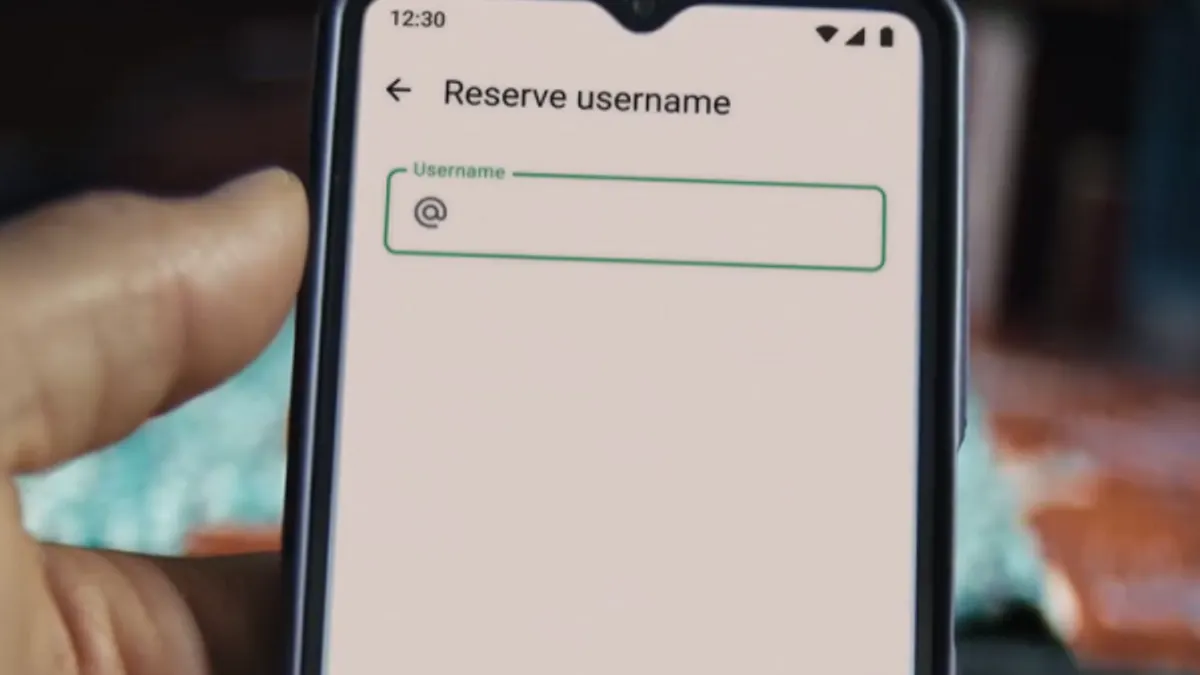
Users can reserve a username through the app by navigating to:
Settings → Account → Username
If the feature has reached their account, they will be able to choose an available username and reserve it immediately. WhatsApp is gradually rolling out the update across regions, meaning not every user will see the option at the same time.
The platform has also announced several rules governing usernames:
-
Usernames must be unique.
-
They can contain between 3 and 35 characters.
-
They cannot begin with "www."
-
Certain special characters and formatting restrictions apply.
-
Users will be notified if their preferred username is unavailable and asked to choose another.
Many users are rushing to reserve their preferred handles before they are claimed by someone else, particularly names matching their social media identities.
No searchable username directory
Despite similarities with social media platforms, WhatsApp says usernames are not intended to turn the messaging app into another public social network.
One of the key privacy safeguards is that there will be no public username directory. Users cannot browse or search random usernames, and the platform will not provide username suggestions.
Instead, someone wishing to contact another person must already know their exact username or receive it directly from them. This design significantly reduces the risk of unwanted discovery while preserving user privacy.
Username Key adds another layer of protection
Alongside usernames, WhatsApp is introducing another security feature known as the Username Key.
This optional feature acts as an additional verification layer. Users can enable a short numeric key that first-time contacts must provide before initiating conversations, unless they already possess the user's phone number.
The feature aims to reduce spam and unwanted messages while giving users greater control over who can reach them. WhatsApp has indicated that users will be able to change their Username Key periodically for enhanced security.
Reserved usernames for public figures and businesses
WhatsApp also plans to reserve usernames for verified businesses, creators and public personalities to reduce impersonation.
Many businesses will be able to align their WhatsApp usernames with existing Instagram or Facebook handles, making it easier for customers to identify authentic accounts across Meta's ecosystem.
This move is expected to simplify customer communication while strengthening brand consistency.
Kunal Shah announces rollout
The feature gained widespread attention after WhatsApp executive Kunal Shah announced that username reservations had officially begun, encouraging users to secure their preferred names before wider availability later this year. His announcement quickly sparked conversations across India's technology and startup ecosystem, with many users rushing to check whether their desired handles were still available.
Mixed reactions from the startup ecosystem
While privacy advocates have largely welcomed the move, some prominent entrepreneurs have expressed reservations about the implications of separating identity from phone numbers.
Several startup founders, including Ankur Warikoo and Vijay Shekhar Sharma, voiced concerns that usernames could reduce accountability on WhatsApp by making it easier for scammers or anonymous users to initiate conversations.
Critics argue that although usernames improve privacy, they could also create fresh opportunities for spam, impersonation or fraudulent activity if sufficient safeguards are not maintained.
Supporters, however, believe the new Username Key, the absence of a public directory and WhatsApp's existing verification systems collectively provide meaningful protection while giving users greater control over their personal information.
A long-awaited evolution
The introduction of usernames marks one of WhatsApp's most significant changes since the launch of end-to-end encryption and multi-device support.
For years, competing messaging apps such as Signal and Telegram have allowed users to connect through usernames rather than phone numbers. WhatsApp's adoption of a similar system closes an important feature gap while preserving its identity as a privacy-focused messaging platform.
The update also reflects a broader industry trend toward giving users more control over how much personal information they share online.
What it means for everyday users
For most users, the change means greater flexibility and privacy.
Whether connecting with someone after a networking event, joining a community group, interacting with customer support or chatting with an online seller, users will increasingly be able to share a username instead of revealing their personal mobile number.
However, WhatsApp has made it clear that usernames are optional rather than mandatory. Users who prefer the traditional phone-number-based experience can continue using the app exactly as before. Phone numbers will remain essential for account registration and existing contacts.
As the global rollout continues over the coming months, users are expected to compete for memorable usernames, making early reservation especially important for individuals, creators and businesses hoping to secure their preferred digital identity.
With usernames, enhanced privacy controls and the new Username Key, WhatsApp is signalling a major evolution in how people communicate online—one that prioritises privacy without sacrificing the simplicity that helped make it the world's most widely used messaging platform.
With inputs from agencies
Image Source: Multiple agencies
© Copyright 2026. All Rights Reserved. Powered by Vygr Media.