
 By
By 
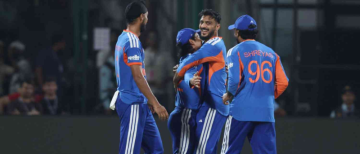
India’s campaign at the T20 World Cup 2026 has hit a dramatic crossroads. A crushing 76-run defeat to South Africa in their Super 8 opener at the Narendra Modi Stadium in Ahmedabad has not only dented their confidence but also significantly complicated their semifinal qualification scenario. Led by Suryakumar Yadav, India now face a must-win situation in their remaining fixtures, with net run rate (NRR) potentially playing a decisive role.
A 76-Run Blow: How South Africa Outclassed India
South Africa produced a clinical all-round performance to defeat India by 76 runs in their first Super 8 clash of the T20 World Cup 2026.
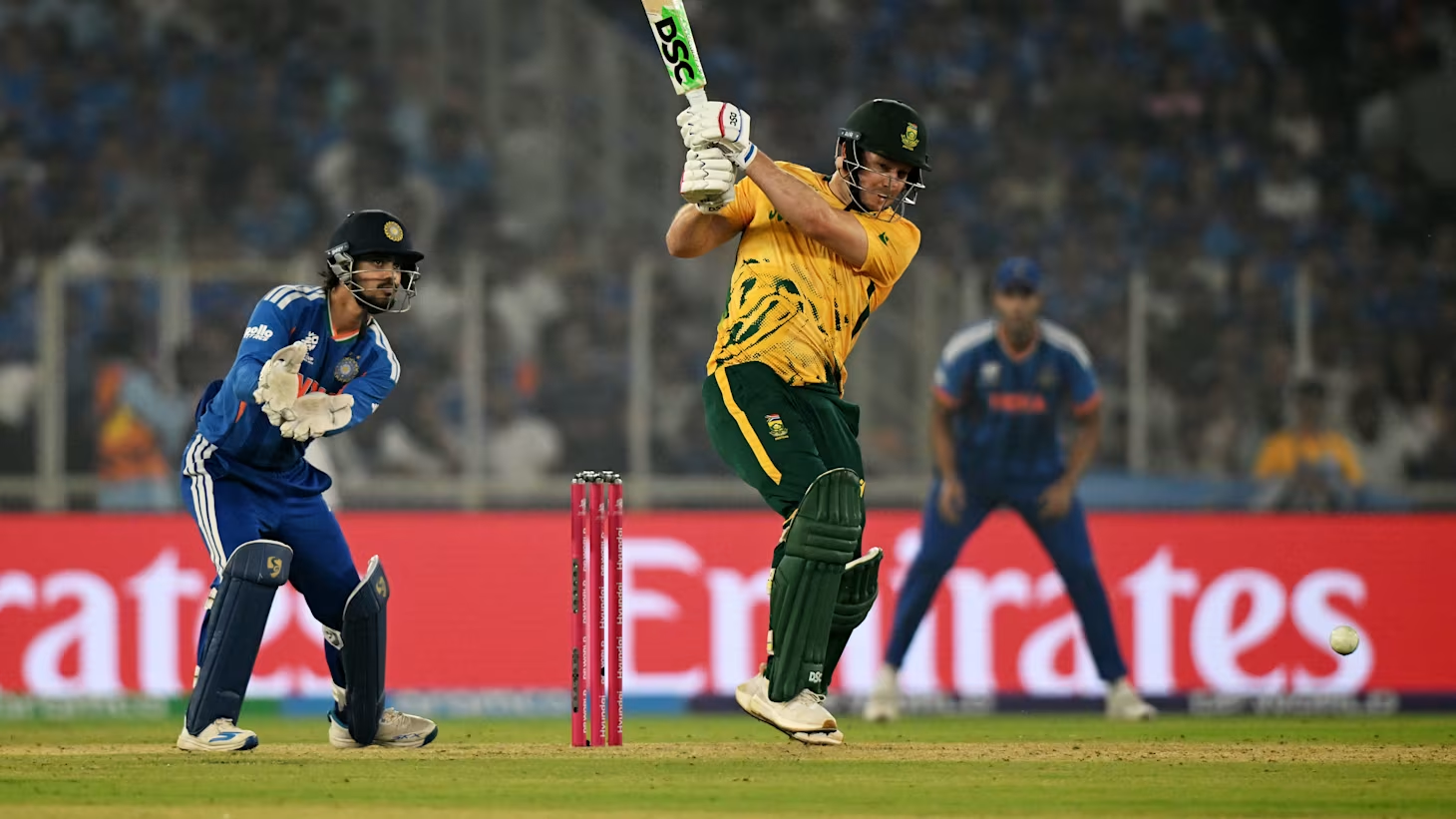
Batting first, the Proteas posted a competitive 187/7 in 20 overs. David Miller led the charge with a blistering 63 off 35 balls, while Dewald Brevis added a fiery 45. The two stitched together a crucial 97-run partnership for the fourth wicket after South Africa were reeling at 20/3 inside the first four overs.
India’s bowlers initially made inroads. Jasprit Bumrah was outstanding, finishing with 3/15, while Arshdeep Singh returned 2/28. Varun Chakaravarthy (1/47) and Shivam Dube (1/32) also chipped in. Despite early breakthroughs, India allowed South Africa to rebuild through the middle overs. Tristan Stubbs then provided a late flourish, scoring an unbeaten 44 off 24 balls.
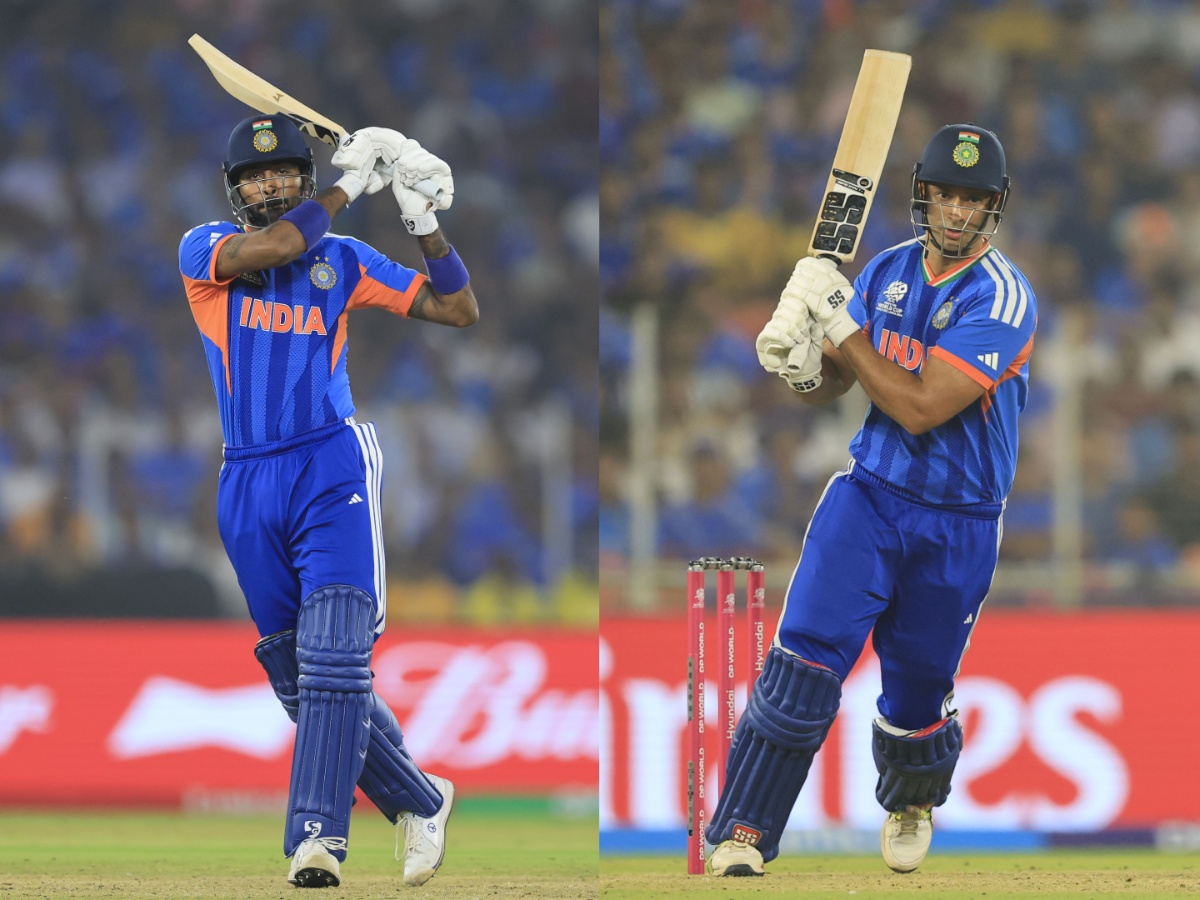
Chasing 188, India never found momentum. The top order crumbled early: Ishan Kishan (0), Abhishek Sharma (15), and Tilak Varma (1) fell inside the powerplay, leaving India at 26/3. The collapse deepened, and despite Shivam Dube’s 42, the defending champions were bowled out for 111 in 18.5 overs.
Marco Jansen starred with the ball, taking 4/22, while Keshav Maharaj (3/24), Corbin Bosch (2/12), and captain Aiden Markram (1/5) played supporting roles. Lungi Ngidi’s figures of 4-0-15-0 may not reflect wickets, but his control suffocated India’s scoring rate.
This loss marked India’s first defeat in 18 ICC white-ball matches since their 2023 World Cup final loss to Australia at the Narendra Modi Stadium. It was also their second-biggest defeat by runs in T20Is (behind the 80-run loss to New Zealand in Wellington in 2019) and their heaviest in T20 World Cup history.
Tactical Masterclass: How South Africa Choked India
The black-soil pitch in Ahmedabad held up more than expected. South Africa assessed conditions quickly and adjusted their approach.
Lungi Ngidi abandoned outright pace and bowled predominantly off-cutters and slower bouncers without altering his arm speed. Indian batters struggled to time the ball, and boundaries dried up. Forced to manufacture power, they played into South Africa’s hands.
Marco Jansen used his 6’8” height to extract awkward bounce with a heavy length. His slower balls dropped from a steep trajectory, making them difficult to read.
India legend Ravichandran Ashwin didn’t mince words, stating that India appeared underprepared. He pointed out that Suryakumar Yadav faced 22 balls, 17-18 of which were slower deliveries. There wasn’t even a single back-of-a-length ball, underlining the Proteas’ singular, effective strategy.
Ashwin credited South Africa’s adaptability and dismissed the “chokers” tag, suggesting the team had evolved into a ruthless unit under pressure.

The Middle-Order Rebuild: Miller and Brevis Shine
At 20/3, South Africa were in trouble. But David Miller and Dewald Brevis executed a calculated counterattack.
They targeted Washington Sundar and Varun Chakaravarthy, particularly focusing on Varun, who conceded 47 runs in four overs. Miller later revealed that the pair had discussed attacking Varun if he bowled loose deliveries. The pitch wasn’t turning much, allowing them to trust the line and commit to their strokes.
Proteas captain Aiden Markram said the duo “dropped the ego,” focused on hard running, and picked gaps before accelerating. Their 97-run stand proved match-defining.
Selection Controversy: Why Axar Patel Was Left Out
After the defeat, attention shifted to India’s team selection, particularly the omission of vice-captain Axar Patel.
Assistant coach Ryan ten Doeschate revealed that the management had extensive discussions before finalizing the XI. The decision to play Washington Sundar instead was tactical, aimed at specific middle-overs matchups and powerplay flexibility.
India opted for Rinku Singh as an additional batting option, effectively as an eighth batter. The think tank anticipated threats from South Africa’s left-handers — Quinton de Kock, Ryan Rickelton, and David Miller — and valued Sundar’s ability to bowl in the powerplay.
Ten Doeschate admitted that, in hindsight, the decision might look questionable since Sundar did not bowl in the powerplay. However, he stressed that it was about team balance rather than a reflection on Axar’s importance.
He acknowledged the difficulty of squeezing 11 players into a 15-man squad and emphasized the need to get selection decisions right in the next two Super 8 matches.
Suryakumar Yadav’s Honest Assessment
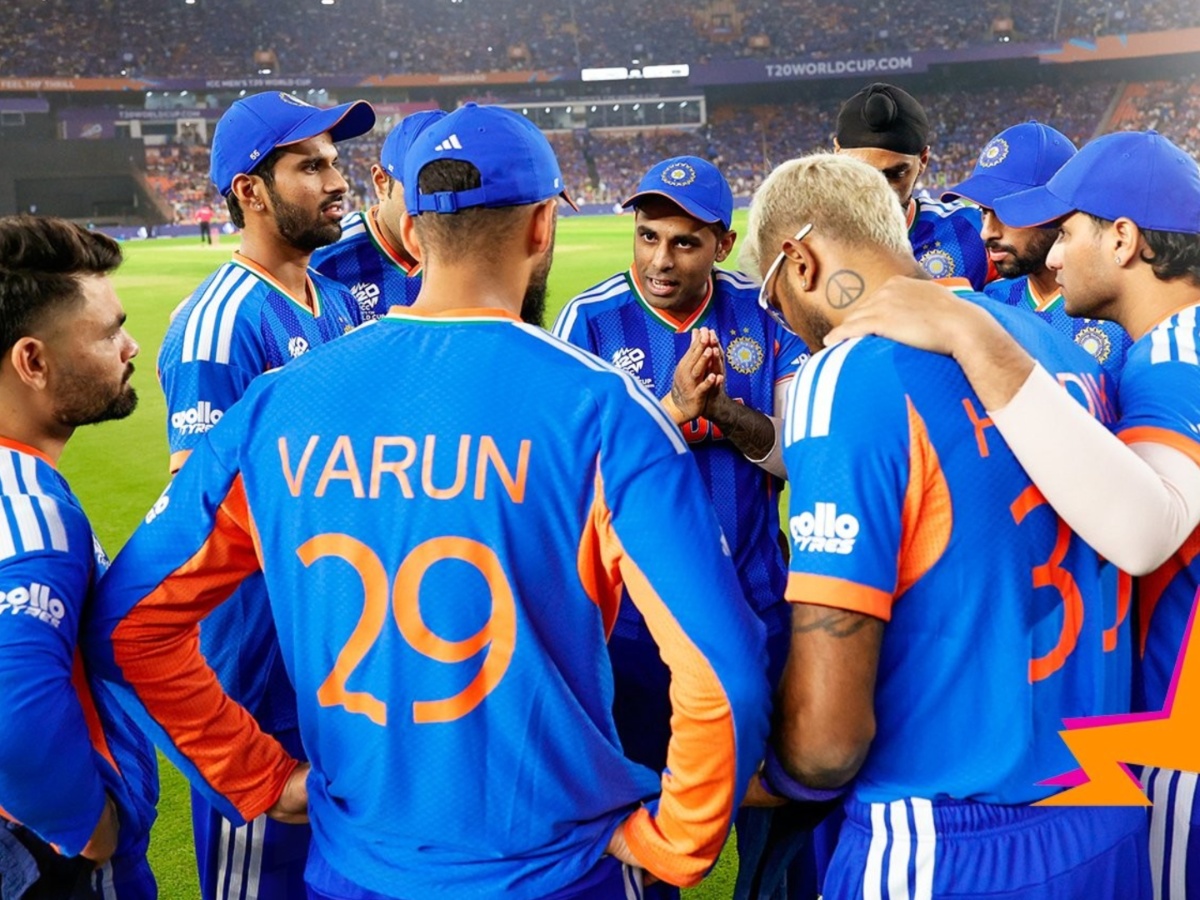
Captain Suryakumar Yadav admitted that the lack of partnerships cost India dearly.
“Sometimes, you cannot win the game in the powerplay, but you can lose it,” he said at the presentation. “Did not have the partnerships we needed. We could have batted better.”
He credited Bumrah and Arshdeep for keeping India in the contest when South Africa threatened to cross 200. From overs 7 to 15, however, the Proteas seized control.
India’s NRR took a significant hit, dropping to -3.800 — a figure that could prove decisive if qualification comes down to mathematical permutations.
Semifinal Qualification Scenarios: What India Must Do
Following the loss, India’s path to the semifinals has narrowed considerably.
Scenario 1: India Win Both Remaining Matches
If India defeat Zimbabwe (Feb 26, Chennai) and West Indies (March 1, Kolkata), they will finish with 4 points from 3 matches.
In most cases, 4 points should be sufficient to qualify for the semifinals. However, complications arise if:
-
South Africa win one of their remaining matches, and
-
The winner of West Indies vs Zimbabwe also defeats South Africa.
In such a three-way tie at 4 points, qualification would depend on Net Run Rate.
Scenario 2: India Win Only One Match
If India win just one of their remaining two matches, their hopes hinge on multiple conditions:
-
South Africa must win all their remaining matches.
-
India’s lone victory must come against the winner of West Indies vs Zimbabwe.
In this scenario, India, West Indies, and Zimbabwe would all finish on 2 points, and NRR would determine who advances.
Given India’s current NRR of -3.800, they would need not just victories, but convincing ones.
Remaining Super 8 Fixtures
-
Feb 23: West Indies vs Zimbabwe (Mumbai)
-
Feb 26: South Africa vs West Indies (Ahmedabad)
-
Feb 26: India vs Zimbabwe (Chennai)
-
Mar 1: South Africa vs Zimbabwe (Delhi)
-
Mar 1: India vs West Indies (Kolkata)
South Africa next face West Indies on February 26 in Ahmedabad. Markram has warned that the Caribbean side are dangerous and emphasized the need to reset quickly after celebrating the India win.
The Road Ahead: Bounce Back or Bow Out?
India’s defeat exposed tactical vulnerabilities against slower deliveries and raised legitimate selection questions. It also ended an 18-match ICC white-ball unbeaten streak.
However, tournaments are defined by comebacks as much as setbacks. Suryakumar Yadav has called for simplicity — bat well, bowl well, field well — and a quick reset.
For India, the equation is straightforward but unforgiving: win both remaining matches to stay in control. Anything less, and their semifinal fate will rest in the hands of other teams — and the unforgiving arithmetic of net run rate.
The Super 8 stage has turned into a high-stakes chessboard. After South Africa’s tactical masterstroke in Ahmedabad, India must now respond with precision, resilience, and authority if they are to keep their T20 World Cup 2026 dream alive.
With inputs from agencies
Image Source: Multiple agencies
© Copyright 2025. All Rights Reserved. Powered by Vygr Media.