 By
By 
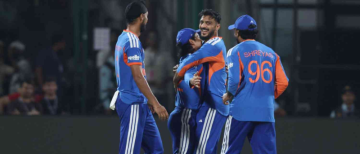
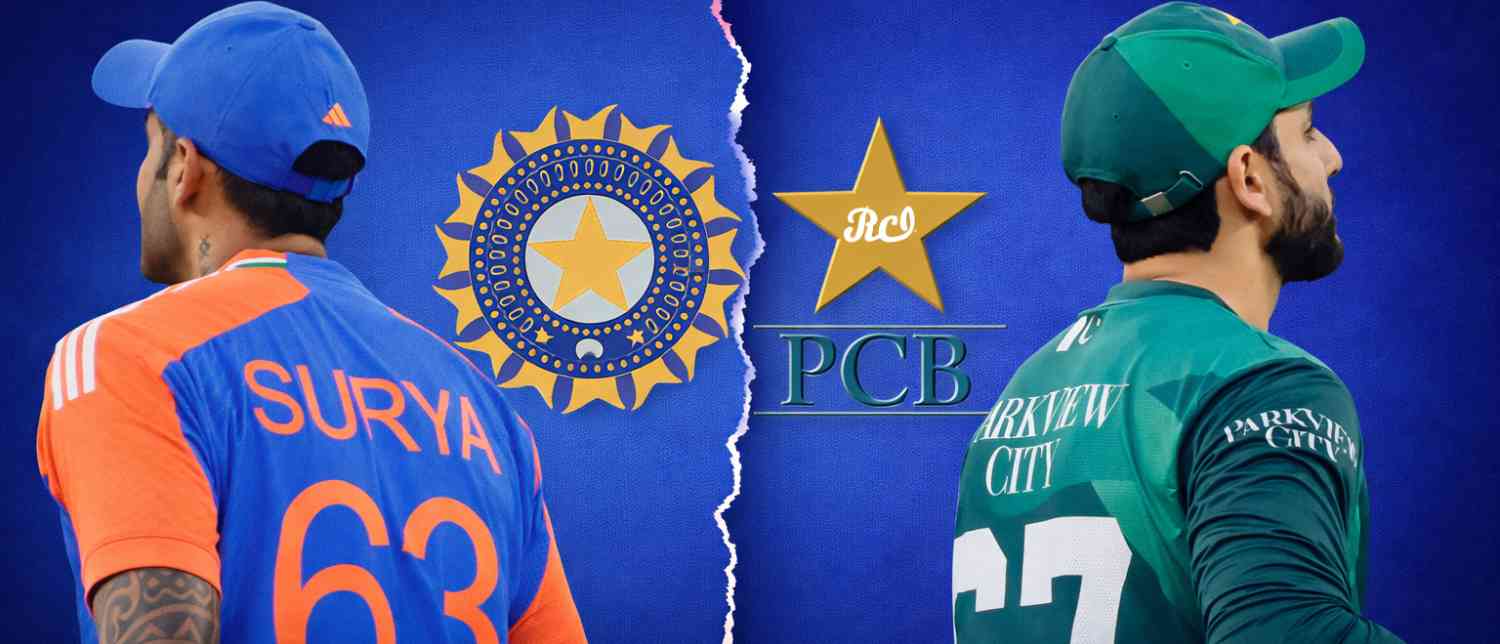
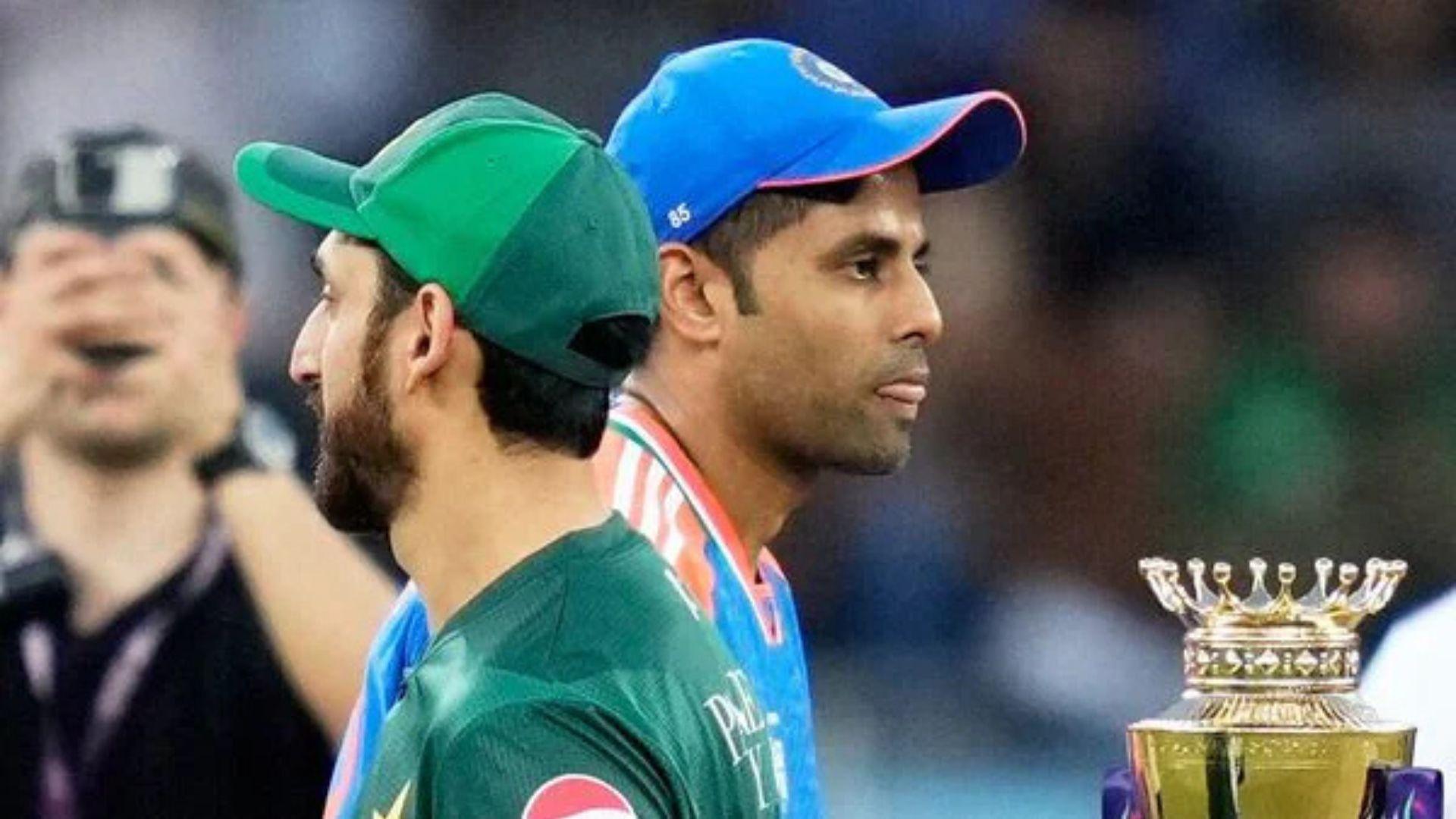
With less than a week to go before the ICC Men’s T20 World Cup 2026 begins, global cricket finds itself staring at one of its most serious crises in decades. On Sunday, the Government of Pakistan announced that while it had cleared the national team to participate in the tournament, it had simultaneously barred it from taking the field against India in their group-stage clash scheduled for February 15 in Colombo.
What initially appeared to be a political statement has rapidly escalated into a flashpoint threatening the tournament’s sporting integrity, financial structure, and governance framework. The International Cricket Council (ICC) has issued an unusually stern warning, former players across nations have questioned the logic of “selective participation,” broadcasters are bracing for massive losses, and Pakistan itself could face sanctions that may permanently alter its place in the global cricket ecosystem.
This is no longer just about one match. It is about the foundations of international cricket.
Pakistan’s Official Position: Participation, With Conditions
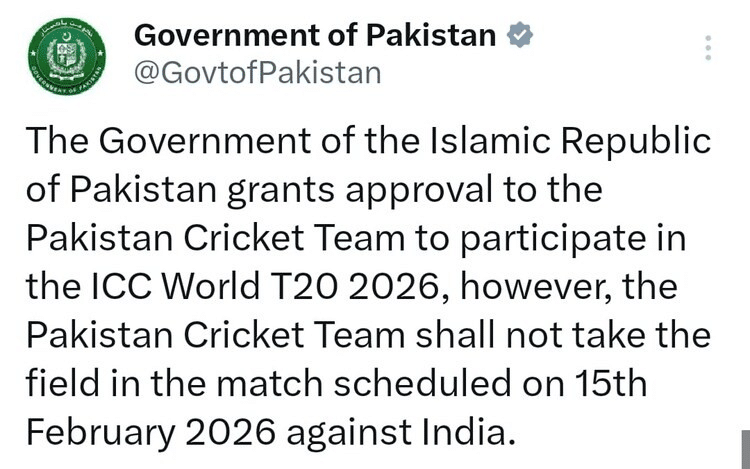
In a statement issued on Sunday, the Pakistani government made its stance clear:
“The Government of the Islamic Republic of Pakistan grants approval to the Pakistan Cricket Team to participate in the ICC World T20 2026; however, the Pakistan Cricket Team shall not take the field in the match scheduled on 15th February 2026 against India.”
The announcement came just hours before the Pakistan squad was due to fly to Sri Lanka, where they are set to be based for the duration of the tournament, which begins on February 7.
Notably, the statement did not provide any formal explanation for the decision. However, the context has been widely reported. The move follows comments by PCB chairman and Pakistan’s Interior Minister Mohsin Naqvi, who had earlier threatened a full boycott of the T20 World Cup in solidarity with Bangladesh. Bangladesh were replaced by Scotland in the 20-team competition after refusing to travel to India citing security concerns—a request the ICC rejected.
While Pakistan stopped short of withdrawing entirely, the decision to boycott only the India match has raised far more questions than answers.
ICC Responds: “Selective Participation” Under Fire
Within hours of the announcement, the ICC issued a strongly worded statement warning of “long-term implications” if Pakistan followed through.
“Selective participation undermines the spirit and sanctity of the competitions,” the ICC said, adding that such a stance is “difficult to reconcile with the fundamental premise of a global sporting event where all qualified teams are expected to compete on equal terms.”
The governing body confirmed that it was still awaiting official communication from the Pakistan Cricket Board (PCB), but made it clear that the matter was being taken extremely seriously.
“The ICC hopes that the PCB will consider the significant and long-term implications for cricket in its own country as this is likely to impact the global cricket ecosystem, which it is itself a member and beneficiary of.”
While acknowledging the role of governments in national policy decisions, the ICC stressed that the boycott was “not in the interest of the global game or the welfare of fans worldwide, including millions in Pakistan.”
Crucially, the ICC stated that it expects the PCB to explore a “mutually acceptable resolution” that protects the interests of all stakeholders.
Behind the scenes, according to NDTV sources, the Jay Shah-led ICC is preparing for an emergency meeting, with a decision expected within 48 hours—a timeline that underscores the gravity of the situation.
BCCI Left in the Dark, Match Preparations Continue
The Board of Control for Cricket in India (BCCI) has maintained that it has received no official intimation of Pakistan’s decision.
A BCCI official told The Indian Express:
“Our hotel has been booked and ICC has already booked flight tickets for the Indian team. The BCCI hasn’t received any mail from the ICC informing about Pakistan’s decision. We checked with ICC and they too have not received any official mail on this.”
As per protocol, India will travel to Colombo, attend training sessions and media commitments, and leave the final call to match officials and the ICC.
What Happens on the Field If Pakistan Boycotts?
From a purely cricketing perspective, the consequences for Pakistan could be severe.
If Pakistan does not take the field on February 15, they will forfeit the match, lose two crucial points, and suffer a significant blow to their net run rate. That would leave them with no margin for error in their remaining group fixtures against the Netherlands, USA, and Namibia.
To qualify for the knockout stages, Pakistan would likely need to win all three remaining matches—an already demanding task made harder by the psychological and logistical fallout of the boycott.
Sources in Lahore have clarified that Pakistan refusing to play India in a knockout match is “not part of the plan,” but that ambiguity has only added to the confusion.
Pakistan captain Salman Ali Agha summed up the team’s position succinctly:
“It is not our decision. We have to do what our government and the chairman decide.”
Former Cricketers Ask the Obvious Question: What About the Final?
The cricketing world’s reaction has been swift—and skeptical.
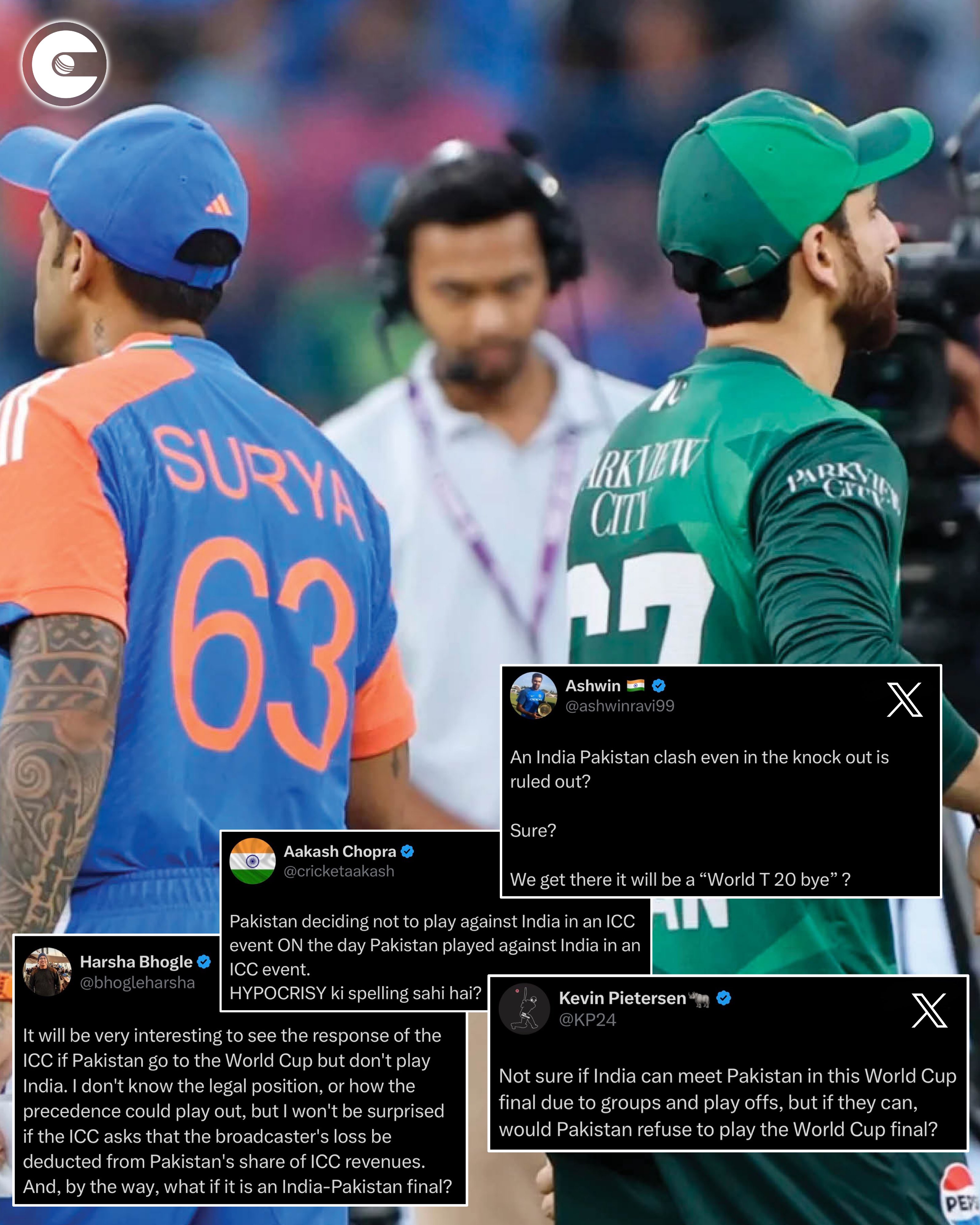
Former England captain Kevin Pietersen publicly questioned the logic of the boycott:
“Not sure if India can meet Pakistan in this World Cup final due to groups and play-offs, but if they can, would Pakistan refuse to play the World Cup final?”
Former India spinner Ravichandran Ashwin highlighted the logistical absurdity of selective participation:
“An India-Pakistan clash, even in the knockout is ruled out? Sure? We get there it will be a ‘World T20 bye’?”
The questions underline a fundamental flaw in Pakistan’s stance: global tournaments are not designed to accommodate conditional participation. Once the competition progresses into knockouts, avoiding a particular opponent becomes practically impossible.
Sunil Gavaskar Predicts a U-Turn
Former India captain Sunil Gavaskar believes Pakistan’s stance is unlikely to hold.
Speaking to India Today, Gavaskar said:
“I think in the next four or five days, when reactions start pouring in from across the world and even from their former players, there is a possibility that Pakistan will change their stance. Pakistan players have set examples. They keep coming back from retirement.”
However, Gavaskar also warned that a last-minute withdrawal would warrant action from the ICC.
“If you withdraw at the last moment, on the eve of the tournament, then yes, I think certainly the ICC should come in and take some action… It should be something that ensures no other team in the future also considers doing that.”
Has This Happened Before? Yes—but With Key Differences
There is precedent for teams refusing to play ICC matches due to government directives.
-
In the 1996 World Cup, Australia and West Indies did not play in Sri Lanka citing security concerns, and Sri Lanka were awarded points.
-
In the 2003 World Cup, England boycotted their match against Zimbabwe due to political tensions.
-
In the same tournament, New Zealand refused to travel to Nairobi to face Kenya after the ICC declined to change the venue.
-
In the 2009 World T20, Zimbabwe declined to travel to England due to disagreements with its government.
In all these cases, no member board faced sanctions or revenue loss, as decisions were based on security concerns or government orders.
What makes Pakistan’s case different is the scale, timing, and commercial impact—combined with the fact that the boycott targets a single opponent rather than a venue or host nation.
The ₹4,500-Crore Shockwave: Why This Match Matters
India vs Pakistan is not just another fixture. It is the financial engine of global cricket.
Industry estimates value a single India–Pakistan T20 World Cup match at approximately USD 500 million (around ₹4,500 crore) when broadcast rights, advertising premiums, sponsorships, ticketing, and downstream commercial activity are taken together.
For broadcasters, this is the crown jewel. Advertising rates for the fixture range between ₹25–40 lakh for just 10 seconds—figures that dwarf even India knockout matches against other top teams.
Each World Cup match is internally valued at around ₹138.7 crore. The broadcaster alone stands to lose an estimated ₹300 crore in advertising revenue if the match does not happen.
JioStar, the rights holder, has already sought rebates from the ICC in earlier scenarios, and Pakistan’s withdrawal would significantly strengthen such claims.
Who Really Loses?
Once broadcasters claw money back, the ICC absorbs the hit—and passes it on.
Lower central revenue means reduced distributions to all member boards, including associates and smaller Full Members who rely heavily on ICC funding.
India and Pakistan themselves are estimated to lose around ₹200 crore each in direct and indirect revenue if the match is abandoned.
For India, the loss is manageable.
For Pakistan, it is existential.
The PCB receives approximately 5.75% of total ICC revenue—about USD 34.51 million annually. That revenue stream depends on compliance with the ICC Member Participation Agreement. A voluntary withdrawal is not covered under force majeure, meaning: No insurance protection, no legal shield, full exposure to damages, penalties, and compensation claims.
This opens the door to withheld tournament payments, additional fines, and potential broadcaster litigation—pushing losses well beyond the immediate hit.
Sanctions on the Table: How Far Can the ICC Go?
According to NDTV sources, the ICC is considering several punitive options if Pakistan does not reverse course:
-
Full suspension from international cricket, akin to South Africa’s isolation in the 1970s
-
Freezing No Objection Certificates (NOCs), preventing international players from participating in the Pakistan Super League
-
Withholding ICC revenue, potentially freezing Pakistan’s annual $34.5 million share
Each of these would cripple Pakistan cricket, financially and competitively.
Credibility May Cost More Than Cash
Beyond money, the long-term reputational damage could be even worse.
Broadcasters despise uncertainty. A boycott brands Pakistan fixtures as risk assets, which could:
-
Depress future broadcast valuations
-
Reduce sponsorship interest
-
Lead to discounted rights packages
In short, skipping one match today could result in sustained revenue erosion for years.
Fans Caught in the Crossfire
Lost amid balance sheets and boardroom battles are the fans—thousands of them—who booked flights, hotels, and tickets specifically for this match.
For them, the loss is not abstract. It is personal, immediate, and often unrecoverable.
India vs Pakistan is no longer just a rivalry. It is the financial backbone of global cricket tournaments.
By threatening to pull out, Pakistan is not merely denting one World Cup fixture—it is sending tremors through broadcasters, sponsors, member boards, and the ICC itself.
And if the boycott holds, the heaviest long-term cost may be borne not by cricket as a whole, but by Pakistan cricket itself—long after the points table is forgotten.
With inputs from agencies
Image Source: Multiple agencies
© Copyright 2025. All Rights Reserved. Powered by Vygr Media.