 By

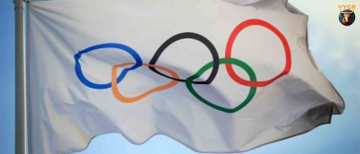
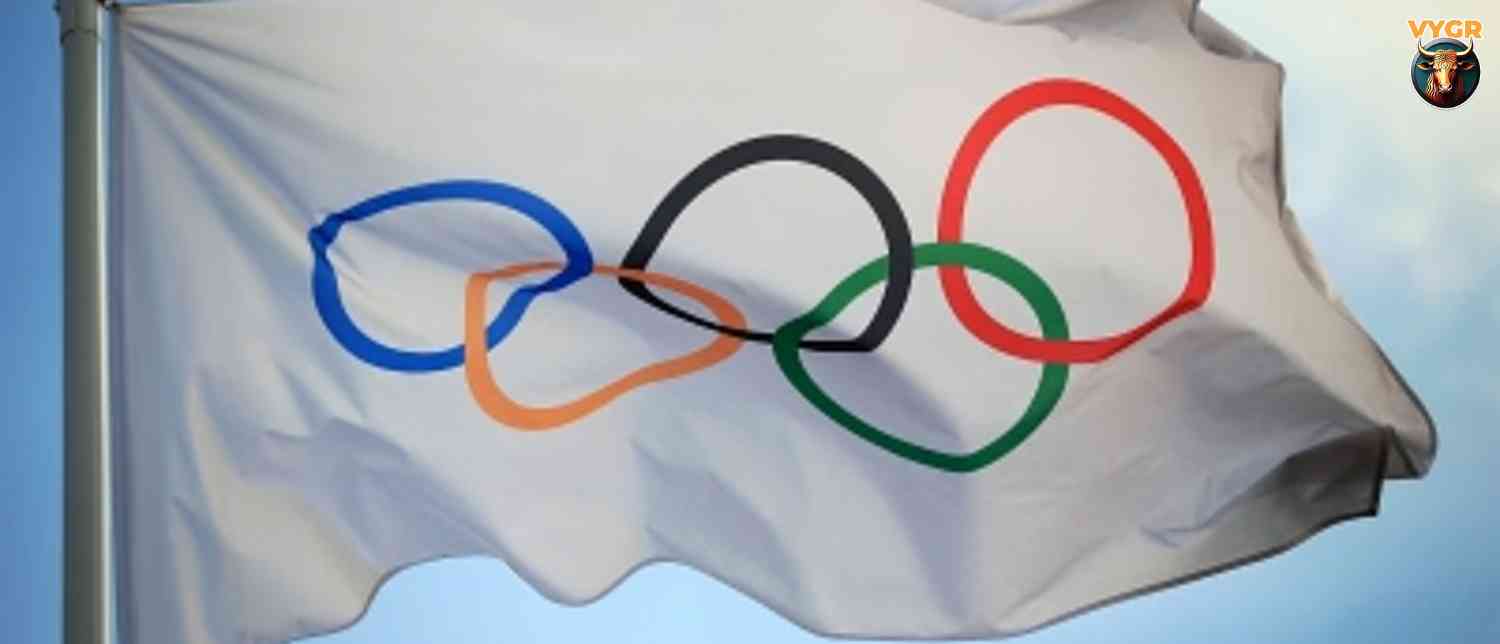
India’s dream of hosting the Olympic Games took a formal step forward this week. It also met a question that goes to the heart of the country’s sporting identity. During its presentation for the 2036 Games, the International Olympic Committee’s Future Hosts Commission asked India’s delegation how the country plans to move beyond being a single-sport nation.
The pitch at a glance
India made its presentation on Thursday, November 26, in a virtual session of roughly 30 minutes. The bid is centred on Ahmedabad, which will host the 2030 Commonwealth Games and is also bidding for the 2038 Asian Games. The plan envisages around 22 venues and leans heavily on reusing facilities being built for the Commonwealth Games, a move meant to cut costs and speed up delivery.
The delegation was a mix of government and sporting figures. It included Sports Minister Mansukh Mandaviya, Sports Secretary Hari Ranjan Rao, Indian Olympic Association president PT Usha, two-time Olympic medallist PV Sindhu, IOC member Nita Ambani, Gujarat Sports Minister Harsh Sanghavi and IOA chief executive Raghuram Iyer. The bid is strongly backed by Prime Minister Narendra Modi.
India told the commission it had hosted dozens of international competitions in recent years, arguing that this shows growing capacity to deliver a Summer Games.
The question that stood out
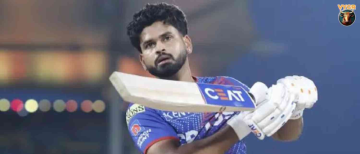
The most pointed moment wasn’t about money or venues. It was about the sporting culture behind them. The IOC panel asked how India would broaden its base beyond a landscape dominated by cricket.
Notably, the question wasn’t about the medal count. India has won two Olympic gold medals since the turn of the century and six medals in all at Paris 2024. The concern was structural: how does a country of this size build depth across many sports, not just one?
The delegation’s answer was straightforward. Once you create a hero, they said, a fan following builds and people take up the sport. They also pointed to the Khelo India programme as the vehicle for grassroots development. It is a plausible answer, since sporting heroes do tend to drive participation, but it is also the sort of reply the IOC will want to see backed by numbers, funding and results over the coming years.
The awkward topics that weren’t pressed
Reports suggest India’s team avoided hard questions on two sensitive subjects: sports governance and doping. That doesn’t mean the issues have gone away. The IOC is reported to be monitoring both as reputational risks. The Indian Olympic Association has been dealing with an ongoing election dispute, and India has had a high rate of anti-doping violations in recent years. The delegation, for its part, highlighted recent anti-doping steps as part of its credibility case.
These matters could still shape how India is assessed as the process moves forward.
Who India is up against
India isn’t the only hopeful. Six other countries remain in the discussion: Germany, Hungary, Qatar, South Korea, South Africa and Turkiye. Chile withdrew its interest in the 2036 Games earlier this year to concentrate on a Youth Olympics bid.
India also carries some baggage. The 2010 Commonwealth Games in New Delhi were marred by allegations of corruption and mismanagement, which organisers denied. The IOC will want to see that lessons have been learned.
What happens next
The IOC no longer picks hosts through a single open contest with a fixed vote. The process is now staged:
- December 2026: The IOC will run an anonymous public survey in the third week of the month to gauge opinion on India’s bid.
- March 2027: The IOC Executive Board is expected to shortlist interested parties for Strategic Dialogue. Those selected must answer a Future Host Questionnaire and provide core financial guarantees.
- December 2028: A select number of preferred hosts enter Targeted Dialogue, with site visits and a Future Host Commission report.
- Mid-2029: The IOC Executive Board picks preferred hosts, who are then put forward for election by the IOC Session.
In other words, nothing is decided yet, and the real tests lie ahead. The 2030 Commonwealth Games in Ahmedabad will serve as a major proving ground for infrastructure and planning.
Why the “single-sport” question matters
An Olympic Games is more than a construction project. Hosts are expected to leave a sporting legacy: more athletes, more participation, better facilities in more disciplines. A country whose sporting attention is concentrated on one game faces a harder case when it asks the world to trust it with 30-plus sports.
India’s supporters point to the strong foundation already in place. The country has produced Olympic champions and a growing roster of medallists across athletics, shooting, wrestling, badminton and hockey, and it has the scale, the economy and the political backing to invest heavily. Critics counter that medals from a handful of disciplines don’t equal a broad sporting culture, and that governance and doping concerns must be fixed first.
Both views are likely to feature as the bid moves through the process.
The bottom line
India has taken a formal step in a long race, and the IOC’s question is a reminder of what it will be judged on. The venues and the money are only part of the story. The harder question, which the commission put plainly, is whether India can turn a cricket-first sporting culture into one where many sports thrive. The answer will be shaped by the 2030 Commonwealth Games, by governance reform and by the results Indian athletes produce over the next several years.
Frequently Asked Questions
When did India present its 2036 Olympic bid to the IOC?
On Thursday, November 26, 2026, in a virtual presentation to the IOC’s Future Host Commission.
Which city is at the centre of the bid?
Ahmedabad, which will also host the 2030 Commonwealth Games.
What did the IOC ask India?
How the country plans to move beyond being a single-sport nation in a landscape dominated by cricket.
How did India respond?
The delegation said that creating sporting heroes builds fan following and participation, and pointed to the Khelo India programme for development.
Who are India’s rivals for 2036?
Germany, Hungary, Qatar, South Korea, South Africa and Turkiye.
When will the 2036 host be decided?
The host is expected to be chosen in mid-2029, with a shortlist for Strategic Dialogue expected in March 2027.
What risks has the IOC flagged?
Reports say it is monitoring Indian sports governance, including the IOA election dispute, and India’s anti-doping record.
© Copyright 2026. All Rights Reserved. Powered by Vygr Media.