 By

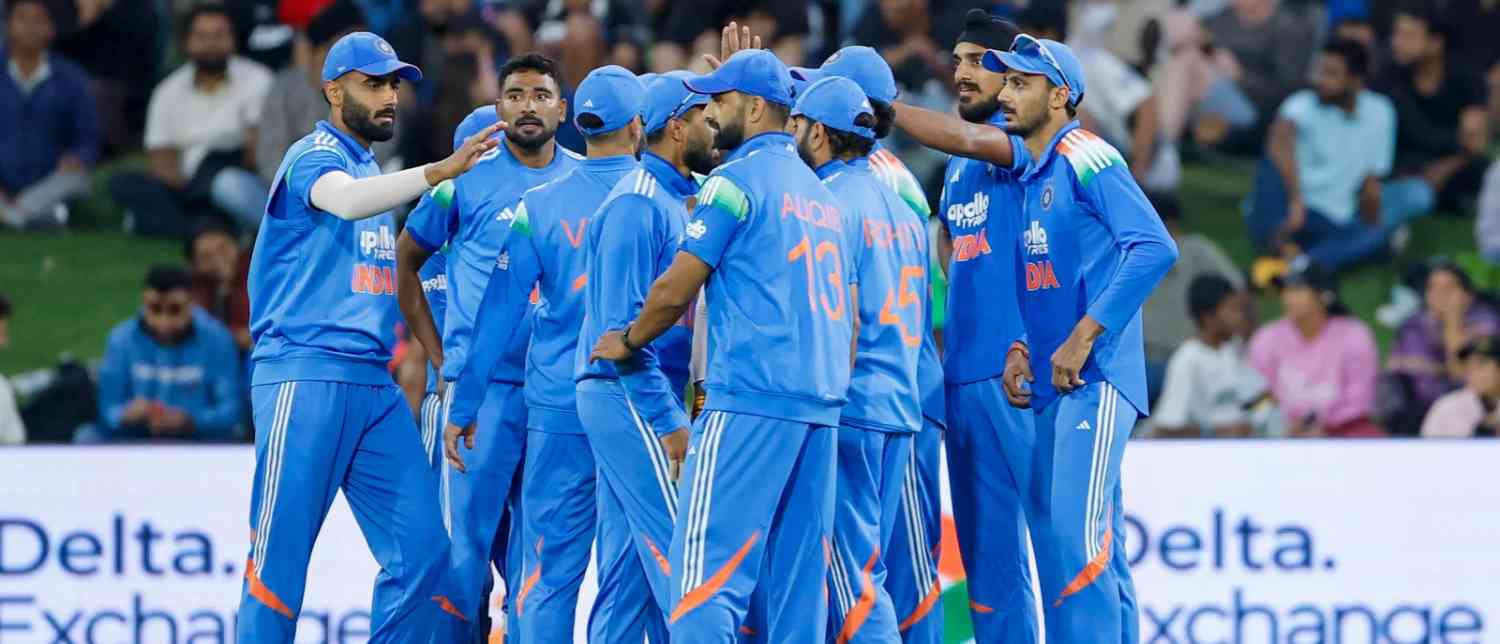
India's successful ODI series against New Zealand has ended with more than just a trophy and a memorable victory. The Indian cricket team has come under the spotlight after the International Cricket Council (ICC) imposed a financial penalty for maintaining a slow over-rate in the fifth and final ODI. The development came just a day after Indian fast bowler Gurnoor Brar was reprimanded for breaching the ICC Code of Conduct during the fourth ODI.
While India managed to secure a convincing 3-1 series victory, the two disciplinary incidents have attracted attention, raising questions about on-field conduct and the importance of adhering to ICC regulations. India's 35 per cent match-fee fine, in particular, has become a talking point among cricket fans, with many wanting to understand why the team was punished despite winning the match.

India Fined 35% of Match Fee for Slow Over-Rate Against New Zealand
The ICC has fined India 35 per cent of their match fee for maintaining a slow over-rate during the fifth ODI against New Zealand, played in Mount Maunganui on November 15, 2026.
According to the official decision, India's stand-in captain Shreyas Iyer's side was found to be seven overs short of the required over-rate after accounting for the permitted time allowances. The penalty was imposed by Ranjan Madugalle of the ICC Elite Panel of Match Referees.
Under the ICC Code of Conduct for Players and Player Support Personnel, teams are expected to complete their allotted overs within the stipulated time. Failure to do so can result in financial penalties for the players, depending on the number of overs their team falls short.
In India's case, the team was penalised five per cent of its match fee for every over it failed to bowl within the allocated time. With a shortfall of seven overs, the total fine amounted to 35 per cent.
The sanction was announced on November 18, three days after the fifth ODI.
Interestingly, the punishment did not affect India's series result. The visitors had already secured a 3-1 series victory after winning the final match by 22 runs.
Why Did the ICC Fine India Despite Winning the 5th ODI?
One question that naturally emerged following the announcement was why India received a financial penalty after winning the match.
The answer lies in the ICC's playing regulations. A team's performance in terms of runs and wickets is separate from its responsibility to maintain the required over-rate.
In international cricket, bowling teams must complete their allotted overs within a specified time. This requirement helps prevent unnecessary delays, keeps matches within their scheduled duration, and ensures that the game progresses at an appropriate pace.
Even if a team wins comfortably, it can still face disciplinary action if it fails to meet the minimum over-rate requirement.
India's seven-over shortfall in the fifth ODI was therefore treated as a breach of the ICC's minimum over-rate regulations.
The penalty was imposed under Article 2.22 of the ICC Code of Conduct for Players and Player Support Personnel, which specifically deals with minimum over-rate offences.
The regulation provides for a fine of five per cent of a player's match fee for every over the team fails to bowl within the allotted time. However, the maximum financial penalty is capped at 50 per cent of the match fee.
This means that although India fell seven overs behind the required rate, the punishment remained within the prescribed limits.
Shreyas Iyer Accepts ICC Sanction
India's stand-in ODI captain Shreyas Iyer accepted responsibility for the slow over-rate offence and pleaded guilty to the charge.
Following his admission, Iyer accepted the proposed sanction imposed by match referee Ranjan Madugalle. Consequently, there was no requirement for a formal hearing.
The charge was levelled by the match officials overseeing the fifth ODI. The on-field umpires were Paul Reiffel and Wayne Knights, while Kumar Dharmasena served as the third umpire and Chris Brown as the fourth umpire.
Iyer's acceptance brought the disciplinary proceedings to a close, confirming the 35 per cent financial penalty against the Indian team.
It is important to note that this was a team-level slow over-rate offence rather than an individual disciplinary charge against Iyer alone. The financial penalty applies to the players' match fees in accordance with the ICC regulations.
India Still Clinch the ODI Series 3-1 Against New Zealand
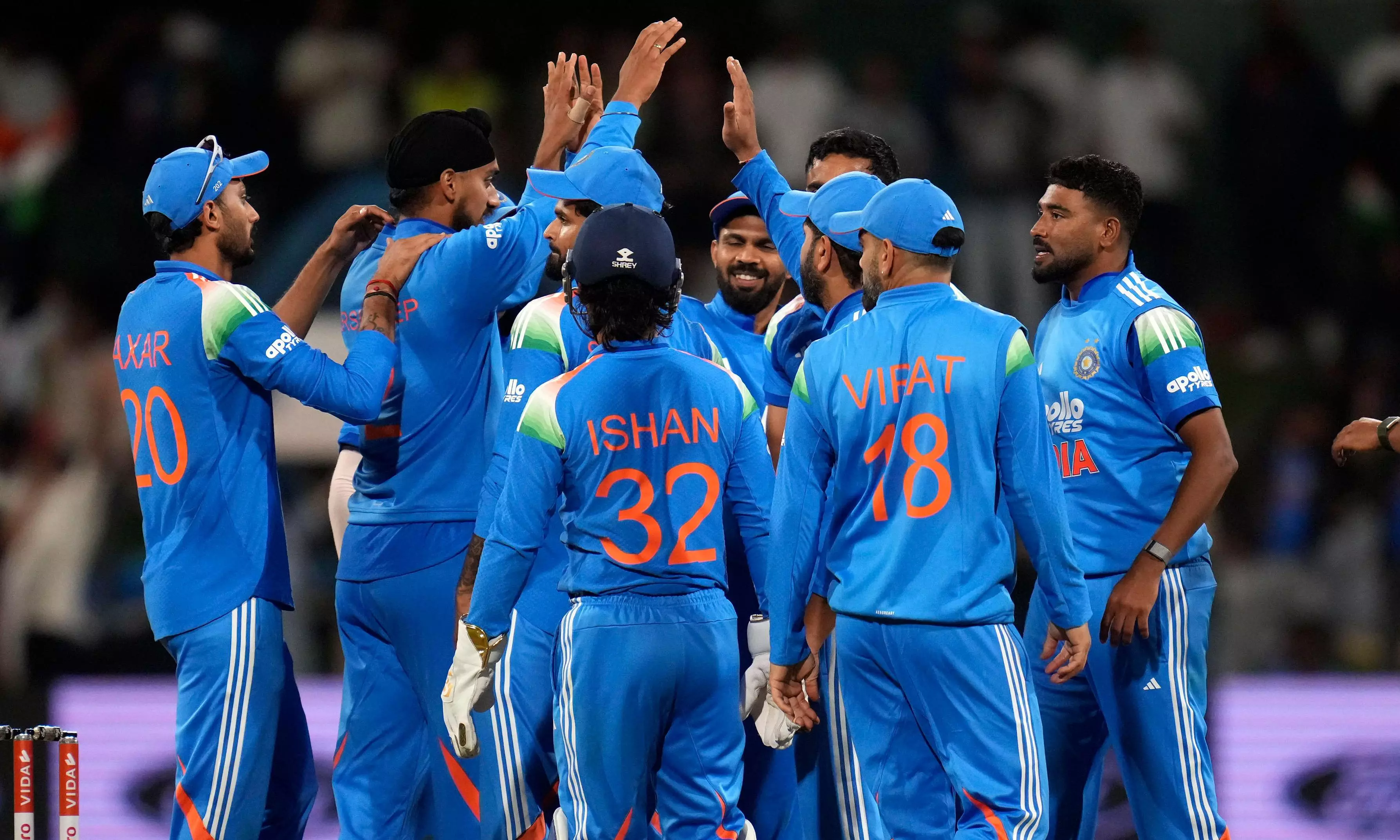
Despite the disciplinary setback, India had plenty of reasons to celebrate their performance in the final ODI.
The visitors entered the fifth match looking to finish the series on a winning note, and they successfully achieved that objective with a 22-run victory.
India struggled initially with the bat but managed to recover through an important middle-order contribution. Ishan Kishan and Axar Patel scored 46 runs each, helping the team reach a competitive total of 209.
New Zealand's chase also failed to gain momentum as India's bowling attack delivered regular breakthroughs.
The Indian pacers played a significant role in restricting the hosts, eventually bowling New Zealand out for 187. India won the match by 22 runs and sealed the five-match ODI series 3-1.
The victory ensured that India finished the tour's ODI leg on a positive note. However, the slow over-rate penalty added an unwanted disciplinary footnote to an otherwise successful campaign.
Gurnoor Brar Also Reprimanded for ICC Code of Conduct Breach in 4th ODI
India's slow over-rate penalty was not the only disciplinary development during the ODI series.
Indian fast bowler Gurnoor Brar was also reprimanded by the ICC for his conduct during the fourth ODI against New Zealand, played in Mount Maunganui on November 13.
The incident occurred towards the end of the 12th over of New Zealand's innings, following the dismissal of opener Tim Seifert.
After taking Seifert's wicket, Brar celebrated in an aggressive manner that the match officials considered potentially demeaning to the dismissed batter. His actions were deemed capable of provoking an aggressive reaction from the opposition player.
The incident resulted in a breach of Level 1 of the ICC Code of Conduct.
Brar was found guilty of violating Article 2.5 of the ICC Code of Conduct for Players and Player Support Personnel. This provision deals with the use of language, actions or gestures that disparage a batter or could provoke an aggressive reaction following their dismissal in an international match.
As punishment, Brar received an official reprimand and one additional demerit point.
The fast bowler admitted the offence and accepted the proposed sanction from match referee Ranjan Madugalle. Therefore, no formal hearing was required in his case either.
Gurnoor Brar's Second Offence Takes His Demerit Points to Two
What makes Brar's disciplinary action particularly significant is that this was not his first offence within the previous 24 months.
The latest incident marked his second disciplinary offence during that period, taking his accumulated demerit points to two.
Under ICC regulations, Level 1 breaches can attract an official reprimand, a fine of up to 50 per cent of a player's match fee, and one or two demerit points.
Demerit points remain on a player's disciplinary record for 24 months from the date they are imposed. If a player accumulates four or more demerit points within that period, they are converted into suspension points.
Two suspension points can result in a ban from one Test match or two ODIs or two T20Is, depending on the format in which the player next participates.
Therefore, Brar's latest reprimand is more than a warning about his on-field behaviour. Any further disciplinary offence during the relevant period could increase his demerit-point tally and potentially expose him to a suspension.
Two ICC Punishments, Two Different Offences
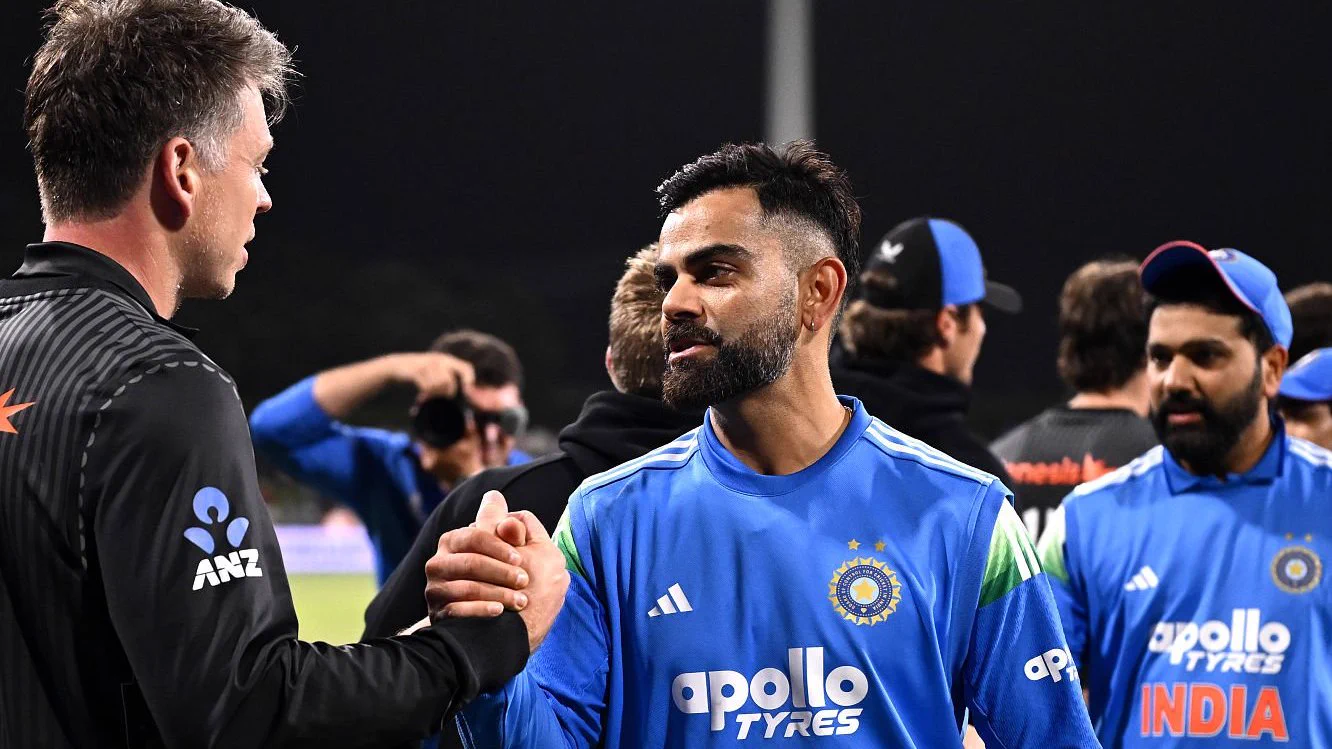
Although both disciplinary developments involved India during the New Zealand ODI series, the nature of the offences and their consequences were different.
India's 35 per cent match-fee fine was imposed for a team-wide slow over-rate offence in the fifth ODI under Article 2.22 of the ICC Code of Conduct.
Gurnoor Brar, on the other hand, received an individual reprimand for his aggressive celebration following Tim Seifert's dismissal in the fourth ODI. His offence fell under Article 2.5 and resulted in one additional demerit point.
The distinction is important because a slow over-rate violation concerns the time taken by a team to complete its overs, whereas Brar's punishment concerned individual player behaviour.
Both cases demonstrate that the ICC takes its playing conditions and disciplinary regulations seriously, regardless of a team's overall performance or the result of a match.
What Lies Ahead for Team India?
India will undoubtedly take confidence from their 3-1 ODI series victory against New Zealand. However, the recent disciplinary decisions highlight two areas that the team will need to monitor closely: maintaining the required over-rate and ensuring that players exercise restraint during emotionally charged moments.
For the team management, avoiding unnecessary financial penalties should be a priority, particularly when slow over-rate offences can be prevented through better time management and coordination on the field.
For Gurnoor Brar, the latest reprimand serves as a reminder that aggressive celebrations and send-offs must remain within the boundaries of the ICC Code of Conduct.
Ultimately, winning matches and series remains the primary objective, but discipline is equally important in international cricket. India's latest experience against New Zealand reinforces the fact that even a successful campaign can attract unwanted attention when players or teams fall short of the governing body's expectations.
© Copyright 2026. All Rights Reserved. Powered by Vygr Media.