 By
By 
The opening week of the FIFA World Cup 2026 has already delivered many of football's defining storylines. Lionel Messi announced himself with authority. Kylian Mbappé continued to justify his status as football's leading modern superstar. Harry Kane once again demonstrated why he remains one of the game's most reliable goal scorers.
Then came Portugal.
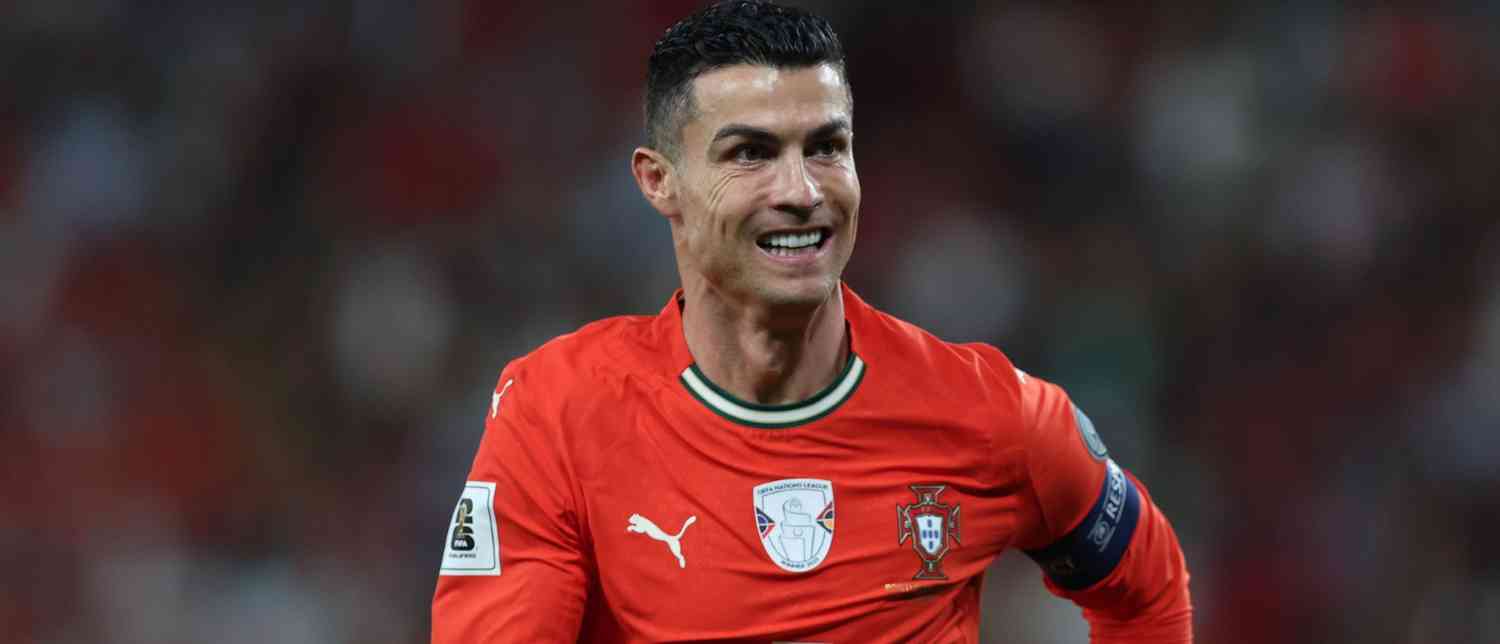
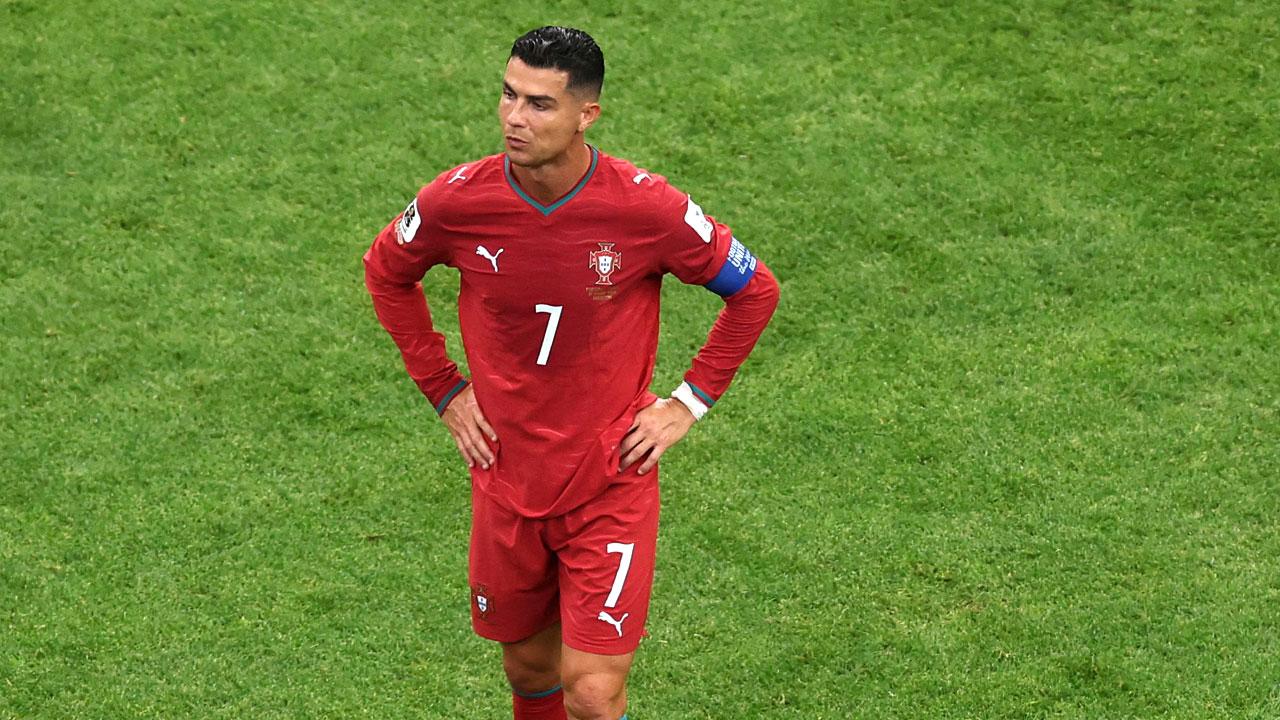
A team widely viewed as one of the tournament's strongest contenders stumbled to a 1-1 draw against DR Congo in Houston, and the conversation quickly shifted from Portugal's title ambitions to a far more uncomfortable question: Has Cristiano Ronaldo become Portugal's biggest dilemma?
The debate is not about Ronaldo's legacy. That argument was settled years ago. Few players in football history can match his achievements, longevity, influence, or ability to define an era. The real issue is whether a 41-year-old icon can still be the focal point of a team that possesses one of the deepest collections of talent in international football.
A Night When Ronaldo Was Missing
Portugal entered the tournament amid considerable expectations. Roberto Martinez's squad boasts elite players across every department. Yet against DR Congo, the Portuguese attack lacked sharpness, creativity, and urgency for long stretches.
The statistics painted a troubling picture. Portugal dominated possession but struggled to convert that control into meaningful chances. Ronaldo, the center of attention inside the stadium, failed to leave a significant mark on the match. Fans repeatedly chanted his name, hoping for one of those familiar moments that have defined his career. It never arrived.
The contrast with other global stars was impossible to ignore. Messi was making headlines. Mbappé was delivering. Kane was scoring. Ronaldo's name, usually synonymous with decisive moments, was absent from the scoresheet and from the game's defining passages.
Even more concerning for Portugal was the collective performance. After taking the lead, they failed to control the game. DR Congo grew into the contest, matched Portugal's intensity, and ultimately earned a deserved equalizer. The African side registered its first World Cup goal and secured a historic point, while Portugal left the field facing uncomfortable scrutiny.
The Congo Reality Check
Too much of the post-match discussion focused solely on Ronaldo. That risks overlooking what DR Congo accomplished.
This was a nation making only its second World Cup appearance and first in more than five decades. Yet the Congolese side showed tactical discipline, defensive resilience, and growing confidence as the match progressed. Rather than being overwhelmed by Portugal's reputation, they challenged it.
Portugal may have entered as favorites, but Congo created enough pressure to expose weaknesses that many observers had previously ignored. The match revealed a team that appeared slower than expected and overly dependent on a system designed around one individual.
The result was not merely a shock; it was a warning.
The Ronaldo Question Nobody Wants to Ask
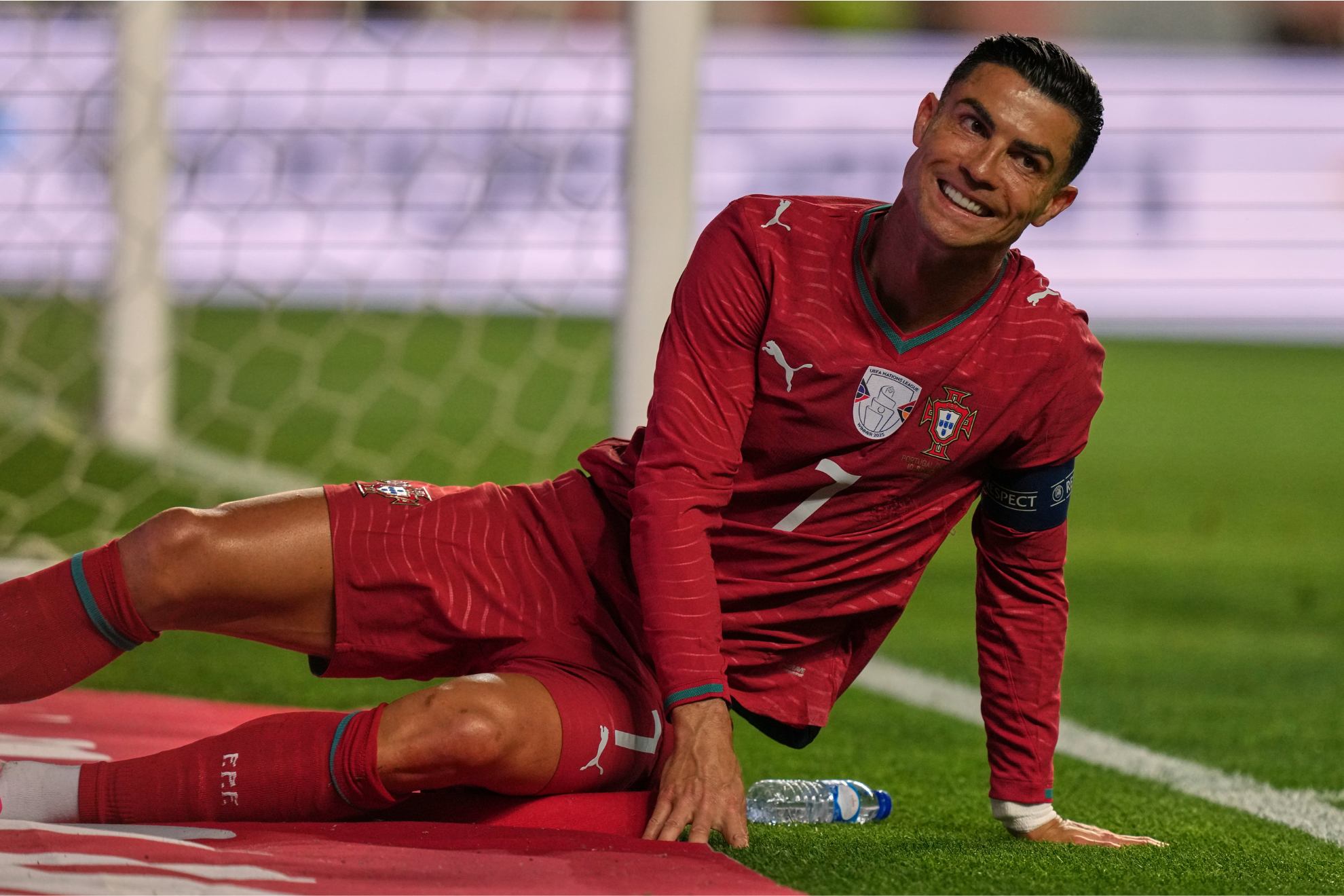
For years, football has delayed the inevitable discussion about Ronaldo's place in elite competition. His remarkable fitness, professionalism, and ability to score goals well into his late thirties allowed him to defy conventional aging curves.
However, World Cups are unforgiving tournaments.
The qualities that once made Ronaldo devastating—explosive acceleration, relentless pressing, and the ability to dominate defenders physically for 90 minutes—have naturally diminished with age. Even some opponents acknowledged that reality after the Congo match. Respect for Ronaldo remains universal, but respect is no longer the same thing as fear.
What makes the debate particularly difficult is that Ronaldo's reputation still commands enormous influence. Every coach understands his historical importance. Every teammate understands his status. Every supporter wants to believe another magical chapter is still possible.
Yet elite sport rarely rewards sentimentality.
The criticism emerging after the draw was not that Ronaldo should be excluded from Portugal's squad. Rather, it centered on whether he should continue to be guaranteed a starting role when Portugal possesses younger and more mobile attacking options. Analysts and former players have suggested that Portugal might become more dynamic if Ronaldo were used strategically from the bench rather than automatically from kickoff.
It is a difficult argument because it sounds almost disrespectful. But football history is filled with great champions whose final challenge was accepting a different role.
Roberto Martinez's Biggest Test
Much of the pressure now falls on Roberto Martinez.
The Portuguese coach has publicly defended Ronaldo and dismissed suggestions that the veteran striker is the source of Portugal's problems. Martinez insists there is no reason to overreact after one match and argues that the team must remain calm while evaluating what went wrong.
That is understandable. Managers rarely criticize legendary captains in public.
However, Martinez faces a deeper challenge. Portugal's squad is arguably among the most talented in the tournament. The midfield contains creators capable of controlling games. The attack features younger forwards with greater mobility. The defense possesses both experience and athleticism.
If Portugal continues to organize its entire attacking structure around Ronaldo, Martinez risks limiting the very strengths that make this squad dangerous. Several observers have argued that the issue is not Ronaldo alone but a tactical framework that still treats him as the centerpiece rather than one option among many.
The coach's task is therefore both tactical and emotional: finding a way to maximize Portugal's future without appearing to disrespect its greatest-ever player.
Messi and Ronaldo: The Unavoidable Comparison
The World Cup has once again revived football's most enduring rivalry.
While Ronaldo struggled against DR Congo, Messi opened his campaign in spectacular fashion. The comparison has intensified discussions around aging superstars and how elite players evolve during the final stages of their careers.
The difference is not merely statistical.
Messi's role within Argentina has evolved. He no longer attempts to dominate every phase of the game physically. Instead, he influences matches through positioning, decision-making, and moments of creative brilliance.
Portugal still appears uncertain about how Ronaldo should evolve within its system. The team sometimes plays as though it is trying to recreate a version of Ronaldo that existed a decade ago rather than maximizing the player he is today.
That distinction may determine whether Portugal becomes a genuine contender or another talented team that falls short.
Why Portugal's Tournament Is Still Alive
Despite the disappointment, Portugal's World Cup is far from over.
The draw against DR Congo was frustrating, but it was not fatal. Portugal still has group-stage matches remaining against Uzbekistan and Colombia. Qualification remains achievable, and the squad possesses enough quality to recover quickly.
Ronaldo himself struck a defiant tone after the match, insisting that the campaign is "far from over." From a purely competitive perspective, he is correct. One disappointing performance does not define a tournament.
Yet the broader questions raised by the draw are unlikely to disappear.
Portugal must decide whether it is building a team around a legend or building a team capable of winning the World Cup.
Those goals are not necessarily incompatible. Ronaldo's experience, leadership, and finishing ability can still be valuable assets. But the evidence from Houston suggests that Portugal's success may depend on finding the courage to evolve.
The greatest players redefine football. The greatest teams know when to redefine themselves.
For Portugal, that moment may have arrived.
The opening draw against DR Congo was not merely a disappointing result. It was a mirror reflecting an uncomfortable reality: the World Cup is no longer about what Cristiano Ronaldo once was. It is about what Portugal can become next.
With inputs from agencies
Image Source: Multiple agencies
© Copyright 2026. All Rights Reserved. Powered by Vygr Media.