 By
By 
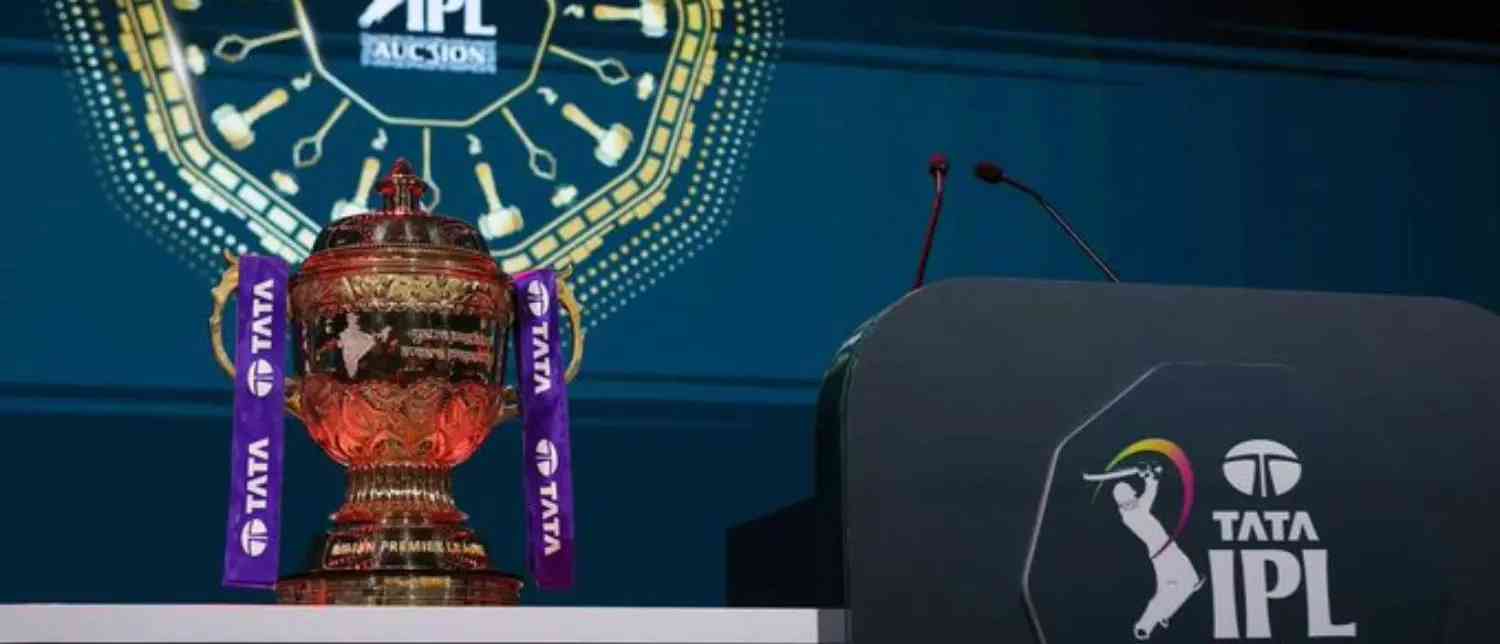
In a significant development ahead of the 2026 season of the Indian Premier League (IPL), the Board of Control for Cricket in India has rolled out a comprehensive set of last-minute guidelines aimed at tightening operational discipline, improving pitch management, and standardising player conduct both on and off the field.
With the tournament set to run from March 28 to May 31 and feature 10 teams across 84 matches, the new rules signal one of the most structured regulatory overhauls in recent IPL history.
Drawing from multiple official communications and reports, here is a complete, detailed breakdown of every major change introduced for IPL 2026.
No Practice on Match Days: A Major Shift
One of the most prominent changes is the complete ban on practice sessions on match days. Teams are no longer allowed to train at the venue on the day of a game, a move aimed at preserving pitch quality and reducing pre-match fatigue.
The directive has been formally communicated to all franchises, making it mandatory across venues. The decision also ensures that surfaces remain in optimal condition and eliminates any potential advantage gained from last-minute pitch familiarisation.
Strict Practice Regulations and Net Allocation
Practice sessions themselves have also been tightly regulated:
-
Teams will be allotted two practice nets and one side wicket on the main square specifically for range-hitting drills.
-
“Open nets” are not permitted, meaning unused practice strips cannot be shared with other teams.
-
Even if one team finishes early, the opposing side cannot use their allocated pitch.
At certain venues, if both teams train simultaneously, each side will receive two separate wickets, ensuring fairness and avoiding overlap.
Additionally, it has been mandated that fresh pitches must be provided for each team’s session, preventing any franchise from training on surfaces already used by opponents.
Matchday Movement and Access Restrictions
The new rulebook also introduces tighter control over player and staff movement:
-
Players must travel to the stadium only via official team buses.
-
Friends and family members are not allowed to accompany players in team transport.
-
Dressing rooms and field areas are restricted strictly to authorised personnel only.
These steps aim to enhance security, maintain professionalism, and limit unnecessary access to sensitive team environments.
Mandatory Accreditation and Operational Discipline
All support staff must carry official identification at all times during matches. Entry into restricted zones without accreditation will not be permitted.
Furthermore, players are prohibited from sitting near LED advertising boards, reinforcing compliance with sponsorship protocols and broadcast guidelines.
Dress Code Overhaul: Jerseys, Footwear and Presentation Rules
The IPL 2026 rulebook introduces a stricter dress code than ever before:
-
Sleeveless jerseys are banned, particularly during post-match presentations.
-
Players must adhere to a formal and uniform dress code during official ceremonies.
-
Wearing slippers or casual footwear is not allowed, reinforcing a more professional appearance.
Any violations of presentation attire rules could lead to penalties or fines, underlining the league’s push toward global broadcast standards.
Orange and Purple Caps Now Mandatory On Field
In a move to enhance viewer engagement and clarity, it has been made compulsory for:
-
The leading run-scorer to wear the Orange Cap
-
The leading wicket-taker to wear the Purple Cap
These caps must now be worn on the field, ensuring that standout performers are easily identifiable during live broadcasts.
No Sharing of Practice Resources Between Teams
A firm stance has been taken against shared practice resources:
-
Teams cannot use pitches allocated to their opponents under any circumstances.
-
Even idle or unused nets remain off-limits to other teams.
This eliminates any possibility of indirect pitch assessment or strategic advantage through shared surfaces.
Focus on Pitch Preservation and Player Welfare
A key theme across all changes is the protection of playing surfaces and player workload:
-
The ban on match-day practice reduces wear and tear on pitches.
-
Limited net usage ensures controlled ground preparation.
-
Separate pitch allocation maintains uniform playing conditions.
Collectively, these measures are designed to maintain high-quality surfaces throughout the tournament while also preventing player burnout.
Post-Match Protocols and Conduct
The updated guidelines also standardise post-match conduct:
-
Players must follow strict dress codes during presentations.
-
Only authorised individuals are allowed in presentation areas.
-
Violations may attract disciplinary action or fines.
This ensures consistency in broadcast presentation and aligns IPL with international sporting norms.
Broader Objective: Professionalisation of the IPL Ecosystem
The sweeping changes reflect a broader intent to elevate the IPL’s operational standards. From logistics to attire, every aspect of the tournament is being streamlined to match global benchmarks.
The emphasis is clear:
-
Fairness: Equal access to practice facilities
-
Discipline: Controlled movement and access
-
Presentation: Uniform dress codes and branding
-
Efficiency: Structured scheduling and pitch usage
Impact on Teams and Players
These changes are expected to significantly influence team strategies and routines:
-
Teams will need to restructure training schedules, as last-minute practice is no longer possible.
-
Players must adapt to strict dress and conduct expectations, even off the field.
-
Support staff will operate under tighter compliance frameworks.
For senior players and newcomers alike, the new rules demand greater discipline and planning throughout the season.
Final Thoughts
The IPL 2026 season is set to begin under a far more regulated and structured environment than ever before. By introducing strict guidelines on practice sessions, player conduct, dress codes, and operational protocols, the governing body is clearly prioritising professionalism, fairness, and global appeal.
While some changes—such as the ban on match-day practice—may initially challenge teams, they are ultimately geared toward improving the quality and integrity of the tournament.
As franchises adapt to the new rulebook, IPL 2026 promises not just high-octane cricket, but also a more disciplined and globally aligned sporting spectacle.
With inputs from agencies
Image Source: Multiple agencies
© Copyright 2025. All Rights Reserved. Powered by Vygr Media.