 By
By 
For decades, space and nuclear technology sat at the very heart of strategic caution between India and the United States. Both sectors were closely guarded, frequently influenced by shifting geopolitics, sanctions, and trust deficits. Today, that pendulum has swung decisively in the opposite direction. The world’s largest democracy and its oldest are no longer circling each other cautiously—they are moving in step toward a deeper strategic and commercial partnership.
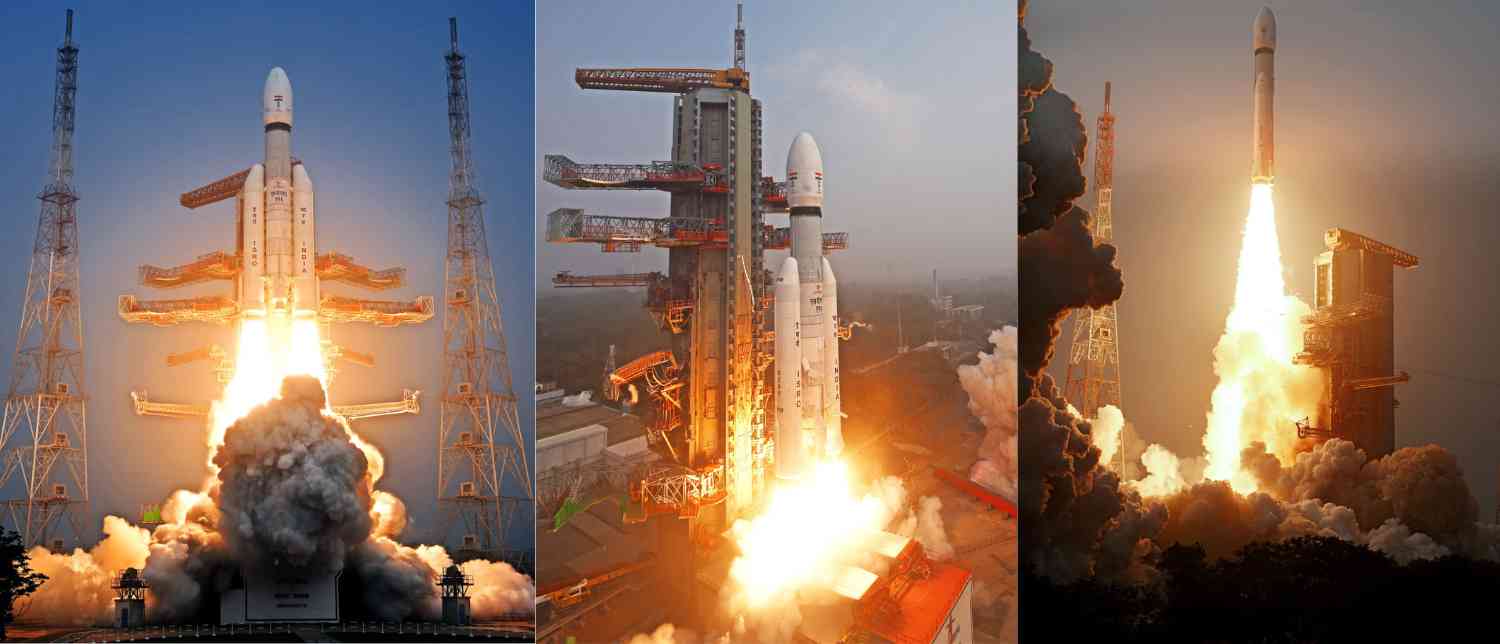
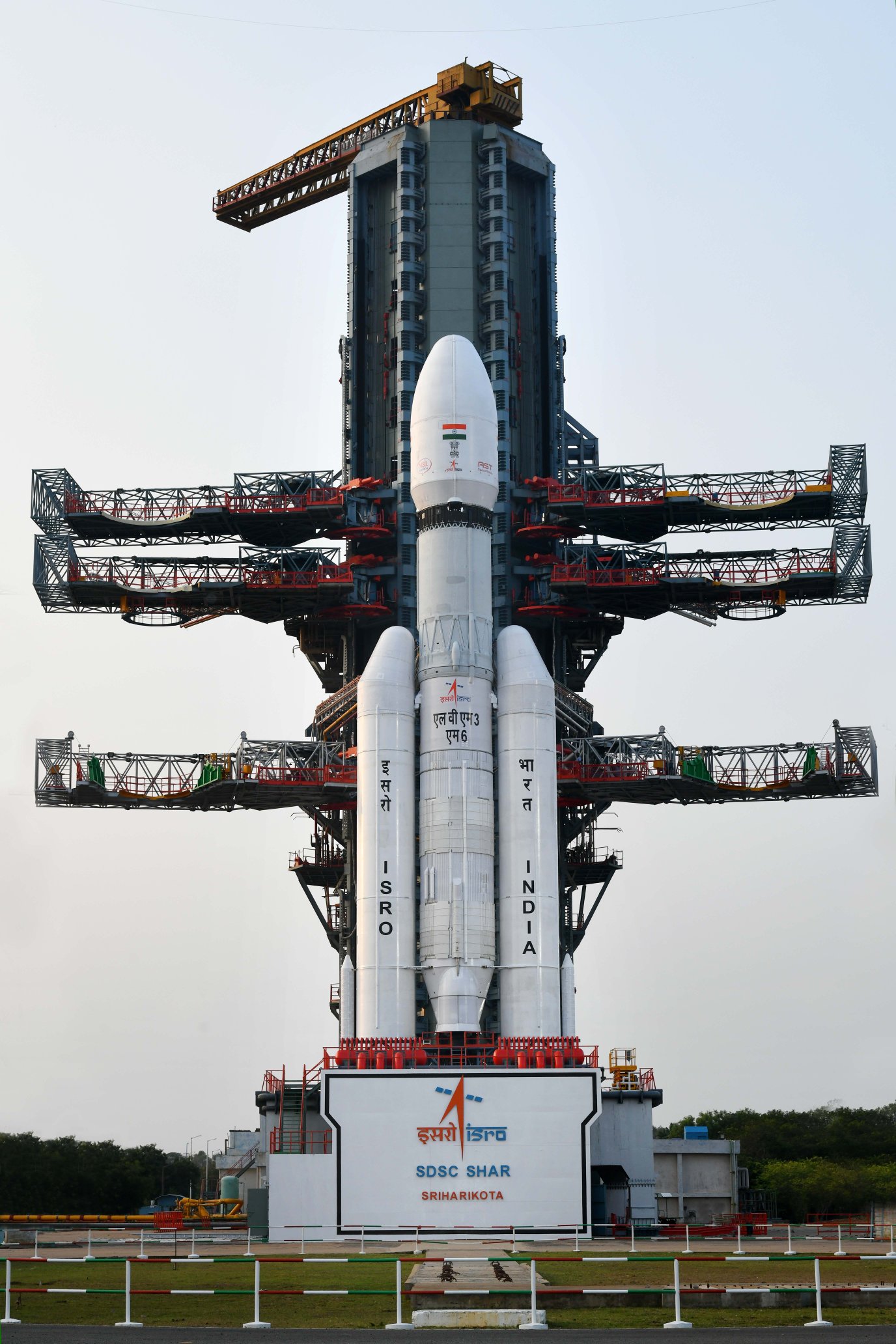
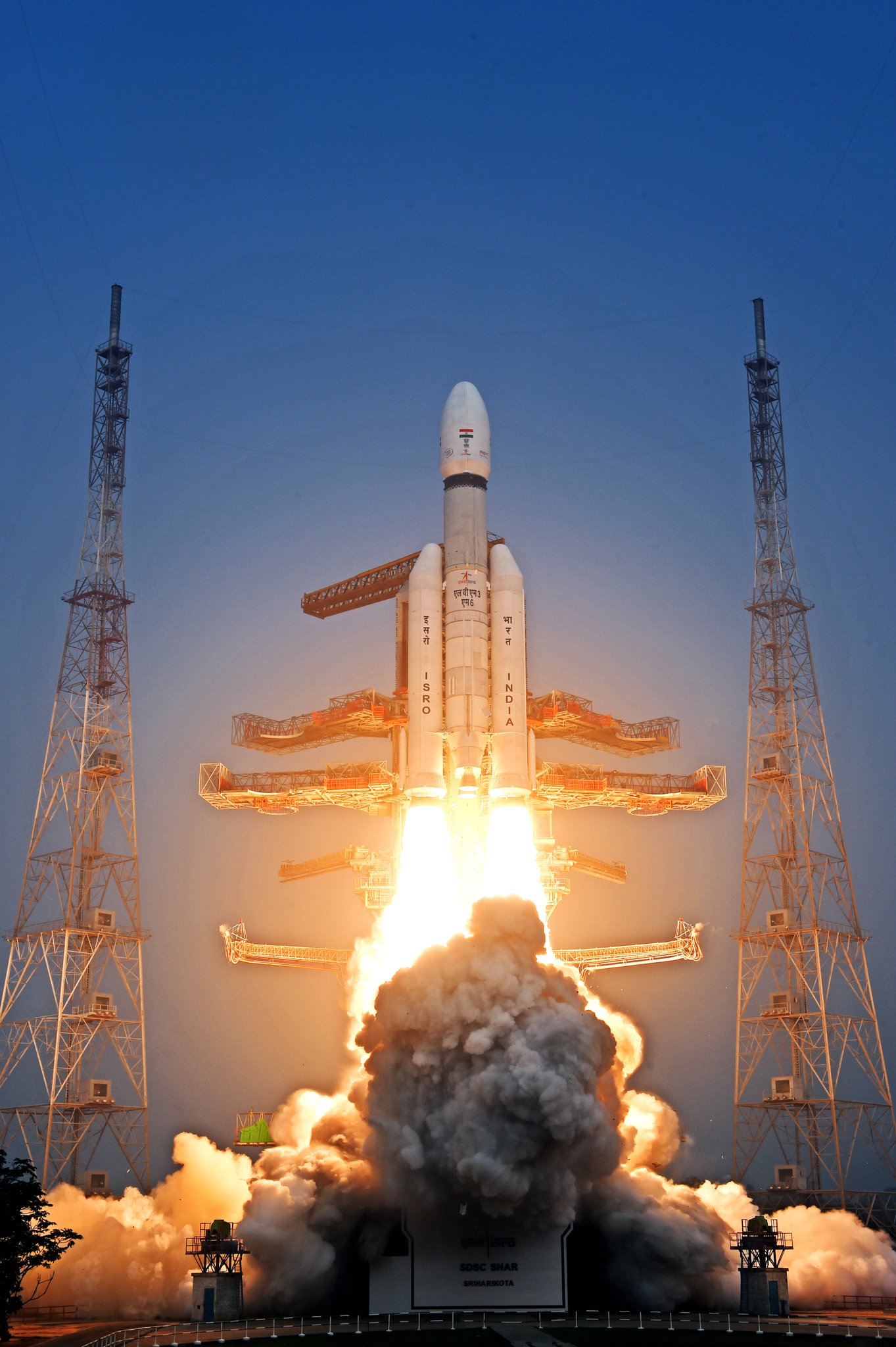
This evolving alignment found a powerful expression on Christmas Eve, as India’s most powerful rocket, the Launch Vehicle Mark-3 (LVM3), popularly known as Baahubali, lifted off from Sriharikota carrying the heaviest commercial satellite ever launched from Indian soil. The payload: BlueBird 6, a next-generation communications satellite built by US-based AST SpaceMobile, designed to beam broadband connectivity directly to everyday smartphones from space.
The mission marked a watershed moment not only for India’s space programme but also for the global commercial launch market, signalling India’s arrival as a serious heavy-lift launch provider for international clients.
A Strategic Thaw with Far-Reaching Implications
The launch did not occur in isolation. Just days earlier, on December 18, India opened its nuclear energy sector to American companies—a historic policy shift made possible by the passage of the Sustainable Harnessing and Advancement of Nuclear Energy for Transforming India Bill, 2025, widely known as the SHANTI Act. Enacted on February 18, 2025, the legislation dismantled decades of restrictions around private and foreign investment in India’s nuclear sector.
While the immediate implications of the SHANTI Act are expected to unfold in ongoing Indo-US trade negotiations, its ripple effects are already visible elsewhere—most notably in space. An American communications satellite that was originally scheduled for launch on December 15 was delayed and ultimately launched on December 24, 2025, shortly after the enabling legislation sailed through Parliament.
For the first time, a US company chose India for a dedicated heavy-lift commercial launch, a decision widely seen as a vote of confidence in ISRO’s technical capabilities and regulatory reliability.
VIDEO | ISRO's LVM3-M6 lifts off with BlueBird Block-2 satellite from Satish Dhawan Space Centre (SDSC) SHAR, Sriharikota. The satellite is part of a next generation of BlueBird Block-2 communication satellites, designed to provide space-based cellular broadband connectivity… pic.twitter.com/MRXpCOhvBV— Press Trust of India (@PTI_News) December 24, 2025
LVM3: India’s Heavy-Lift Workhorse
Developed by the Indian Space Research Organisation (ISRO), the LVM3—also known as GSLV Mk III—is India’s most capable launch vehicle. Standing 43.5 metres tall with a lift-off mass of 640 tonnes, it is designed for missions requiring significant payload capacity. The three-stage rocket comprises two S200 solid strap-on boosters, a liquid core stage (L110), and a cryogenic upper stage (C25), developed by ISRO’s Liquid Propulsion Systems Centre.
The vehicle can carry up to 4,200 kg to Geosynchronous Transfer Orbit (GTO) and substantially more to Low Earth Orbit (LEO). Before this mission, LVM3 already boasted a 100 percent success rate across seven flights, including high-profile missions such as Chandrayaan-2, Chandrayaan-3—which achieved a historic soft landing near the Moon’s south pole in 2023—and two OneWeb launches carrying a total of 72 satellites.
The BlueBird mission, designated LVM3-M6, was the sixth operational flight and the eighth overall launch of this formidable rocket.
A Majestic Liftoff from Sriharikota
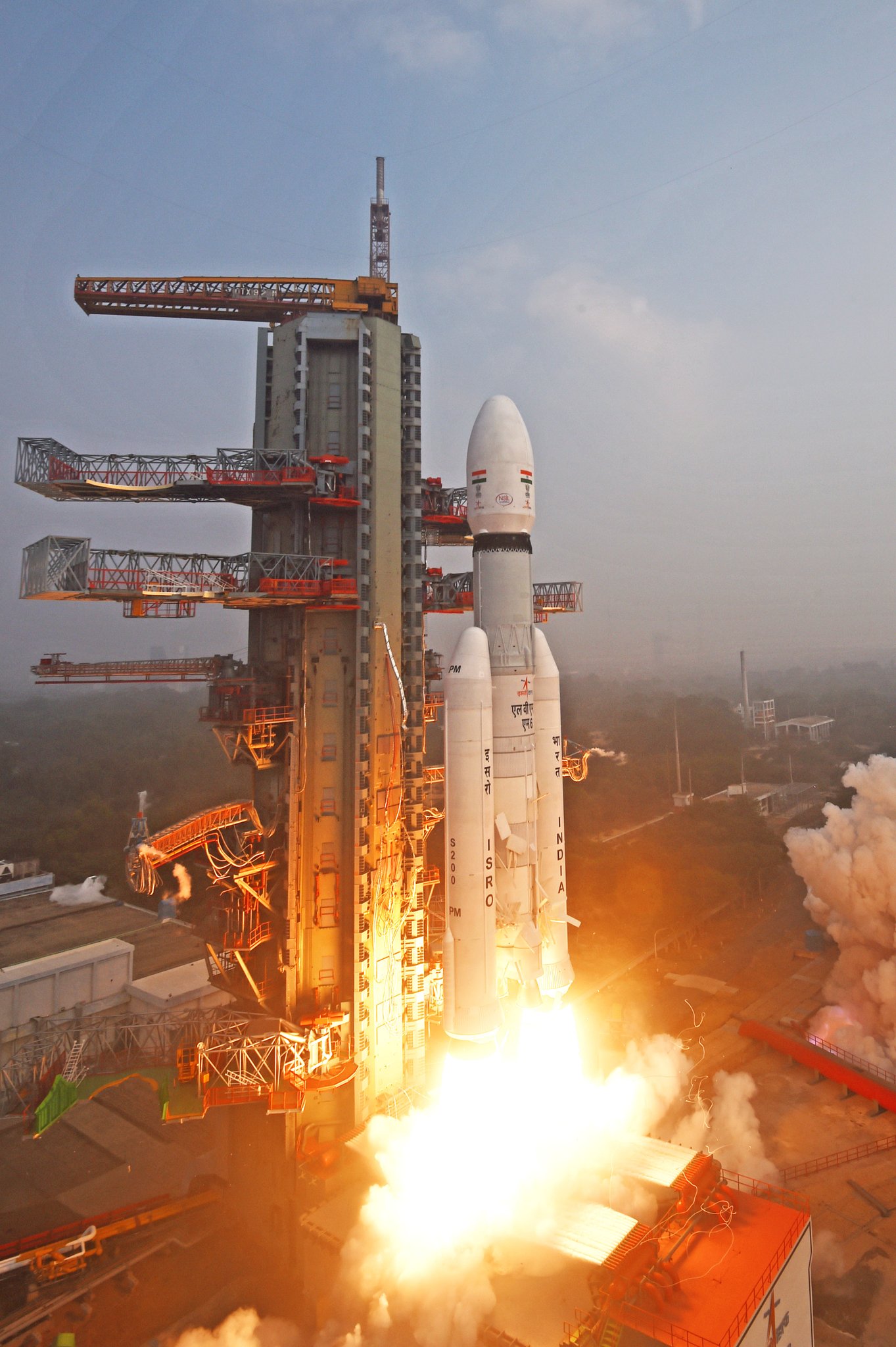
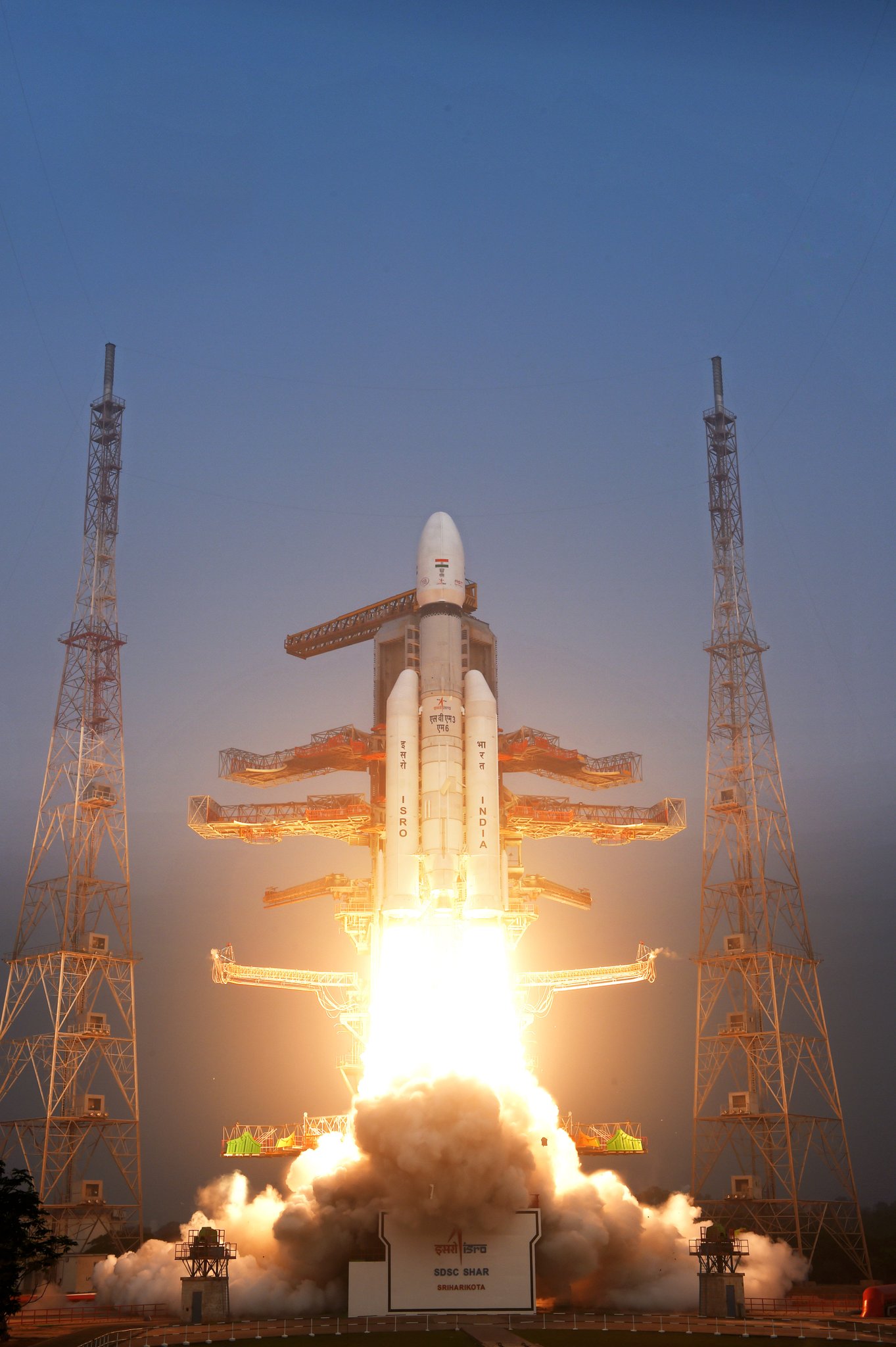
As the 24-hour countdown concluded, the LVM3-M6 rocket lifted off at 8:55 am from the second launch pad at the Satish Dhawan Space Centre in Sriharikota, located about 135 km east of Chennai. The launch was delayed by 90 seconds from its originally scheduled time of 8:54 am after ISRO detected a potential conjunction risk along the rocket’s flight path, possibly involving space debris or another satellite.
ISRO officials later confirmed that such last-minute adjustments are increasingly common as Earth’s orbital environment becomes more congested with thousands of satellites.
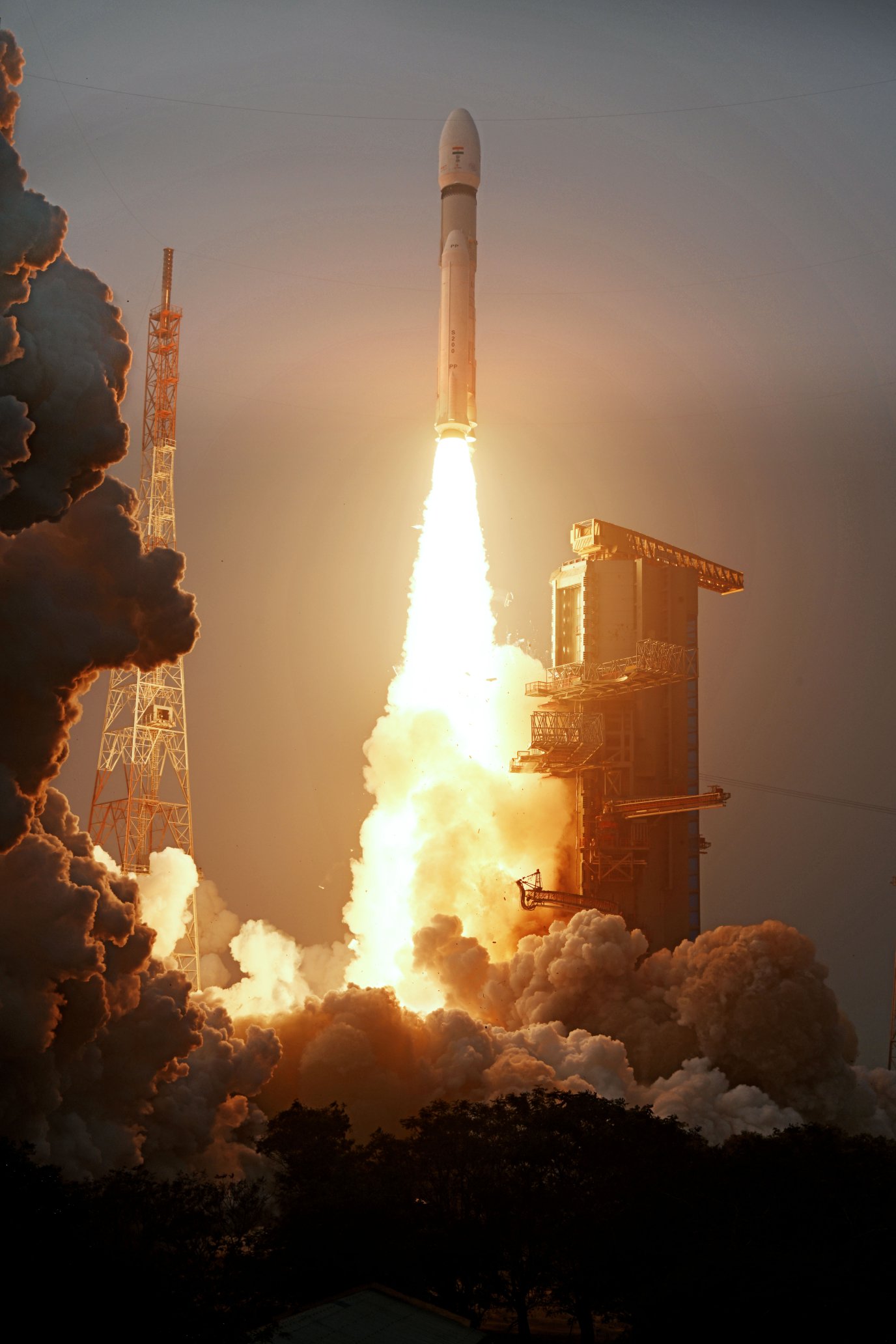
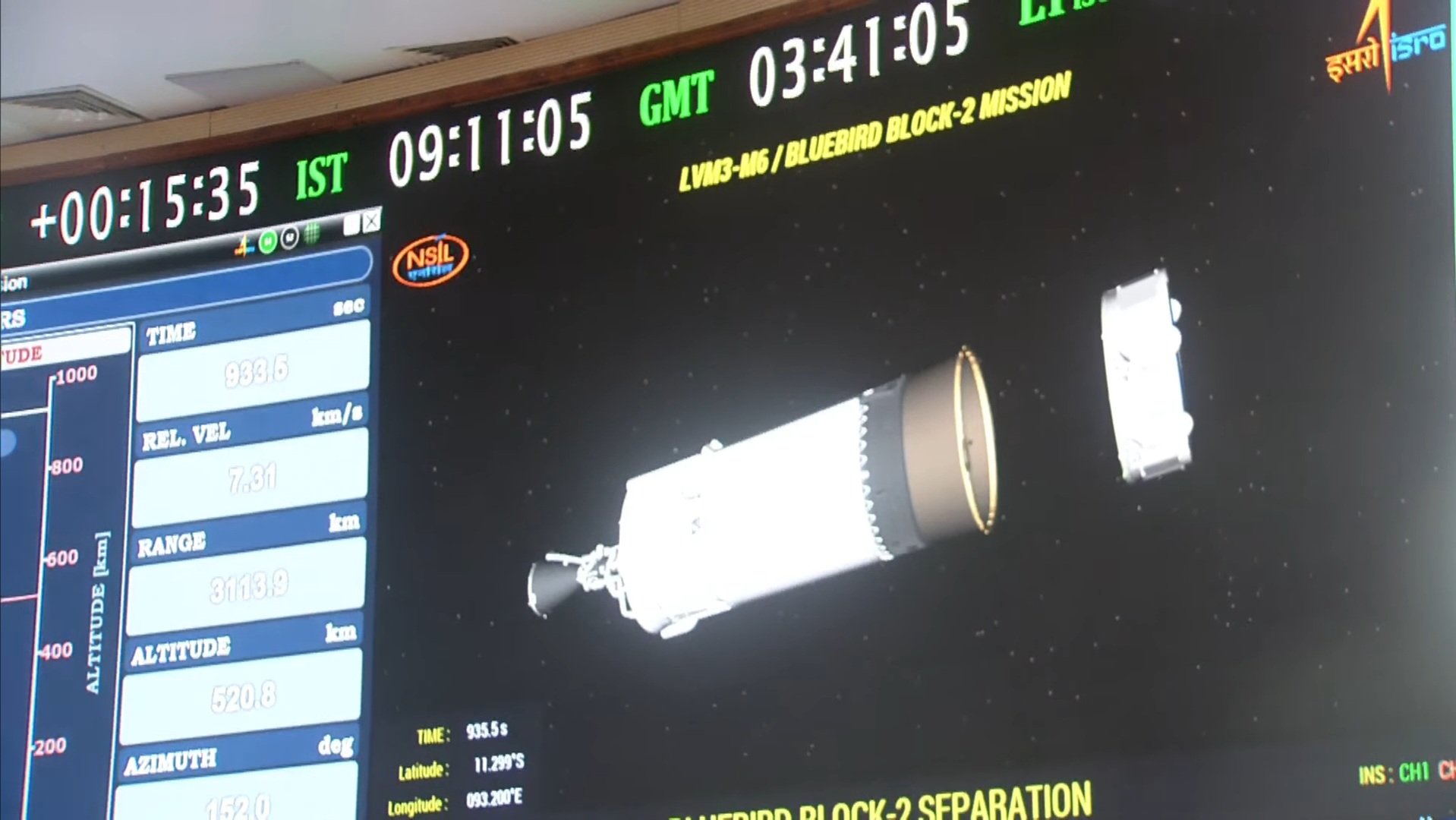
Approximately 15 minutes after liftoff, the BlueBird Block-2 spacecraft separated successfully and was injected into its intended low Earth orbit at an altitude of around 520–600 km.
“LVM3-M6 successfully and precisely injected the BlueBird Block-2 communication satellite into the intended orbit,” said Dr V. Narayanan, Secretary, Department of Space and Chairman, ISRO. “This is the heaviest satellite ever lifted from Indian soil using an Indian launcher. This is also the third fully commercial mission of LVM3, and the vehicle has demonstrated its excellent track record—one of the best performances of any launch vehicle in the global arena.”
BlueBird 6: Redefining Satellite Communications
At the heart of this historic mission is BlueBird 6, part of AST SpaceMobile’s next-generation BlueBird Block-2 constellation. Weighing nearly 6,100 kg—some estimates place it closer to 6.5 tonnes—it is the heaviest payload ever carried by an Indian launcher into low Earth orbit.
What sets BlueBird 6 apart is its unprecedented technological ambition. The satellite features a massive phased-array antenna spanning approximately 223 square metres—making it the largest commercial communications antenna ever deployed in LEO. This antenna is nearly 3.5 times larger than those used in AST’s earlier BlueBird satellites and delivers nearly ten times the data capacity.
Unlike traditional satellite internet systems such as Starlink or OneWeb, which require specialised user terminals, AST SpaceMobile’s technology is designed to connect directly to standard, unmodified smartphones. No additional hardware, no external antennas—just seamless connectivity from space.
While the service is not yet licensed in India, its potential applications are vast, ranging from remote and underserved regions to disaster zones where terrestrial networks fail.
AST SpaceMobile’s Vision for Global Connectivity
Headquartered in Texas, AST SpaceMobile is building what it describes as the world’s first and only space-based cellular broadband network capable of direct-to-mobile communication. The company’s goal is to bridge the global digital divide by providing affordable 4G and 5G connectivity anywhere on Earth.
AST operates nearly 500,000 square feet of manufacturing and operations facilities worldwide, including 400,000 square feet in the United States, and employs around 1,800 people, the majority based in America. It has already partnered with more than 50 mobile network operators globally.
In September 2024, the company launched five earlier BlueBird satellites, which now provide continuous coverage across the United States and select international markets. The next phase is ambitious: around 40 satellites are expected to be ready by early 2026, with five launches planned by the first quarter of that year. By the end of 2026, AST aims to deploy between 45 and 60 satellites to ensure continuous coverage across major markets.
“Our next-generation satellites will soon enable ubiquitous cellular broadband coverage direct to everyday smartphones from space,” said Abel Avellan, Founder, Chairman, and CEO of AST SpaceMobile. “As an American company, we are proud to demonstrate US leadership in space innovation while pioneering the next era of global connectivity.”
A Major Commercial Win for ISRO
The BlueBird mission was executed under a commercial agreement between NewSpace India Limited (NSIL), ISRO’s commercial arm, and AST SpaceMobile. It represents one of the most lucrative launch contracts ever secured by the Indian space agency and a major boost to its commercial ambitions.
Prime Minister Narendra Modi hailed the mission as a landmark achievement. “The successful LVM3-M6 launch, placing the heaviest satellite ever launched from Indian soil—the spacecraft of USA, BlueBird Block-2—into its intended orbit, marks a proud milestone in India’s space journey,” he said. “It strengthens India’s heavy-lift launch capability and reinforces our growing role in the global commercial launch market.”
Union Minister Dr Jitendra Singh echoed the sentiment, praising ISRO’s consistency and global relevance, while noting that this mission builds on earlier Indo-US collaborations such as the $1.5 billion NASA-ISRO Synthetic Aperture Radar (NISAR) mission launched in July, designed to conduct high-resolution Earth observations through clouds, fog, and ice.
Regulatory Questions and the Road Ahead
Despite the success, the mission also underscores unresolved regulatory challenges within India. Satellite-based internet services remain unlicensed domestically, and foreign providers face stringent scrutiny over national security, spectrum allocation, and compliance. Companies like Starlink have encountered similar roadblocks in the past.
For now, BlueBird’s services will roll out in markets where regulatory approvals exist, primarily in the United States and partner countries. Whether AST SpaceMobile’s breakthrough technology will eventually be permitted in India remains an open question.
A Glimpse into the Future
As Baahubali thundered skyward from Sriharikota, it carried more than just a satellite—it carried the promise of a new era. One where smartphones connect directly to space, where digital divides shrink, and where India emerges as a preferred launch partner for the world’s most ambitious commercial missions.
The LVM3-M6 mission stands as a defining moment for ISRO, AST SpaceMobile, and Indo-US strategic cooperation—a moment when technology, policy, and global ambition aligned to reshape how the world stays connected.
With inputs from agencies
Image Source: Multiple agencies
© Copyright 2025. All Rights Reserved. Powered by Vygr Media.