 By
By 
A moment of raw, unscripted public anger on the streets of Mumbai has ignited a nationwide conversation about political accountability, civic inconvenience, and the growing impatience of citizens with VIP culture. What began as a routine political rally organized by leaders of the Bharatiya Janata Party spiraled into a viral flashpoint after a woman confronted a state minister over crippling traffic disruptions—capturing, in a few charged seconds, the frustration of an entire city.
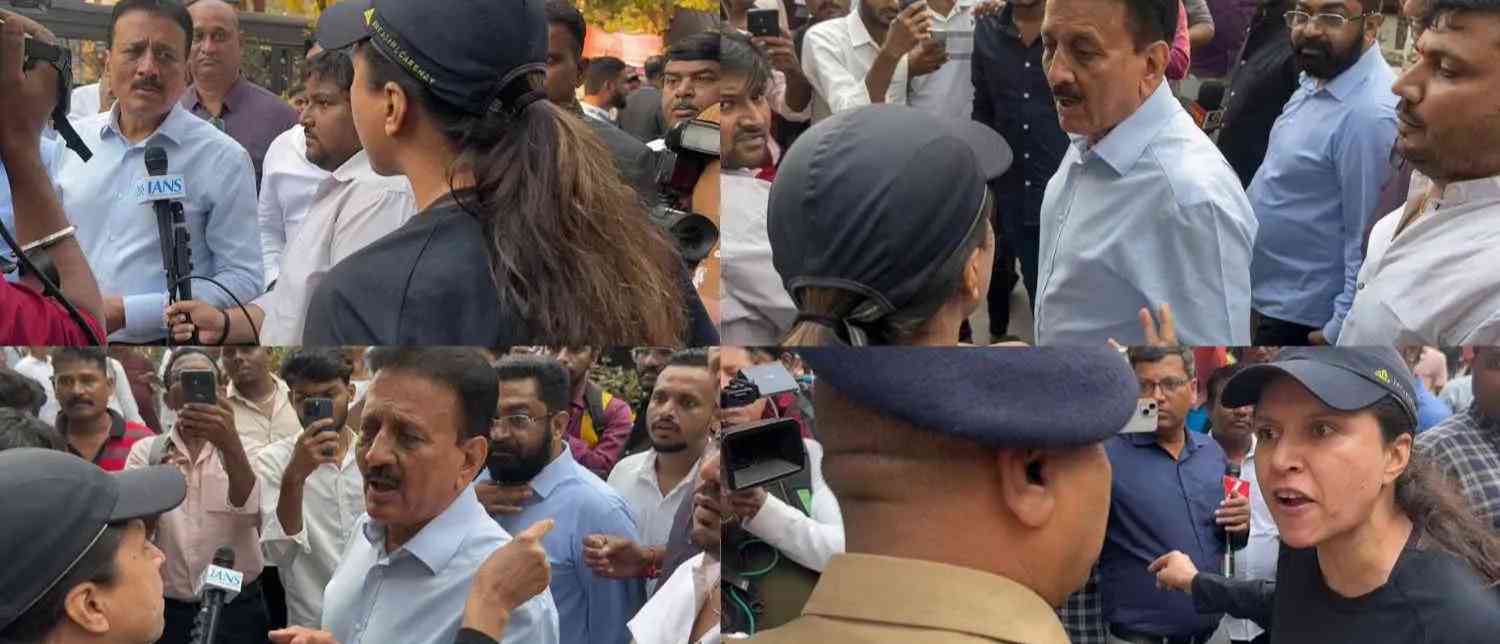
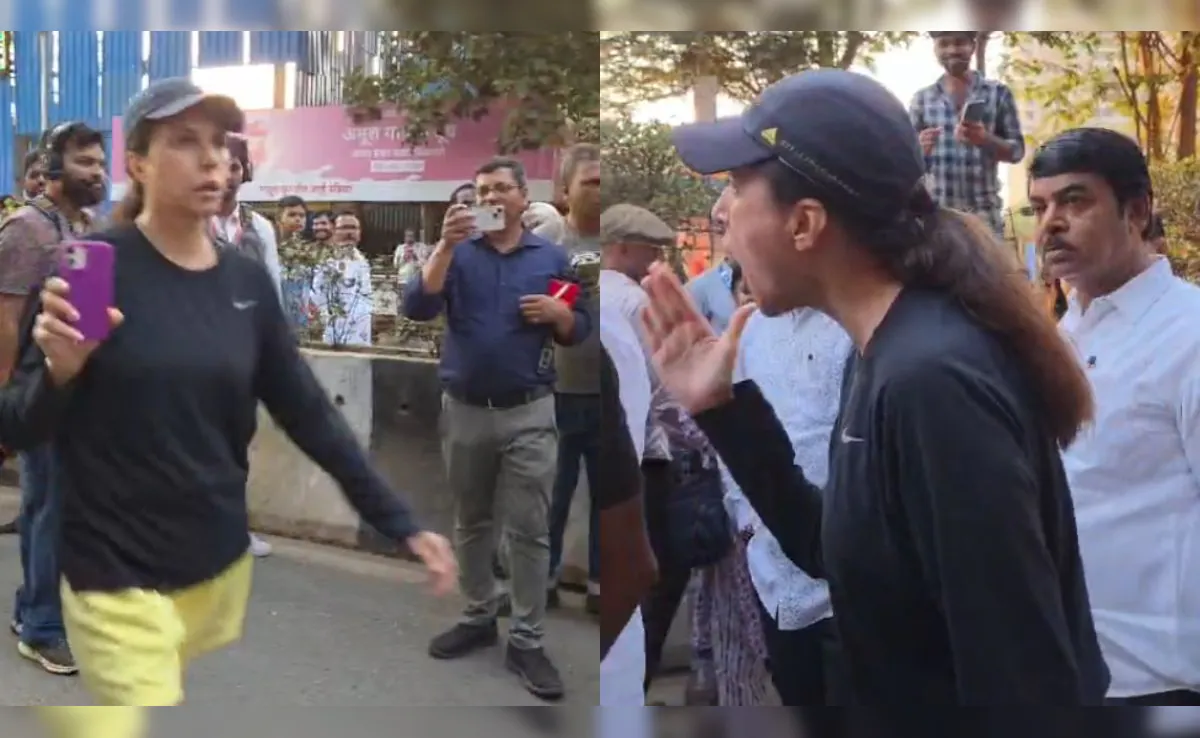
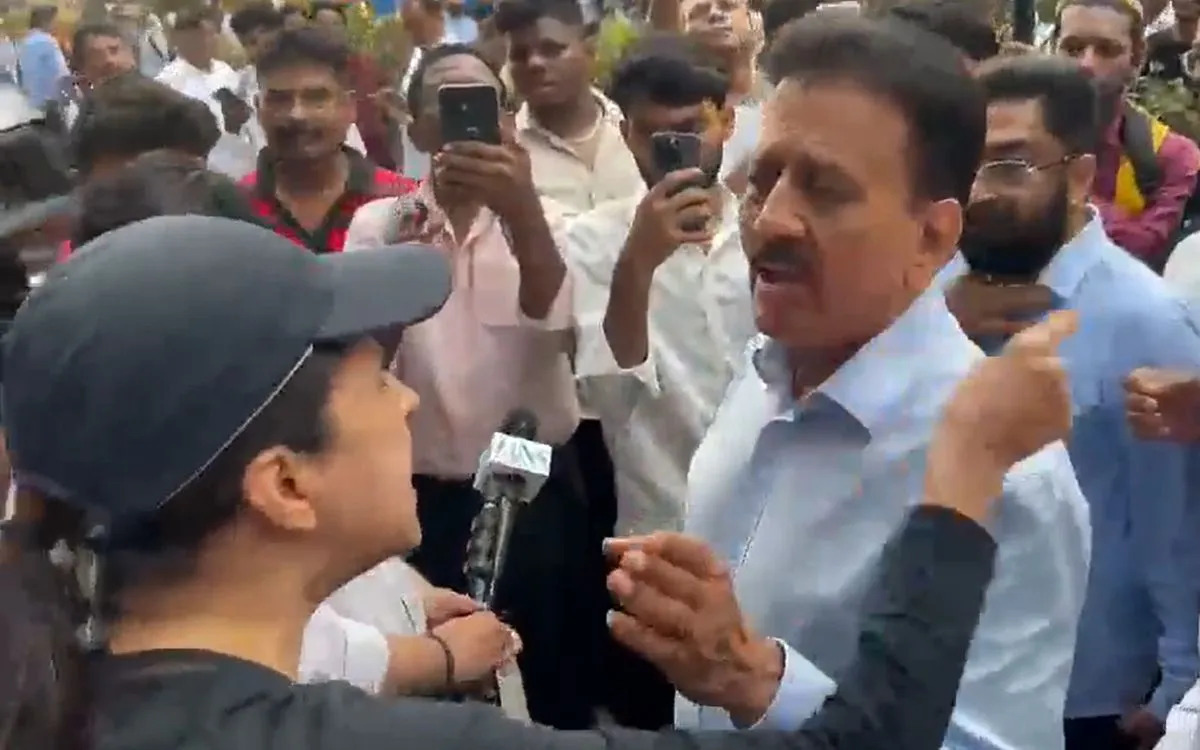
The incident, which unfolded earlier this week, has since dominated social media feeds, news cycles, and political discourse. Multiple videos circulating online show a visibly angry woman approaching a convoy linked to the rally and directly confronting a senior minister. Her words, sharp and unfiltered, cut through the usual deference often associated with political authority: “Get out of here,” she is heard saying, expressing outrage over the hours-long traffic gridlock that had brought parts of the city to a standstill.
A City Brought to a Halt
Mumbai, a city synonymous with relentless motion, found itself paralyzed as roads were blocked and traffic diverted to accommodate the political rally. Commuters reported being stranded for extended periods, with emergency movement severely hampered. The woman at the center of the now-viral video appeared to echo these grievances, calling out not just the inconvenience but what she perceived as a disregard for ordinary citizens.
Eyewitness accounts suggest that the disruption was widespread, affecting key arterial routes. Office-goers, students, and daily wage workers were among those caught in the chaos. For many, the rally symbolized a recurring pattern—public inconvenience in the name of political mobilization.
The woman’s confrontation, therefore, did not emerge in isolation. It was a spontaneous eruption of a simmering public sentiment, one that has long been critical of the preferential treatment afforded to political events at the expense of civic order.
The Confrontation
In the video clips that quickly gained traction, the woman is seen arguing not only with the minister but also with police personnel present at the scene. Her tone is assertive, her message clear: the disruption caused by the rally was unacceptable.
At one point, she questions the necessity of halting traffic for political purposes, demanding accountability from those in power. The minister, surrounded by aides and security personnel, appears momentarily taken aback by the directness of the confrontation.
Police officers attempt to intervene, urging the woman to step back, but she persists, continuing to voice her frustration. The exchange, though brief, resonated deeply with viewers, many of whom identified with her grievances.
Social Media Erupts
Within hours, the video spread across platforms, amassing millions of views and sparking intense debate. Hashtags related to the incident began trending, with users expressing both support and criticism.
A significant portion of netizens rallied behind the woman, praising her courage and candor. Some even went so far as to suggest she deserved national recognition, with comments humorously proposing awards for her “bravery” in speaking truth to power. The phrase “give this lady Bharat Ratna” trended widely, reflecting a mix of satire and genuine admiration.
Others, however, questioned the manner of her protest, arguing that while her concerns were valid, the approach could have been more measured. Still, even among critics, there was acknowledgment of the underlying issue: the impact of political events on everyday life.
Political Reactions
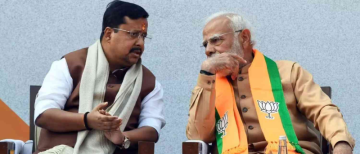
The incident quickly took on a political dimension. Leaders from the Indian National Congress seized the opportunity to criticize the ruling BJP, framing the episode as evidence of growing public dissatisfaction.
A Congress Member of Parliament publicly condemned the situation, stating that such confrontations reflect the frustration of citizens who feel neglected and unheard. The MP argued that governance should prioritize public convenience over political spectacle, emphasizing that disruptions of this scale are unacceptable in a city like Mumbai.
The BJP, meanwhile, has not issued a detailed official statement addressing the confrontation directly. However, party supporters have pointed to the logistical challenges of organizing large-scale rallies in densely populated urban areas, suggesting that some level of disruption is inevitable.
The Broader Debate
Beyond the immediate political sparring, the incident has reignited a broader debate about VIP culture in India. For decades, citizens have voiced concerns about the privileges extended to politicians—road closures, traffic halts, and heavy security deployments—that often disrupt daily life.
In a city like Mumbai, where time is currency and delays can have cascading effects, such disruptions are particularly contentious. The viral video has, in many ways, crystallized this ongoing tension between governance and public convenience.
Urban planners and civic activists have also weighed in, calling for better coordination and planning to minimize disruption. Some have suggested that political rallies should be held in designated areas or during off-peak hours to reduce their impact on traffic.
A Symbol of Citizen Assertion
What sets this incident apart is not just the confrontation itself, but what it represents. The woman’s outburst has been widely interpreted as a sign of changing public attitudes—an increasing willingness to question authority and demand accountability.
In an era where social media amplifies individual voices, such moments can quickly transcend their immediate context, becoming symbols of larger societal shifts. The woman in Mumbai, though unnamed in most reports, has become an unlikely emblem of citizen assertion.
Her words, captured on camera, have sparked conversations not just about traffic management, but about the relationship between the state and its citizens. Who bears the cost of political activity? How much inconvenience is acceptable? And where should the line be drawn?
The Power of Viral Moments
The rapid spread of the video underscores the power of digital platforms in shaping public discourse. What might once have been a localized incident is now a national talking point, influencing opinions and prompting responses from political leaders.
This amplification also places pressure on authorities to respond more swiftly and transparently. In the past, such grievances might have gone unnoticed; today, they can trigger widespread scrutiny within hours.
No Easy Answers
While the incident has sparked widespread debate, it also highlights the complexity of balancing democratic expression with civic order. Political rallies are a fundamental aspect of democratic engagement, allowing parties to connect with supporters and mobilize voters.
At the same time, the rights of citizens to move freely and go about their daily lives cannot be overlooked. Striking this balance remains a challenge for policymakers and law enforcement agencies alike.
A City Speaks
Ultimately, the confrontation on a Mumbai street is more than just a viral video—it is a reflection of a city speaking up. In a metropolis known for its resilience and hustle, patience is often stretched thin. When that patience breaks, it does so loudly.
The woman’s words may have been brief, but their impact has been far-reaching. They have sparked conversations, drawn political responses, and forced a re-examination of practices long taken for granted.
As Mumbai returns to its usual rhythm, the questions raised by this incident linger. Will there be changes in how political events are managed? Will authorities take steps to minimize public inconvenience? Or will this remain another fleeting moment in the ever-churning cycle of news?
For now, one thing is clear: a single voice, raised in frustration, has managed to capture the attention of a nation—and in doing so, has reminded those in power that the public is watching, and increasingly, speaking up.
With inputs from agencies
Image Source: Multiple agencies
© Copyright 2026. All Rights Reserved. Powered by Vygr Media.