 By
By 
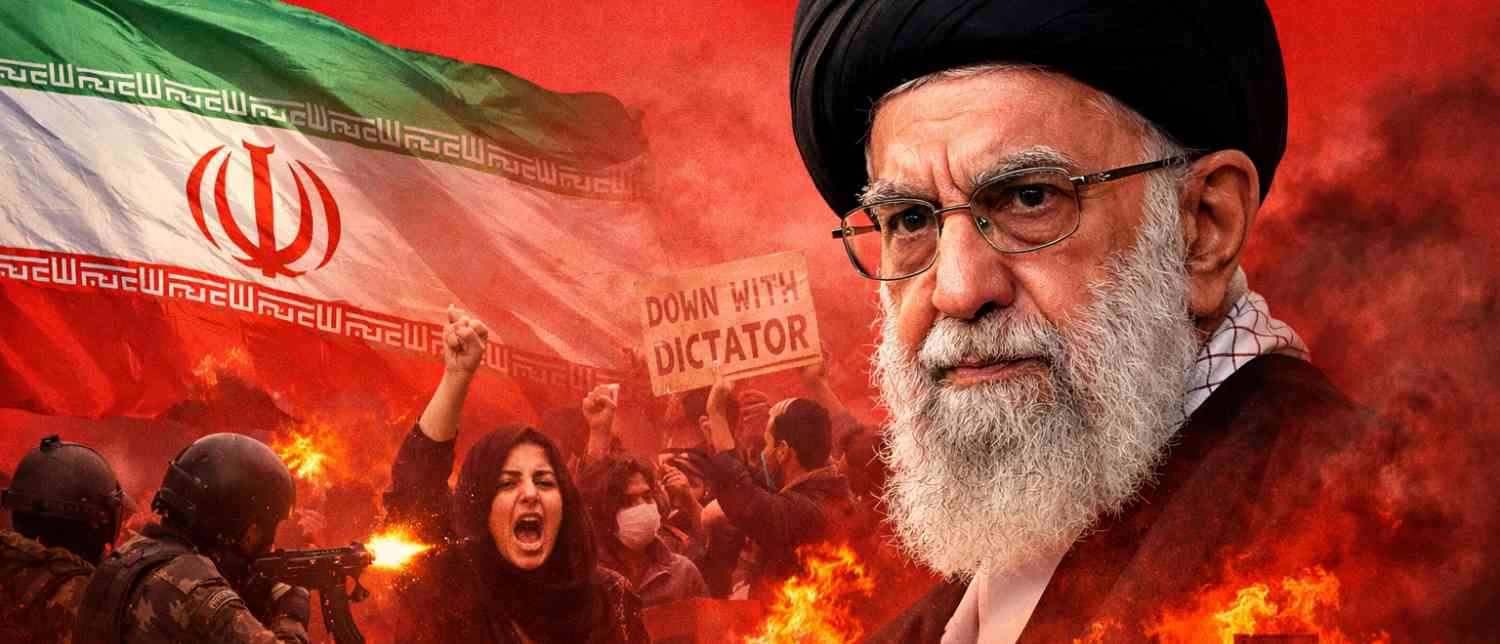
Iran is facing one of the bloodiest chapters of civil unrest in its recent history as nationwide protests against the ruling clerical establishment descend into violent repression. Amid a near-total communications blackout imposed by authorities, a Tehran-based doctor has alleged that at least 217 protesters were killed in just six hospitals in the capital, most by live ammunition, raising urgent questions about the true scale of the crackdown and whether the regime is concealing the real death toll.
If verified, the figures would mark one of the deadliest state responses to dissent since the 1979 Islamic Revolution and would directly contradict official silence, as well as defy warnings from U.S. President Donald Trump, who had publicly cautioned Tehran that it would “pay hell” if it resorted to killing protesters.
A Deadly Escalation Under Cover of a Communications Blackout
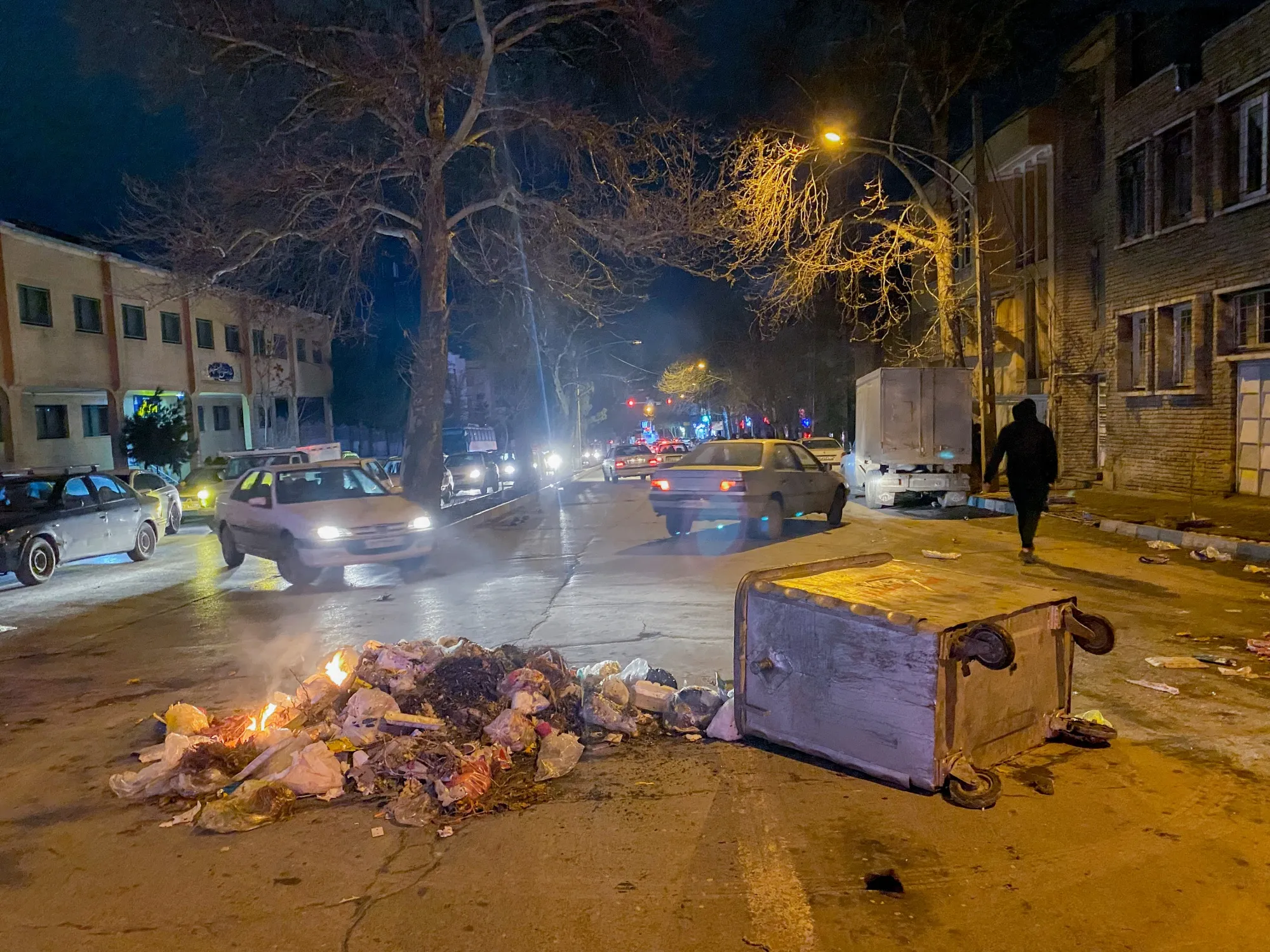
Iran’s largest wave of protests in years took a dramatic and violent turn on Thursday night, when security forces opened fire on demonstrators across multiple cities. The escalation unfolded even as the government maintained a near-total shutdown of internet and phone services, severely restricting the flow of independent information and eyewitness accounts from inside the country.
According to a doctor based in Tehran who spoke to TIME on condition of anonymity, the scale of casualties has been staggering. The physician claimed that six hospitals in Tehran alone recorded at least 217 protester deaths, with the overwhelming majority of victims killed by live ammunition. No official authority has confirmed the figure, but medical sources insist the numbers reflect only a fraction of the total nationwide toll.
The doctor further alleged that authorities removed bodies from hospitals overnight and again on Friday, an action that has fueled suspicions of a deliberate effort to obscure the real extent of the bloodshed.
Young Lives Lost and Bodies Removed
One of the most disturbing elements of the account is the demographic profile of the victims. According to the physician, most of those killed were young people, many of whom had taken to the streets in what began as peaceful demonstrations.
Among the deadliest reported incidents was an attack outside a police station in northern Tehran, where security forces allegedly sprayed machine-gun fire into a crowd of protesters. At least 30 people were shot during that single episode, many of whom, the doctor said, died “on the spot.” Activist networks independently reported a similar figure of fatalities linked to the same incident.
These accounts paint a picture of indiscriminate violence that stands in stark contrast to the government’s official narrative, which has characterized protesters as “vandals” and foreign-backed agitators.
Protests Spread to All 31 Provinces
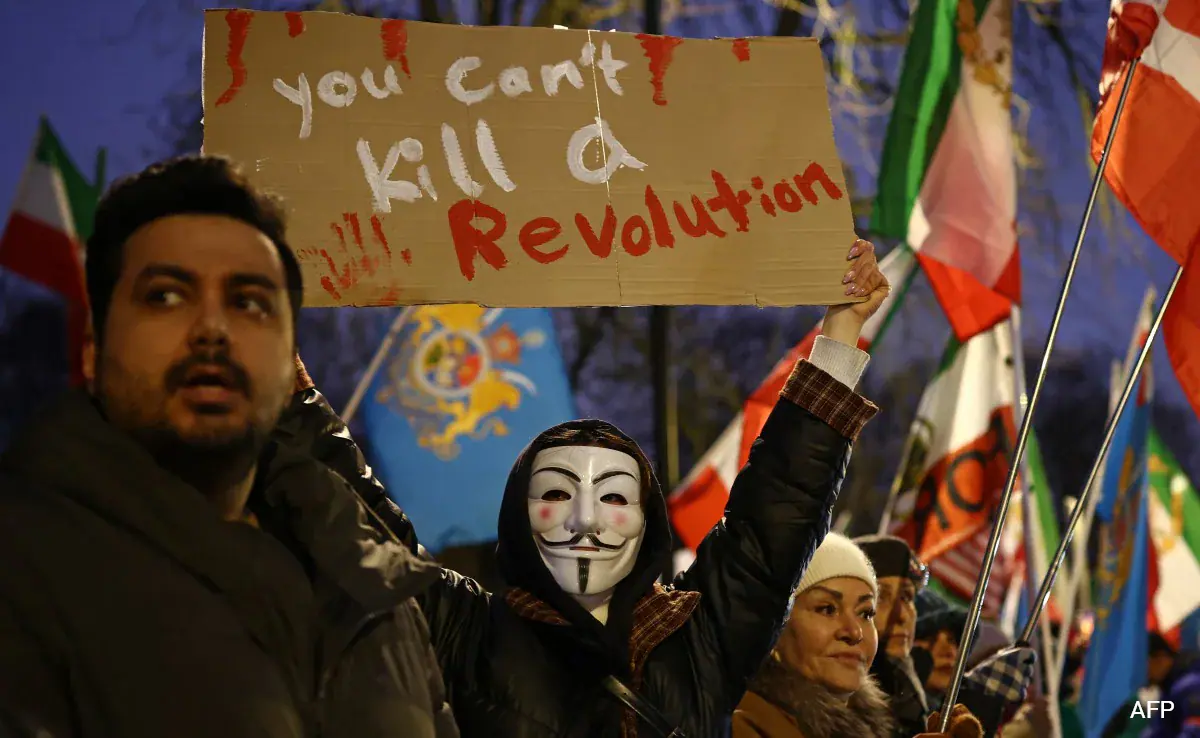
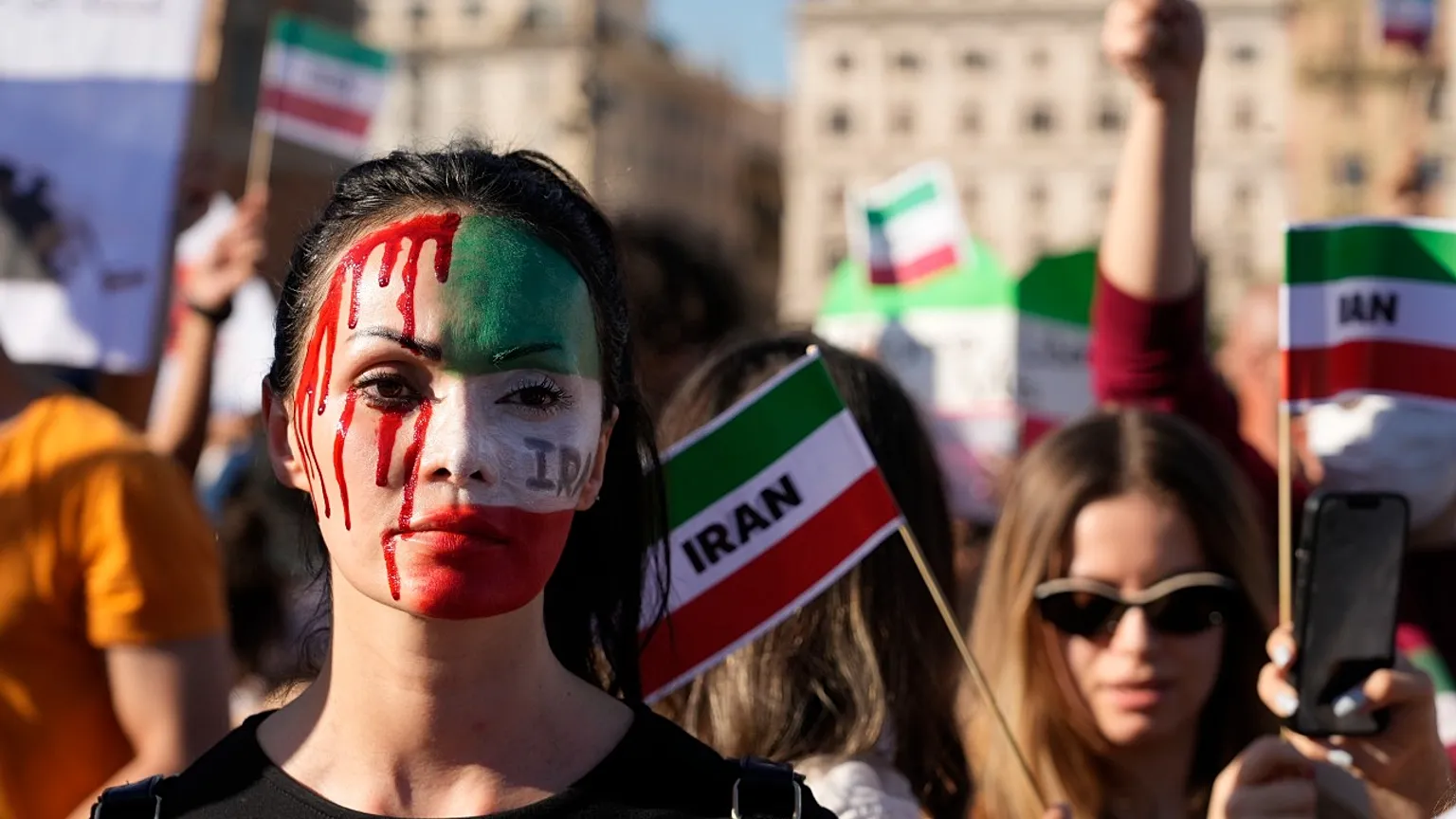
What began on December 28 as demonstrations against a collapsing economy, soaring inflation, and a rapidly depreciating currency has since expanded into a nationwide uprising spanning all 31 provinces of Iran. The protests have evolved beyond economic grievances into a broader political movement demanding the overthrow of the authoritarian Islamic regime that has ruled the country of approximately 92 million people since 1979.
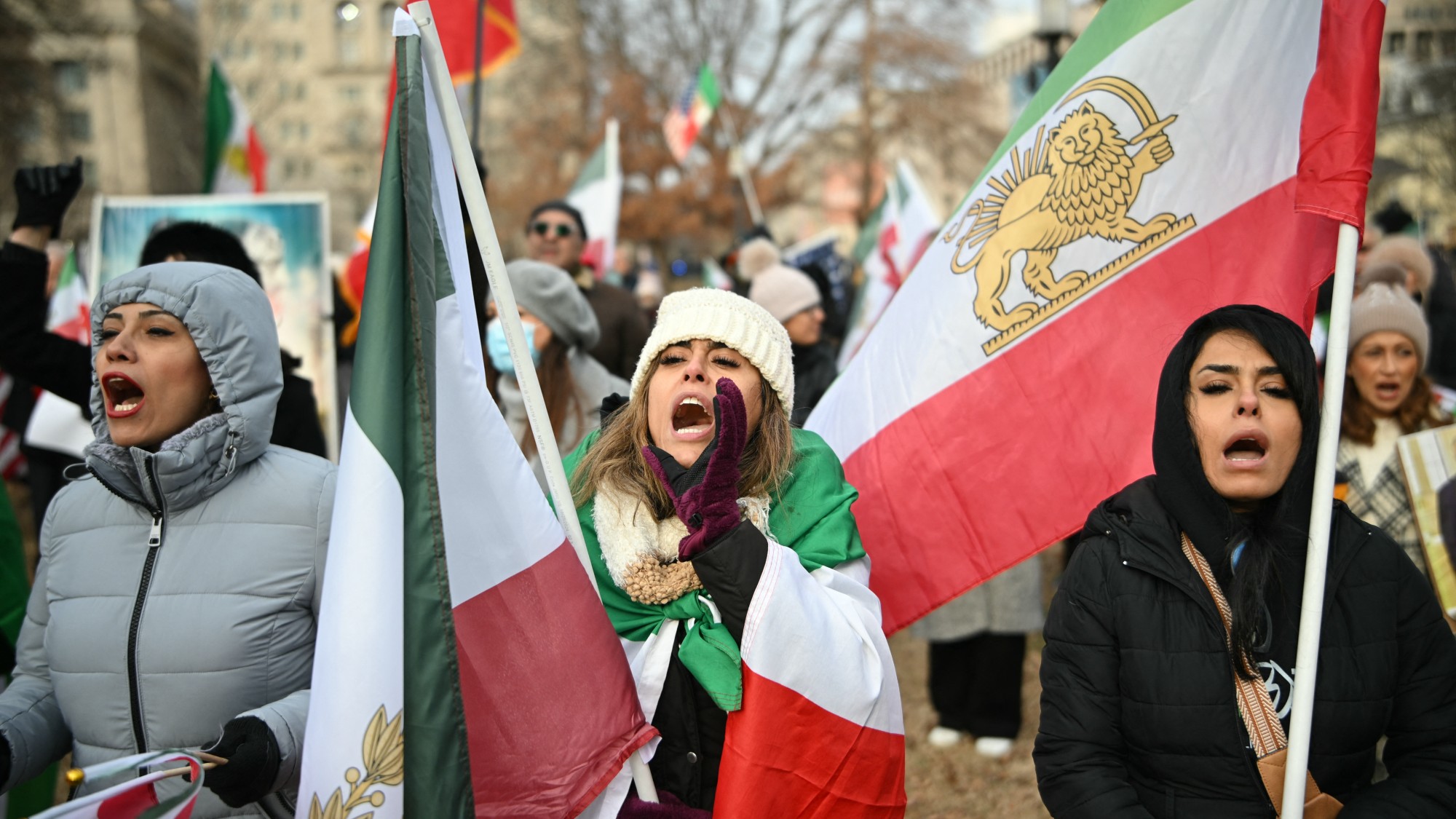
Chants of “Freedom” and “Death to the Dictator” have echoed across cities and towns, signaling a direct challenge to Supreme Leader Ayatollah Ali Khamenei. While many rallies have remained largely peaceful, there have also been reports of vandalism targeting government buildings, further hardening the state’s response.
Discrepancies in Death Toll Figures
Human rights organizations have so far reported significantly lower casualty figures than those cited by medical sources inside Iran, underscoring the difficulty of verification under blackout conditions.
The Washington, D.C.-based Human Rights Activist News Agency (HRANA), which counts only victims who have been individually identified, reported at least 63 deaths since the protests began, including 49 civilians. Analysts and journalists note that the discrepancy likely reflects differing methodologies, as HRANA relies on confirmed identities, while hospital-based estimates may capture a broader and more immediate picture of fatalities.
Regime Issues Stark Warnings
As reports of mounting casualties emerged, Iranian authorities broadcast a series of increasingly ominous messages. In a televised address on Friday, Ayatollah Khamenei declared that the Islamic Republic would not back down in the face of what he described as “vandals” attempting to “please” President Trump.
Tehran’s prosecutor went even further, warning that protesters could face the death penalty. On state television, an official from the Islamic Revolutionary Guard Corps (IRGC) delivered a chilling message to parents, urging them to keep their children away from demonstrations and adding bluntly: “If… a bullet hits you, don’t complain.”
Confusion and Fear Within Security Forces
Despite the regime’s hardline rhetoric, accounts from within Iran’s own security apparatus suggest deep uncertainty and fear. For the first 11 days of protests, the state’s response appeared uneven, with some demonstrations dispersed using tear gas and arrests rather than live fire.
A black-clad riot police officer in a Kurdish city in northwest Iran told TIME that there was “100% confusion” within the ranks. Key decisions, he said, were being made behind closed doors and not communicated to officers on the ground.
“There is chaos everywhere—in the city, in homes, in the streets and within the police forces, too,” the officer said. “They’re doing things in secret, and we’re afraid of what’s coming.”
He added that many officers believe the regime itself is “collapsing.”
Analysts Warn of an Existential Crisis
Political analysts argue that the regime now views the protests as an existential threat. Hossein Hafezian, a New Jersey-based Iran expert, said that because demonstrations have spread into middle-class neighborhoods, authorities are unlikely to hesitate in using brute force.
“From now on, the casualties will increase rapidly,” he warned, adding provocatively that targeted international pressure could alter the regime’s calculations.
Other observers point to the broader context of mounting pressures on the Islamic Republic. Afshon Ostovar, a professor of international security, noted that while the regime remains structurally strong, it is weaker than at any point since shortly after the 1979 revolution.
Iran’s leadership is still reeling from its June conflict with Israel, during which airstrikes reportedly destroyed air defenses and set back the country’s nuclear program, with assistance from U.S. B-2 bombers. Simultaneously, international sanctions, water shortages, recurring power outages, and economic mismanagement have intensified public anger.
“They can’t provide even basic economic welfare for their own population,” Hafezian said. “They are in survival mode now.”
Political Divisions at the Top
The crisis has also exposed fractures within Iran’s leadership. Supreme Leader Khamenei retains control over the security apparatus, including the IRGC, while the elected president, Masoud Pezeshkian, has adopted a more conciliatory tone in public.
However, according to two cabinet members speaking anonymously, the majority of the cabinet favors a crackdown, citing alleged signs of U.S. and Israeli involvement. Pezeshkian’s influence is further constrained by limited access to Khamenei, who reportedly went into hiding during the Israel-Iran conflict and now communicates through intermediaries.
A Regime Buying Time
Government advisor Mashallah Shamsolvaezin said authorities initially pursued a “trial and error” approach, holding talks with protest representatives, replacing the Central Bank governor, and announcing cash handouts of 1 million tomans (about $7) per month to each Iranian for four months.
At the same time, Iran has resumed indirect nuclear negotiations with the West, hoping for sanctions relief tied to suspending uranium enrichment.
Wild Cards and the Road Ahead
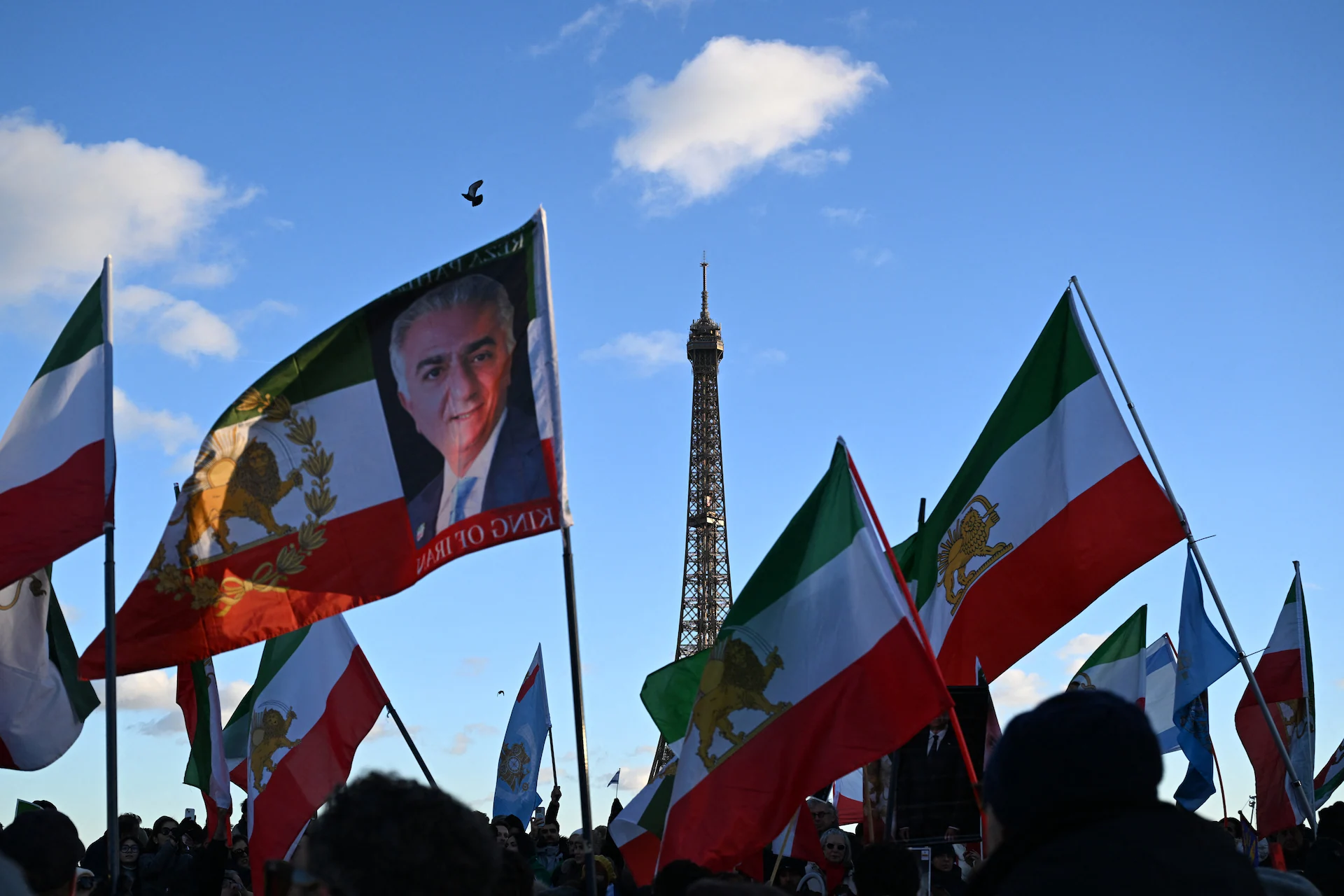
Analysts say several factors could determine how the crisis unfolds. One is whether more middle- and upper-class Iranians, as well as ethnic minorities, continue to join protests despite the rising risk of violence. Many demonstrators have voiced support for Reza Pahlavi, the U.S.-based son of Iran’s last Shah, who has called for mass protests and promised to return to establish a secular democracy.
Kurdish opposition groups have also mobilized, with activists saying fear has diminished as awareness of the regime’s vulnerability grows.
Yet perhaps the most unpredictable variable remains the loyalty of the security forces themselves. While senior leadership defections appear unlikely, each protest cycle has seen more rank-and-file officers refusing to participate in crackdowns.
“My family is urging me to take off my uniform,” the riot police officer said. “I’m in the police force for the income—not to kill people.”
As Iran’s streets continue to simmer under blackout conditions, the true human cost of the unrest remains obscured. But accounts from hospitals, activists, and even security personnel suggest the country is entering a volatile and potentially transformative moment—one where the question is no longer whether blood has been spilled, but how much, and at what cost to the regime’s future.
With inputs from agencies
Image Source: Multiple agencies
© Copyright 2025. All Rights Reserved. Powered by Vygr Media.