

 By
By 
The escalating confrontation between Iran and Israel has rapidly shifted from a regional flashpoint to a global economic concern. What began as a geopolitical crisis now threatens to morph into a systemic economic shock—one that could touch everything from oil prices and shipping routes to inflation indices and financial markets worldwide.
The headlines are filled with missile strikes, retaliation, and military posturing. But the more enduring consequences may not be measured in territorial gains or strategic deterrence. Instead, they may show up in higher fuel bills, delayed shipments, volatile stock markets, and rising grocery prices across continents. In an already fragile global economy strained by post-pandemic disruptions, the Ukraine war, Red Sea shipping tensions, and creeping protectionism, this conflict risks becoming yet another destabilizing force.
At the core of this unfolding economic storm lies a narrow, strategically vital waterway: the Strait of Hormuz.
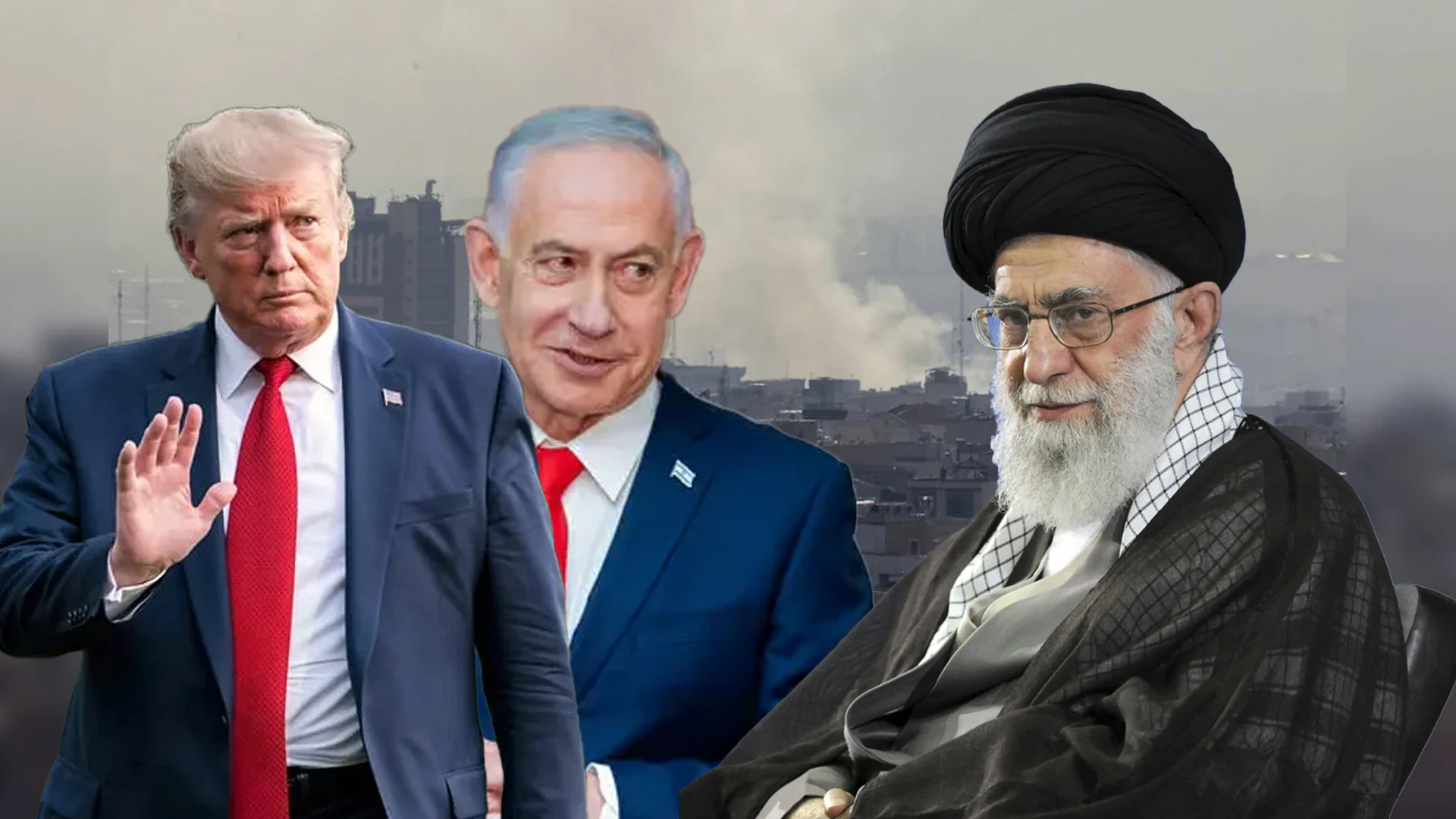
The Strait of Hormuz: The World’s Most Dangerous Bottleneck
Geography rarely determines global inflation. But in this case, it just might.
The Strait of Hormuz, wedged between Iran and Oman, connects the Persian Gulf to the Gulf of Oman and onward to the Arabian Sea. At its narrowest point, it is just 21 miles (33 kilometers) wide. Shipping lanes within it are barely two miles wide in each direction. Yet this slim maritime corridor carries an outsized portion of the world’s energy lifeline.
The numbers are staggering:
-
Roughly one-fifth of global oil consumption passes through the strait.
-
More than 20 million barrels per day of crude, condensate, and fuels moved through it last year.
-
Around 30% of global seaborne oil flows transit this route.
-
Nearly all of Qatar’s liquefied natural gas (LNG) exports pass through it.
-
Major producers—including Saudi Arabia, Iraq, Kuwait, United Arab Emirates, and Iran itself—depend heavily on this corridor.
This is not merely a shipping route. It is the connective tissue of global energy trade.
When senior advisers linked to Iran’s Islamic Revolutionary Guard Corps warned that ships attempting to transit the strait would be “set ablaze,” markets reacted instantly. While there has been no formal confirmation that the strait is fully sealed, tanker traffic has reportedly fallen. Reports of electronic interference and attacks near the waterway have heightened alarm.
Even without a total closure, uncertainty alone is enough to raise insurance premiums, disrupt tanker schedules, and drive up freight costs. In global markets, perception often precedes reality—and prices follow perception.
Oil Markets: Pricing Risk Before Reality
Oil markets are typically the first to register geopolitical tremors. Within 48 hours of escalation, crude prices began swinging sharply—not because production collapsed overnight, but because traders began pricing in risk.
History shows that markets add a “risk premium” faster than actual supply disruptions materialize. If the conflict drags on or widens, analysts warn that oil could surge past $100 per barrel. A sustained closure of the Strait of Hormuz lasting weeks, rather than days, could send prices significantly higher. European gas prices could even revisit crisis levels seen in 2022.
The lesson from past crises is clear: oil shocks do not require physical shortages to inflict damage. They require fear.
Comparisons to the oil crises of the 1970s are resurfacing. In 1973–74, Arab producers imposed an embargo during the Yom Kippur War, triggering fuel shortages and soaring inflation. A second shock followed in 1979 after the Iranian Revolution slashed output. Today’s global demand is higher, supply chains are tighter, and economies are more interconnected—raising the possibility that a prolonged Hormuz disruption could prove even more severe.
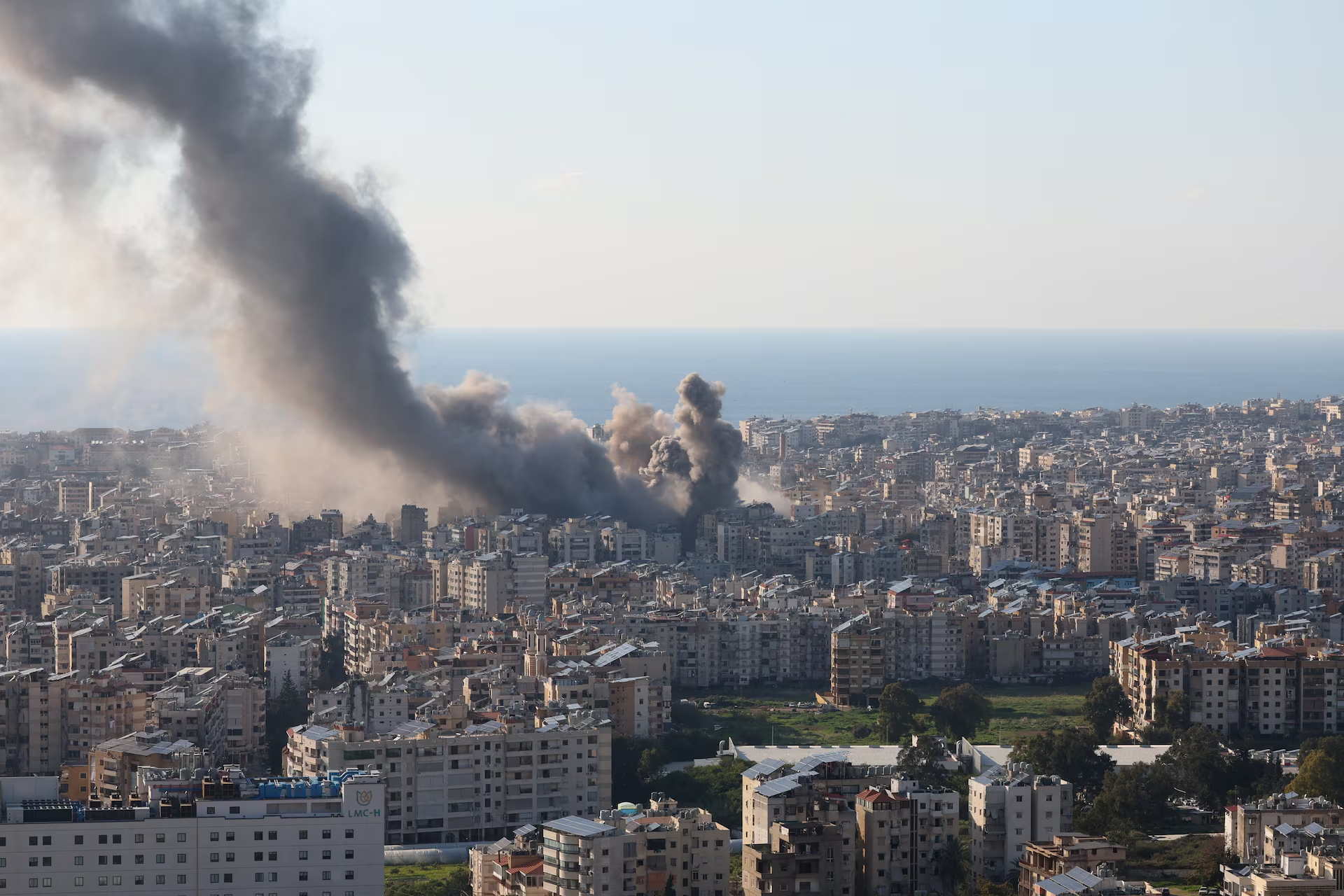
Limited Alternatives, Limited Comfort
Some Gulf producers do have partial workarounds—but none provide full relief.
Saudi Arabia can redirect a portion of exports through its East-West pipeline to the Red Sea. The United Arab Emirates operates the Habshan–Fujairah pipeline, bypassing Hormuz for some crude. Iraq has a northern pipeline through Turkey, though most of its exports still ship from Basra via Hormuz.
But not everyone has options. Kuwait, Qatar, and Bahrain remain entirely dependent on the strait. Even with alternative routes, analysts warn that a full shutdown would significantly disrupt global supply.
Iran itself produces over 3 million barrels per day, exporting much of it—largely to China—via terminals such as Kharg Island. Any strike on these facilities would escalate the crisis further.
In short, redundancy exists—but not enough to neutralize a sustained blockade.
Inflation: The Silent Export of War
Higher energy prices rarely stay confined to petrol pumps.
Fuel costs ripple through transportation, manufacturing, agriculture, and logistics. Fertilizer prices climb. Airlines raise fares. Grocery bills swell. What begins as a geopolitical standoff becomes an inflationary tax on households thousands of miles away.
For developing economies, the consequences are particularly harsh: weaker currencies, widening current account deficits, shrinking fiscal space, and heightened debt stress. Oil-importing countries cannot easily predict or control these shocks.
The world had only begun to see inflation stabilize after years of turbulence triggered by the pandemic and the Ukraine conflict. A major Middle East war risks reigniting price pressures globally.
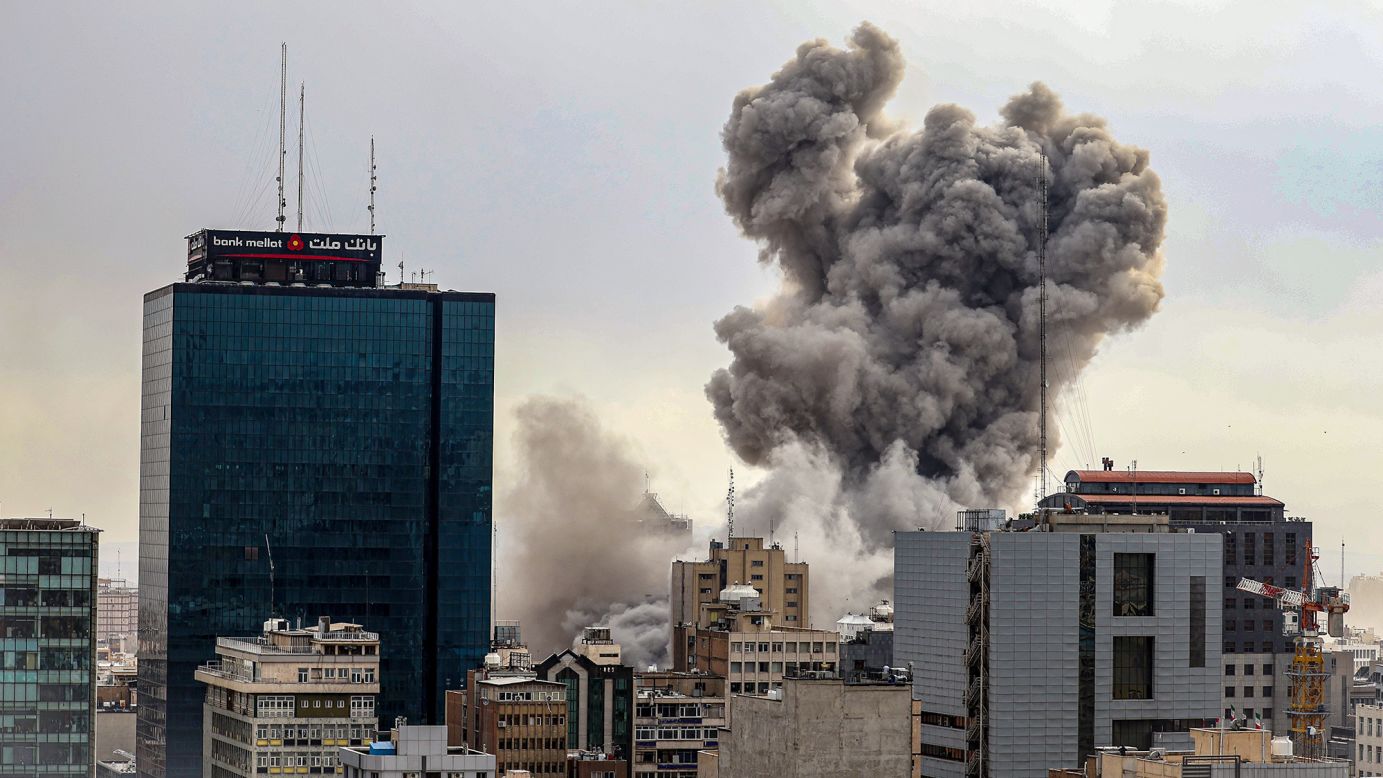
Financial Markets: Flight to Safety
Geopolitical crises rarely stay confined to oil pits. Financial markets react instantly.
When war risks rise, investors tend to exit equities and riskier assets, seeking safe havens such as gold and government bonds. Prolonged conflict could trigger stock volatility across Asia, Europe, and the United States, as investors brace for economic uncertainty.
Investor confidence is a fragile commodity. The Israel–Iran confrontation sits at the intersection of energy supply, maritime security, and nuclear tensions—a uniquely combustible mix.
Supply Chains: Fragile and Vulnerable
Global supply chains remain brittle after pandemic disruptions and Red Sea shipping attacks. A major conflict in the Gulf could disrupt shipments not only of oil, but also chemicals, refined fuels, and raw materials essential to manufacturing.
Factories from Europe to Asia could face shortages. Prices for electronics, industrial components, and fertilizers could spike. Delays would cascade through global production networks.
Trade routes through West Asia are deeply integrated with commerce linking Europe, Africa, Asia, and the Americas. Maritime insecurity undermines efforts toward resilient supply chains and “friend-shoring.” If sea lanes grow riskier, trade grows costlier—and protectionism becomes more tempting.
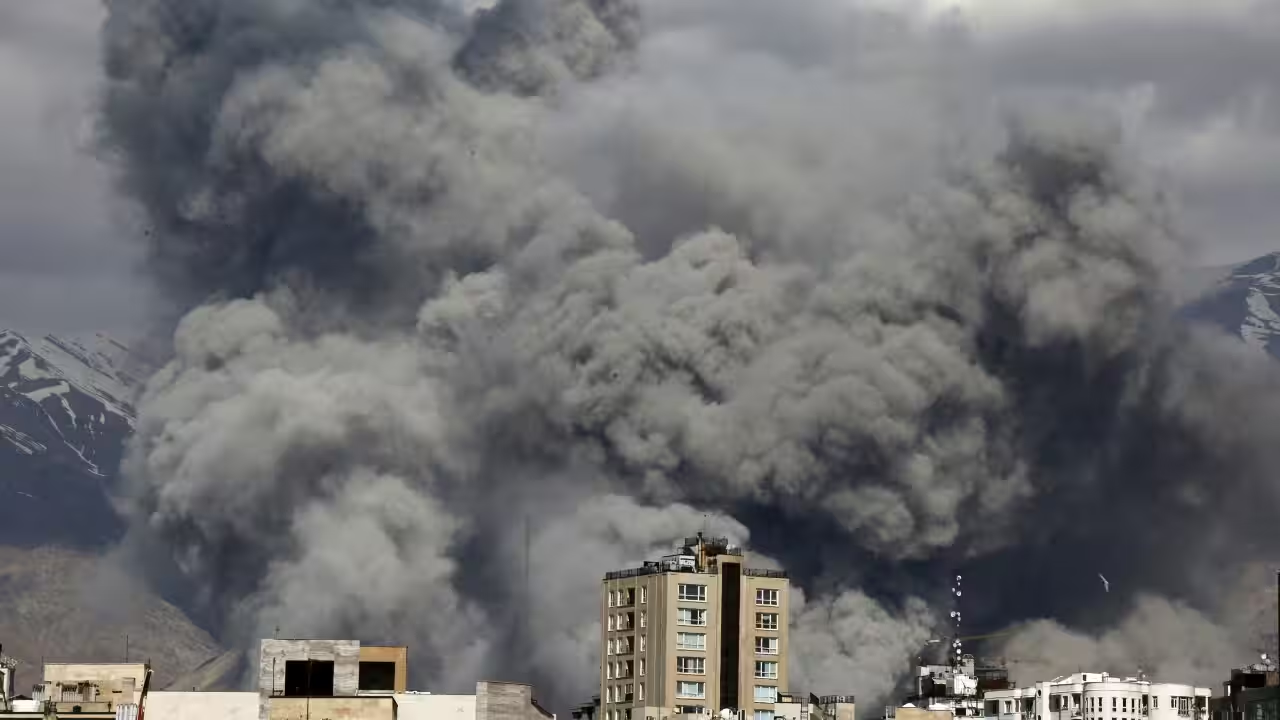
India: At the Epicenter of Economic Exposure
For India, the stakes are especially high.
India imports over 85% of its crude oil requirement, leaving it acutely sensitive to price volatility. While diversification—including increased purchases from Russia—has provided some insulation, a $10–15 per barrel increase in crude can materially alter India’s inflation outlook and complicate macroeconomic management.
The vulnerability extends beyond oil. Approximately 95% of India’s trade by volume and around 70% by value moves by sea. If maritime routes around West Asia become costlier or riskier, exports—from engineering goods and chemicals to textiles and electronics—will face immediate pressure.
Higher freight costs erode competitiveness. Delivery delays strain contracts. Insurance premiums cut into margins. For small and medium exporters operating on thin buffers, such shocks could be existential.
India also exports significant volumes of rice and imports large quantities of Gulf crude. Disruptions would therefore affect both outbound and inbound trade flows.
Strategically, India’s western ports are deeply integrated with routes passing through the Arabian Sea and Gulf waters. Instability here threatens not just energy security but broader trade ties with Europe, Africa, and the Americas.
Beyond Oil: Cyber Threats, Nuclear Risks, and Regional Escalation
Modern warfare extends far beyond physical battlegrounds.
Security experts warn of rising risks of cyber warfare targeting banking systems, power grids, and communication networks. Hostile cyber campaigns linked to geopolitical tensions have increased sharply in recent years, making digital infrastructure a new frontline.
There are also fears of regional escalation. Groups such as Hezbollah in Lebanon, militias in Iraq and Syria, or Houthi forces in Yemen could be drawn into the conflict, expanding it beyond a bilateral confrontation.
The specter of nuclear escalation looms large. Israel is widely believed to possess nuclear capabilities, while Iran’s nuclear program remains controversial. Rising tensions could intensify fears of nuclear proliferation across the Middle East.
And history shows that wars in this region often trigger massive humanitarian crises. Escalation could displace millions, reshape migration flows, and place pressure on neighboring states and even Europe.
A Structural Shift Toward Fragmentation?
Perhaps the most worrying possibility is that this conflict accelerates the fragmentation of the global economy.
As trade becomes riskier and energy more expensive, countries may turn inward—subsidizing domestic industries, erecting new trade barriers, and prioritizing strategic autonomy over efficiency. The cumulative result would be slower growth, higher inflation, and diminished trust in global markets.
What begins as a temporary disruption could solidify into a structural drift toward a less integrated, more volatile world economy.
What Can Be Done?
Diplomatically, de-escalation must remain the overriding priority—not just for peace, but for economic stability. The costs of prolonged conflict will not be confined to the region.
Economically, oil-importing nations must continue diversifying energy sources, expanding strategic petroleum reserves, and investing in resilient port and logistics infrastructure. Over the medium term, reducing oil intensity through energy transition is no longer merely a climate imperative—it is a geopolitical necessity.
Supply chain resilience, maritime security cooperation, and digital infrastructure protection must also move higher up policy agendas.
The Real Battlefield: Your Wallet
Conflicts today do not remain local. They travel through oil prices, shipping lanes, inflation indices, stock markets, and supermarket shelves.
The Iran–Israel confrontation is not just about territory or deterrence. It is about the architecture of global trade and the stability of household budgets worldwide.
Treating geopolitics and economics as separate spheres would be a costly error. If the Strait of Hormuz becomes a prolonged chokepoint, the ripple effects could reshape inflation trajectories, slow global growth, and deepen economic fragmentation for years to come.
The missiles may fall in West Asia—but the economic shockwaves will be felt everywhere.
With inputs from agencies
Image Source: Multiple agencies
© Copyright 2025. All Rights Reserved. Powered by Vygr Media.