
 By
By 
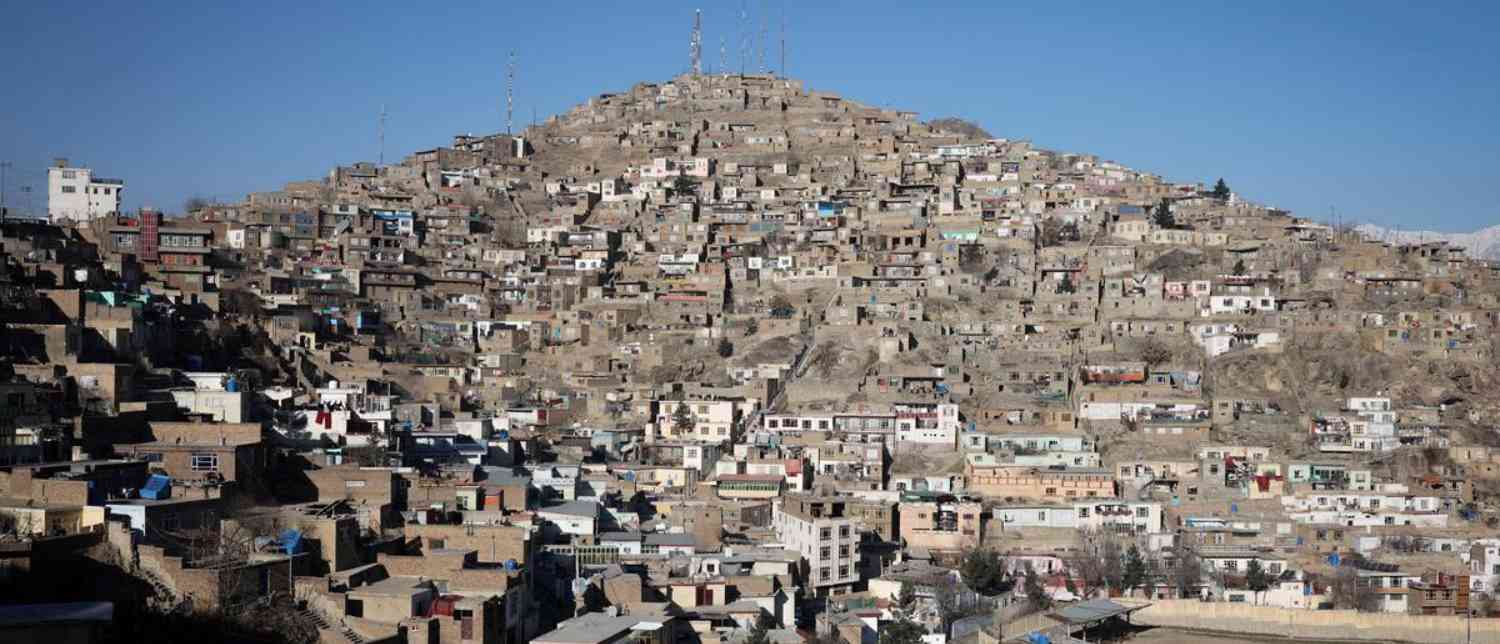
Tensions between Afghanistan and Pakistan have sharply intensified following a series of cross-border airstrikes, drone operations, and ground engagements. In a dramatic escalation, Afghanistan’s Ministry of National Defense under the Islamic Emirate announced that it had carried out targeted airstrikes on major Pakistani military installations — including the strategically significant Nur Khan Airbase in Rawalpindi.
The Afghan government described the strikes as a direct and proportionate response to Pakistani air raids on Afghan territory, including Kabul and Bagram. As both nations exchange accusations and casualty claims, the situation has spiraled into what Pakistan’s leadership has termed an “open war.”
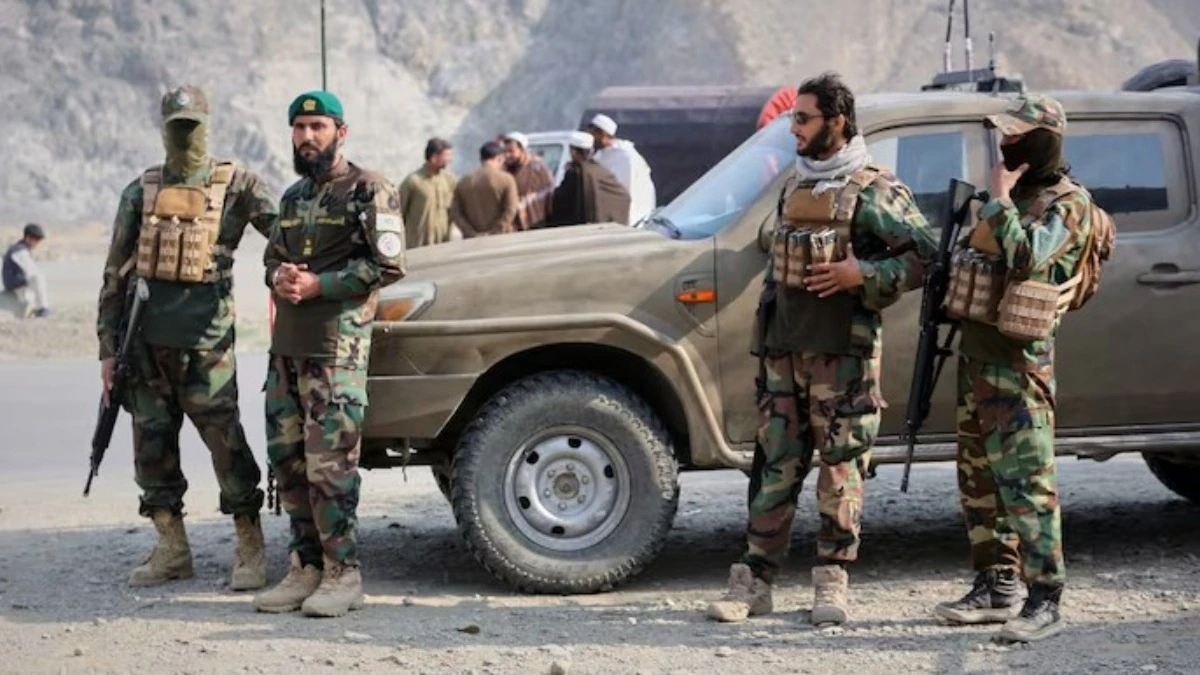
Afghan Air Force Targets Strategic Military Installations in Pakistan
In an official post on X (formerly Twitter), Afghanistan’s Ministry of National Defense confirmed that the Afghan Air Force conducted what it called “effective airstrikes” on key Pakistani military facilities.
According to the statement, the targeted sites included:
-
Nur Khan Airbase in Rawalpindi’s Chaklala area
-
The 12th Brigade base in Quetta, Balochistan
-
The Khoizai (also referred to as Khwazai/Khowizoo) Camp in Mohmand Agency, Khyber Pakhtunkhwa
-
Additional military sites housing important operational facilities and command centres
The ministry stated:
“The Air Force of the National Defense Ministry today once again carried out effective airstrikes on important military bases in Pakistan… These attacks resulted in significant damage to these targets.”
In a separate statement, the Afghan defence ministry emphasised that the operations were “precise and coordinated aerial operations” and claimed that preliminary assessments showed “significant damage to the intended targets.”
Afghanistan also shared a video of a kamikaze drone and images purportedly showing a Pakistani airbase.
Nur Khan Airbase: A Strategic Target with Recent History
The strike on Nur Khan Airbase is particularly significant given its strategic location and past vulnerabilities.
The base had already suffered substantial damage in May last year during India’s coordinated military action under Operation Sindoor. That operation was launched by the Indian Armed Forces in the early hours of May 7 in retaliation for the April 22 terror attack in Pahalgam, Jammu and Kashmir.
Satellite imagery captured by Maxar Technologies on May 13 revealed extensive damage to several Pakistani airbases, including:
-
Nur Khan Airbase
-
PAF Base Mushaf
-
Bholari Air Base
-
PAF Base Shahbaz
Comparative satellite images taken on April 25, 2025, and May 10, 2025, confirmed visible structural damage at Nur Khan Airbase, making it one of Pakistan’s most scrutinized defense installations in recent months.
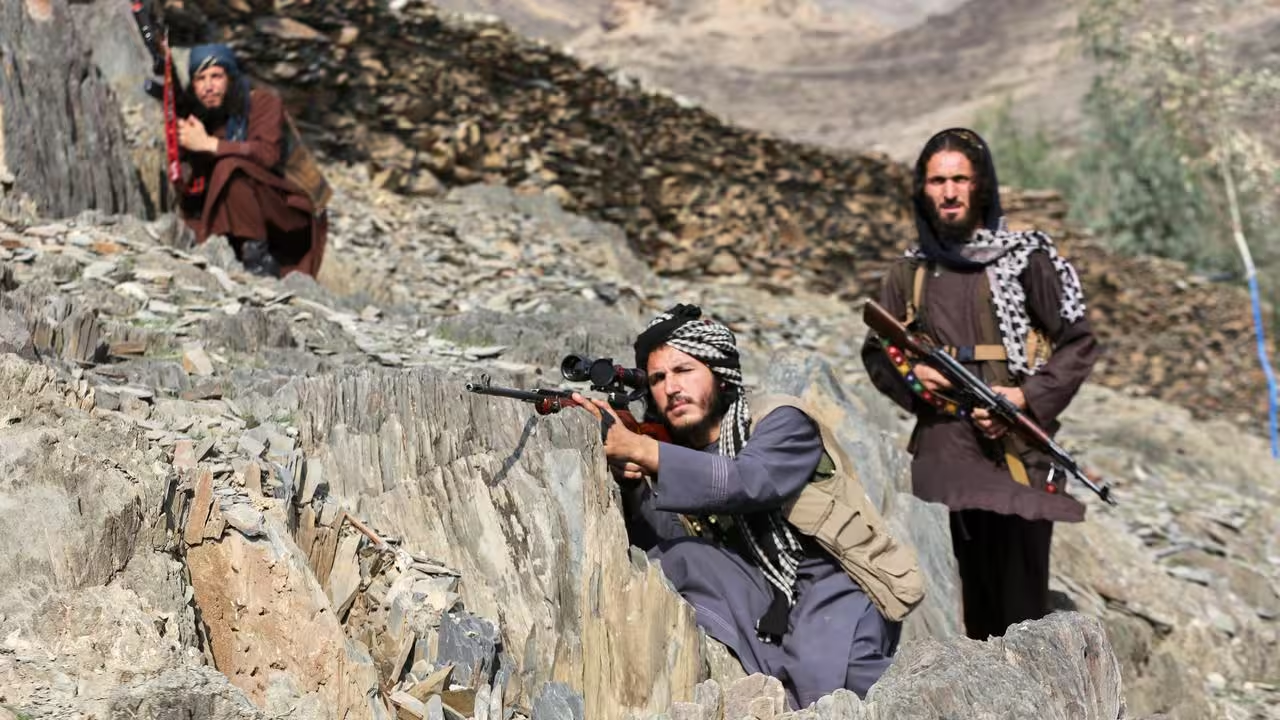
Afghanistan Says Strikes Were Retaliatory
Kabul insists its latest military action was launched in response to Pakistani airstrikes carried out “last night and today” on Afghan territory, including:
-
Kabul
-
Bagram Airbase
-
Other unspecified regions
The Afghan defence ministry stated:
“This operation was carried out in response to the airstrikes launched by the Pakistani army, which targeted Kabul, Bagram, and some other areas.”
It further warned that any violation of Afghan airspace or “lack of respect by the evil parties in Pakistan” would be met with a strong and decisive response.
Pakistan Declares “Open War”
The situation escalated further after Pakistan bombed major Afghan cities, including Kabul. Pakistan’s defence minister, Khawaja Asif, declared that the two countries were in “open war” following months of tit-for-tat clashes.
Asif stated that Pakistan had made efforts to normalise relations through diplomacy and engagement with friendly countries but claimed that the Taliban government had become “a proxy for India.”
Pakistan launched retaliatory strikes under an operation named Operation Ghazab lil Haq, targeting Kabul, Kandahar, and Paktia early Friday after Afghan forces attacked several border check posts.
Pakistan acknowledged bombing Kabul and Kandahar — the latter being home to Afghanistan’s supreme leader — and claimed:
-
Over 270 Taliban fighters killed
-
More than 400 injured
Later statements from Pakistan’s information minister, Attaullah Tarar, indicated that 46 locations across Afghanistan had been hit since the operation began. Pakistan also claimed to have killed 415 Afghan soldiers, while reporting 12 Pakistani soldiers dead.
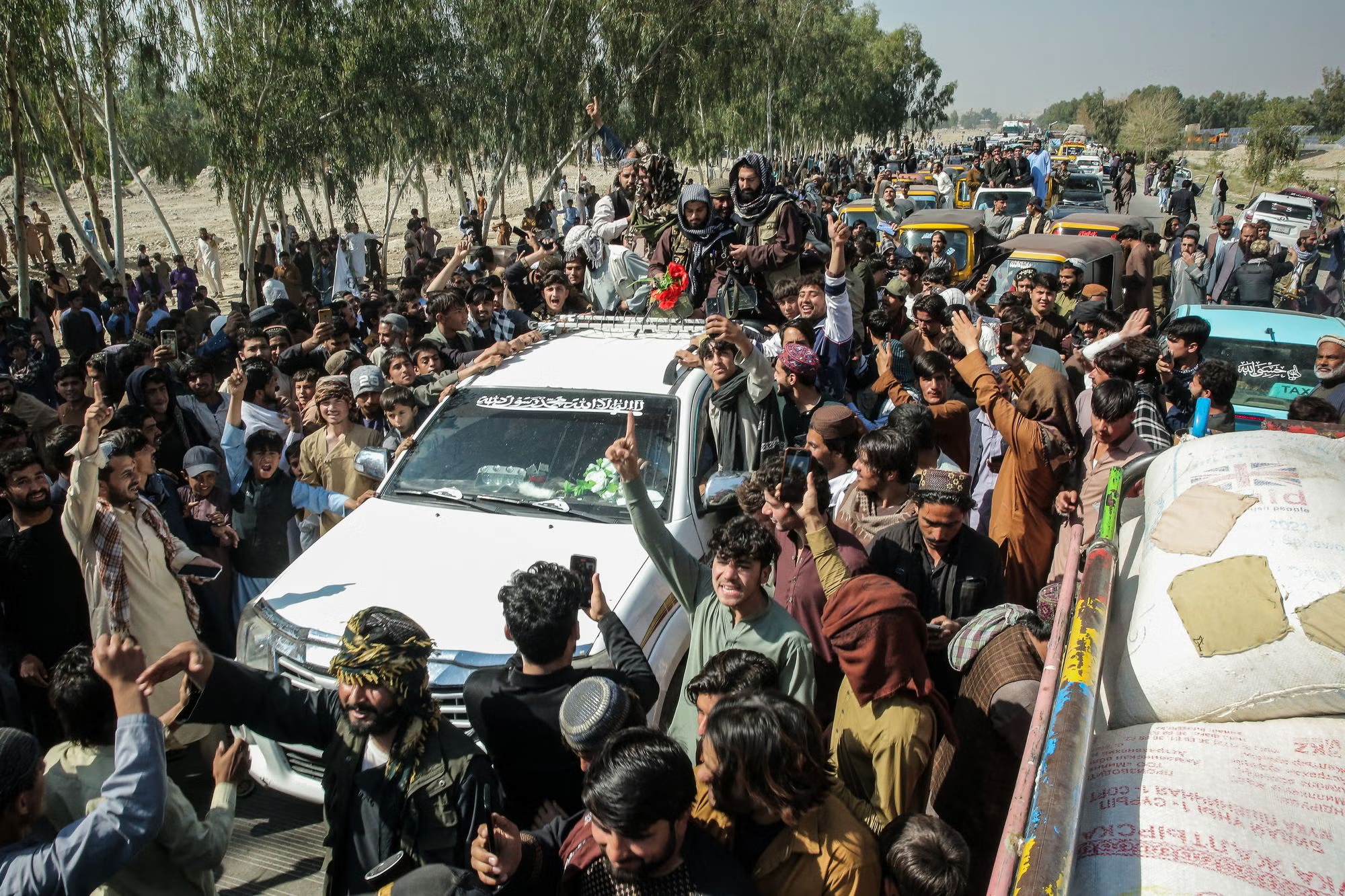
Afghan Counterclaims and Casualty Figures
Afghanistan has strongly disputed Pakistan’s narrative.
Taliban government spokesman Zabihullah Mujahid said Afghan forces killed 55 Pakistani soldiers and targeted what he described as “important military objectives” inside Pakistan.
Deputy spokesperson Hamdullah Fitrat stated that Pakistani fire had killed 36 civilians across multiple Afghan provinces since Thursday — a claim Islamabad has not commented on.
Fitrat also said:
-
More than 80 Pakistani soldiers were killed
-
27 Pakistani military posts were captured
Earlier, Afghanistan had placed its own troop death toll at 13.
Casualty claims from both sides remain difficult to independently verify.
Thwarted Airstrike on Bagram Airbase
Afghanistan also claimed to have successfully repelled a Pakistani airstrike attempt on Bagram Airbase — the former US military base located north of Kabul.
According to a statement from Parwan province police headquarters, several Pakistani military jets entered Afghan airspace around 5am and attempted to bomb the airbase.
Afghan forces reportedly responded using anti-aircraft and missile defense systems, successfully thwarting the attack. Pakistan has not immediately responded to this claim.
Security presence in Kabul increased significantly, with more checkpoints visible in the city center.
Border Clashes and the Durand Line Dispute
The conflict stretches across the 2,611-kilometer border between the two countries, known as the Durand Line — a boundary Kabul has never formally recognized.
Residents in Khost and Nangarhar provinces reported sporadic clashes, while heavy fighting was confirmed overnight in Paktia province. At the Torkham border crossing, a key transit point for Afghan returnees from Pakistan, further exchanges of fire were reported.
Afghanistan also claimed to have shot down a Pakistani fighter jet over Jalalabad and captured its pilot alive. Police and military spokesmen, including Wahidullah Mohammadi, confirmed the claim. Pakistan dismissed the jet crash report as “totally untrue.”
Broader Security Concerns and Militant Activity
The escalating conflict has alarmed the international community, particularly given the continued presence of militant groups such as Al-Qaeda and Islamic State
Islamabad has accused Kabul of failing to curb militant groups responsible for attacks in Pakistan — allegations that the Taliban government denies.
Many recent attacks inside Pakistan have been claimed by Tehreek-e-Taliban Pakistan (TTP), which has escalated operations since the Taliban returned to power in Kabul in 2021.
Analysts note that this week’s escalation marks the first time Pakistan has focused airstrikes on Afghan government facilities, representing a significant shift from previous operations that Islamabad claimed targeted militant hideouts.
Diplomatic Efforts Fail to Secure Ceasefire
Despite diplomatic outreach involving countries such as Saudi Arabia and Qatar, attempts to broker a ceasefire have so far failed.
As cross-border attacks continue into a fourth day, the risk of a prolonged military confrontation looms large. With both sides exchanging drone strikes, missile fire, and ground offensives — and issuing sharply conflicting casualty figures — the situation remains volatile and unpredictable.
A Dangerous Escalation
The strikes on Nur Khan Airbase and other key military sites signal one of the most serious escalations in Afghanistan-Pakistan relations in recent years. With claims of hundreds killed, major airbases targeted, and fighter jets allegedly shot down, the conflict has moved beyond sporadic border skirmishes into a broader military confrontation.
As diplomatic efforts struggle to gain traction and both governments double down on their narratives, the region stands at a critical crossroads — one that could either lead to de-escalation through negotiation or spiral into deeper instability across South Asia.
With inputs from agencies
Image Source: Multiple agencies
© Copyright 2025. All Rights Reserved. Powered by Vygr Media.