 By
By 
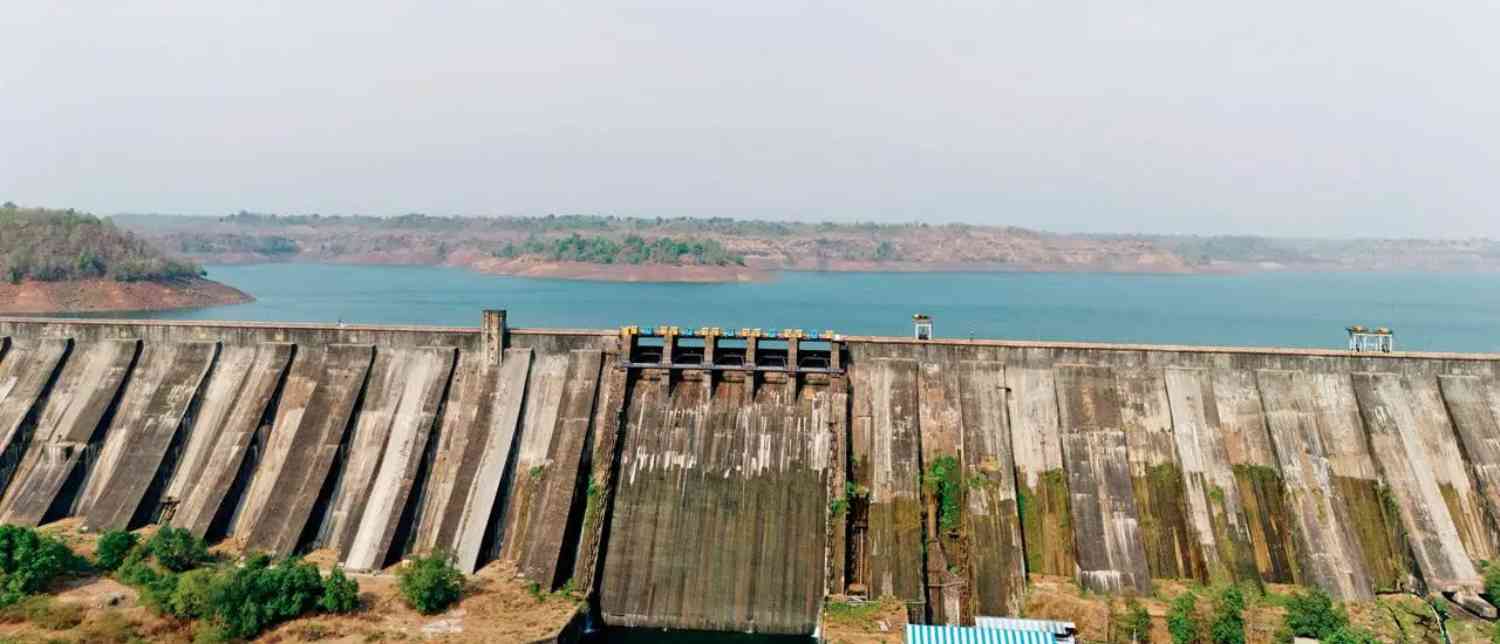
Mumbai: India's financial capital is staring at a growing water crisis as reservoir levels continue to shrink ahead of the full onset of the monsoon, while an indefinite strike by water tanker operators has threatened to disrupt supplies for thousands of housing societies, commercial establishments, railway facilities, and offices across the city.
According to the latest data released by the Brihanmumbai Municipal Corporation (BMC), Mumbai's seven lakes, which provide drinking water to the metropolis, held just 1,96,141 million litres (ML) of usable water as of June 7, representing 13.55% of their total live storage capacity of 14,47,363 ML. The declining reserves, coupled with the suspension of tanker services, have intensified concerns about how Mumbai will meet its water needs until substantial monsoon rainfall arrives.
Water Stocks Continue to Decline
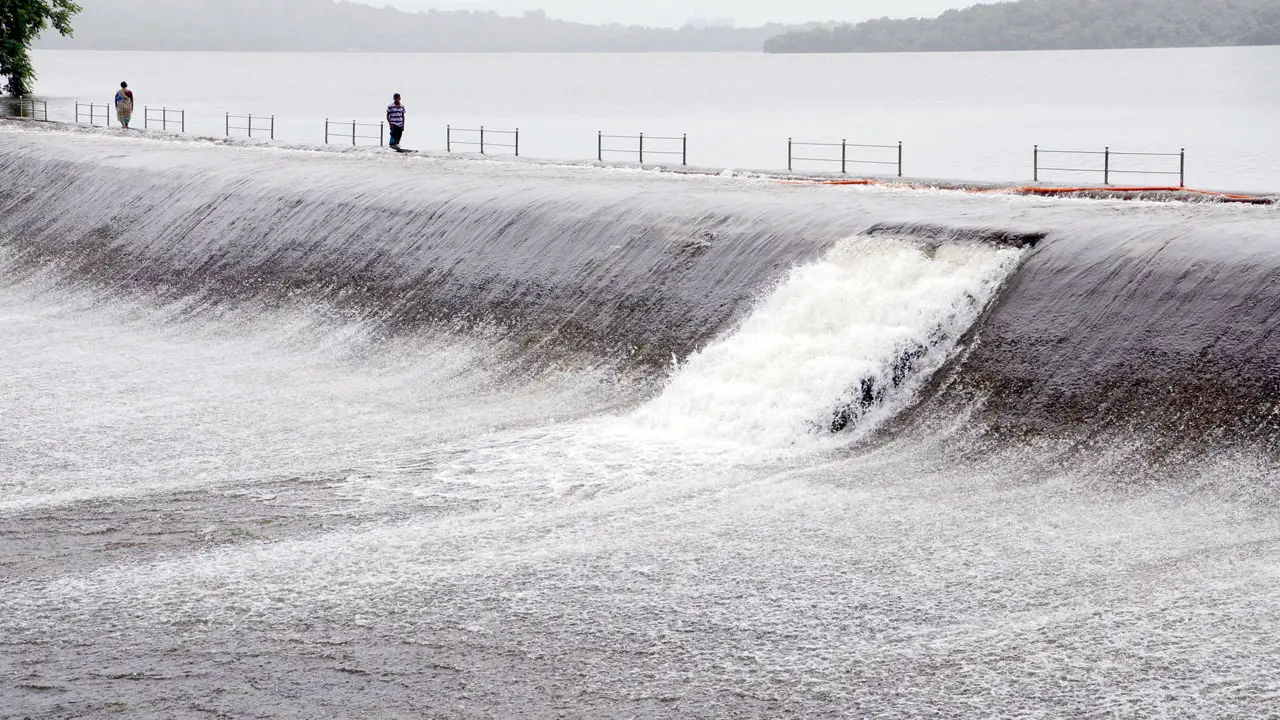
The city's reservoir levels have fallen sharply as the monsoon remains delayed and catchment areas receive little rainfall. Although the current storage is better than previous years, authorities remain concerned about the pace of depletion.
On the same date in 2025, the seven lakes held 1,60,138 ML, equivalent to 11.06% of capacity. In 2024, storage had fallen even lower to 91,861 ML, or 6.35% of capacity.
Among the seven reservoirs supplying Mumbai:
-
Bhatsa Lake contained 91,337 ML, accounting for 12.74% of its useful storage.
-
Modak Sagar held 43,260 ML, or 33.55% of capacity.
-
Middle Vaitarna stored 34,573 ML, representing 17.86% capacity.
-
Tansa Lake contained 12,646 ML, or 8.72%.
-
Vehar Lake recorded 12,254 ML, the highest percentage-wise storage at 44.24%.
-
Tulsi Lake held 2,070 ML, equivalent to 25.73% capacity.
-
Upper Vaitarna, however, had exhausted its useful live storage, with water levels effectively at zero.
The BMC also noted that water releases from Middle Vaitarna began on November 30, 2025, while releases from Upper Vaitarna were halted on June 2, 2026 due to depleted reserves.
Rainfall in the catchment regions has been negligible so far. Among the seven lake areas, only Tansa recorded measurable rainfall, receiving just 13 mm since the onset of the monsoon season. No significant precipitation was reported in the remaining catchment zones.
BMC Continues Water Cuts
With reservoir levels declining steadily, the BMC has continued the 10% water cut imposed across Mumbai from May 15.
Officials have repeatedly urged residents to use water judiciously as authorities monitor reservoir levels and await stronger monsoon activity.
The situation is particularly concerning because the city's reservoirs must sustain Mumbai's massive population until substantial rainfall replenishes supplies. While storage figures remain higher than those recorded during the corresponding period in the previous two years, officials note that they are still below normal seasonal expectations.
Tanker Strike Compounds the Crisis
The city's water concerns escalated further when the Mumbai Water Tanker Association (MWTA) announced an indefinite suspension of services beginning midnight on June 7.
The strike immediately affected areas heavily dependent on tanker deliveries, exposing Mumbai's growing reliance on private water suppliers to bridge gaps in municipal supply.
Housing societies, commercial establishments, industries, offices, railway stations, and infrastructure projects reported disruptions as tanker operators withdrew services.
The strike is linked to disputes over groundwater extraction regulations and compliance requirements imposed by authorities under Central Ground Water Authority (CGWA) norms.
Tanker operators have argued that the implementation of these regulations has been excessively harsh and impractical for Mumbai's conditions.
According to the association, the 2020 CGWA guidelines require:
-
A minimum of 200 square metres of open space around each well.
-
Proof of property ownership.
-
Installation of digital flow meters.
-
Various no-objection certificates (NOCs).
Operators contend that meeting such requirements is nearly impossible in Mumbai's densely developed urban environment.
The association has also accused authorities of selectively enforcing groundwater regulations and unfairly targeting tanker operators whose services remain critical to the city.
Housing Societies Already Feeling the Impact
Even before the strike officially began, several residential complexes reported severe anxiety over water availability.
Among the worst-hit is Jolly Makers Housing Society in Cuffe Parade, where residents say municipal supply is insufficient and private tankers are essential for daily functioning.
Residents reported that routine activities such as cooking, cleaning, and sanitation could become difficult if tanker services remain unavailable.
The concerns highlight a broader issue facing Mumbai's housing societies, many of which depend on tanker water to supplement BMC supplies, particularly during the summer months when reservoir levels decline.
The tanker shutdown has triggered fears that thousands of families could face prolonged shortages if a resolution is not reached quickly.
_1781115076.jpg)
Political Reactions Intensify
The crisis has also triggered political debate.
Aaditya Thackeray, MLA from the Shiv Sena (UBT), publicly backed the tanker association and criticised the state government for allowing the situation to escalate.
He argued that Mumbai was already facing water shortages and that actual water cuts in some areas were reportedly more severe than the officially announced 10%.
Thackeray questioned the logic of taking action against tanker operators at a time when the city is struggling with diminishing reservoir levels.
He further claimed that the situation could have been mitigated had the government's decision to discontinue a proposed desalination project in 2022 not occurred. According to him, the project could have become operational by 2025 and provided an additional source of water supply during the current shortage.
A Recurring Dispute
The current agitation is not the first confrontation between tanker operators and authorities.
In April 2025, the tanker association had launched another indefinite suspension after the BMC issued notices to well owners demanding compliance with revised groundwater regulations and CGWA approvals.
At that time, operators maintained that CGWA permissions were required only for drinking water extraction and not for the non-potable water supplied through many tanker services. Civic authorities, however, insisted that groundwater extraction without proper approvals would attract regulatory action.
The compliance deadline was later deferred, temporarily easing tensions. However, unresolved issues have resurfaced this year, culminating in the present strike.
Delayed Monsoon Raises Stakes
The ongoing crisis has been exacerbated by uncertainty surrounding the monsoon.
In 2025, the southwest monsoon arrived in Mumbai on May 26, approximately 16 days earlier than normal, helping improve reservoir levels significantly. By contrast, monsoon arrival dates in recent years have typically fallen between June 6 and June 9, and substantial rainfall has yet to materialise this season.
The delayed onset has left reservoir replenishment lagging behind expectations and heightened concerns that water stocks could come under greater pressure if heavy rains do not arrive soon.
City's Water Security Under Scrutiny
Mumbai's current predicament underscores the city's dependence on a delicate combination of reservoir storage, groundwater extraction, and private tanker networks.
While the available water stock remains higher than levels recorded in both 2024 and 2025, experts and residents alike warn that the combination of shrinking lake reserves, delayed rainfall, and tanker disruptions exposes vulnerabilities in the city's water infrastructure.
For now, authorities continue to appeal for water conservation while awaiting monsoon rains. However, with reservoir storage down to just 13.55%, Upper Vaitarna effectively exhausted, and tanker services disrupted, Mumbai faces an increasingly difficult challenge in ensuring uninterrupted water supply for millions of residents in the weeks ahead.
With inputs from agencies
Image Source: Multiple agencies
© Copyright 2026. All Rights Reserved. Powered by Vygr Media.