 By
By 
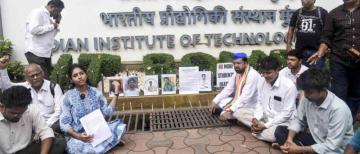
New Delhi: Education reform activist Sonam Wangchuk has ended his 26-day indefinite hunger strike after the Centre provided a series of written assurances on key demands raised by protesting students and civil society groups. However, the larger movement led by the Campaign for Justice in Public Exams (CJP) is far from over, with nationwide demonstrations scheduled for Friday as protesters continue to seek accountability over alleged examination irregularities and broader education reforms.
Wangchuk, who had been fasting in solidarity with students protesting the alleged NEET-UG paper leak and other examination-related controversies, announced that his decision followed extensive negotiations with the government and was also influenced by concerns over possible violence if the agitation escalated further.
"This was done after a long negotiation on various conditions and in view of possible violence in the country," Wangchuk said, adding that he would soon release a detailed explanation of the agreement while urging supporters to maintain peace.
Government assurances paved the way
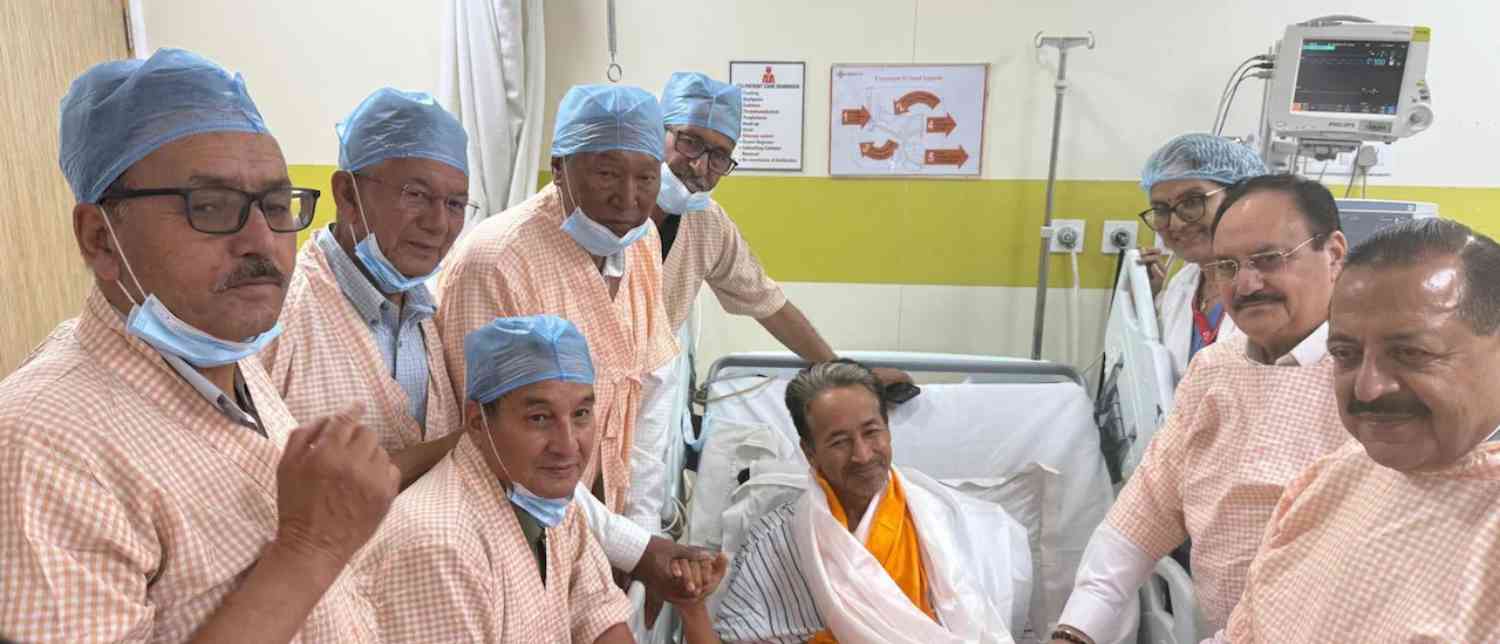
The breakthrough came after senior Union ministers met Wangchuk and conveyed the Centre's commitments on several issues raised by protesters. According to multiple reports, the government assured that no criminal cases would be filed against peaceful demonstrators participating in the movement. It also promised stronger institutional measures to tackle examination paper leaks and restore public confidence in the country's competitive examination system.
Prime Minister Narendra Modi also addressed the controversy, reiterating the government's commitment to protecting the integrity of public examinations. He assured students that stricter legal measures against those involved in paper leaks would be introduced and that reforms aimed at improving transparency and accountability in competitive examinations would be expedited.
Reports indicate that discussions between the Centre and Wangchuk continued for several days before a consensus was reached. Government representatives reportedly convinced the activist that meaningful dialogue would be more productive than allowing the situation to intensify further.
Why Wangchuk decided to end his fast
Wangchuk's hunger strike had become one of the defining symbols of the nationwide student movement that emerged after allegations of large-scale irregularities in public examinations.
Although many protesters had demanded the resignation of Union Education Minister Dharmendra Pradhan, Wangchuk explained that his decision to end the fast was driven by broader concerns. He said preventing violence, securing concrete commitments from the government and keeping the focus on systemic education reforms were more important than prolonging his fast indefinitely.
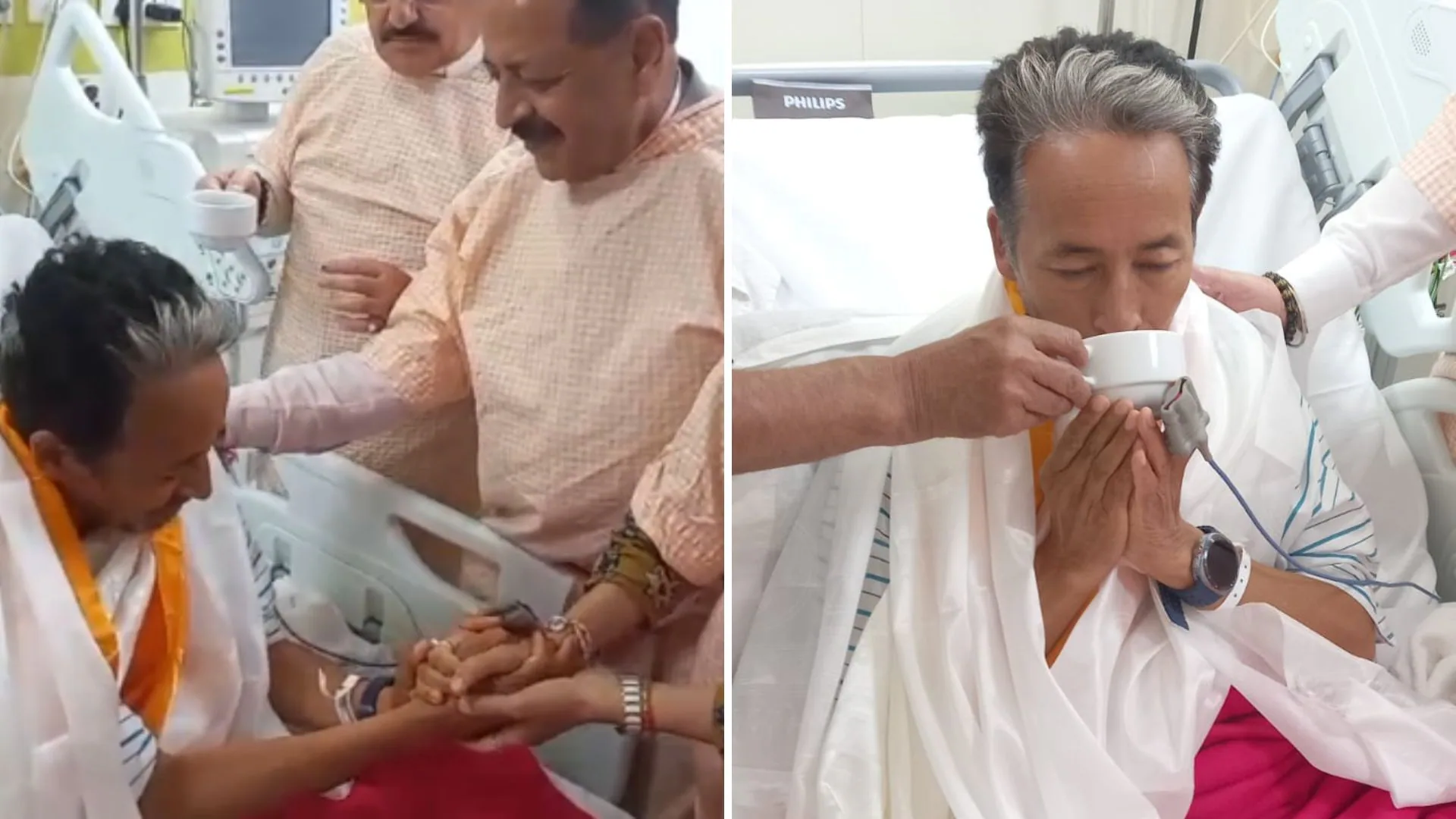
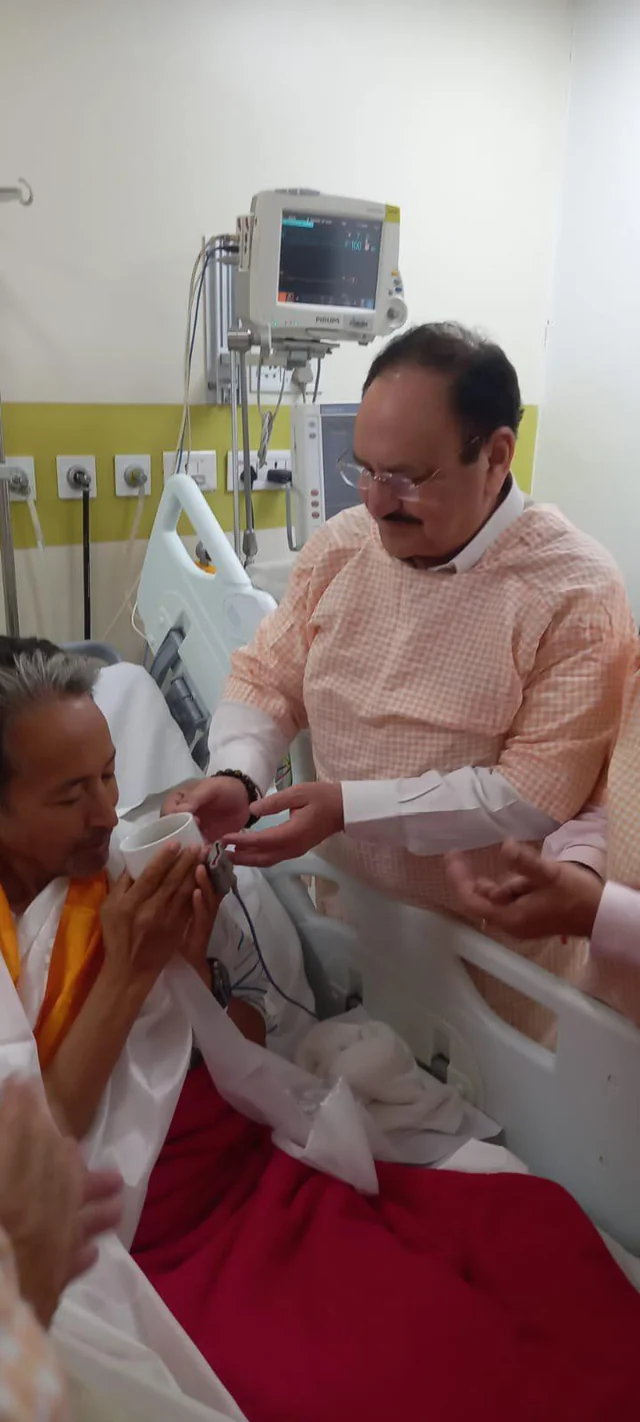
Visuals released after the announcement showed Union ministers J.P. Nadda and Jitendra Singh helping Wangchuk break his fast in the presence of his family and supporters. Doctors had reportedly been closely monitoring his health after nearly four weeks without food.
CJP refuses to call off agitation
Despite Wangchuk ending his fast, the Campaign for Justice in Public Exams (CJP) has made it clear that the movement will continue.
The organisation has called for nationwide protests and public demonstrations, arguing that the government's assurances represent only the beginning of the reform process. Student leaders maintain that they will continue pressing for accountability, institutional reforms and action against those responsible for examination irregularities.
CJP leaders have also reiterated their demand for the resignation of Education Minister Dharmendra Pradhan, insisting that peaceful protests will continue until meaningful political accountability is established.
According to organisers, Friday's demonstrations are expected to take place in multiple cities across the country, with students, parents and civil society organisations participating in coordinated protests.
Movement extends beyond NEET controversy
While the protests were initially triggered by allegations surrounding the NEET-UG paper leak, the movement has gradually evolved into a broader campaign demanding comprehensive reforms in India's examination system.
Protesters argue that recurring paper leaks, alleged irregularities in recruitment examinations and concerns over transparency have eroded public trust in competitive examinations. Many students have called for stronger anti-paper leak laws, faster investigations, improved security protocols and greater accountability from examination authorities.
The Centre has indicated that several policy initiatives are already under consideration, including tougher penalties for organised examination fraud and measures aimed at safeguarding future entrance examinations.

A movement built on non-violence
Throughout the protest, Wangchuk consistently appealed for peaceful demonstrations and democratic dialogue. Even while announcing the end of his hunger strike, he urged supporters not to resort to violence and to remain disciplined during future protests.
His message appeared aimed at ensuring that public support for the movement remains focused on education reforms rather than confrontation with authorities.
Student organisations have similarly stated that upcoming protests will remain peaceful while maintaining pressure on the government to implement its commitments within a clear timeline.
Political and public response
The developments have triggered mixed reactions across the political spectrum. Government leaders have described Wangchuk's decision as an opportunity for constructive engagement, while opposition parties have argued that the protests exposed deep concerns among students regarding the country's examination system.
Education experts say the episode has highlighted longstanding issues surrounding examination governance, recruitment processes and institutional credibility. They note that restoring confidence will require not only stricter laws but also consistent implementation, technological safeguards and transparent investigations whenever irregularities occur.
What lies ahead
Although Wangchuk's fast has ended, the broader student movement now enters a new phase.
The government's written assurances have temporarily eased tensions, but protest organisers insist that their campaign will continue until concrete reforms are implemented. The coming weeks are expected to test whether the Centre follows through on its promises regarding anti-paper leak legislation, protection for peaceful protesters and wider examination reforms.
For thousands of students who joined demonstrations across the country, Wangchuk's decision marks not the conclusion of the movement but a strategic shift from symbolic protest to sustained public pressure. With nationwide demonstrations already underway and negotiations expected to continue, education reform is likely to remain at the centre of national political discourse in the weeks ahead.
With input from agencies
Image Source: Multiple agencies
© Copyright 2026. All Rights Reserved. Powered by Vygr Media.