 By

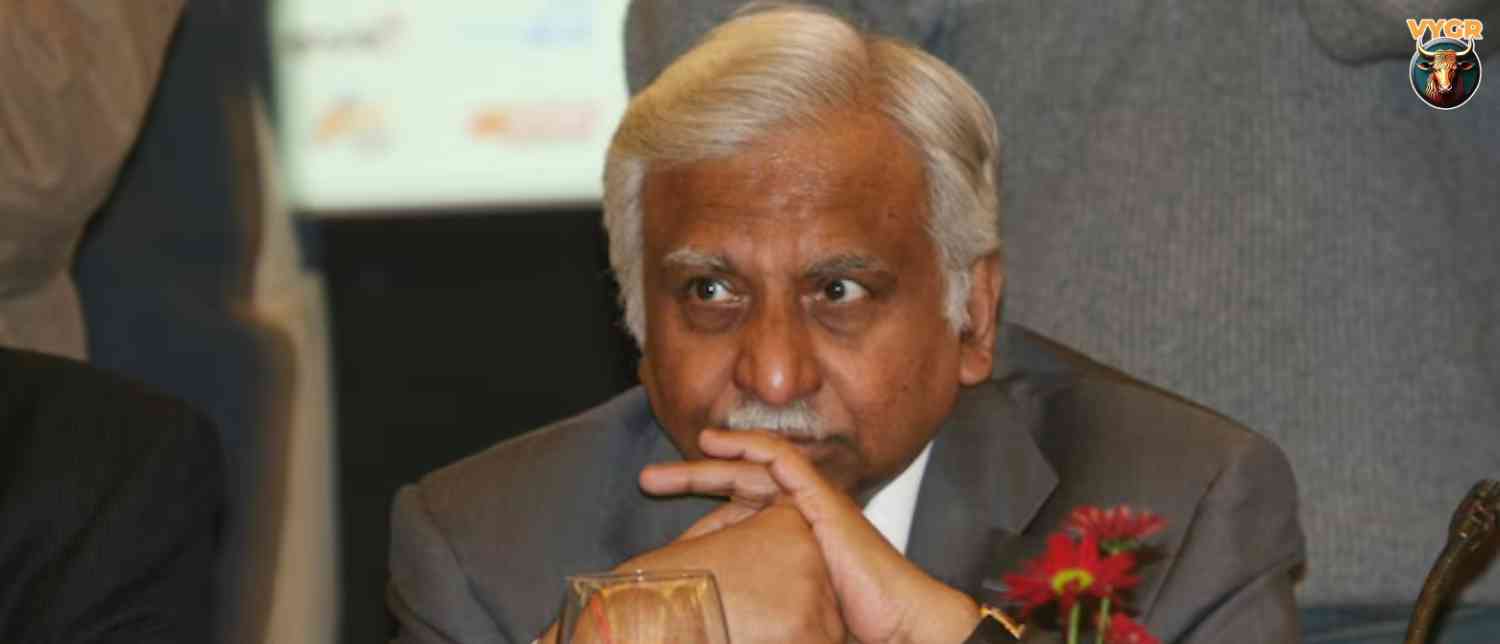
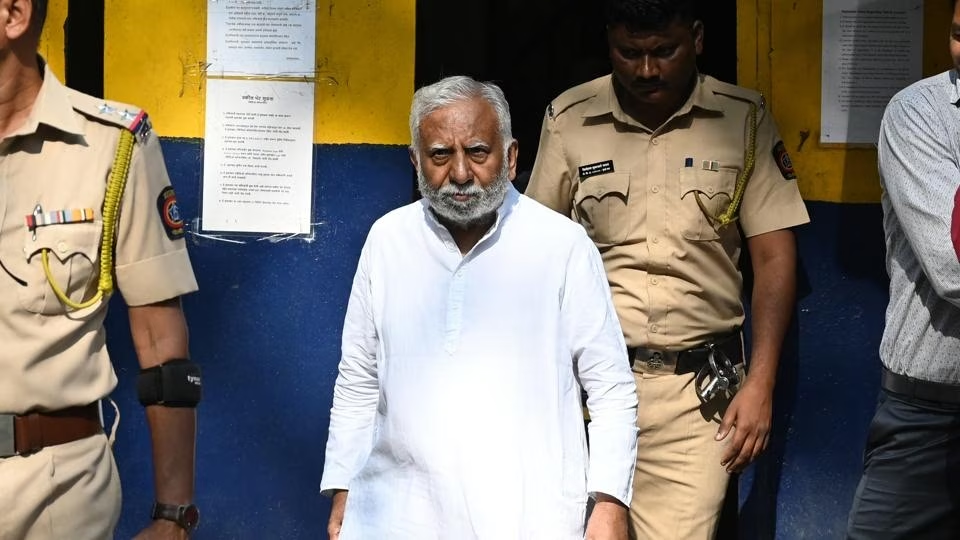
The Bombay High Court has cleared the way for Jet Airways founder Naresh Goyal to travel abroad for medical consultation without having to seek permission from the trial court first. The court observed that it would be “absolutely unjust” to deny him an opportunity to travel for medical consultation without delay, given his ailments, which include cancer. The observation underlines how courts weigh the right to health against concerns about flight risk in serious financial cases.
What the High Court Said
The court’s central point was that medical consultation should not be held up by procedural delay. Goyal suffers from several health problems, including cancer, and the court felt that sending him back to the trial court for another round of permission could cost him valuable time. It therefore observed that denying him the chance to travel abroad promptly would be absolutely unjust.
The reasoning reflects a principle the same court has applied before in his case: that a person in custody or facing trial still has a right to medical treatment and to dignity.
Background: The Case Against Goyal
Goyal was arrested by the Enforcement Directorate in September 2023 under the Prevention of Money Laundering Act. The agency alleges that he laundered money and siphoned off loans worth about Rs 538.62 crore given to Jet Airways by Canara Bank. The case grew out of a Central Bureau of Investigation FIR against the airline, Goyal, his wife Anita and some former executives of the now-grounded carrier.
He has denied wrongdoing and has repeatedly sought relief on health grounds.
His Health and Earlier Relief
Goyal’s medical situation has been at the centre of several court hearings:
- In early 2024, tests showed malignancy. A special court refused interim bail but allowed him to be treated at a hospital of his choice for two months.
- In May 2024, the Bombay High Court granted him interim bail for two months on medical grounds. It noted that a prisoner has the right to treatment to preserve his health, and it called it audacious to hold that he was not sick. His wife, Anita Goyal, who was also suffering from cancer, died shortly afterwards.
- He later sought extensions of that relief, saying his health remained poor.
The Travel Question and Look Out Circulars
Goyal later asked for permission to travel to London for specialised consultations and treatment. The special court gave a nod in principle, but he told the High Court that he would not travel immediately because several look-out circulars, which flag a person at airports, were still operative against him. The Enforcement Directorate opposed his travel, saying he is a flight risk and that the investigation and trial are ongoing.
That is the background to the latest observation. The court was dealing with the practical problem that permission on paper means little if the person cannot leave the country, and that sending him from one forum to another causes delay.
Why the Court Allowed It
Several factors appear to have weighed with the judges:
- The severity of his illness: Cancer and other ailments make timely consultation important.
- Avoiding delay: The court was unwilling to let procedure stand in the way of treatment.
- Right to health: Courts treat access to medical care as part of the right to life and dignity.
- Conditions can protect the case: Courts commonly attach safeguards when allowing travel, such as deposits, surrender of travel documents, a fixed return date or an undertaking to cooperate. The specific conditions in this order should be checked in the full text.
The Enforcement Directorate’s Concerns
The agency has argued that Goyal is a flight risk and that medical grounds should not be used to delay the trial. It has also said that he can receive treatment in India. Courts have to balance these concerns against the possibility of serious harm if treatment is delayed, and this order shows that the balance tipped towards medical need.
What This Means
For Goyal, the observation removes a procedural hurdle and could allow him to seek treatment abroad without further delay. For the wider legal system, it is another example of the principle that serious illness can justify flexibility even in cases involving large financial allegations. It does not decide the guilt or innocence of the accused. The money laundering case continues separately.
What to Watch Next
-
The exact conditions attached to his travel
- Whether the lookout circulars are suspended or addressed
- Any challenge or request for safeguards from the Enforcement Directorate
- The progress of the trial against him
Frequently Asked Questions
Why can Naresh Goyal travel abroad without the trial court’s permission? The Bombay High Court observed it would be absolutely unjust to deny him an opportunity to go abroad for medical consultation without delay, given his ailments, including cancer.
What is Goyal accused of? The Enforcement Directorate alleges that he laundered money and siphoned off bank loans of about Rs 538.62 crore.
Has he been found guilty? No. The case is under trial.
Why was travel an issue earlier? Lookout circulars against him were still active, and the agency opposed his travel, citing flight risk.
Where does he want to go for treatment? Earlier submissions said he needed specialised consultations and treatment in London.
© Copyright 2026. All Rights Reserved. Powered by Vygr Media.