 By
By 
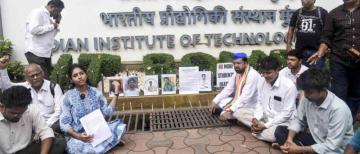
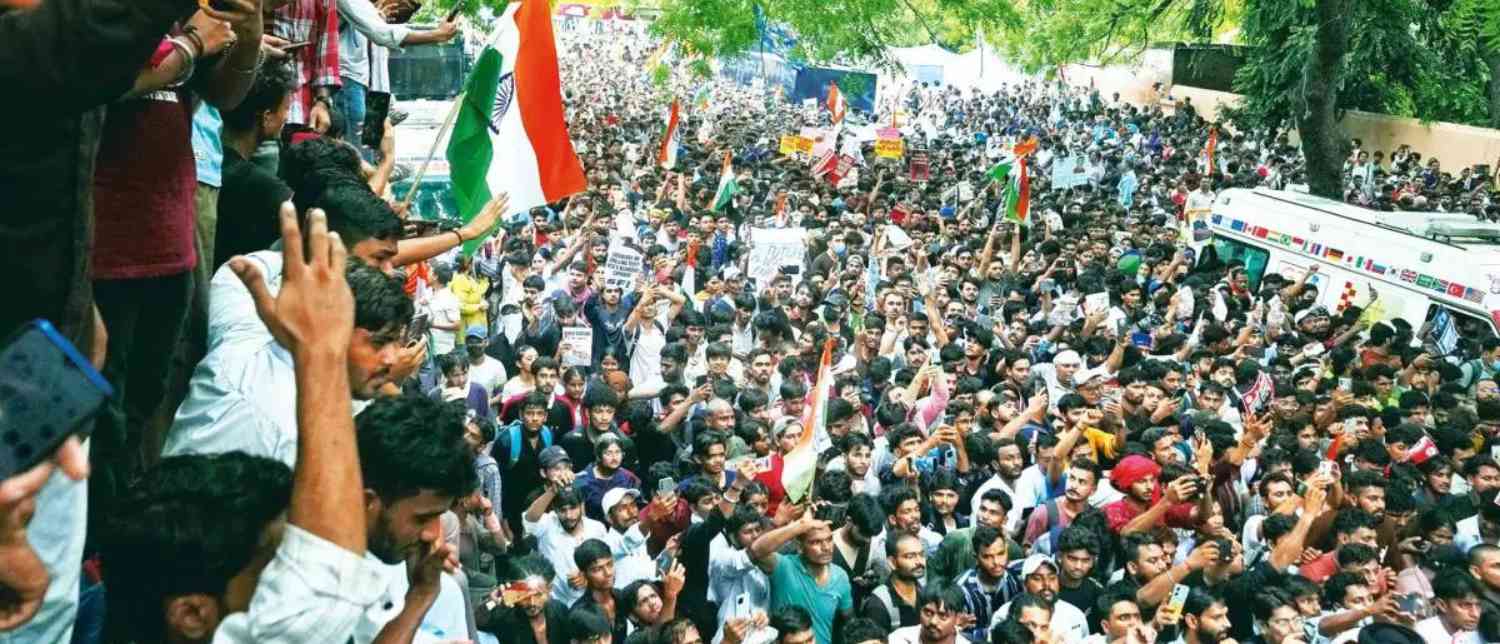
India has witnessed countless protests over the decades, but only a few have managed to transcend their immediate cause and evolve into a larger public conversation. The ongoing student-led movement at Delhi's Jantar Mantar appears to be one such moment. What began as outrage over alleged irregularities in the NEET examination has gradually transformed into a broader demand for accountability, transparency, and respect for democratic rights.
The significance of the protest lies not merely in the slogans demanding the resignation of the Union Education Minister or calls for sweeping reforms in the examination system. Its real importance stems from the growing sense among young Indians that competitive examinations—the very gateway to their aspirations—have become increasingly vulnerable to systemic failures. When trust in that gateway begins to crumble, the consequences extend far beyond a single examination or a single academic year.
This is no longer just about NEET. It is about the credibility of public institutions.
An Examination Crisis That Refuses to End
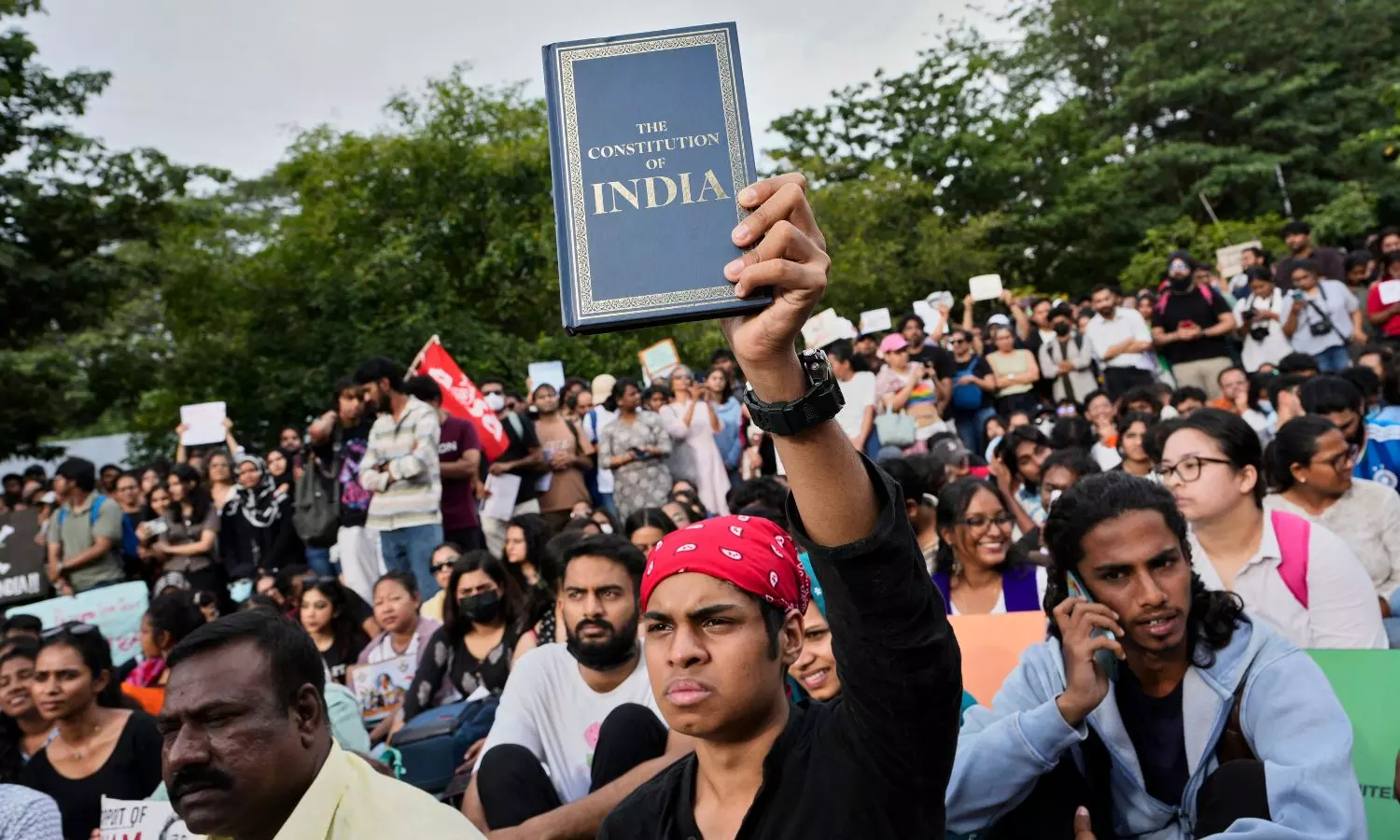
For millions of Indian students, competitive examinations are not simply tests. They represent years of sacrifice, financial investment, emotional resilience, and family expectations. Many students dedicate two or three years exclusively to preparing for examinations such as NEET, often postponing every other aspect of life.
Any allegation of paper leaks, irregularities, or unfair evaluation therefore carries enormous consequences. Even the perception that merit has been compromised is enough to shake confidence among candidates who have invested years of effort.
The current protests reflect accumulated frustration rather than a spontaneous emotional reaction. Many students argue that repeated controversies surrounding national examinations have weakened confidence in the institutions responsible for conducting them. Their demands include greater transparency, stronger safeguards against examination fraud, and clear accountability whenever lapses occur.
Whether every allegation ultimately withstands judicial or administrative scrutiny is a separate matter. The more pressing concern is that a significant section of India's youth no longer believes that existing mechanisms adequately protect fairness.
Trust, once lost, is difficult to restore.
More Than Political Slogans
Large public protests are often dismissed as politically motivated. Such assumptions may offer convenient explanations, but they rarely capture the complete picture.
The demonstrations at Jantar Mantar have drawn support from students, parents, professionals, doctors, educators, and civil society groups. Climate activist Sonam Wangchuk's prolonged hunger strike further expanded public attention towards the movement before authorities shifted him to a hospital, citing medical necessity.
The movement's appeal lies in its central message rather than its leadership. Young people are questioning whether the institutions responsible for determining educational futures are sufficiently transparent, responsive, and accountable.
That question deserves answers instead of labels.
Reducing every student protest to partisan politics risks overlooking genuine grievances. Democracies function best when criticism is examined rather than automatically dismissed.
The Images That Changed the Narrative
Every protest reaches a defining moment.
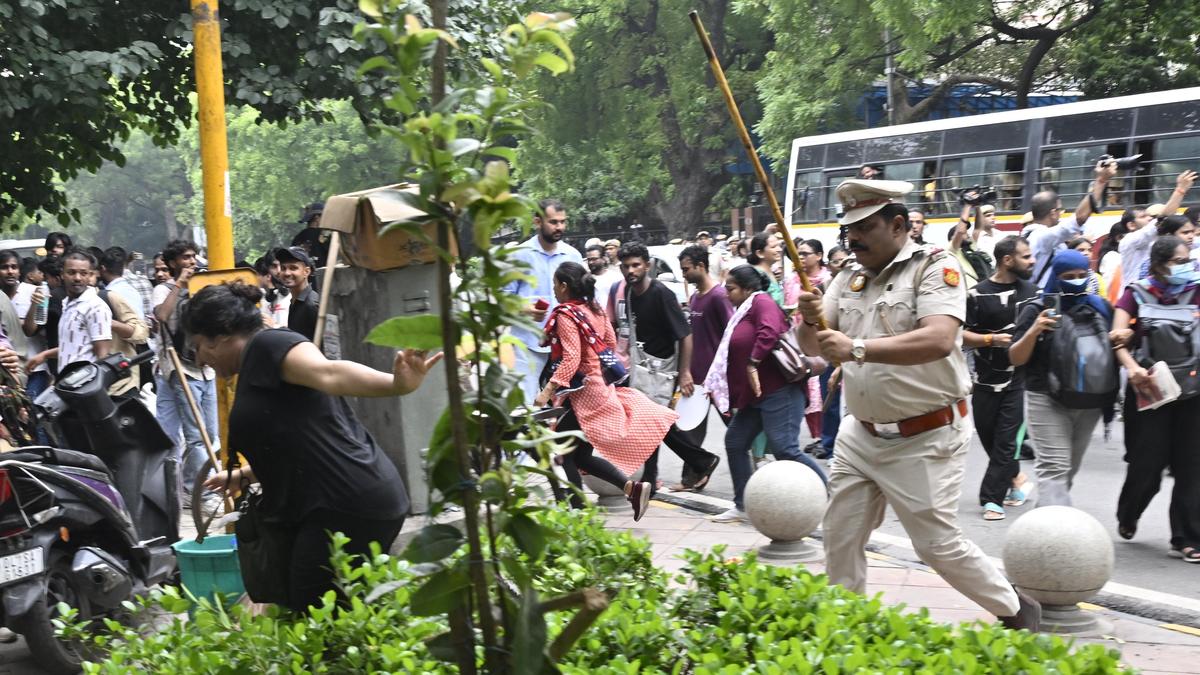
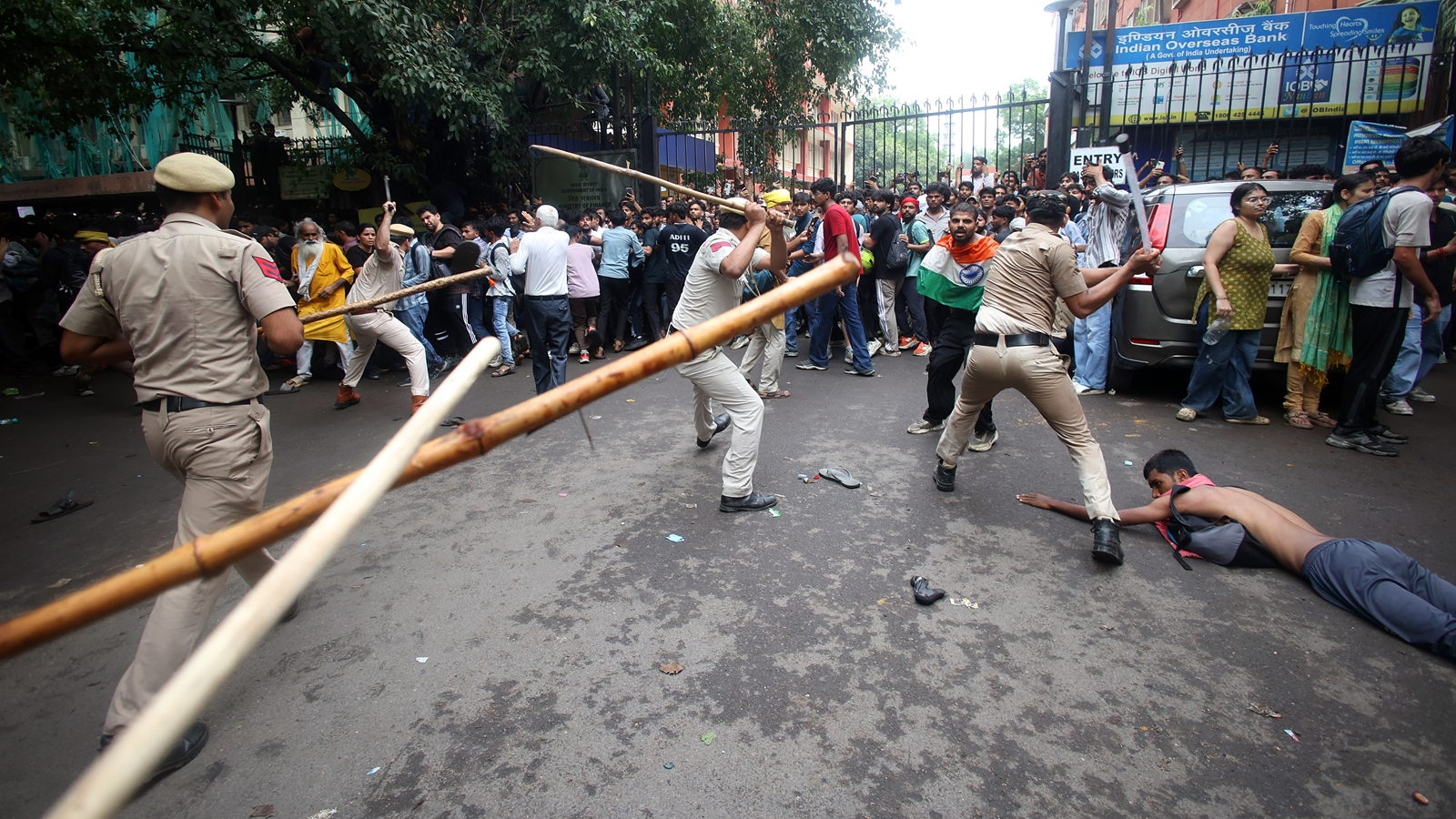
For this movement, that moment came during the attempted march towards Parliament, when clashes erupted between protesters and police. Reports indicated the use of batons and tear gas after demonstrators attempted to move beyond permitted areas. Numerous injuries were reported among protesters and police personnel alike.
Public opinion often shifts not because of speeches but because of images.
Visuals showing injured students rapidly spread across social media, generating emotional responses far beyond Delhi. For many observers, the debate moved beyond examination reforms and entered the realm of democratic rights.
Questions naturally emerged. Could the confrontation have been prevented? Were all available avenues for dialogue exhausted?
Did the response proportionately balance law enforcement with citizens' right to peaceful assembly? Such questions are legitimate in any democracy and deserve careful examination rather than polarised reactions.
A Democracy Must Be Comfortable With Dissent
India's democratic tradition has always accommodated public protests. From the freedom movement to anti-corruption campaigns and numerous social movements, peaceful demonstrations have often influenced public policy.
The right to protest is not unlimited. Governments have an obligation to maintain public order and ensure safety. Equally, citizens possess constitutional freedoms to peacefully express disagreement.
Finding that balance is never easy.
International human rights organisations have expressed concern regarding the handling of the Jantar Mantar protests, arguing that peaceful demonstrators should not face unnecessary restrictions or excessive force. Amnesty International stated that the reported crackdown raises serious concerns regarding freedom of peaceful assembly and expression.
At the same time, authorities maintain that security measures become necessary whenever demonstrations threaten to move beyond approved locations or risk disrupting public order. Both perspectives deserve consideration.
What should never become acceptable, however, is allowing communication to collapse entirely. Dialogue remains the most effective tool for preventing confrontation.
The Real Crisis Is Institutional Trust
Educational institutions derive their legitimacy not merely from legal authority but from public confidence. Every examination conducted fairly strengthens that confidence. Every controversy weakens it.
Students can accept failure. What they struggle to accept is uncertainty.
When examination systems repeatedly face allegations of irregularities, the burden falls upon institutions to demonstrate transparency rather than expecting unquestioning trust. This requires more than press conferences.
Independent investigations, prompt disclosure of findings, stronger technological safeguards, faster grievance redressal, and clear accountability for administrative failures all become essential components of rebuilding credibility.
Silence rarely restores confidence. Transparency often does.
India's Youth Are Asking Bigger Questions
The current protests also reflect broader anxieties extending beyond education.
Many young Indians face intense competition for limited opportunities. Employment remains a significant concern even for highly qualified graduates. Under such circumstances, every competitive examination assumes extraordinary importance.
An examination controversy therefore becomes symbolic of larger uncertainties. Students increasingly question whether effort alone guarantees opportunity.
That perception, regardless of whether it is entirely accurate, carries profound implications for social cohesion. Meritocracy functions only when participants believe the rules apply equally to everyone.
If confidence in those rules begins to erode, frustration inevitably follows. The anger visible at Jantar Mantar should therefore be understood within the wider context of youth aspirations, employment challenges, and institutional accountability.
Why Listening Matters More Than Winning
Governments often confront difficult choices during mass protests. Making immediate concessions may encourage future demonstrations.
Ignoring protesters may deepen resentment. Neither extreme offers sustainable solutions.
Effective governance requires distinguishing between politically manufactured unrest and authentic public concern. Student movements deserve particular attention because they frequently reflect emerging social realities before broader society fully recognises them.
Listening should never be interpreted as weakness. Nor should engagement be viewed as surrender. Public confidence increases when governments demonstrate willingness to hear criticism while firmly maintaining constitutional processes.
The objective should not be to defeat protesters. It should be to resolve underlying grievances.
The Need for Comprehensive Examination Reform
India's examination ecosystem requires structural reforms extending well beyond one particular controversy.
Several measures deserve serious consideration.
-A stronger digital security framework to prevent paper leaks.
-Independent auditing of examination processes.
-Time-bound investigations into irregularities.
-Enhanced protection for whistleblowers.
-Transparent publication of inquiry findings.
-Clear accountability whenever administrative negligence is established.
-Regular external reviews of examination agencies.
-Better communication with students during crises.
Technology can certainly strengthen examination security, but technology alone cannot substitute institutional credibility. Ultimately, transparency remains the most effective antidote to suspicion.
Beyond Immediate Demands
Even if the present agitation eventually subsides, the underlying issues are unlikely to disappear without meaningful reform.
Young people are demanding more than administrative changes. They seek assurance that their years of hard work will not be undermined by failures beyond their control.
They seek confidence that merit will remain meaningful. They seek institutions capable of earning—not merely expecting—public trust.
These expectations are neither unreasonable nor unattainable. They represent the minimum standards expected from a modern education system.
The Road Ahead
The Jantar Mantar protests should not be remembered solely for clashes, political accusations, or viral videos.
They should instead serve as a reminder that education is ultimately built on trust. Students trust examination authorities to conduct fair assessments.
Parents trust institutions to protect merit. Society trusts governments to ensure accountability.
When any one of those relationships weakens, the consequences ripple across generations. The immediate controversy surrounding NEET will eventually fade from newspaper headlines.
What must not fade is the urgency of restoring confidence in India's educational institutions. History repeatedly shows that nations thrive when their young people believe opportunity is earned through talent and hard work rather than luck or systemic flaws.
The voices emerging from Jantar Mantar, regardless of political interpretations, reflect an unmistakable desire for fairness. That aspiration deserves thoughtful engagement, credible reform, and sustained institutional commitment.
Because the future of Indian education cannot rest solely on examinations. It must also rest on trust.
With input from agencies
Image Source: Multiple agencies
© Copyright 2026. All Rights Reserved. Powered by Vygr Media.