 By
By 
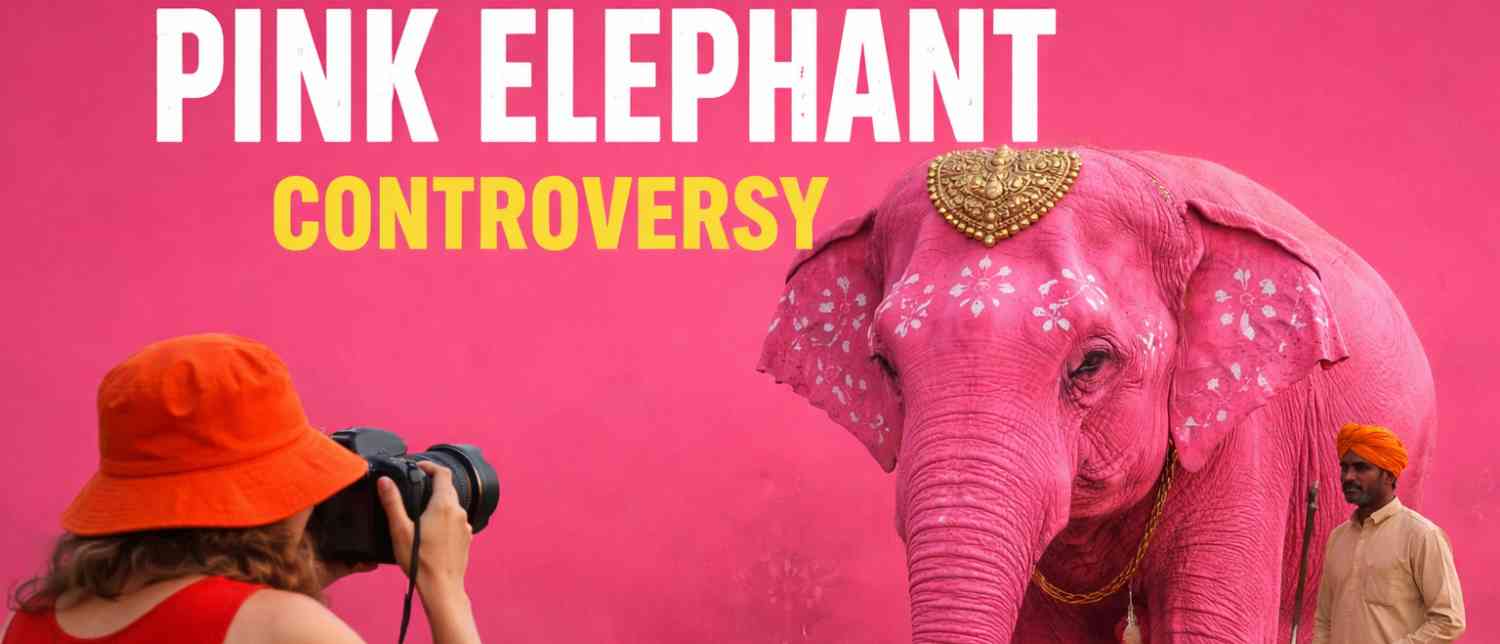
A striking set of images showing a bright pink elephant walking through the streets of Jaipur has ignited widespread outrage across India and beyond, placing a Russian photographer at the center of a growing storm over animal ethics, artistic boundaries, and accountability. What began as a viral visual spectacle has now evolved into a deeply unsettling controversy—one that took a darker turn after revelations that the elephant featured in the photoshoot died barely a month later.
The incident has sparked anger among animal rights activists, prompted official inquiries, and triggered an intense online debate about exploitation masked as creativity.
The Viral Images That Sparked Outrage
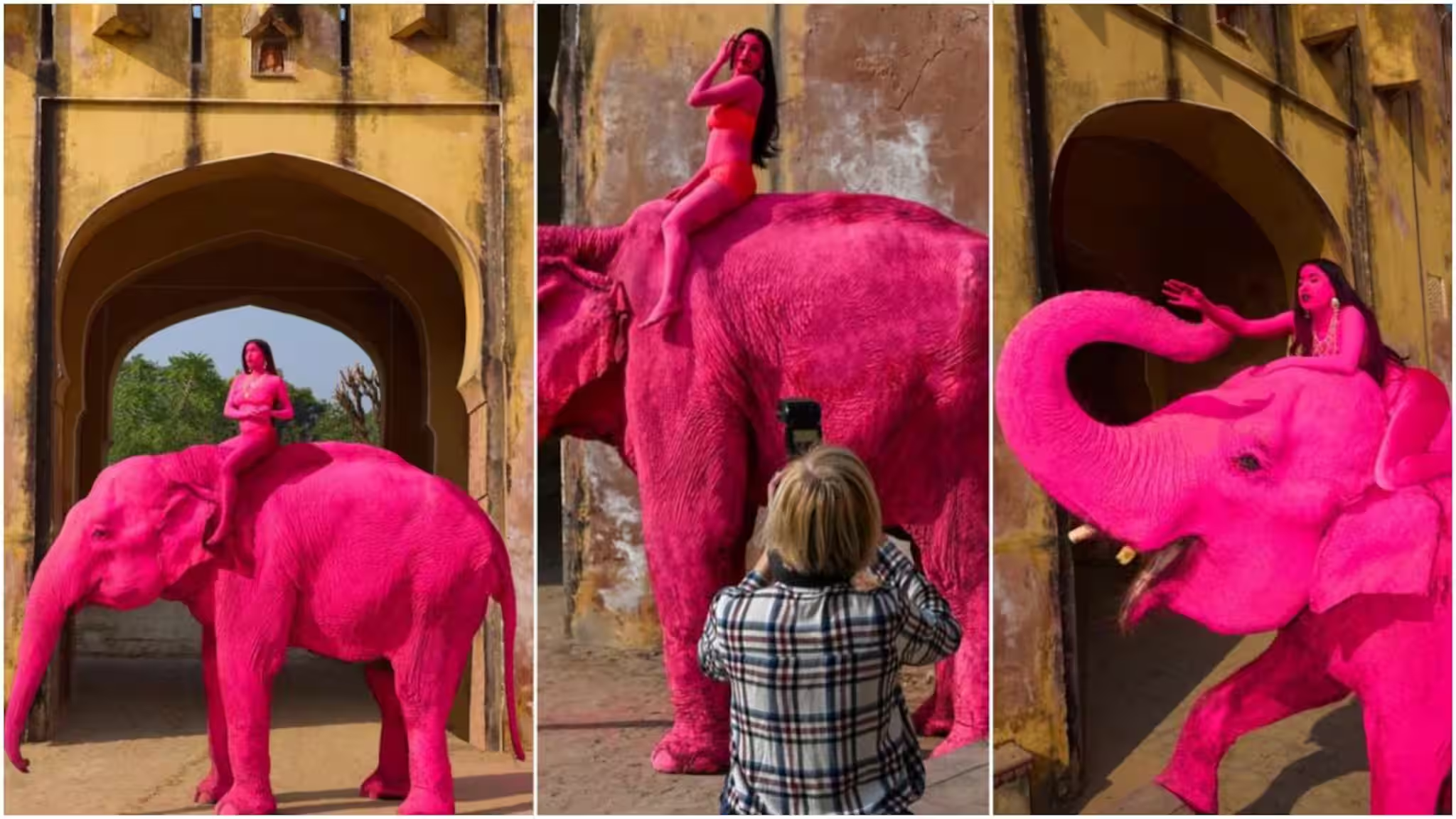
The controversy erupted after photographs and videos surfaced online showing an elephant painted in vivid pink hues, adorned with decorative motifs, and being used as a prop in a stylized photoshoot in Jaipur. The visuals, shared widely across social media platforms, were intended as an artistic statement but were quickly met with backlash.
The photographer behind the shoot was identified as Russian artist Julia Buruleva, who reportedly specializes in conceptual and surreal imagery. Her work often blends bold aesthetics with unconventional subjects, but this particular project crossed a line for many viewers.
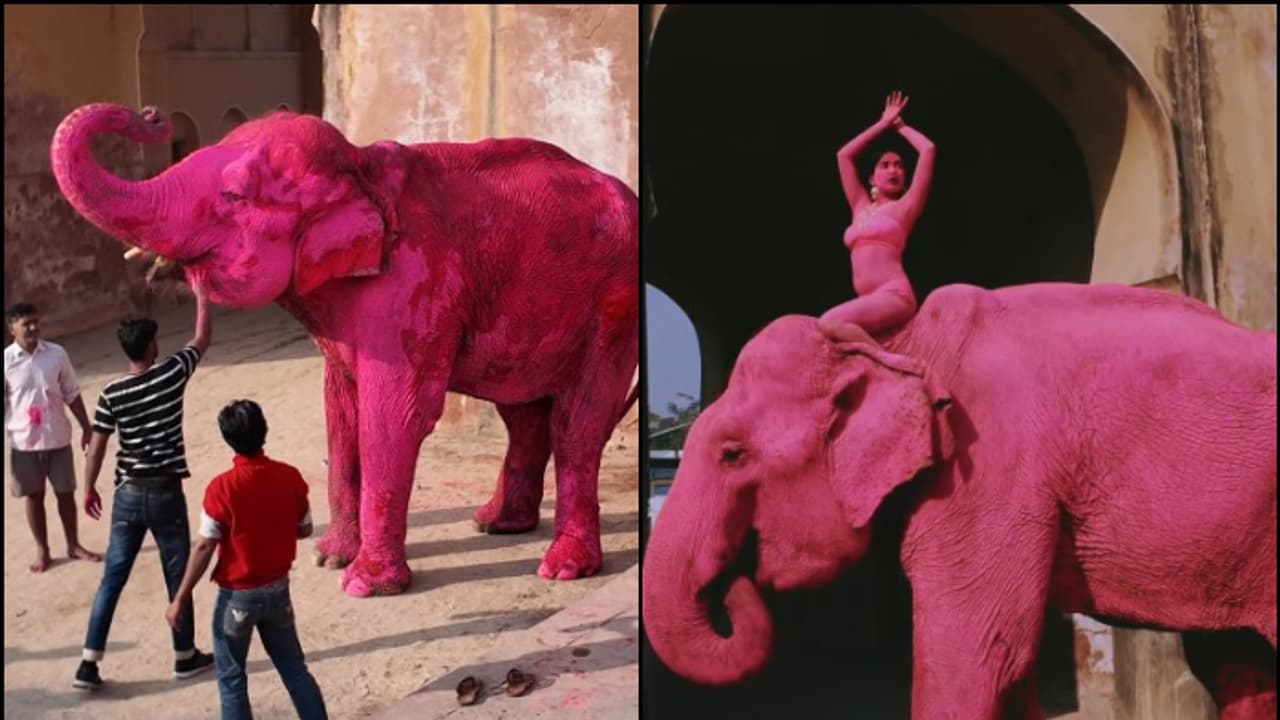
In the footage that circulated online, the elephant appears covered in non-natural colors, its skin dyed pink to match the artistic vision. Critics argued that the act was not only unnecessary but potentially harmful, calling it a clear case of animal exploitation disguised as art.
Social media users were quick to react, with many calling the visuals “deeply upsetting” and “cruel.” The outrage intensified as more details about the shoot emerged.
Questions Around Animal Safety
One of the central concerns raised by activists and veterinarians was the safety of the elephant during the painting process. Elephants have highly sensitive skin, and exposure to chemical dyes—even if claimed to be non-toxic—can lead to irritation, infections, or more serious health complications.
Reports suggested that the paint used on the elephant was allegedly safe and washable, but this did little to quell criticism. Experts emphasized that even so-called “safe” substances can cause stress or harm when applied to animals not accustomed to such treatments.
The elephant, identified as a female named Mohini, was reportedly part of a setup involving handlers and organizers who facilitated the shoot. Questions were raised about whether proper permissions were obtained and whether animal welfare guidelines were followed.
Authorities in Jaipur took note of the controversy, with local officials indicating that an investigation would be conducted to determine if any laws were violated. India has strict regulations governing the use of animals for commercial purposes, including provisions under the Prevention of Cruelty to Animals Act.
The Tragic Twist: Elephant’s Death
As public anger was already mounting, a more disturbing revelation came to light: the elephant featured in the photoshoot had died approximately one month after the images were taken.
This development significantly escalated the controversy. While there is no confirmed evidence directly linking the photoshoot to the animal’s death, the timing fueled speculation and concern.
According to reports, the elephant’s death was attributed to health issues, though specifics remain unclear. Animal welfare groups have called for a thorough investigation into the circumstances surrounding both the photoshoot and the elephant’s subsequent death.
For many, the incident underscored a broader issue—the vulnerability of captive animals used for tourism and entertainment. Elephants in such settings are often subjected to harsh conditions, overwork, and inadequate medical care.
Who Is Julia Buruleva?
Julia Buruleva, the photographer at the center of the controversy, is known in artistic circles for her visually striking and often provocative work. Her portfolio includes surreal compositions featuring human subjects, animals, and elaborate staging.
However, critics argue that the Jaipur shoot represents a troubling example of artistic ambition overriding ethical considerations. While Buruleva has not publicly issued a detailed statement addressing all aspects of the controversy, the backlash against her has been swift and severe.
Many have questioned the responsibility of artists working across cultural and geographical contexts, particularly when involving live animals. The debate has extended beyond this single incident, raising broader questions about the limits of creative expression.
Public Backlash and Calls for Accountability
The response from the public has been overwhelmingly critical. Animal rights organizations, activists, and concerned citizens have demanded accountability from everyone involved—the photographer, the organizers, and the handlers who allowed the elephant to be used in this manner.
Online petitions and campaigns have called for stricter enforcement of animal protection laws and greater scrutiny of commercial shoots involving animals. Some have even urged authorities to ban the use of animals in such projects altogether.
The controversy has also drawn attention to the treatment of elephants in Jaipur, a city known for its tourism-driven elephant rides and attractions. Activists have long argued that these practices are inherently exploitative and should be phased out.
Legal and Ethical Implications
From a legal standpoint, the incident may fall under multiple regulatory frameworks. The use of animals for commercial purposes in India requires permissions from authorities, including the Animal Welfare Board of India. Any violation of these norms could result in penalties or legal action.
Ethically, the case has sparked a deeper conversation about the intersection of art, commerce, and animal welfare. Can artistic expression justify the use of animals in potentially harmful ways? Where should the line be drawn?
Experts argue that the answer is clear: animal welfare must take precedence. The use of animals as props, particularly in ways that alter their natural appearance or behavior, is increasingly seen as outdated and unacceptable.
A Broader Reflection on Animal Exploitation
The pink elephant controversy is not an isolated incident but part of a larger pattern of animal exploitation in entertainment and media. From film productions to social media content, animals are often used to create visually appealing or attention-grabbing material.
However, public attitudes are changing. There is growing awareness about animal rights and a stronger demand for ethical practices. Incidents like this serve as flashpoints, bringing these issues into sharp focus.
In Jaipur, the case has reignited debates about the future of elephant tourism. Some conservationists are advocating for the relocation of captive elephants to sanctuaries where they can live in more natural conditions.
The Road Ahead
As investigations continue, the focus remains on uncovering the full details of what transpired during and after the photoshoot. Authorities are expected to examine whether any قوانین were breached and whether those responsible should face consequences.
For Julia Buruleva, the controversy may have lasting repercussions on her career and reputation. For the broader artistic community, it serves as a cautionary tale about the responsibilities that come with creative freedom.
Most importantly, the incident has brought renewed attention to the plight of animals used in human pursuits—whether for art, entertainment, or profit.
The image of a pink elephant walking through Jaipur may have been intended as a symbol of artistic imagination, but it has come to represent something far more troubling. Behind the striking visuals lies a story of ethical lapses, public outrage, and a tragic loss.
As the dust settles, one thing is clear: the conversation sparked by this incident is far from over. It has challenged assumptions, exposed gaps in regulation, and, perhaps most importantly, reminded the world that creativity must never come at the cost of compassion.
With inputs from agencies
Image Source: Multiple agencies
© Copyright 2025. All Rights Reserved. Powered by Vygr Media.