 By
By 
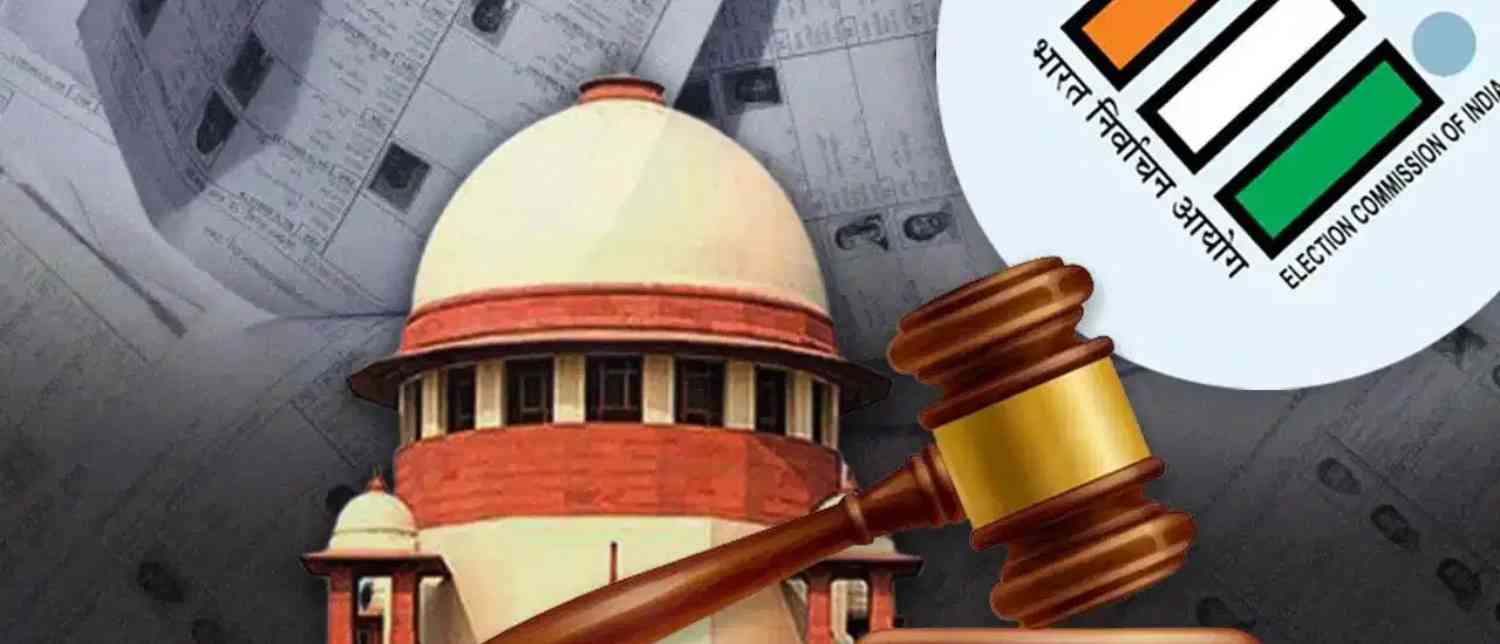
In a major verdict with far-reaching implications for India’s electoral process, the Supreme Court on Wednesday upheld the Election Commission of India’s (ECI) authority to conduct the Special Intensive Revision (SIR) of electoral rolls, rejecting multiple challenges to the exercise and strongly backing the poll body’s constitutional mandate to maintain clean and accurate voter lists.
The ruling came amid intense political debate over the SIR process, which opposition parties and civil society groups had criticised as exclusionary and potentially disenfranchising. However, the apex court ruled that the Election Commission possesses both constitutional and statutory powers to undertake such revisions, describing the exercise as one that “breathes life into the Constitution.”
The verdict is being viewed as a significant institutional victory for the Election Commission, which has repeatedly defended the revision drive as necessary to preserve the integrity of India’s democratic process.
Supreme Court Endorses Election Commission’s Constitutional Powers
The bench made it clear that electoral rolls cannot remain static and that the Election Commission is duty-bound to ensure that voter lists remain updated, accurate, and free from duplication or ineligible entries. The court observed that maintaining the sanctity of the electoral process is central to democracy and falls squarely within the constitutional responsibilities of the poll body.
The Supreme Court held that the SIR exercise was legally valid and backed by constitutional provisions as well as the Representation of the People Act. The judges noted that the Election Commission has adequate powers to revise electoral rolls and verify voter eligibility whenever required.
The court also underlined that the revision process is not unprecedented. During earlier hearings in related cases, the bench had questioned why critics were behaving as though voter roll revisions were happening “for the first time” in the country.
Key Questions Raised By Critics — And The Court’s Answers
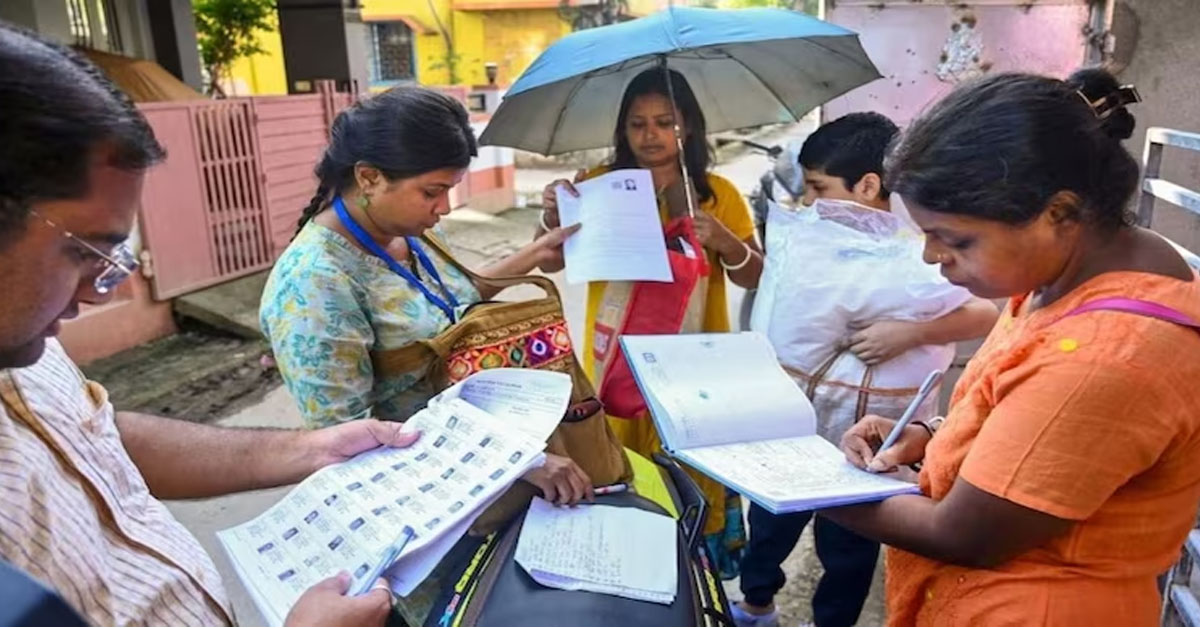
One of the biggest concerns raised by petitioners was whether the Election Commission could ask voters to submit documents to establish eligibility during the SIR process. The court answered this in the affirmative, ruling that the poll body is empowered to seek verification documents as part of its statutory functions.
Another criticism was that the SIR exercise could lead to mass deletion of names from voter lists. The Supreme Court, however, said the process itself cannot be presumed to be illegal merely because some names may eventually be excluded after verification. The judges stressed that electoral rolls must reflect only eligible voters and that revision exercises are intended to ensure precisely that.
Petitioners had also argued that the Election Commission was overstepping its powers or acting arbitrarily. During earlier hearings, the bench had questioned whether any constitutional authority could exercise “untrammelled powers,” while simultaneously recognising that the Election Commission enjoys broad authority under the Constitution.
The final verdict balanced both concerns — affirming the Commission’s powers while emphasising that the exercise must remain transparent, fair, and in line with due process principles.
“Exclusion From Voter List Does Not End Citizenship”
One of the most closely watched observations from the judgment concerned the issue of citizenship. Critics of the SIR exercise had alleged that deletion from electoral rolls could effectively stigmatise individuals or cast doubts on their citizenship status.
Addressing these concerns directly, the Supreme Court clarified that exclusion from a voter list does not mean that a person loses citizenship. The bench observed that citizenship and voter registration are legally distinct matters, and removal from an electoral roll cannot automatically strip an individual of nationality rights.
This clarification is expected to play a major role in calming fears among sections of voters who had expressed anxiety over documentation requirements and verification procedures linked to the SIR process.
The court also reiterated that electoral eligibility is determined under election laws and that any dispute regarding citizenship must follow separate legal mechanisms.
Court Rejects “Anti-Voter” Narrative
Throughout the litigation surrounding SIR, opposition parties and activist groups repeatedly described the exercise as “anti-voter” and exclusionary. The Supreme Court, however, appeared unconvinced by that argument.
In earlier proceedings linked to the Bihar electoral roll revision, the bench had observed that electoral rolls are “bound for revision” and cannot remain frozen indefinitely.
The judges also questioned the assumption that document verification itself amounts to voter suppression. In one hearing, the court specifically disagreed with the claim that the SIR process was inherently exclusionary, instead framing it as a voter verification mechanism aimed at ensuring electoral integrity.
At the same time, the bench insisted that the Election Commission must conduct the process transparently and fairly. During hearings related to Tamil Nadu, the court stressed the need for “transparency” and “smooth conduct” in carrying out the revision exercise.
Background Of The Controversy
The Special Intensive Revision exercise has triggered political confrontations in several states over the past year, particularly in poll-bound regions.
In Bihar, opposition parties including the Congress and Rashtriya Janata Dal, along with the Association for Democratic Reforms (ADR), challenged the legality of the exercise before the Supreme Court. Petitioners argued that the revision process could disenfranchise legitimate voters and should not be expanded nationwide without safeguards.
The issue later intensified in West Bengal, where the SIR exercise became a central political flashpoint ahead of the Assembly elections. The Supreme Court had to repeatedly intervene in matters relating to implementation delays, alleged threats to officials, and voter inclusion disputes.
In one instance, the court warned state authorities that it would not allow any impediment to the SIR process.
The court also dealt with cases involving deleted voters, appeals for inclusion in supplementary rolls, and even complaints from election-duty officers who claimed their own names were missing from electoral lists.
Supreme Court’s Larger Message On Electoral Integrity
Legal experts say the judgment sends a strong signal about the Supreme Court’s approach toward institutional autonomy and electoral governance.
By upholding the Election Commission’s powers, the court reinforced the principle that the constitutional authority responsible for conducting elections must also possess the ability to maintain accurate electoral rolls.
The phrase used by the bench — that the SIR exercise “breathes life into the Constitution” — is likely to become one of the defining judicial observations linked to election reforms in recent years.
The verdict also appears to establish a broader constitutional balance: while the Election Commission enjoys substantial powers, those powers are not beyond scrutiny and must be exercised in accordance with fairness, transparency, and natural justice.
What Happens Next
Following the judgment, the Election Commission is expected to continue the Special Intensive Revision process across states where the exercise is underway or planned.
The ruling effectively removes the biggest legal hurdle facing the poll body, although political opposition to the exercise is unlikely to disappear entirely.
For now, however, the Supreme Court’s message is unambiguous: the Election Commission has the constitutional authority to revise electoral rolls, document verification is legally permissible, and ensuring accurate voter lists is fundamental to the democratic process.
With inputs from agencies
Image Source: Multiple agencies
© Copyright 2026. All Rights Reserved. Powered by Vygr Media.