
 By
By 
Pune, October 13, 2026: Residents of Pune are preparing for a fresh round of water supply disruptions as the Pune Municipal Corporation (PMC) moves to introduce a weekly water shutdown from October 15. The decision comes amid mounting concerns over Maharashtra’s worsening water crisis, inadequate rainfall, declining water reserves and the possible impact of El Niño on future monsoon patterns.
Under the new arrangement, water supply across Pune will be suspended every Thursday as civic authorities attempt to conserve available reserves and ensure that the city has sufficient drinking water through the coming dry months until the next monsoon.
The move is expected to affect households, housing societies, businesses and other establishments that depend on the municipal water network. Residents will need to plan their daily activities around the scheduled interruption, store water responsibly and avoid unnecessary consumption.
Alongside the weekly Pune water cut, Maharashtra is tightening restrictions on the use of drinking water for non-essential purposes. Measures being introduced include restrictions on construction-related water use and the closure of vehicle washing centres, while authorities have also signalled strict action against the misuse and wastage of water.
The developments highlight a growing challenge for urban Maharashtra: managing limited water resources while ensuring that essential drinking water needs are met.
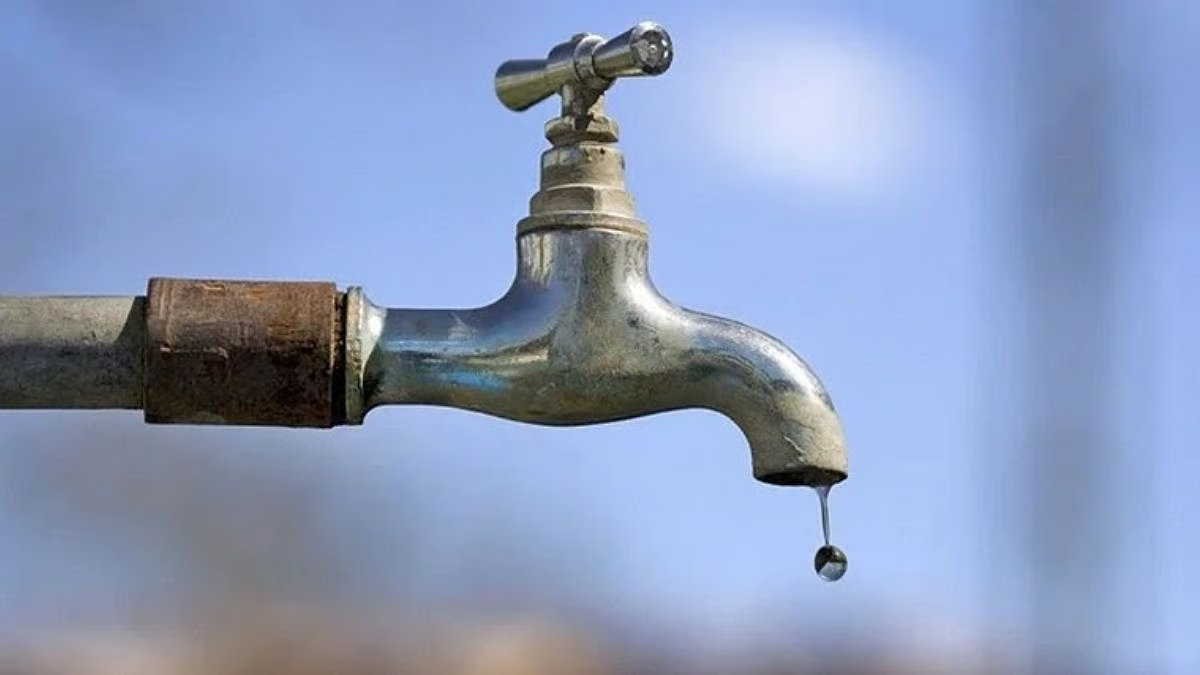
Pune Water Cut From October 15: What Residents Need to Know
The Pune Municipal Corporation's decision to suspend water supply every Thursday is intended to reduce consumption and help available water stocks last longer.
Unlike a minor adjustment to water pressure or supply timings, a scheduled weekly shutdown requires residents to plan ahead. Families may need to fill storage tanks, keep drinking water ready and adjust household chores such as laundry, cleaning and cooking preparations.
Housing societies are likely to face additional pressure to coordinate storage and distribution, particularly in buildings that depend heavily on overhead tanks or have limited backup arrangements. Residents in areas where water pressure is already inconsistent may need to pay particular attention to how supplies are managed when distribution resumes.
The weekly shutdown is also expected to affect commercial establishments, offices, restaurants and other businesses that require a reliable water supply to operate. Organisations may need to review their storage capacity and reduce avoidable water use to limit disruption.
However, residents should distinguish between the scheduled Thursday interruption and any additional local supply problems. Water availability and pressure may vary across neighbourhoods depending on distribution infrastructure, storage capacity and the timing of supply restoration.
The civic administration's broader objective is to manage demand before the situation becomes more difficult. By reducing consumption at regular intervals, authorities hope to preserve available reserves for essential needs over the months ahead.
Maharashtra Water Crisis Deepens Amid Rainfall Concerns
The latest Pune water cut reflects a wider concern about water security across Maharashtra. Rainfall deficits and uncertainty surrounding future precipitation have increased pressure on authorities to protect existing reserves and prepare for a potentially difficult period before the next monsoon.
The state government has directed civic bodies to reduce water consumption, including through a targeted reduction of around 10 per cent in supply. Pune's weekly shutdown represents a more visible intervention in the city's efforts to meet conservation requirements.
El Niño has emerged as an important factor in discussions about the rainfall outlook. The climate phenomenon involves changes in Pacific Ocean temperatures that can influence weather patterns around the world, including India's monsoon. Its effects are not uniform or guaranteed in any particular location, but concerns about its potential influence have added to the urgency surrounding water management.
For Pune, the challenge is not limited to the amount of rainfall recorded during a single period. Authorities must consider the water already stored in reservoirs, the amount needed for daily consumption, the needs of surrounding areas and the possibility of prolonged pressure on supplies.
Pune draws water from several reservoirs, including the Khadakwasla dam chain, as well as other sources serving different parts of the city. Managing these supplies requires coordination between the municipal corporation and the state's water resources authorities.
The situation is particularly challenging because urban water demand continues to grow. Expansion of residential areas and the addition of more neighbourhoods to the city's municipal jurisdiction have increased the pressure on infrastructure and water allocation.
The current restrictions are therefore part of a larger effort to balance immediate demand with the need to retain sufficient water for the months ahead.
Strict Water-Saving Rules: Construction and Vehicle Washing Under Scrutiny
Along with the Pune water supply shutdown, authorities are tightening controls over activities that consume drinking water without being essential.
The restrictions include a ban on using potable water for construction purposes and the closure of vehicle washing centres. These measures are intended to prevent treated drinking water from being diverted towards activities that could use alternative sources or be postponed.
Construction projects can require substantial quantities of water for mixing, curing and other site operations. Restrictions on drinking-water use could force contractors to review their supply arrangements and adopt alternatives where legally permitted and technically suitable.
Vehicle washing centres also face disruption under the conservation measures. Businesses that rely on municipal water may need to suspend operations or explore approved alternatives, depending on the applicable directions.
The wider message is that drinking water must be prioritised for household consumption, sanitation and other essential requirements during periods of scarcity.
Authorities have also warned that misuse and wastage could invite strict action, including fines and the registration of first information reports (FIRs) in cases covered by the applicable enforcement provisions. Such measures are intended to discourage deliberate violations and encourage compliance with conservation rules.
Residents and businesses should check the latest official directions for the precise restrictions, exemptions, penalties and enforcement arrangements applicable to their activities. The scope of any legal action will depend on the relevant rules and the nature of the violation.
Why Pune Is Planning Water Conservation Until the Next Monsoon
The central concern for civic officials is how to make available water last through the extended period between the current supply situation and the next dependable monsoon replenishment.
Water management cannot rely solely on assumptions that rainfall will improve quickly. Authorities must plan for different possibilities, including delayed replenishment, continued demand and uneven distribution across the city.
The weekly shutdown is designed to reduce the amount of water drawn from the system. However, the success of such a measure will depend on implementation, public cooperation and the city's ability to restore supplies reliably after the interruption.
The municipal corporation must also ensure that conservation efforts do not disproportionately burden neighbourhoods that already experience irregular supply. Clear communication about shutdown schedules, local distribution arrangements and restoration timings will be important for residents trying to manage essential needs.
Equally important is the distinction between reducing consumption and improving the efficiency of the water network. Leakage control, better monitoring, responsible reservoir management and measures to prevent unauthorised use can complement supply restrictions.
A weekly shutdown may help conserve water, but it cannot independently resolve the structural challenges of growing demand, distribution losses and uncertain rainfall. Longer-term planning will remain necessary to strengthen the city's water security.
How Residents Can Prepare for the Weekly Water Shutdown
With the first scheduled Thursday shutdown approaching on October 15, households can take several practical steps to reduce inconvenience without wasting water.
Store water carefully: Fill clean containers and household tanks before the scheduled interruption, keeping enough for drinking, cooking, personal hygiene and essential cleaning. Avoid excessive storage that could lead to contamination or unnecessary waste.
Check building-level arrangements: Housing societies should inspect overhead and underground tanks, confirm pump operations and communicate storage plans to residents. Buildings with limited storage may need to prioritise essential uses.
Repair leaks promptly: Dripping taps, leaking pipes and overflowing tanks can waste considerable amounts of water over time. Fixing these problems is a simple way to reduce demand.
Reuse water where appropriate: Water from rinsing vegetables or other suitable household activities may be reused for cleaning or watering plants, provided it is safe for the intended purpose. Do not reuse contaminated water for drinking or food preparation.
Avoid non-essential consumption: Residents should postpone unnecessary vehicle washing and avoid using drinking water for activities that can be reduced or managed through approved alternatives.
Follow official announcements: Supply timings, local arrangements and enforcement details can change. Residents should rely on the latest municipal instructions rather than assume that every locality will experience identical conditions.
These steps can help families prepare for the shutdown while ensuring that conservation does not come at the expense of basic hygiene and safe drinking water.
Water Conservation Requires Public Cooperation and Long-Term Planning
Pune's weekly water shutdown is a reminder that urban water security depends on both public infrastructure and everyday behaviour. When reserves come under pressure, authorities must act to manage demand, but residents and businesses also have a role in preventing avoidable consumption.
The immediate challenge is to ensure that the Thursday interruption is communicated clearly, supplies are managed fairly and essential needs remain the priority. The longer-term task is to improve water-use efficiency, reduce losses and prepare the city for increasingly uncertain weather conditions.
For residents, the message is straightforward: the new Pune water cut should be treated as a practical signal to plan ahead and use water carefully. For civic authorities, the responsibility extends beyond announcing restrictions. Effective enforcement, reliable distribution and transparent communication will determine whether the measures deliver meaningful conservation.
As Maharashtra confronts mounting concerns over water availability, Pune's response will test how effectively a growing city can manage limited resources. The coming months will show whether the weekly shutdown and stricter conservation rules can help preserve supplies until the next monsoon while minimising disruption to everyday life.
© Copyright 2026. All Rights Reserved. Powered by Vygr Media.