 By
By 
New Delhi, October 12, 2026: In a significant change to the way public demonstrations will be organised in the national capital, Delhi Police has removed Jantar Mantar from the list of designated protest venues and named three alternative locations for protests and sit-ins. The newly designated sites are Ramlila Maidan, Burari Maidan and CBD Ground in east Delhi.
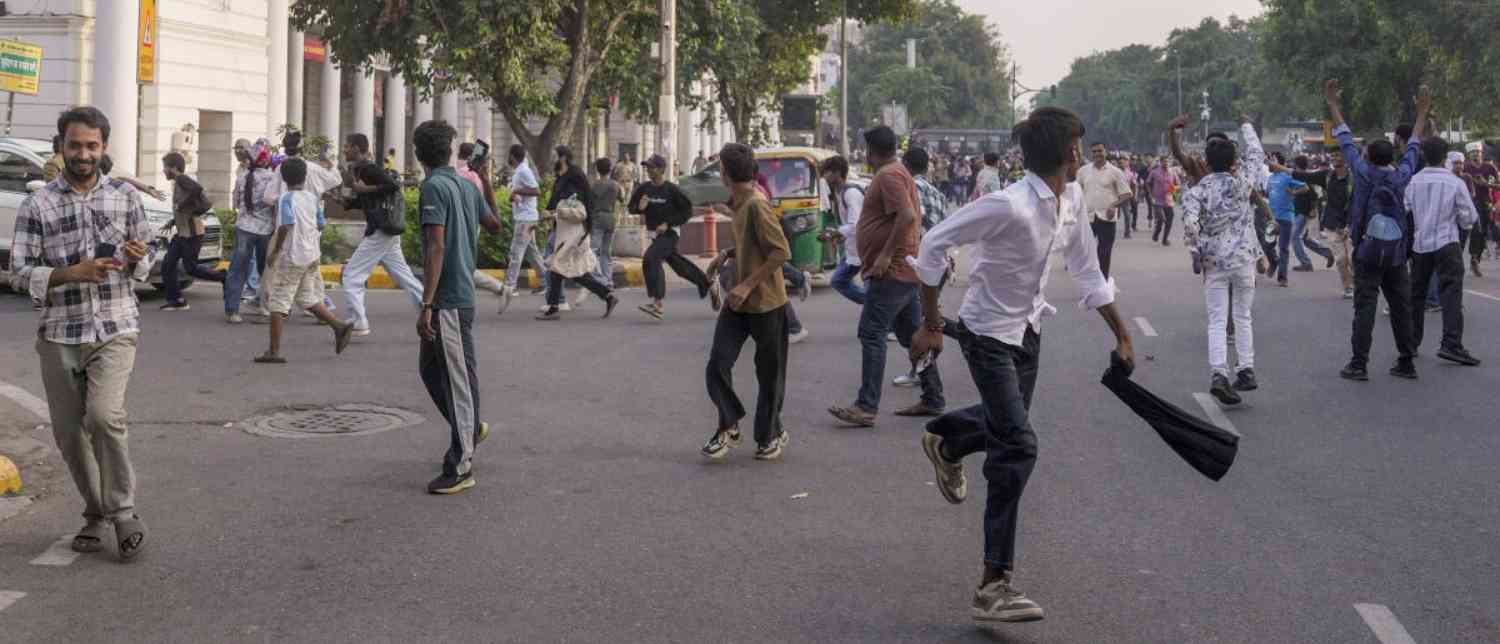
The decision comes amid heightened political tensions in the capital, with opposition parties and other groups staging protests over alleged electoral irregularities and demanding the resignation of Chief Election Commissioner Gyanesh Kumar. The controversy surrounding the Special Intensive Revision (SIR) of electoral rolls has added to the political pressure, bringing questions about electoral processes and democratic accountability into sharp focus.
The change marks an important shift for protesters who have traditionally turned to Jantar Mantar to raise public concerns, challenge government decisions and draw attention to political and social issues.
Under Delhi Police Standing Order No. L&O/48/2026, the three newly designated grounds will serve as locations for protests and demonstrations. The decision follows recommendations made by a committee constituted by the Union Ministry of Home Affairs to examine alternative venues where citizens can exercise their right to assemble and protest.
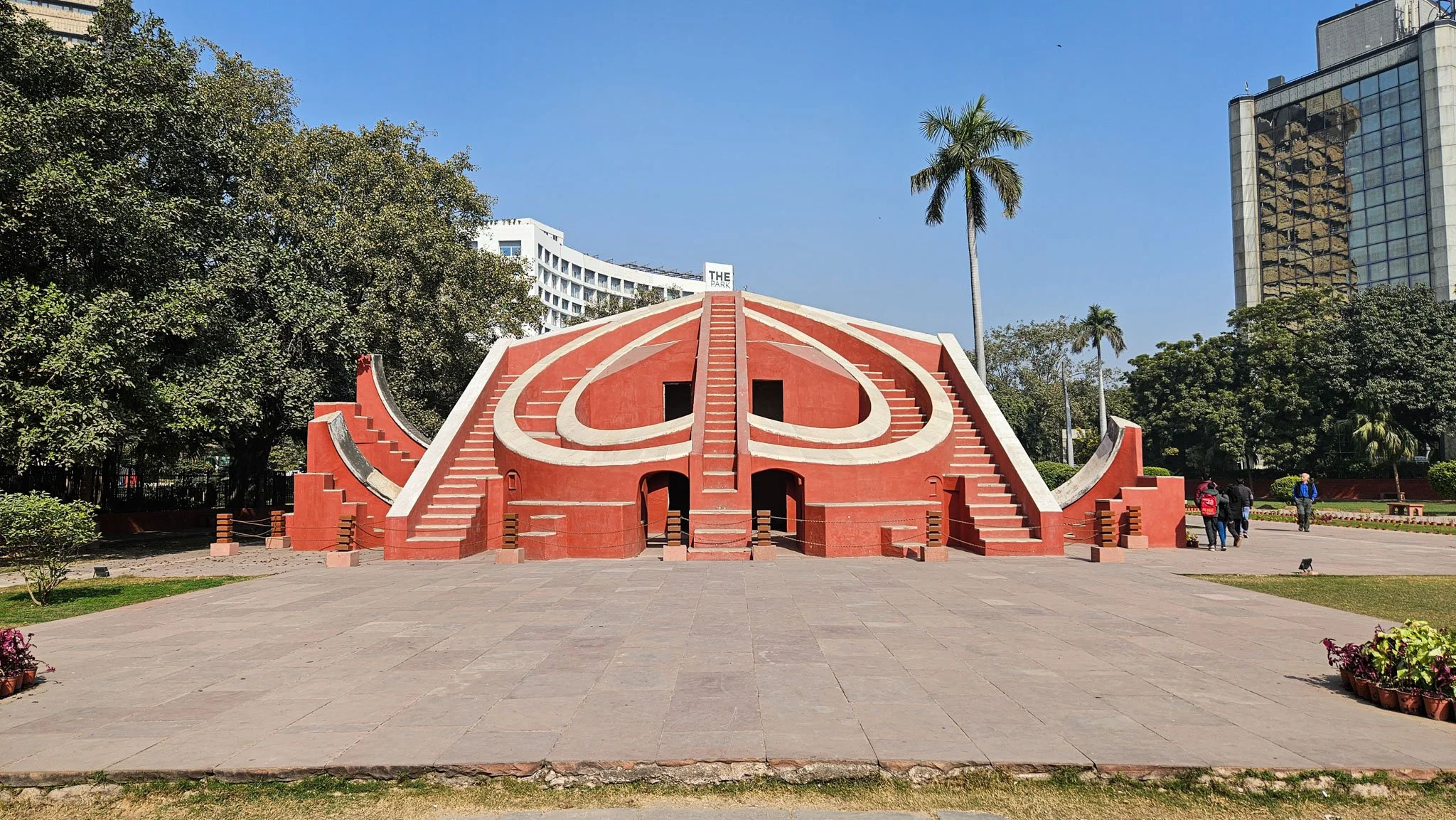
Jantar Mantar Removed From Delhi's List of Designated Protest Sites
For years, Jantar Mantar has been closely associated with public demonstrations in New Delhi. Its location in central Delhi has made it a prominent gathering point for activists, political parties, civil society groups and citizens seeking to bring their demands to the attention of the authorities.
From campaigns over public policy to demonstrations on political and social issues, the area has witnessed numerous protests that have become part of the national conversation.
However, Jantar Mantar will no longer be treated as a designated protest venue under the new arrangement. Delhi Police has formally shifted the focus to three alternative grounds, changing the established framework for organising demonstrations in the city.
The move is particularly significant because Jantar Mantar lies in a high-security part of the national capital. Any change to the rules governing protests at such a prominent location can affect how political gatherings are planned, where demonstrators assemble and how security arrangements are managed.
The decision does not mean that public demonstrations have ceased to be permitted in Delhi. Instead, it establishes a revised list of designated sites where protests and sit-ins can be organised, subject to the applicable rules and permissions.
What Are the Three New Protest Venues in Delhi?
Delhi Police has identified three locations as the new designated sites for protests and demonstrations. These are:
1. Ramlila Maidan
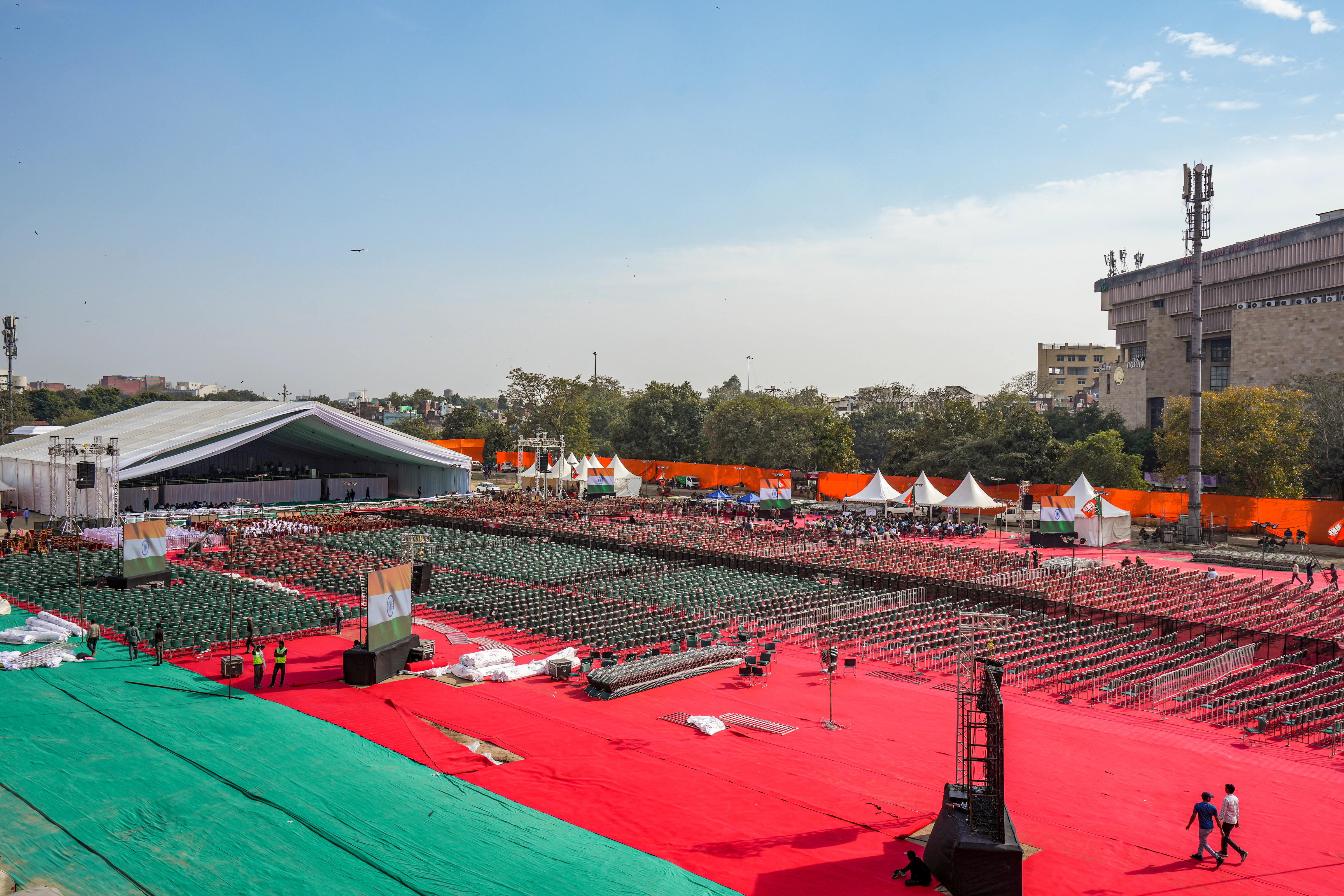
Ramlila Maidan is one of Delhi's best-known large public gathering spaces. It has hosted political rallies, public meetings and major demonstrations over the years. Its established association with large gatherings makes it a prominent choice among the newly designated protest venues.
2. Burari Maidan
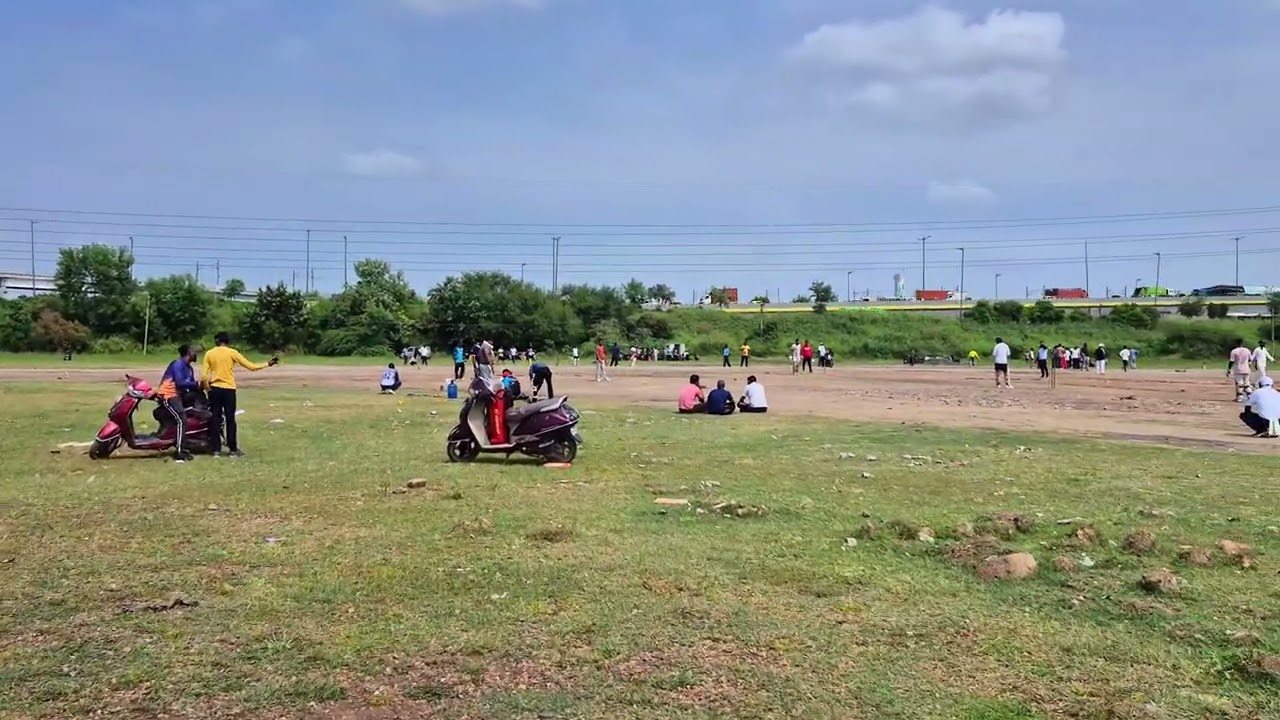
Burari Maidan has also been included in the revised list. Its designation provides another location for people and organisations seeking to conduct demonstrations outside the central Delhi area.
3. CBD Ground in east Delhi
The third venue is CBD Ground in east Delhi. Its inclusion expands the geographical spread of designated protest sites and provides an additional location for demonstrations in the capital.
Together, the three grounds will replace Jantar Mantar's previous role as a designated protest venue. However, the practical implications for protesters will depend on the detailed procedures and conditions that the police issue for the new sites.
Why Has Delhi Police Changed the Designated Protest Venues?
The decision follows recommendations from a committee established by the Union Ministry of Home Affairs to examine alternative locations for public demonstrations.
The committee's task was to consider venues where citizens could exercise their right to organise protests and demonstrations. Delhi Police subsequently designated the three grounds and withdrew Jantar Mantar's status as a protest site.
The development also comes against the backdrop of heightened security concerns in central Delhi. Recent political demonstrations have brought protesters, police personnel and security arrangements into focus, particularly as opposition groups have intensified their criticism of the Election Commission.
The timing has drawn attention because the venue change comes amid the ongoing controversy over the Special Intensive Revision of electoral rolls and protests directed at Chief Election Commissioner Gyanesh Kumar.
While the decision establishes a new framework for public demonstrations, the stated administrative process centres on the recommendations of the Home Ministry-appointed committee. The available information does not establish that the venue change was ordered specifically to prevent any particular political group from protesting.
SIR Controversy Adds to Political Tensions in Delhi
The announcement comes at a politically sensitive moment for the national capital.
The Special Intensive Revision, or SIR, of electoral rolls has become a major point of contention, with opposition parties raising concerns about the electoral process and alleging irregularities. Protests have also featured demands for the resignation of Chief Election Commissioner Gyanesh Kumar.
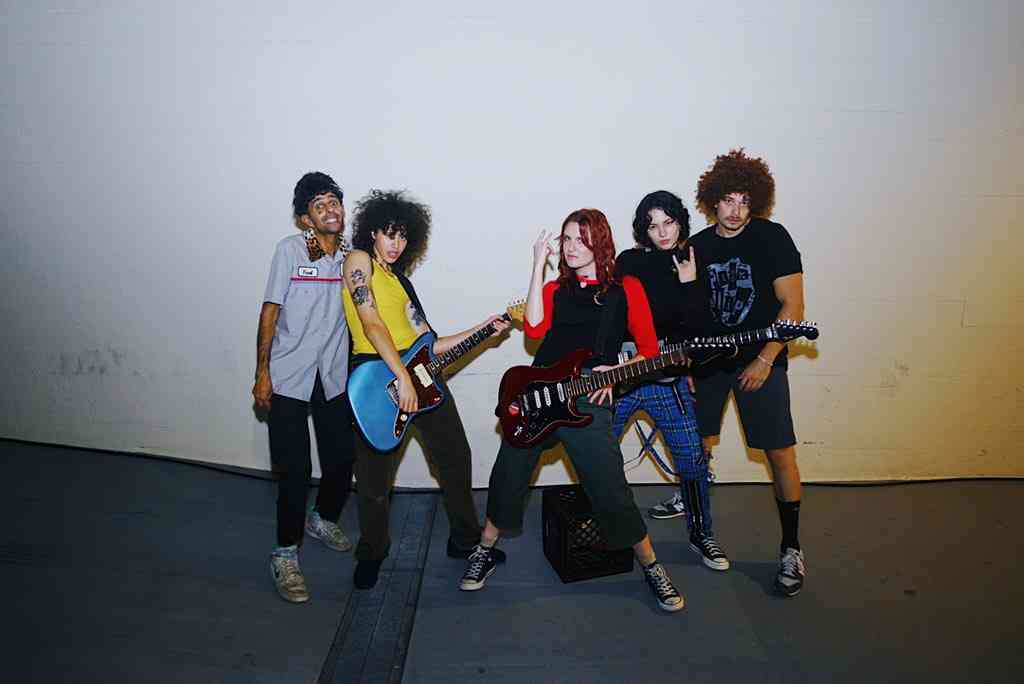
The INDIA opposition bloc and other groups have held demonstrations in central Delhi as part of the wider political dispute. A protest call by the satirical political group Cockroach Janta Party has also drawn attention to security arrangements around Jantar Mantar.
The immediate political context has made the change in designated protest venues especially noteworthy. Jantar Mantar has long served as a recognisable location for demonstrations, allowing protesters to gather in a prominent part of the capital and attract public and media attention.
With the site no longer designated for protests, political parties and civil society organisations will need to account for the revised arrangements when planning future demonstrations.
The shift raises practical questions about access, visibility, travel and the organisation of public gatherings. It also places renewed focus on how authorities balance public order with citizens' ability to express disagreement with government policies and institutional decisions.
New Standard Operating Procedures Yet to Be Issued
One of the key aspects of the announcement is that detailed, revised standard operating procedures (SOPs) for organising protests at the three new locations will be issued separately.
These procedures are expected to provide the operational framework for demonstrations at Ramlila Maidan, Burari Maidan and CBD Ground. Until the detailed instructions are available, protesters and organisers will need to follow the applicable requirements communicated by the authorities.
The revised SOPs will be important for political parties, unions, civil society organisations and citizen groups that regularly organise public gatherings. Clear guidance on the process for seeking permission, coordinating with police and complying with venue-specific conditions will be essential for planning demonstrations.
The change also means that organisers should not assume that arrangements previously followed at Jantar Mantar will automatically apply to the new sites.
The designation of alternative grounds establishes where protests are to be held under the new framework, but the exact procedures governing individual demonstrations will depend on the instructions issued by Delhi Police.
What the Decision Means for Protesters and Political Parties
For protesters, the most immediate consequence is the need to adjust to the revised list of designated venues. Groups that previously planned demonstrations at Jantar Mantar will have to consider the three newly designated grounds instead.
The change could also influence how political parties organise rallies and sit-ins, particularly when they want to mobilise supporters from different parts of the city. The locations of the new venues may affect travel arrangements, participation and the logistics of large gatherings.
At the same time, designating alternative grounds gives authorities a defined framework for managing public demonstrations. The extent to which the new arrangement works smoothly will depend on implementation, clear communication and the practical accessibility of the sites.
For citizens, the central question will be whether the revised system allows peaceful demonstrations to continue in an orderly manner while preserving meaningful opportunities to express public concerns.
The right to peaceful assembly remains an important feature of democratic participation. The regulation of public gatherings must therefore be considered alongside the need to maintain security, prevent disruption and ensure that lawful demonstrations can take place.
The venue change, by itself, does not settle the wider debate over electoral reforms, political accountability or the SIR controversy. Instead, it changes the administrative setting in which future demonstrations on these and other issues may occur.
Jantar Mantar's Changing Role Signals a New Phase for Delhi Protests
The removal of Jantar Mantar from Delhi's list of designated protest venues represents more than a change of location. It alters a familiar part of the capital's protest landscape at a time when political demonstrations and questions about electoral processes remain in the spotlight.
Ramlila Maidan, Burari Maidan and CBD Ground will now take on a greater role as designated spaces for public demonstrations. How effectively they serve that purpose will depend on the forthcoming SOPs, the permissions process and the experience of protest organisers and participants.
For political parties, activists and citizens, the immediate priority will be understanding the revised rules and adapting to the new arrangements. For the authorities, the challenge will be to implement the change transparently while maintaining public order and respecting peaceful democratic expression.
As the debate over electoral rolls and political accountability continues, the new protest sites are likely to become important locations for public mobilisation in Delhi.
The coming weeks will help establish how the revised framework works in practice—and whether the shift away from Jantar Mantar changes only the location of demonstrations or has a wider effect on how protests are organised in the national capital.
© Copyright 2026. All Rights Reserved. Powered by Vygr Media.