 By

With the Upper Ganga Canal shut for 18 days, workers and volunteers walked the exposed riverbed to clear it of silt and rubbish before the Ardh Kumbh draws millions to the holy city.
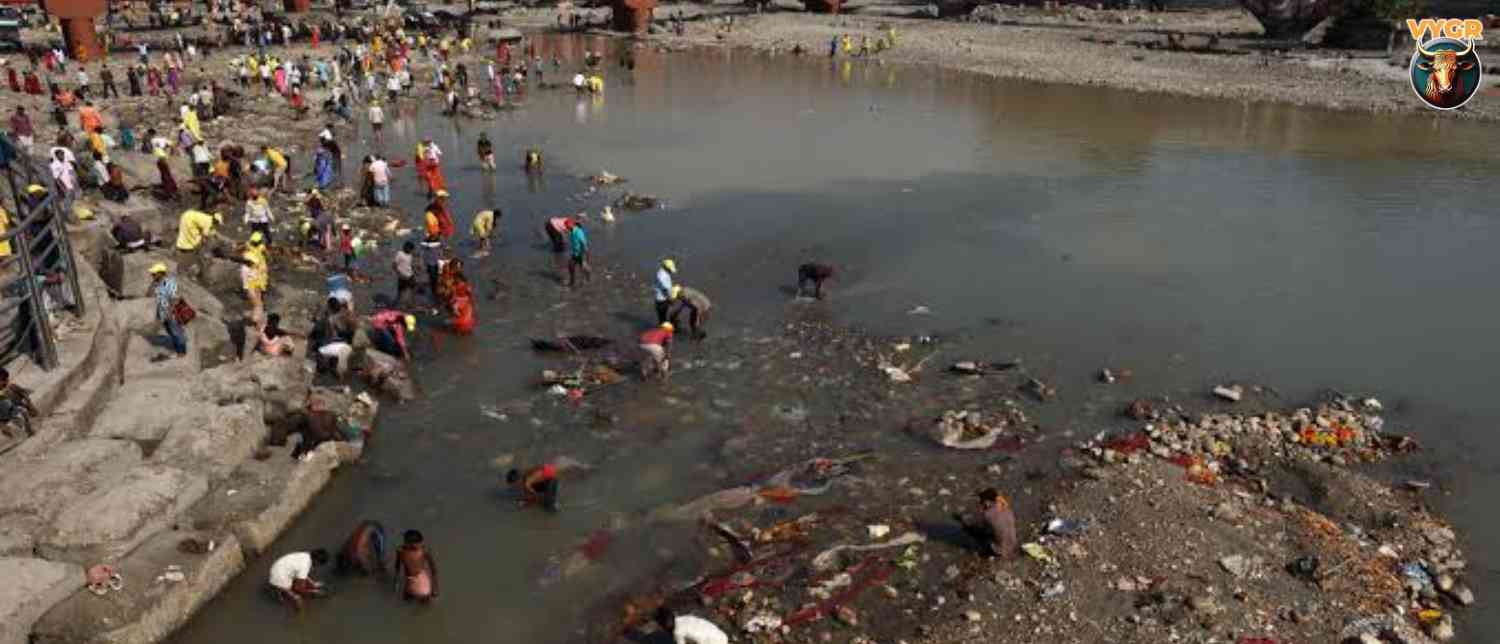
For 18 days this autumn, one of India’s most visited stretches of the Ganga looked very different. With the Upper Ganga Canal shut for its yearly maintenance, the water at Haridwar’s ghats shrank to a trickle, and the riverbed that is normally hidden under the current lay open. Into that space went an army of sanitation workers and volunteers, who spent more than two weeks lifting silt, plastic, and discarded clothes out of the channel in the run-up to the Ardh Kumbh Mela in early 2027.
Why the Canal Is Shut Every Year
The Upper Ganga Canal takes water from the river at the Bhimgoda Barrage near Haridwar and carries it towards Kanpur, supplying irrigation and drinking water to a large part of western Uttar Pradesh and, according to reports, parts of Delhi-NCR. Although Har Ki Pauri and the barrage are in Uttarakhand, the canal network is managed by the Uttar Pradesh Irrigation Department.
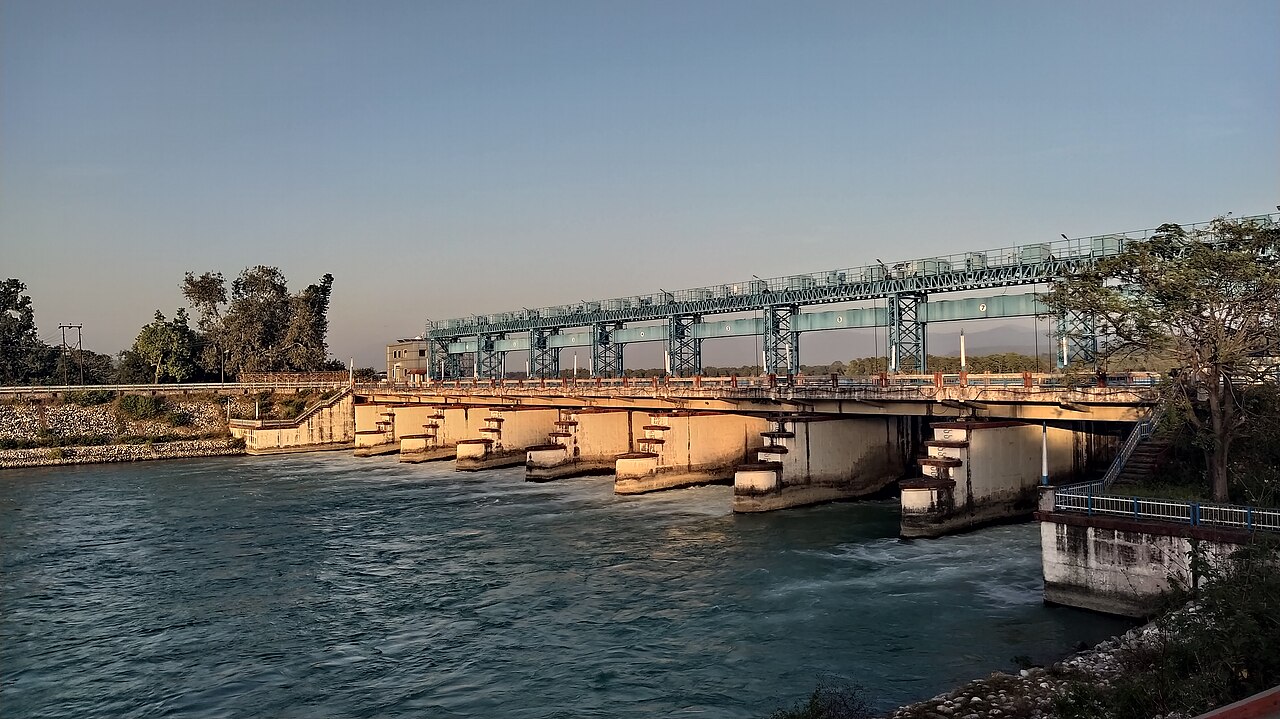
Each year, the department halts the flow so that the canal can be cleaned and repaired along its route. This year the closure began around Dussehra night, in the third week of October, and ran for 18 days, with the water scheduled to return at midnight on November 7. An irrigation official said the shutdown allows cleaning, necessary repairs, and maintenance along the canal’s route to Kanpur.
The closure was also used for the Kumbh. Officials said that various departments were working on permanent and temporary infrastructure for the mela, and that these projects would be sped up while the water was down. Roughly 200 cusecs of water were kept flowing at Har Ki Pauri so that the evening aarti could continue.
What Was Found
The cleanup covered nearly 10 km of the river, between Khadkhadi and Jwalapur. Because the flow was reduced, workers could reach sections of the riverbed that are normally submerged and had been buried under layers of waste and debris. According to reports, around 200 sanitation workers, volunteers and members of various organisations took part.
By the end of the drive, nearly 150 tonnes of waste had been removed from the riverbed. It included plastic and discarded clothes, along with other materials. That is about double the 70 to 80 tonnes collected in the previous year’s cleaning operation, according to reports. The figure shows how much accumulates in the riverbed over a year, in a city where tens of thousands of pilgrims bathe on ordinary days and far more on festival days.
The Trade-Offs
The closure is not without a cost. Pilgrims who travelled to Haridwar this month were disappointed to find the canal dry, and the Har Ki Pauri ghats looked bare for days. The shutdown also raised concern about water supply in Delhi-NCR and in farming areas that depend on the canal.
The timing has long been contentious in the city. Temple priests, the Ganga Sabha, which manages Har Ki Pauri, and religious organisations have often objected to closures during festival periods and have asked for a minimum flow at the sanctum sanctorum, where ritual bathing takes place. Reports from earlier closures describe a 1916 agreement between the British authorities and the Ganga Sabha that is said to protect the natural flow at Har Ki Pauri, and officials have historically maintained a small flow there to keep the rites going. This year’s 200 cusecs for the aarti follows that practice.
Why It Matters Before the Ardh Kumbh
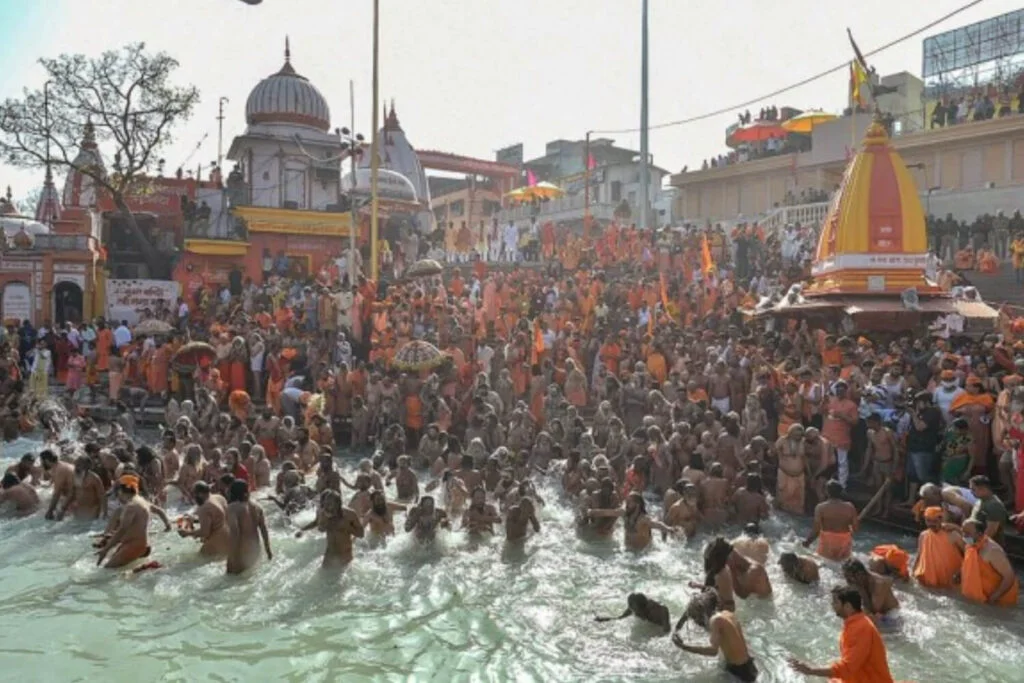
The Ardh Kumbh is one of the largest religious gatherings in the world, and Haridwar’s ghats are expected to receive millions of devotees. A clean riverbed matters for several reasons: waste left in the channel can break down and foul the water, pile up around the ghats, and add to the pressure on a city that has to handle huge crowds in a short time.
The cleaning also does not touch the source of the problem. The waste is dropped into the river by visitors and residents, and the annual closure removes what has accumulated, but the water brings more down from upstream. A cleanup drive that depends on a canal closure can only be done once a year, so the real test is what happens after the water is back.
What Happens Now
With the canal reopened, the 10 km stretch is underwater again, and the cleaner bed will be tested by the first of the large festival crowds. The state and the irrigation department will need to work out how to keep the waste out, through bins and collection points at the ghats, public awareness and regular clean-ups between closures. As the Kumbh approaches, officials and volunteers say that sustained public participation and responsible waste disposal remain essential to protecting the river.
What to Watch Next
The key developments will be whether the waste collected this year is recycled or disposed of properly, how much of the new infrastructure for the Ardh Kumbh is completed, and whether the riverbed stays clean in the months before the mela. The size of this year’s haul, double last year’s, will be a benchmark for the next closure.
© Copyright 2026. All Rights Reserved. Powered by Vygr Media.