 By

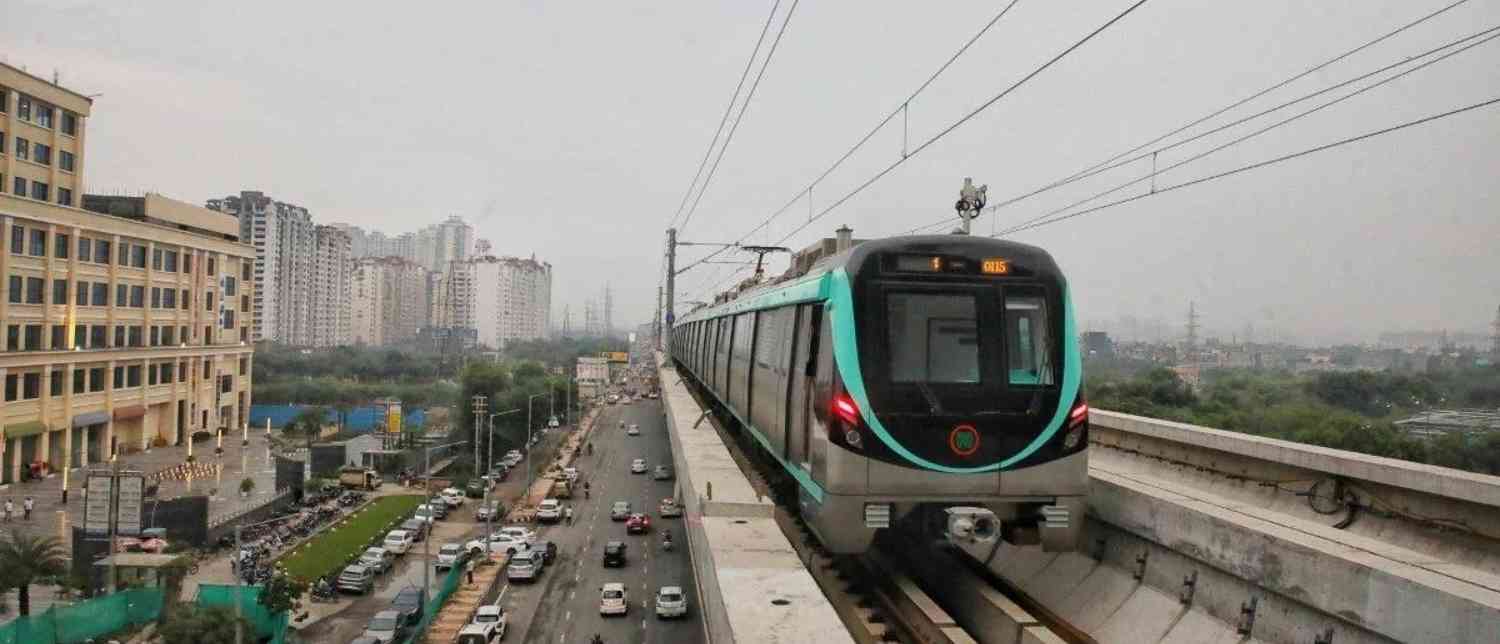
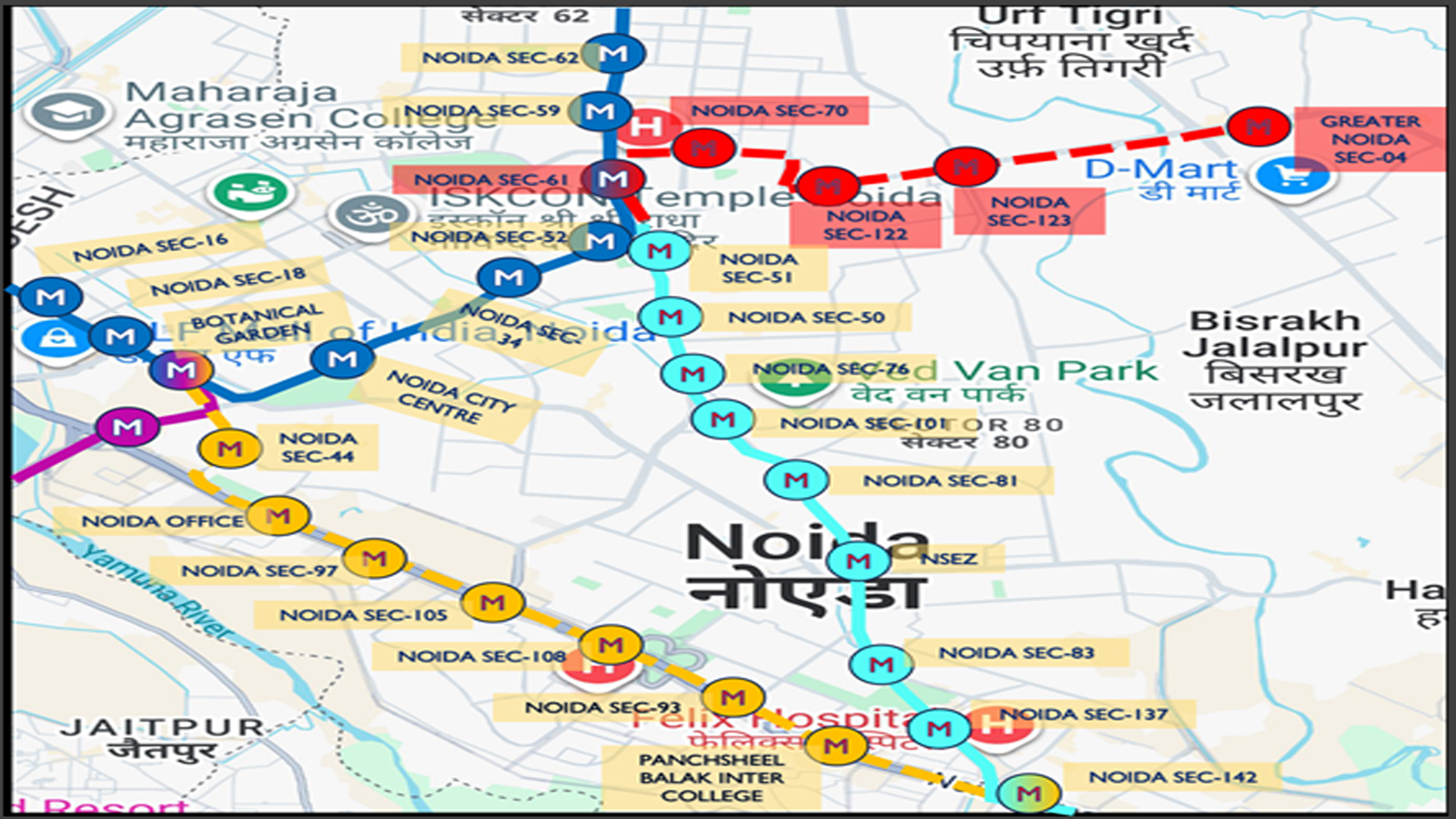
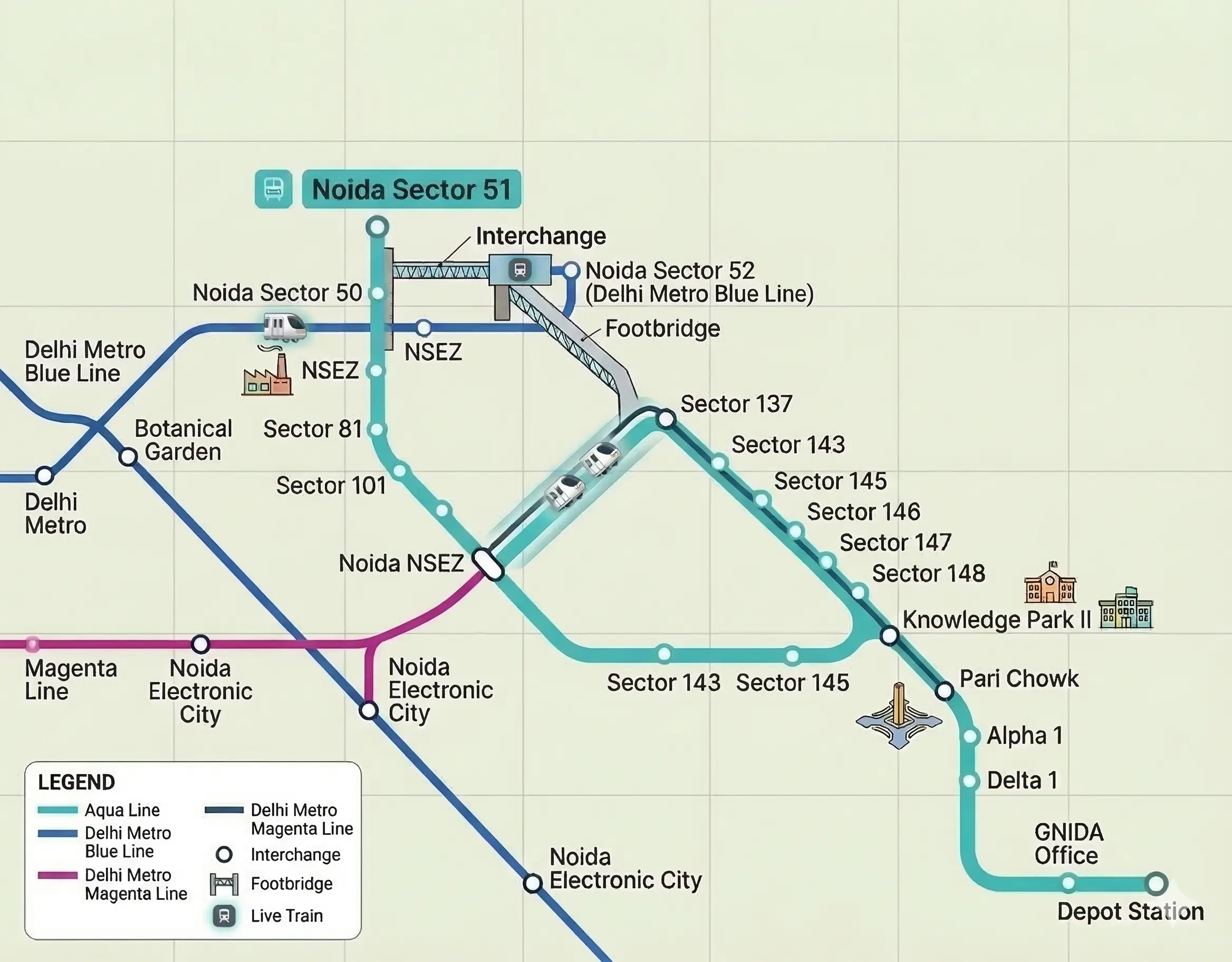
Residents of Noida and Greater Noida West have a significant reason to look forward to better public transportation, as the Union Cabinet has approved a major expansion of the Noida Metro network. The ₹2,390 crore project will extend the existing Aqua Line from Noida Sector 51 to Greater Noida Sector 4, bringing several residential neighbourhoods, commercial centres, educational institutions and healthcare facilities closer to the metro network.
The proposed 8.449-kilometre corridor will feature five elevated metro stations and introduce a crucial interchange facility with the Delhi Metro Blue Line at Noida Sector 61. Once operational, the extension is expected to make daily commuting considerably more convenient for thousands of people travelling between Noida, Greater Noida West and Delhi.
Prime Minister Narendra Modi also welcomed the Cabinet's decision, highlighting the project's potential to improve accessibility, reduce traffic congestion and make everyday journeys shorter.
For a region experiencing rapid residential and commercial development, this metro expansion could mark an important step towards building a more integrated and accessible transport network.
Noida Metro Extension: What Has the Union Cabinet Approved?
The Union Cabinet, chaired by Prime Minister Narendra Modi, has approved the extension of the Noida Metro's Aqua Line between Noida Sector 51 and Greater Noida Sector 4.
The project involves constructing an elevated metro corridor spanning approximately 8.449 kilometres, with five new stations along the route.
Here are the key details of the approved project:
-
Project: Noida Metro Aqua Line Extension
-
Starting point: Noida Sector 51
-
Ending point: Greater Noida Sector 4
-
Total corridor length: 8.449 kilometres
-
Number of new stations: Five elevated stations
-
Estimated project cost: ₹2,390 crore
-
Expected completion period: Four years
-
Proposed interchange: Noida Sector 61 Blue Line
-
Total active metro network after completion: 71.878 kilometres
The extension will strengthen the existing Noida Metro network and improve connectivity between locations that currently have limited direct public transportation options.
While the five stations have been approved, their individual names have not yet been officially specified in the announcement.
Major Highlight: Aqua Line to Get Direct Connectivity with Delhi Metro Blue Line
One of the most important features of the Noida Metro extension is the proposed interchange with the Delhi Metro Blue Line at Noida Sector 61.
Currently, commuters travelling between different parts of Noida, Greater Noida West and Delhi often have to depend on road transportation or make additional arrangements to connect between metro corridors.
The proposed interchange is expected to simplify these journeys by integrating the Aqua Line with the Blue Line network.
For daily commuters, this could mean easier access to several important destinations across Delhi-NCR without having to depend entirely on private vehicles, cabs or multiple road-based transport services.
The improved connectivity will be particularly useful for people travelling to workplaces, business districts and other major destinations in Delhi.
It could also make commuting more convenient for residents of Greater Noida West, who have long sought better metro connectivity in the rapidly expanding residential region.
Greater Noida West Residents to Benefit from Better Metro Connectivity
Greater Noida West, popularly known as Noida Extension, has witnessed substantial residential development over the years. Numerous housing societies, shopping complexes, schools, hospitals and commercial establishments have emerged across the region.
However, public transport connectivity has struggled to keep pace with this rapid urban expansion.
The Aqua Line extension is expected to address part of this connectivity gap by bringing important residential and commercial locations closer to the metro network.
Among the key residential areas expected to benefit are Gaur City 1 and Gaur City 2 in Greater Noida Sector 4, along with Cleo County in Noida Sector 122.
Improved accessibility could make daily travel easier for residents who commute to offices in Noida and Delhi or need convenient access to educational and healthcare facilities.
The project is also expected to support the region's growing population by providing a more dependable alternative to road transportation.
For people considering residential properties in Greater Noida West, better metro connectivity could become an important factor in evaluating the area's long-term infrastructure prospects.
Better Connectivity to IT Parks, Offices, Shopping Centres and Hospitals
The proposed Noida Metro expansion is not limited to improving residential connectivity. It is also designed to connect several important employment, commercial and institutional hubs.
Improved Access to IT and Commercial Hubs
The new corridor is expected to improve connectivity to major employment destinations, including Tech Mahindra and TCL Tech offices in Sector 60, the Oil Industry Development Board in Sector 73 and Golden I commercial space in Greater Noida Sector 4.
These locations attract professionals from different parts of the NCR. Better metro access could make daily office commutes more predictable and reduce dependence on private transportation.
The project will also improve access to important shopping and commercial destinations, including:
-
Gaur City Mall
-
H&S Mall
-
Blue Sapphire Mall
-
IKEA at Noida Sector 51
-
Anthurium Mall in Sector 73
-
Commercial developments in Greater Noida Sector 4
This improved connectivity could also encourage greater commercial activity around the proposed metro stations.
Easier Access to Schools and Healthcare Facilities
The extension is expected to improve access to educational institutions such as Delhi Public School in Noida Sector 122.
Healthcare facilities that could benefit from better metro connectivity include Kailash Hospital, Rama Hospital in Sectors 70 and 62, and Cloud9 Hospital in Sector 51.
For families, students, working professionals and patients, improved access to essential services could make a meaningful difference to everyday mobility.
Noida and Greater Noida to Have a 71.878-Km Active Metro Network
The latest expansion will significantly strengthen the existing metro infrastructure in Noida and Greater Noida.
According to the government's announcement, once the new corridor becomes operational, the combined active metro rail network across the two cities will extend to 71.878 kilometres.
This is an important development for a region that continues to attract residential investment, businesses, IT companies and commercial establishments.
A larger metro network will offer commuters more public transportation options and improve connections between different parts of the twin cities.
The expansion is also expected to improve access to major transportation hubs, including Delhi's railway stations, airport and bus depots.
With improved integration between metro corridors, travelling across different parts of the NCR could become more convenient.
How Will the Noida Metro Expansion Reduce Traffic Congestion?
Traffic congestion remains a major concern for residents of Noida and Greater Noida, particularly during morning and evening office hours.
The increasing number of residential societies, commercial establishments and office spaces has contributed to higher traffic volumes on several major roads.
The Aqua Line extension could help address this challenge by encouraging more people to choose metro services instead of private vehicles.
A reliable public transportation alternative can reduce the number of cars and two-wheelers on busy roads, potentially improving traffic movement and reducing travel times.
The shift towards metro-based commuting could also contribute to lower carbon emissions compared with conventional fossil-fuel-based transportation.
Additionally, improved public transport access can make cities more inclusive by providing affordable mobility options to people from different economic backgrounds.
The long-term benefits could extend beyond commuters to include local businesses, employers and communities situated around the new metro stations.
Noida Metro Extension Project: When Will Construction Be Completed?
The estimated cost of the approved Noida Metro extension is ₹2,390 crore.
The 8.449-kilometre elevated corridor, featuring five stations, is expected to be completed within four years.
However, the completion timeline should not be confused with an operational launch date. The actual opening of the corridor will depend on construction progress, testing, safety clearances and other necessary approvals.
Further details regarding construction milestones, station specifications and the operational schedule are expected to provide greater clarity as the project progresses.
For now, the Cabinet's approval represents a major step towards strengthening metro connectivity in Greater Noida West and surrounding areas.
A Major Step Towards a Better-Connected Noida and Greater Noida
The approval of the Aqua Line extension is more than just another addition to the city's metro infrastructure. It represents an important investment in the future of a rapidly growing urban region.
By connecting Noida Sector 51 with Greater Noida Sector 4 and introducing an interchange with the Delhi Metro Blue Line at Sector 61, the project aims to address some of the region's long-standing public transportation challenges.
From easier office commutes and better access to schools and hospitals to improved connectivity for residential societies and commercial hubs, the proposed expansion could benefit a wide section of the population.
As Noida and Greater Noida continue to grow, efficient public transportation will become increasingly important for sustainable urban development.
Once completed, the Noida Metro extension could significantly improve everyday mobility, strengthen economic activity and make Greater Noida West a more accessible place to live and work.
© Copyright 2026. All Rights Reserved. Powered by Vygr Media.