

 By
By 
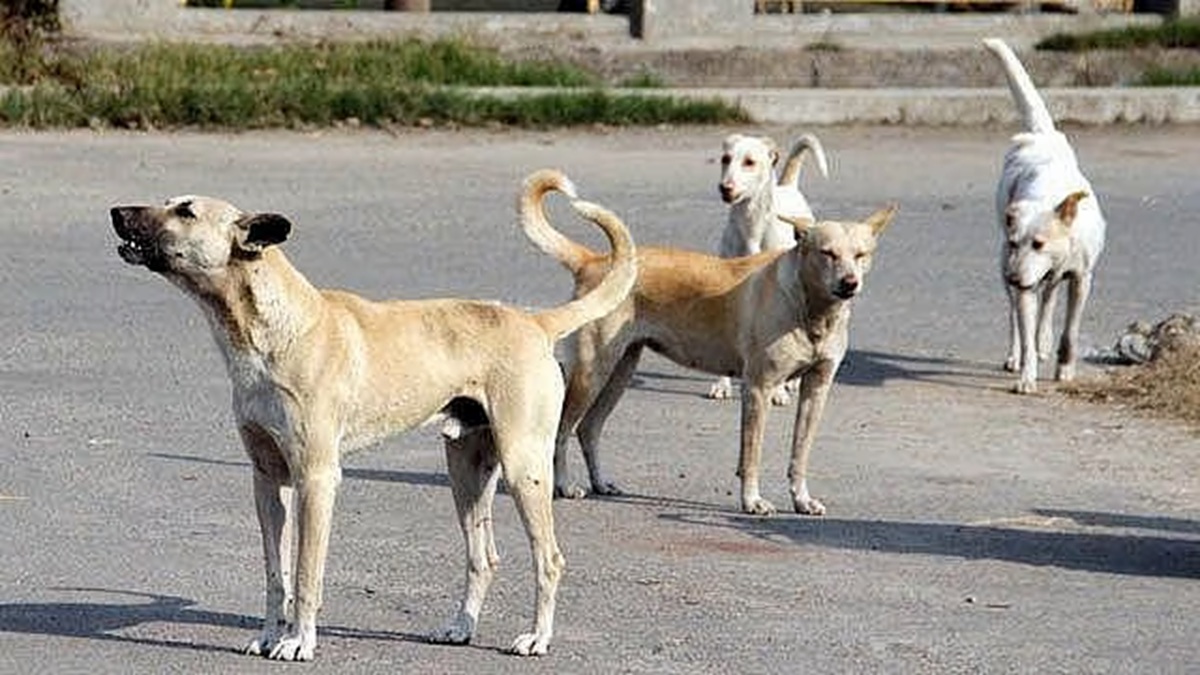
Telangana is witnessing one of its most disturbing animal cruelty crises in recent years, with allegations that more than 600 stray dogs have been systematically poisoned to death across multiple districts. The killings, reportedly carried out under the pretext of addressing the “stray dog menace,” have triggered outrage among animal welfare activists, legal experts, and civil society, raising serious questions about governance, law enforcement, and the misuse of power at the grassroots level.
What began as reports of mass dog culling in early January has now escalated into fresh allegations of poisoning in villages near Hyderabad, even as police investigations remain ongoing and forensic challenges slow the pursuit of justice.
Fresh Allegations: Over 100 Dogs Poisoned in Yacharam Village
The latest incident was reported on January 19 from Yacharam village in Ranga Reddy district, close to Hyderabad. According to animal welfare activist Mudavat Preeti (22), more than 100 stray dogs were poisoned to death in a planned operation allegedly involving local elected representatives and village officials.
In her complaint, Preeti accused the village sarpanch, a ward member, the village secretary, and others of conspiring to poison the dogs. Based on her statement, the Rachakonda police registered a case under relevant provisions of the Bharatiya Nyay Sanhita (BNS) and the Prevention of Cruelty to Animals Act.
Preeti claimed that the ward member initially told her during a phone call that the dogs had merely been “shifted.” However, in another conversation, he allegedly admitted that the animals were administered anaesthesia injections. Locals later confirmed that the dogs died soon after receiving the injections, strengthening suspicions of deliberate poisoning.
While police officials have stated that an investigation is underway, no arrests have been made so far in connection with the Yacharam case.
Police Response: No Carcasses Found, Villagers Questioned
The Yacharam police registered a parallel complaint following representations by an activist from the Stray Animal Foundation, who also alleged that nearly 100 dogs were poisoned on January 19.
Yacharam Police Inspector A. Nandeshwar Reddy said that police teams, accompanied by veterinary officials, conducted inspections throughout the village. However, they were unable to locate any dog carcasses.
Despite the absence of physical remains, the police acknowledged the seriousness of the allegations. Inspector Reddy stated that further inspections would continue and villagers were being questioned to verify the claims, particularly given the scale and pattern of similar incidents reported elsewhere in Telangana.

The Larger Pattern: Over 550 Dogs Killed Across Telangana
The alleged poisoning in Yacharam is not an isolated incident. Over the past two weeks, more than 550 stray dogs are suspected to have been killed across villages in Hanamakonda and Kamareddy districts, according to investigators probing a series of similar cases.
Earlier this month, dog carcasses were discovered in the Shyampet, Arepally, and Palvancha areas, sparking widespread alarm. Postmortem examinations revealed that the animals had died due to exposure to an “unknown toxin.”
Police later registered cases against 15 individuals in connection with the killing of at least 500 dogs during the first two weeks of January alone.
Gram Panchayat Elections and the Promise of “Dog-Free Villages”
Investigators and activists believe the mass killings are directly linked to political promises made during the Gram Panchayat elections. Several candidates reportedly pledged to create “dog-free villages” as a solution to the stray dog problem.
After winning the elections, these candidates allegedly devised a plan to systematically poison stray dogs to fulfil their campaign assurances. Among those named in the cases are seven sarpanches, who are accused of authorising the culling.
Village secretaries and staff allegedly played a role by arranging dog catchers and procuring supplies, while three private contractors were hired to execute the killings.
The revelations have sparked a broader debate about the role of local self-governing bodies, the lack of oversight in Gram Panchayat functioning, and the alarming ease with which anti-cruelty laws can be bypassed.

Suspected Use of Strychnine: A Banned Neurotoxin
Veterinary experts involved in the investigations suspect the use of strychnine injections in several cases. Strychnine is a powerful neurotoxin that causes severe convulsions and often leads to death due to respiratory failure within minutes.
The substance was once used in India to kill stray dogs but has since been prohibited under the Prevention of Cruelty to Animals Act, 1960. Its suspected use points to deliberate and knowledgeable planning rather than accidental poisoning.
The possibility that banned substances are being procured and administered so openly has intensified calls for stricter monitoring of veterinary drugs and harsher penalties for violators.
Forensic Bottlenecks Hampering Investigations
One of the biggest challenges facing investigators is the difficulty of conclusively identifying the poison used. According to sources familiar with the matter, the Forensic Science Laboratory (FSL) has received viscera samples that are severely decomposed, complicating chemical analysis.
“What we have been sent in most cases are stomach, liver, and kidney samples,” a source explained, adding that the scope of detection is limited in such organs. Clearer results are usually possible only if the animal survives for several hours after consuming poison or if blood or heart samples are available.
While preliminary tests have indicated the presence of chemical traces, definitive identification requires more specific samples. With the laboratory receiving around 200 samples daily and processing them sequentially, each sample could take one to two weeks to be fully analysed.
These forensic delays have further slowed legal proceedings and raised concerns about evidence degradation.
Arrest in Kamareddy: Contractor Served Legal Notice
In a related development, the Kamareddy Rural police took into custody Kishore Pandey, who was allegedly hired to poison at least 250 street dogs across Bhavanipet, Palwancha, and Faridpet over a span of two days.
Police confirmed that Pandey was served a notice under Section 41 of the Bharatiya Nagarik Suraksha Sanhita (BNSS). His detention marks the first major breakthrough in the broader investigation, though activists argue that accountability must extend beyond hired contractors to those who authorised and financed the killings.
Growing Outrage and Demands for Accountability
Animal welfare organisations across Telangana have condemned the incidents as a gross violation of animal protection laws and a failure of governance. Activists are demanding strict legal action, suspension of involved officials, and the establishment of a robust monitoring system to prevent such crimes in the future.
The controversy has also reignited discussions around humane and legally approved methods of stray dog population management, including sterilisation, vaccination, and community awareness—approaches that are mandated by law but often ignored due to administrative apathy.
A Test for Rule of Law in Telangana
As investigations continue, the mass killing of stray dogs in Telangana has emerged as more than an animal welfare issue. It has become a test of the rule of law, exposing the dangerous consequences of political populism, weak enforcement, and the normalisation of cruelty in the name of convenience.
With over 600 dogs allegedly killed, unanswered questions remain about who authorised the actions, how banned toxins were accessed, and whether justice will ultimately be served—not just for the animals, but for the principles of governance and accountability themselves.
With inputs from agencies
Image Source: Multiple agencies
© Copyright 2025. All Rights Reserved. Powered by Vygr Media.